-
Description
Product Overview
The Rope Track corrugated sidewall conveyor belt is a custom steel cord belt exclusively for the Rope Track overhead steel cable conveying system. It draws on proven overhead ropeway and continuous bulk conveying technologies.
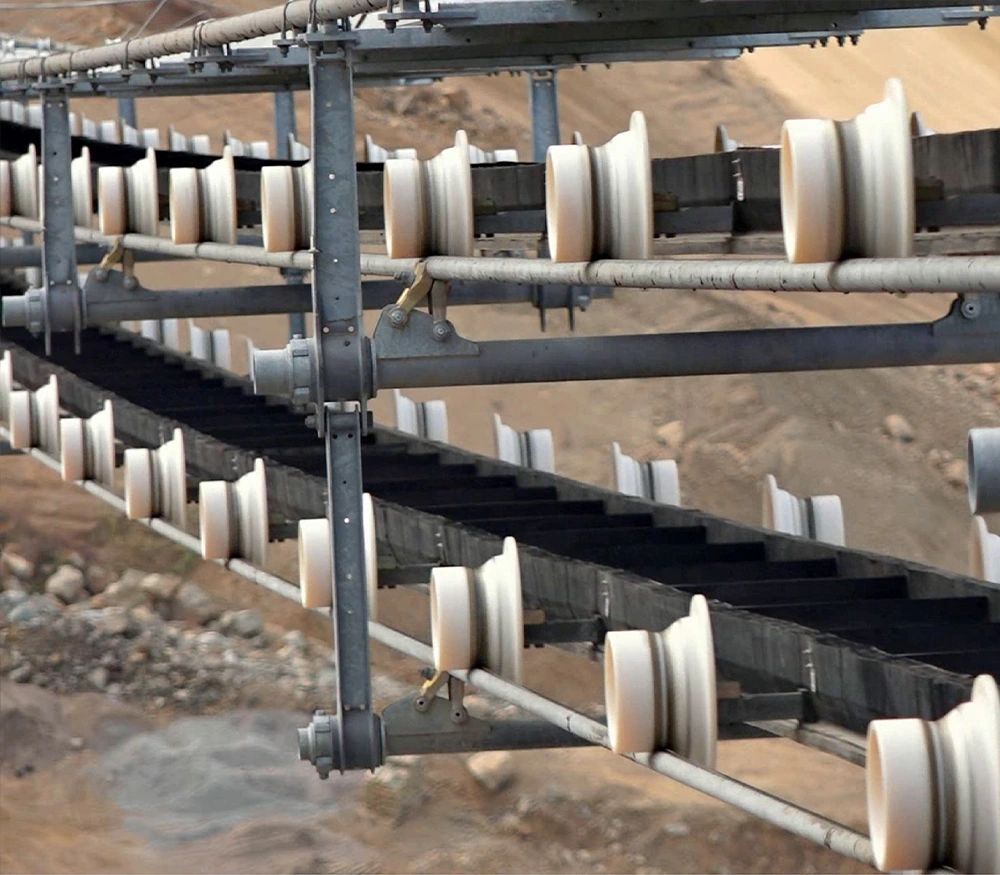
Fitted with integrally vulcanized corrugated sidewalls and bolt on polymer wheel assemblies, the belt rides directly on load bearing steel cables. Heavy steel support frames and conventional idler rollers are no longer required.
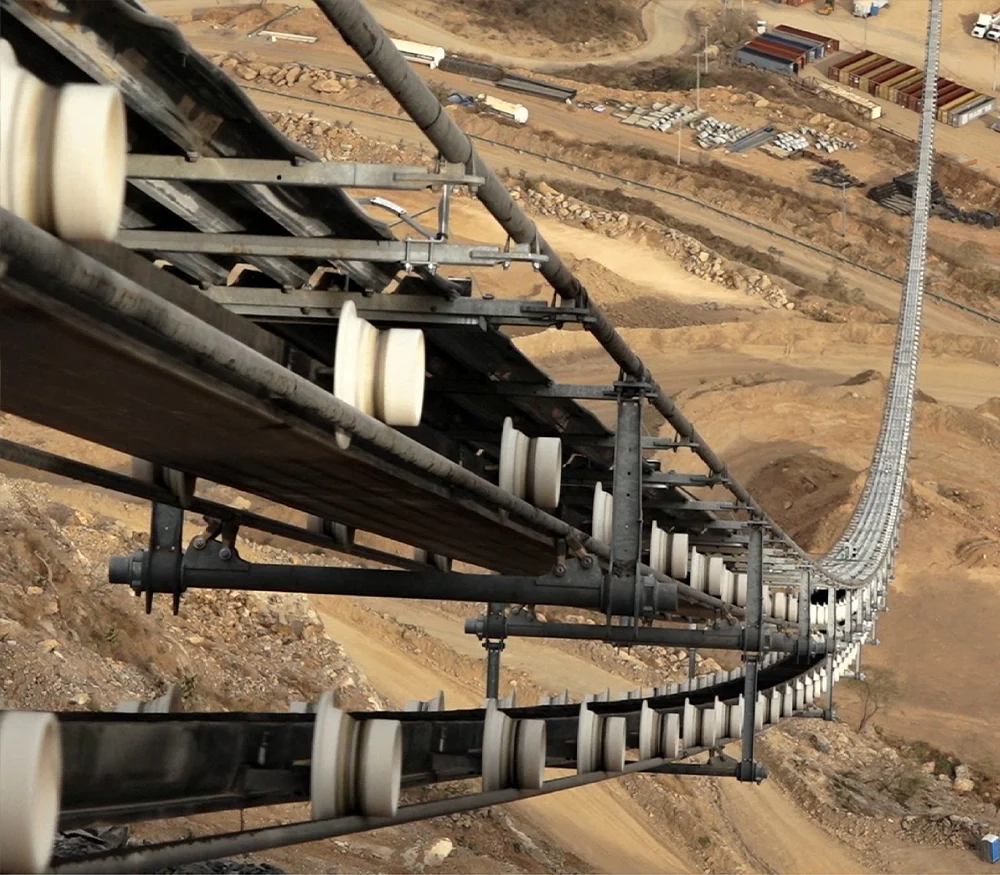
Different from standard ground mounted large angle sidewall belts, this belt handles both material carrying and self propulsion. Supported by external wheel sets on overhead steel cables, the entire conveyor line runs suspended above ground, greatly reducing civil construction and land occupation.
Main Construction & Components
1. Steel Cord Reinforced Base Belt
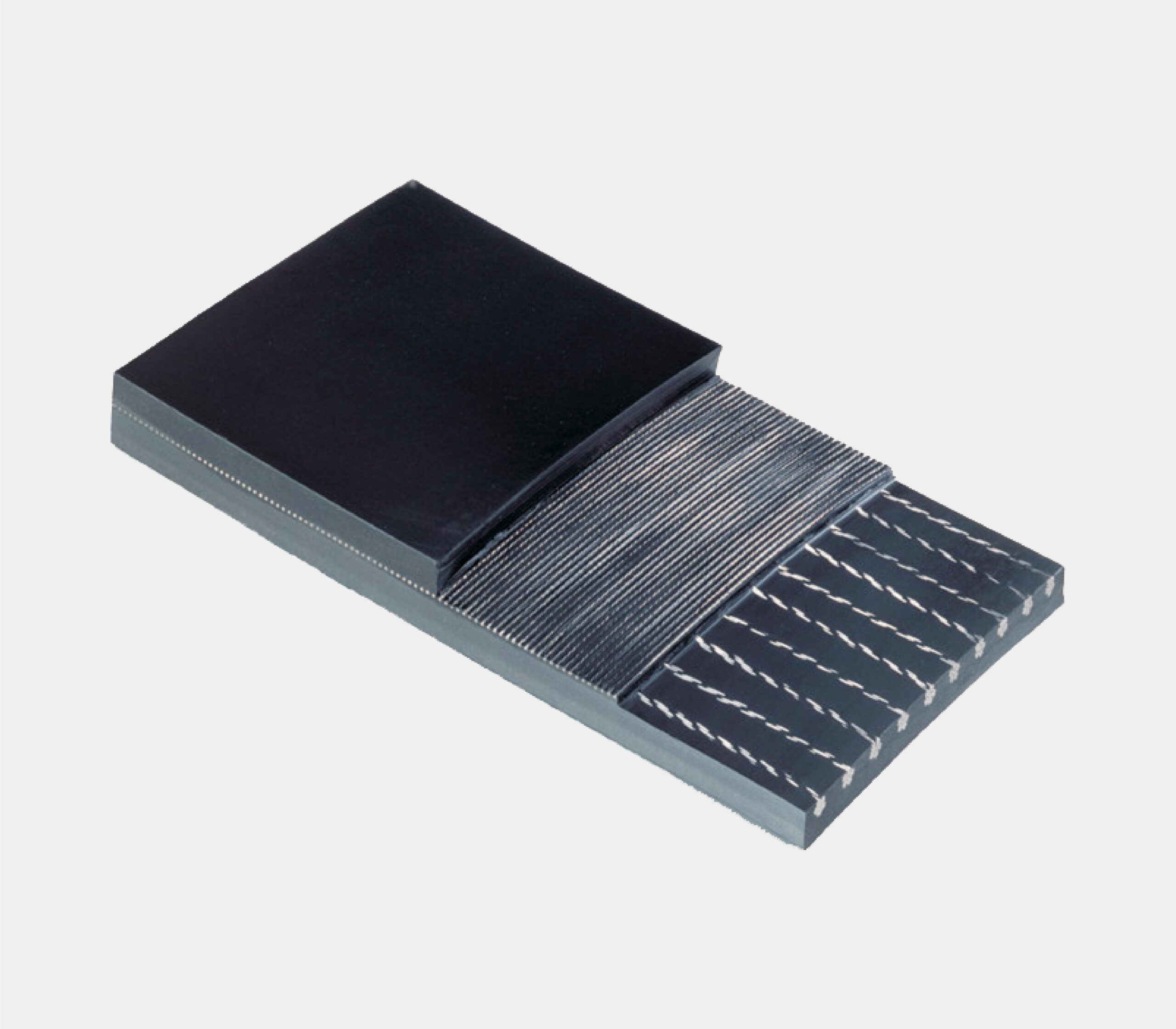
High strength steel cords make up the tension carrying core. Elongation stays very low under heavy load. Thick top and bottom rubber covers stand up to heavy impact and tearing from sharp rock, ore and aggregates. Belt strength reaches above 7800 N/mm, with top end grade hitting ST 10000 N/mm.
2. Continuous Corrugated Sidewalls
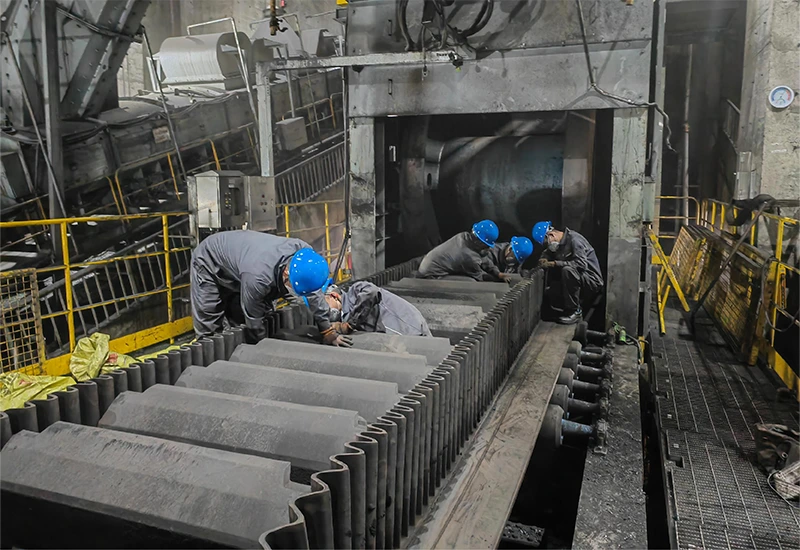
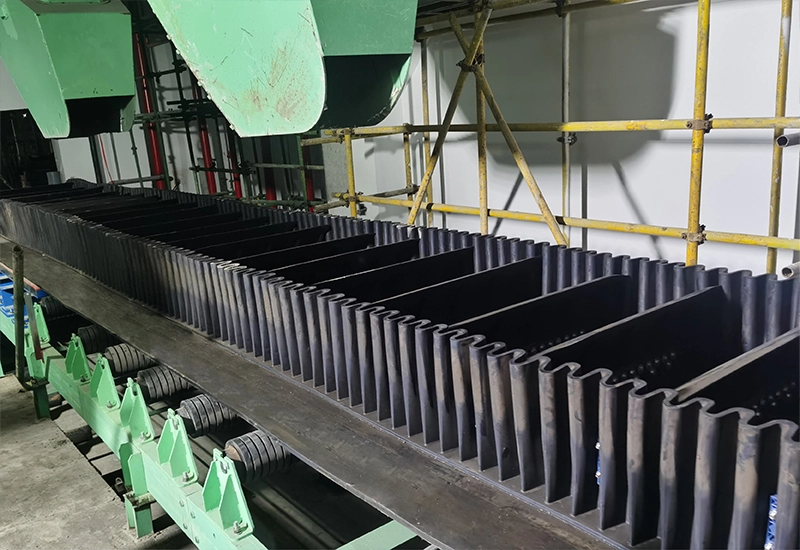
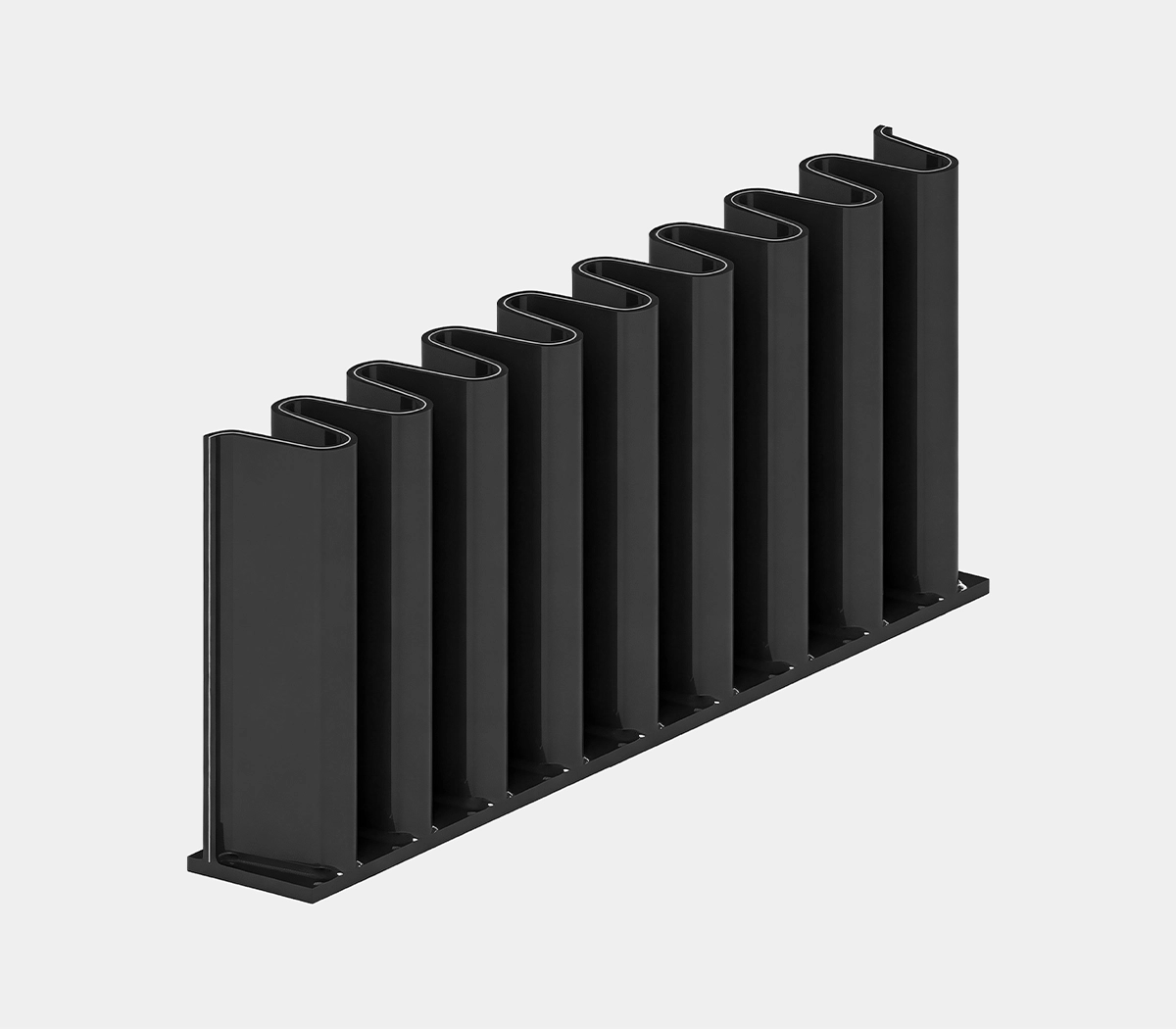
Corrugated rubber sidewalls are hot vulcanized directly onto the base belt to stop material spilling sideways. The rubber compound handles repeated bending as the belt wraps around pulleys and deflection points. It resists cracking and peeling off in field operation. Engineers pick sidewall height based on conveyor angle and maximum lump size of your feed material.
3. Transverse Cleats
T type, TC type and C type heavy duty cleats get vulcanized onto the belt. Paired with corrugated sidewalls, they form individual material pockets. Cleats stop ore from sliding backward and allow steep lifting angles, even near vertical conditions. Cleat type, height and spacing are adjusted for each project site.
4. External Traveling Wheel Assembly
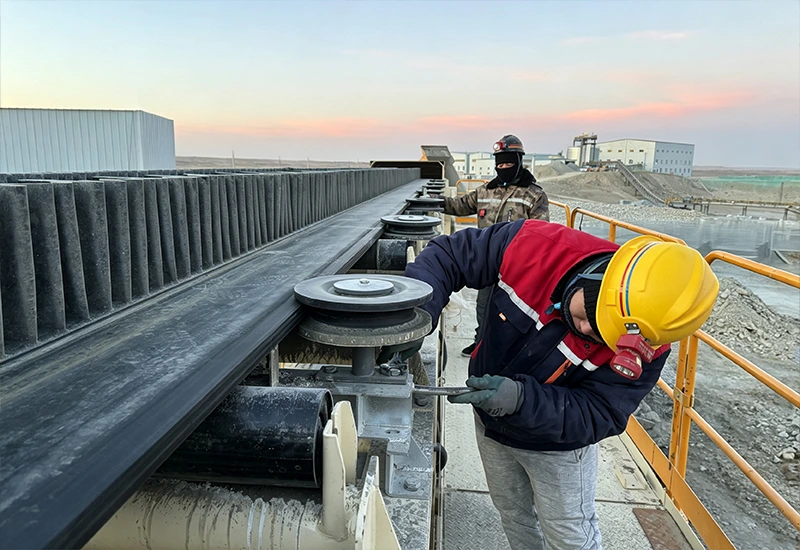
Wheel hubs and heavy duty polymer wheels mount to both sides of the belt. These wheels rest fully on load bearing steel cables and hold the complete belt suspended, replacing banks of conventional idlers. The wheel assembly is one of the most critical wear parts for the whole overhead conveying setup.
Rope Guide Travelling Principle
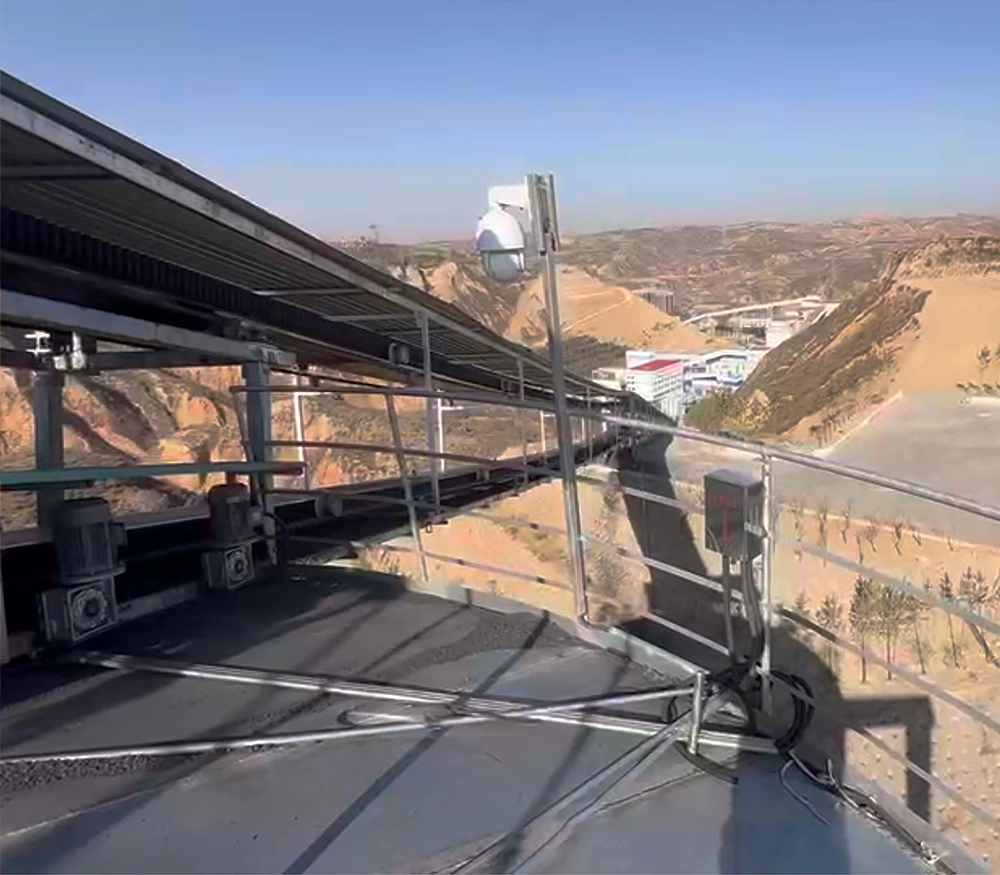
This belt does not run on ground mounted idlers. Distributed wheel assemblies hang the belt on overhead load bearing steel cables. Head and tail pulleys drive belt circulation. Tall support towers hold up the load bearing steel cables. The full transport line can cross valleys, rivers, roads, buildings and forest areas with very little disturbance to ground level activities.
Core Product Advantages
Works well in complex terrain
Overhead routing gets past mountains, gullies and water bodies. Straight line transport shortens overall conveying distance. You avoid costly mountain road building and massive earthworks, lowering total project capital spend.
High throughput for long haul runs
Steel cord base belt delivers high tensile strength for multi kilometer continuous conveying. High tonnage output can replace fleets of heavy haul trucks. Sites save on fuel cost, labour and road upkeep, while cutting carbon output.
Less spillage, broad material compatibility
Corrugated sidewalls plus transverse cleats handle fine powder, granular stock and large lump ore reliably. Add on enclosure covers control dust emission to meet local environmental rules.
Lower maintenance, high uptime
You remove thousands of standard idler rollers, cutting the total number of spare wear parts. Over ground layout uses almost no surface land, making it suitable for eco sensitive zones. High operating availability matches non stop mining production schedules.
Regenerative energy on downhill runs
When conveying material down slope, gravitational energy can feed back into the local power grid and reduce overall site power draw.
Key Technical Specifications
| Item | Parameter |
| Max Conveying Capacity | Up to 25 000 t/h |
| Maximum Tower Span | 2 500 m, spanning rivers, canyons and highways |
| Conveying Inclination Angle | Base 0 22°, higher achievable when cleats are installed |
| Belt Dimension Range | Sidewall height max 630 mm; Strength grade up to ST 10000 N/mm; Belt width 500 mm 2000 mm |
| Acceptable Material Lump Size | Up to 1000 mm; pre crushing may not be needed for certain applications |
| Operation Mode | Bi directional conveying; upper and lower belt strands can carry two different materials separately |
Typical Application Scenarios
- Mining: Link open pit working faces to primary crushing stations or processing plants. Solve transport bottlenecks on rough terrain.
- Building Materials: Move quarry raw material long distance to cement plants. Supports cleaner production and eases environmental compliance pressure.
- Energy & Bulk Logistics: Connect mine sites, processing plants with ports and railway terminals, replacing expensive short haul truck transfers.
- Eco protection Zones & Forest Land: Material transport jobs that require minimal ground excavation and limited ecological damage.
For sites where conventional belt conveyors are not economically viable due to big elevation changes or difficult terrain, the Rope Track system replaces inefficient truck road or separate ropeway plus transfer workflows. It helps plant teams cut operating cost, raise throughput and run large scale production with lower carbon footprint.
Selection Guidelines (For Engineers & Procurement Teams)
- Select steel cord ST strength grade based on required throughput, total conveying distance and elevation difference.
- Work out sidewall height, cleat style and cleat spacing from your material lump size and actual operating inclination angle.
- Choose rubber cover compound for site conditions: X grade abrasion resistant, heat resistant, flame retardant or cold weather resistant rubber options are available.
- Match travelling wheel assemblies exactly to your project’s load bearing steel cable dimension. This ensures smooth travel and keeps wheel wear rate under control.
FAQ
Q1: What sets Rope Track belt apart from regular corrugated sidewall conveyor belt?
A: Normal sidewall belts run on idler rollers fitted to ground steel frames. Rope Track belts use fitted on travelling wheel sets. The belt hangs and travels along overhead steel cables. It acts both as material carrier and traction unit, without heavy ground support infrastructure.
Q2: Do I need to pre crush big lumps before feeding onto this belt?
A: The belt can handle lump sizes up to 1000 mm. Many mine sites skip pre crushing. Even so, you need engineering checks on lump shape, drop height and impact loads to prevent local damage to rubber covers and sidewalls.
Q3: Which parts wear out most in daily operation?
A: Polymer travelling wheels are the main consumable items. Rubber sidewalls and cleats also wear from material impact and repeated pulley bending. If you keep operation within design limits, the steel cord base belt gives long service life. Keep spare wheel assemblies on site for routine swap out.
Q4: Can this belt run through heavy rain, snow or high altitude freezing sites?
A: Yes. Custom cold resistant rubber keeps belt components flexible in freezing environments. Rain and snow do not stop system operation. You do need to account for ice build up on towers and cables, and follow local winter maintenance procedures.
Q5: Can one single belt line move material in two directions?
A: Yes. Upper and lower belt strands can carry different bulk materials at the same time. This feature saves capital where you have two way material flow requirements.
Products
Base belt
Sidewall
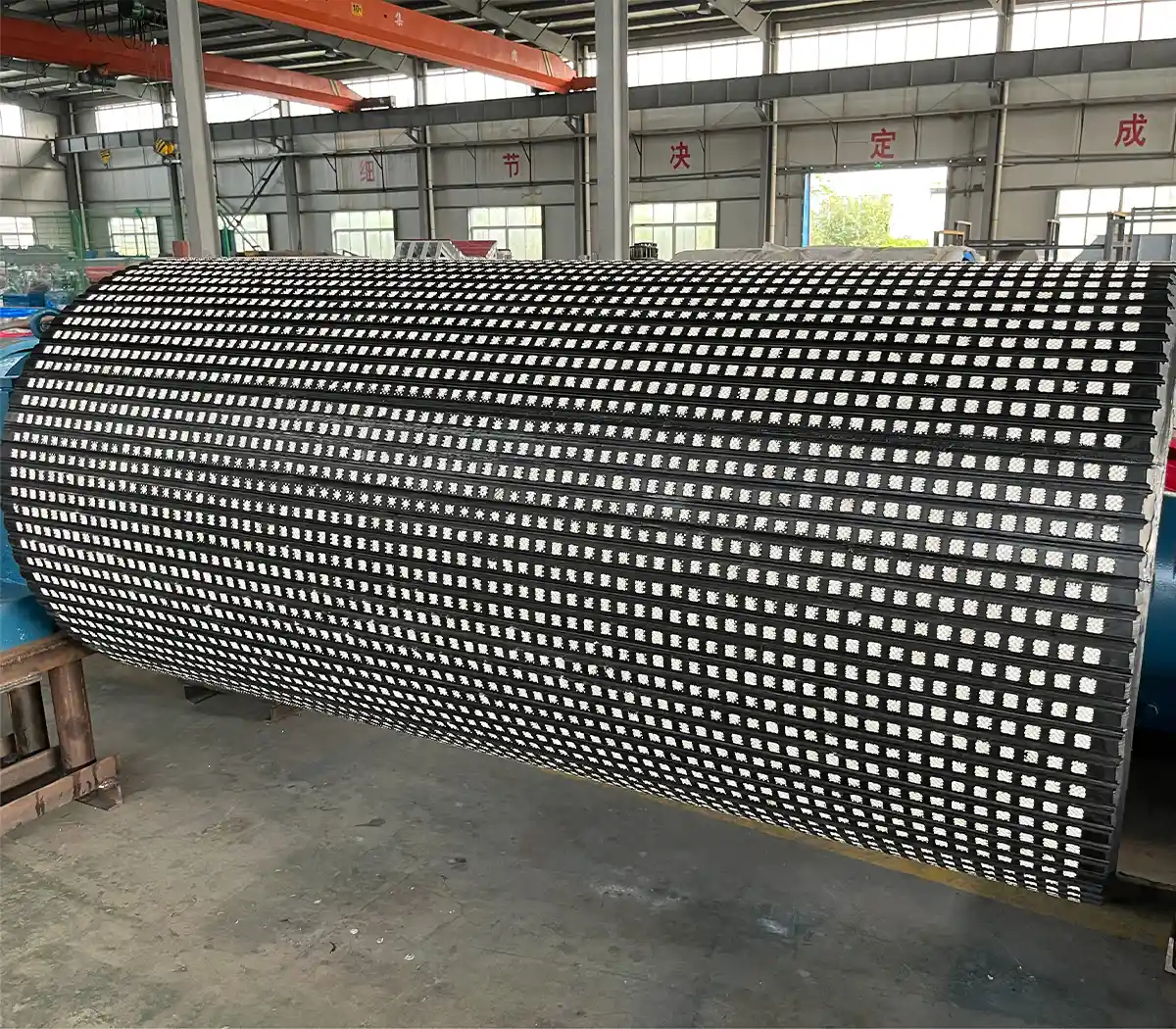
Pulley Lagging
Rubber Wear Lining
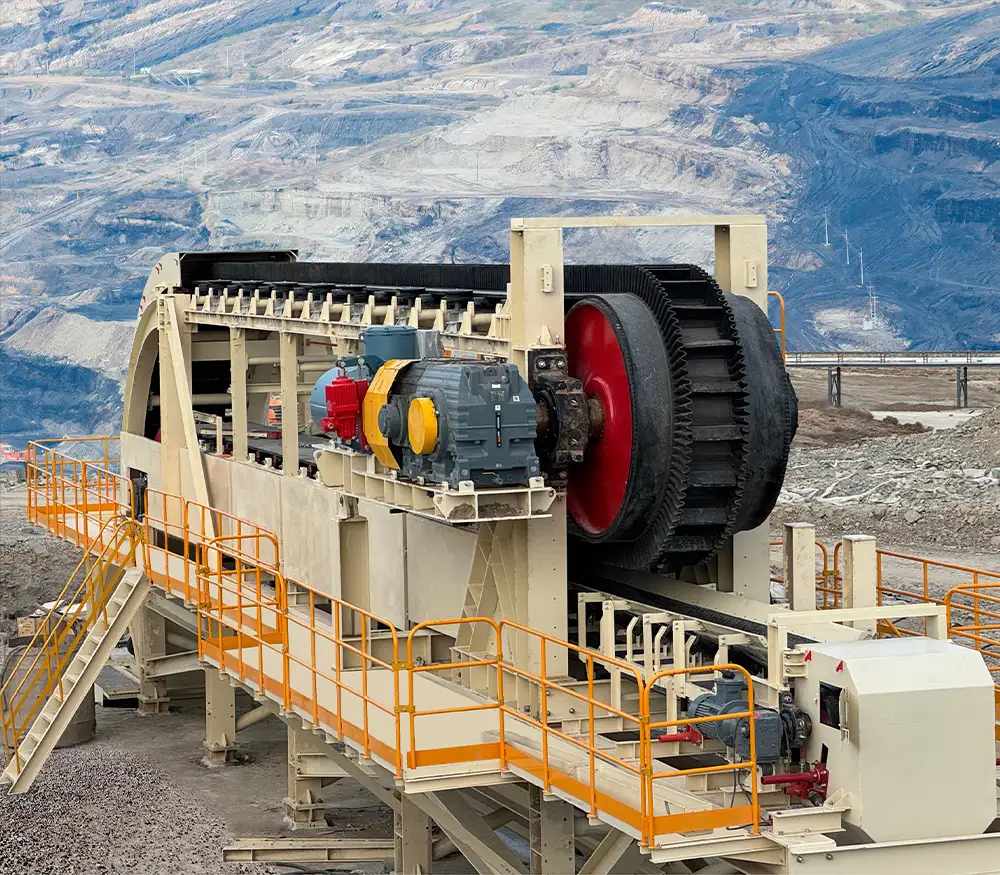
Sidewall Conveyor Belt
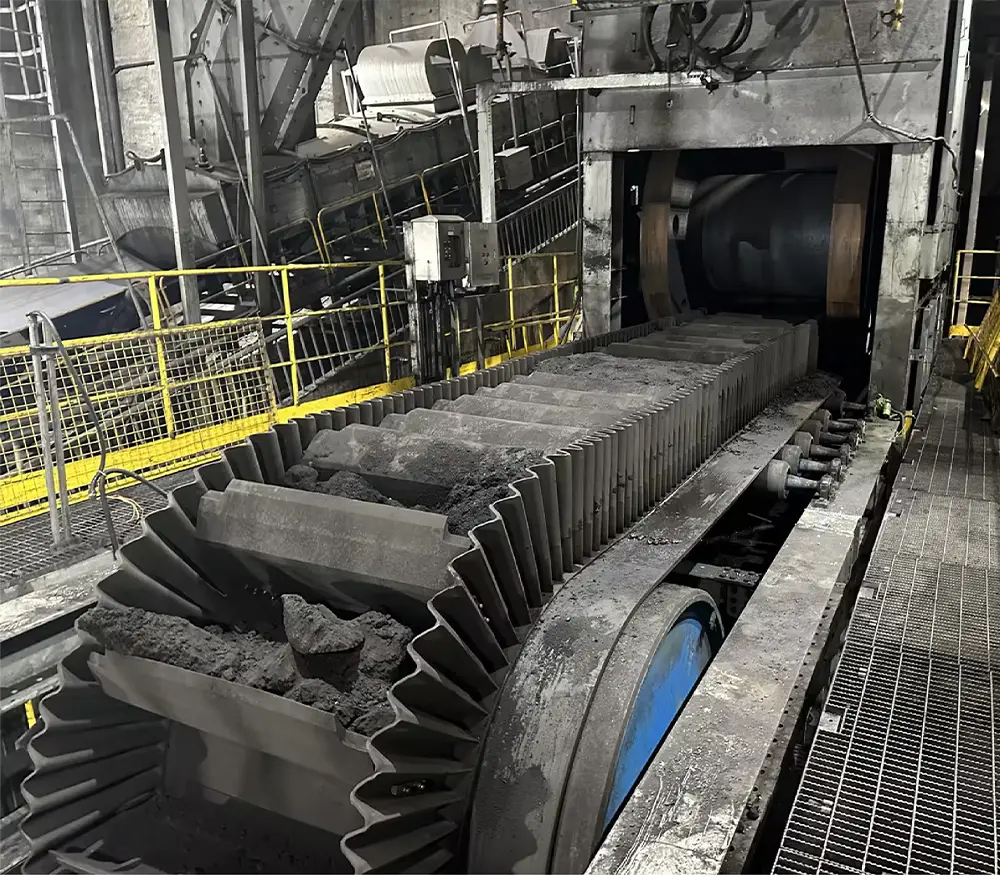
EPDM High Temperature Sidewall Conveyor Belt
Recent news
How Does a Sidewall Conveyor Belt Work?
Nov 19, 2026
Sidewall Conveyor Belt Retrofit Enters Installation at Coal Chemical Plant
Nov 20, 2026
What Is a Sidewall Conveyor Belt and When Should You Use One?
Nov 12, 2026
See Latest Service