Cleat
-
Description
Product Overview
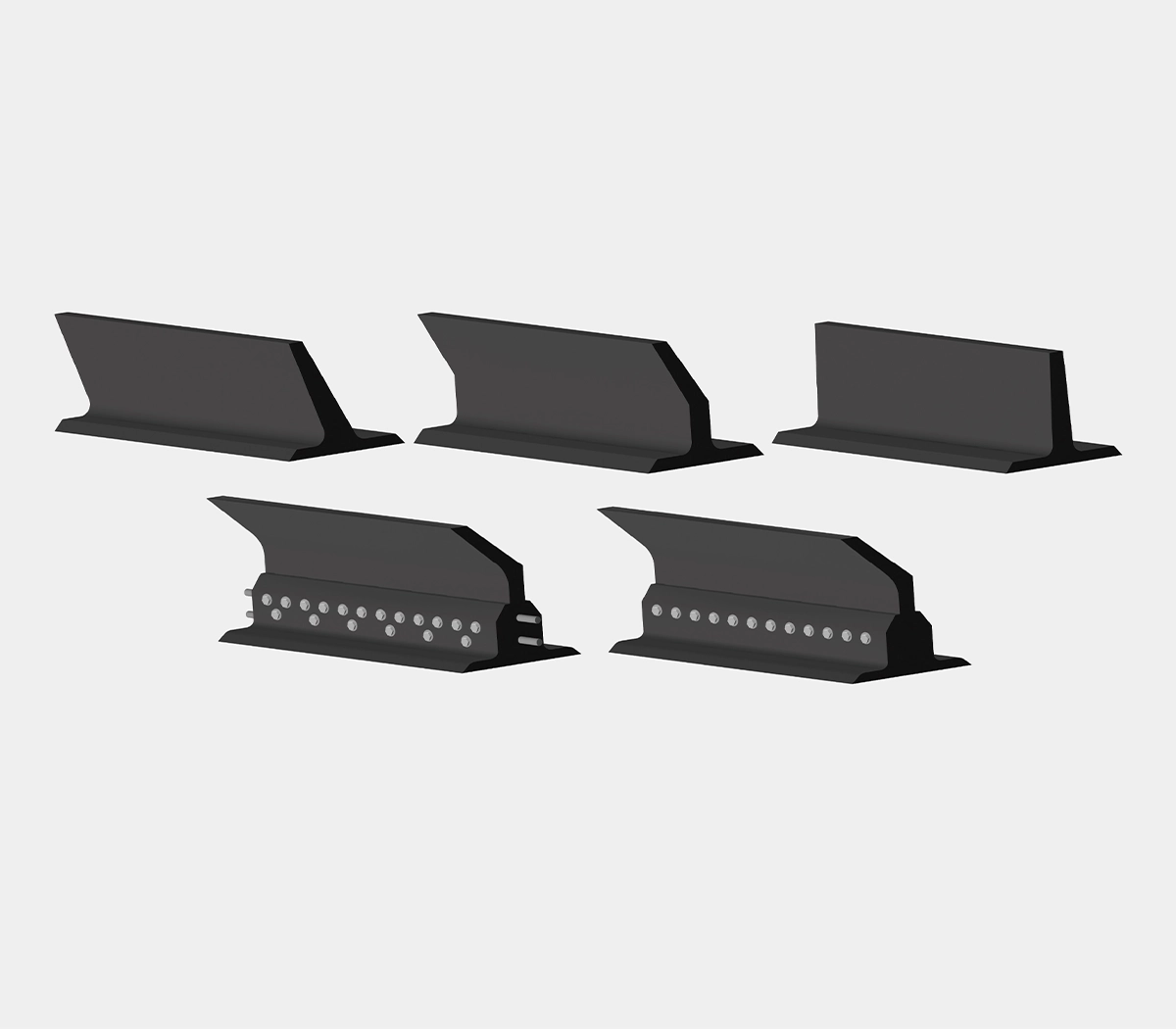
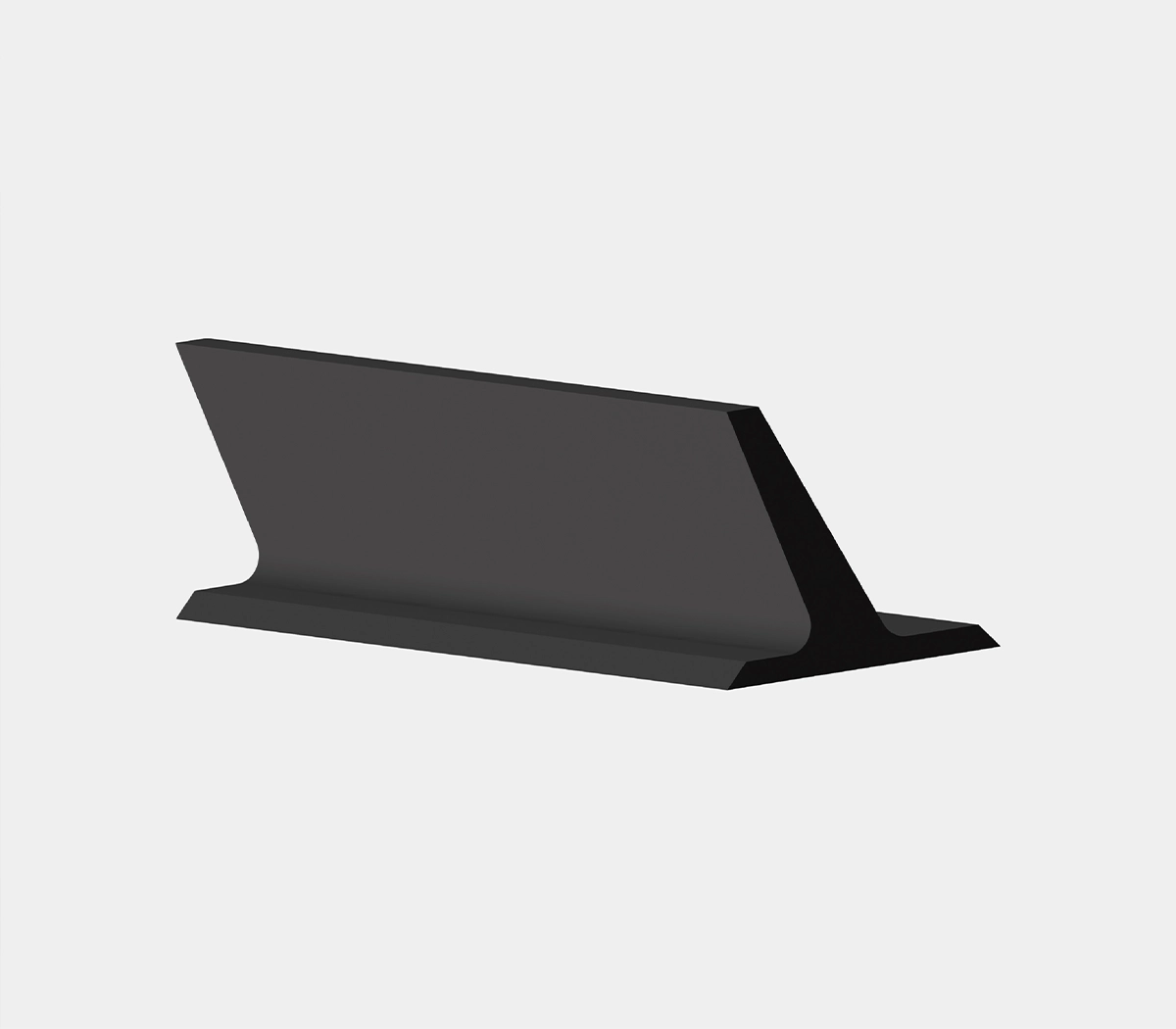
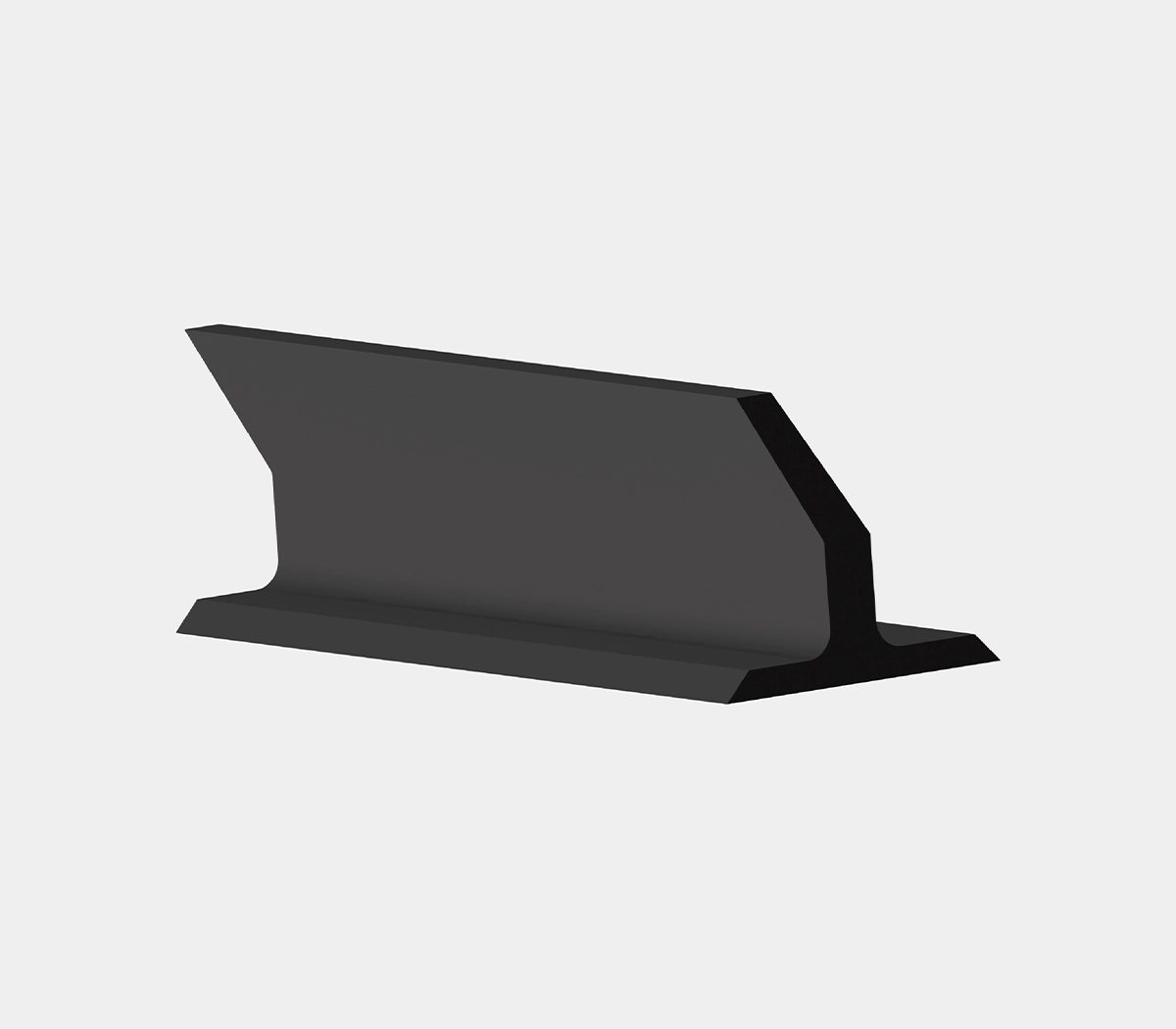
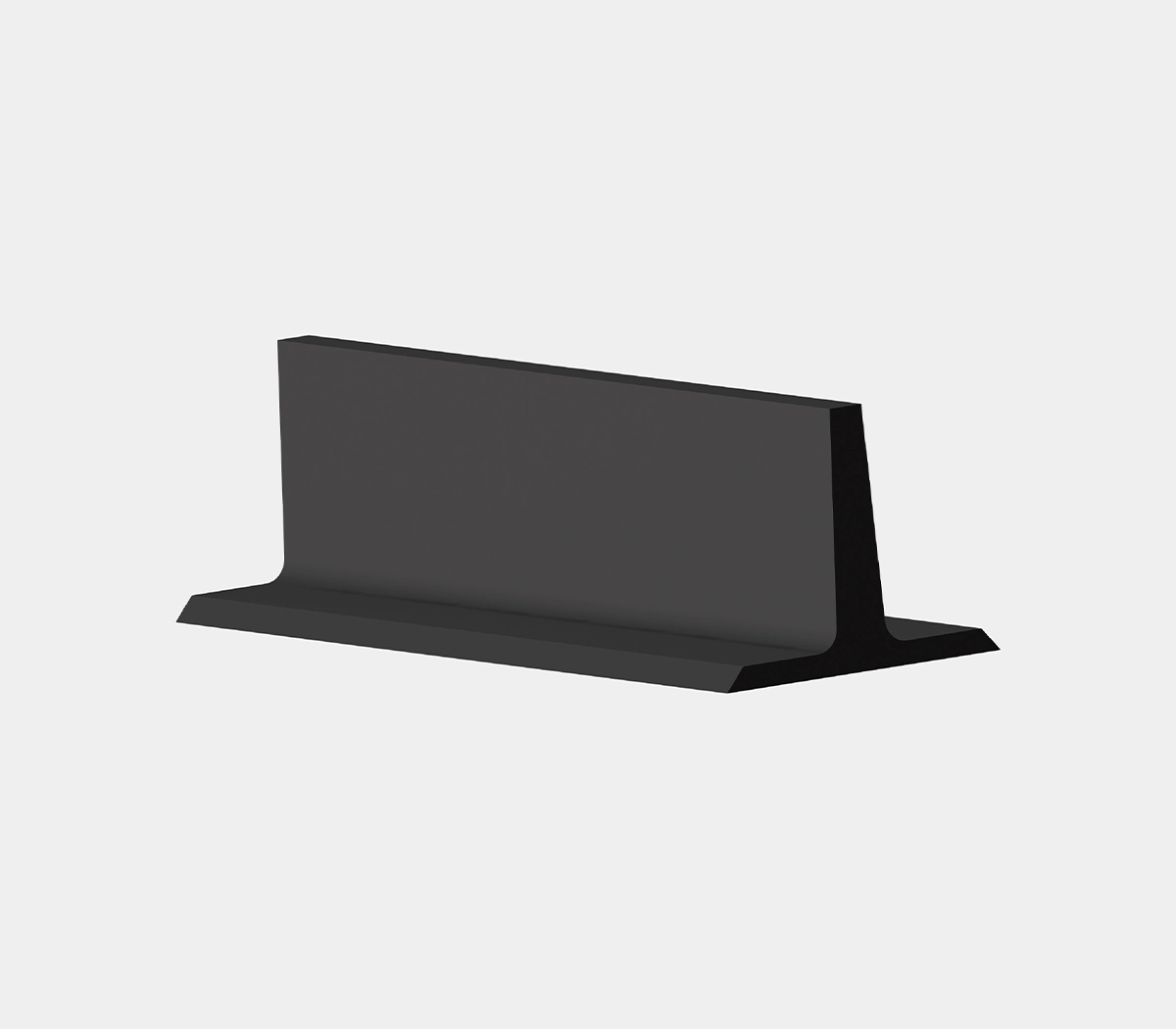
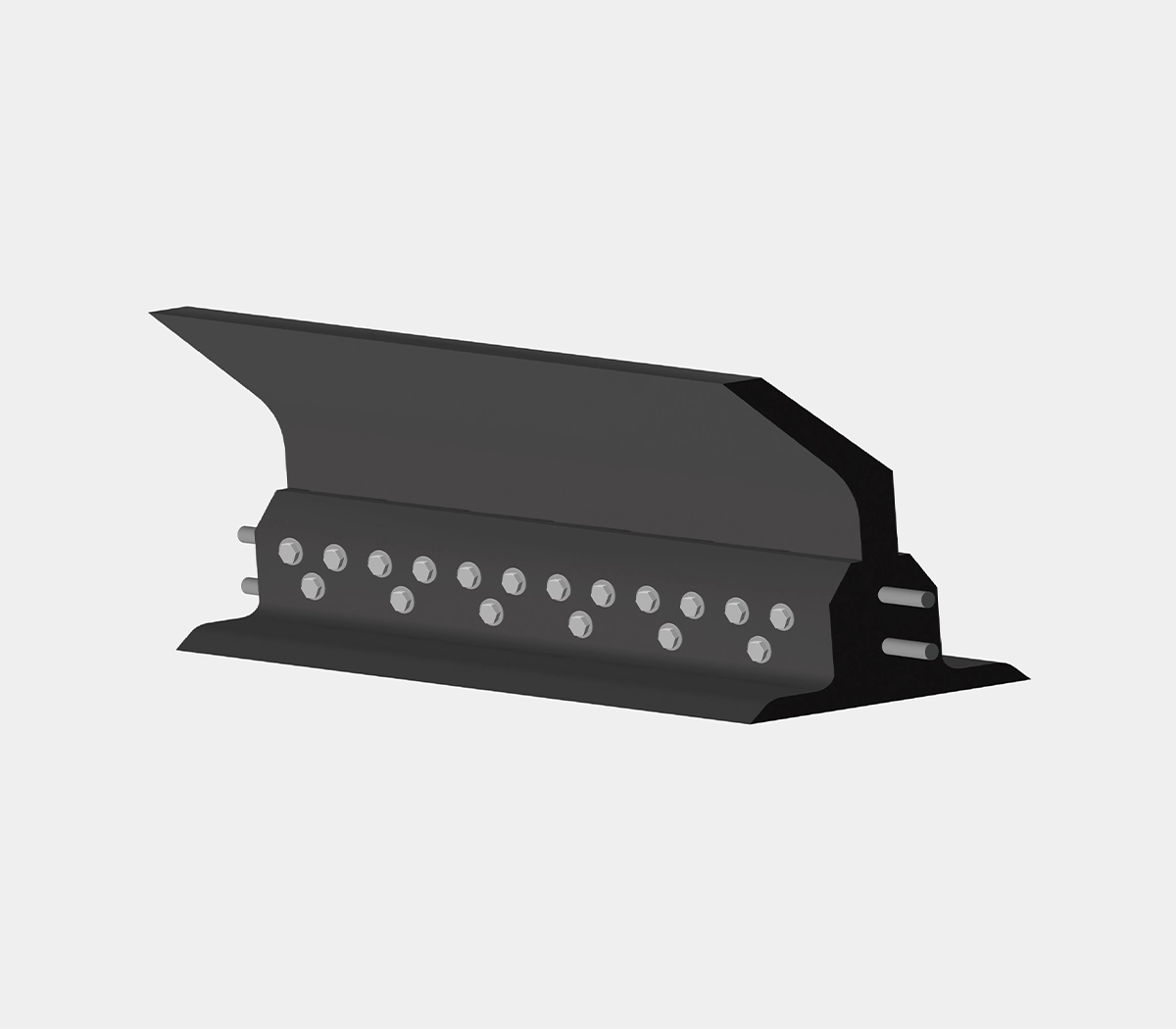
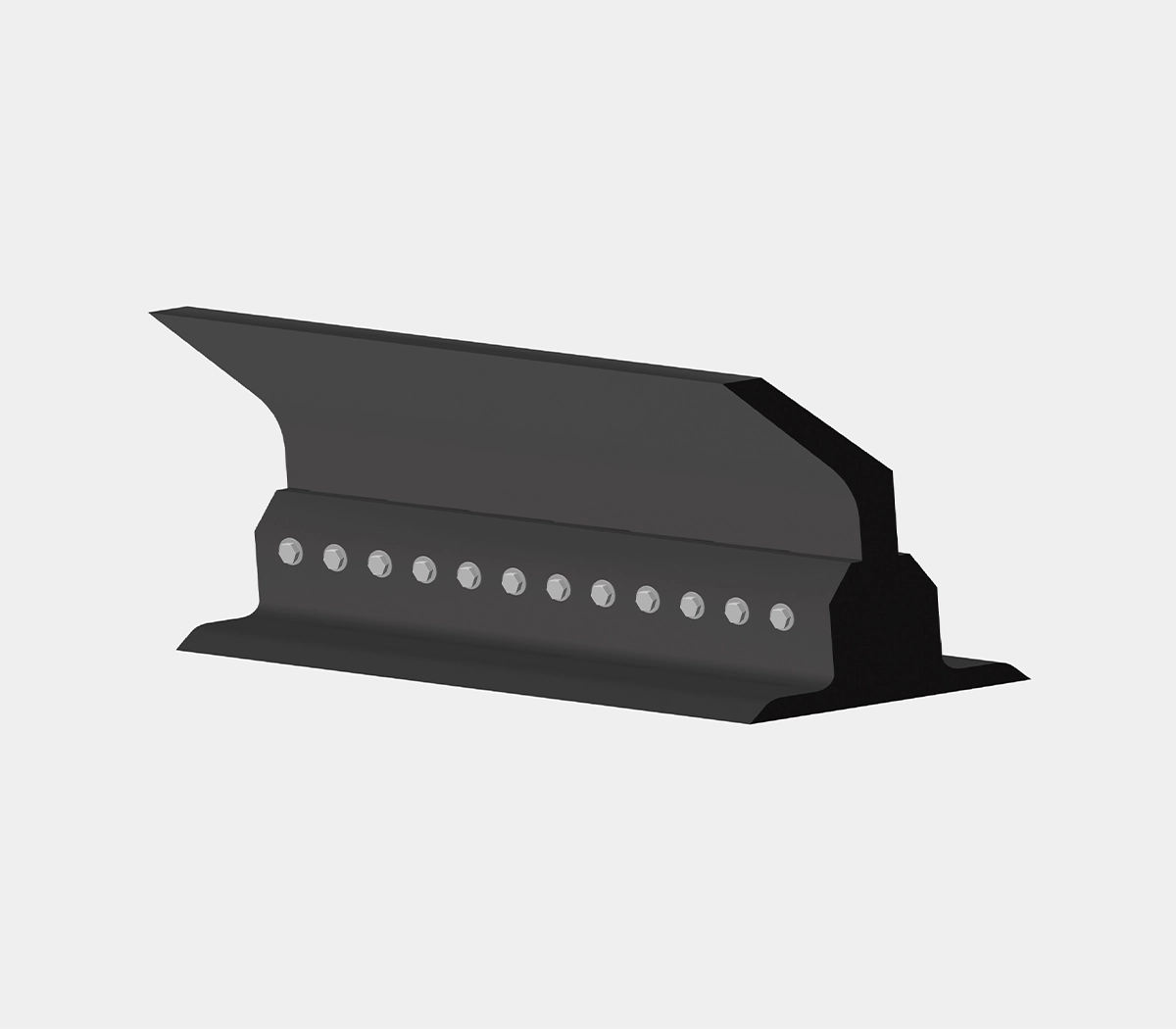
QBF rubber cleats are engineered for sidewall corrugated conveyor belts, available in four core versions: T type, C type, TC type and TC XS type. These cleats handle different conveying angles and material load requirements across bulk material handling sites.
Built from high grade wear resistant rubber with field optimized profiles, QBF rubber cleats deliver reliable lifting capacity and solid self cleaning performance during continuous operation. Optional side blinker accessories install between cleat profiles and belt sidewalls, forming tight seals for fine, free flowing bulk goods. Multiple dimension options cover light duty through heavy duty site requirements.
Common use scenarios include grain, sand, gravel, mineral ore, chemical raw materials and other bulk material steep angle or vertical transportation.
Key Features of QBF Rubber Cleats
Optimized Profile Design
C type and TC type cleats adopt special geometric shaping to maximize material carrying volume. The surface profile cuts material sticking after discharge. Good self cleaning performance lowers leftover material carry back, which helps you cut down on routine belt cleaning work and unplanned downtime.
Durable Material & Construction
Manufactured from European standard molds for precision and consistency.
Specially formulated rubber compound delivers strong abrasion resistance and impact resistance.
High stiffness ensures superior shape retention even when conveying high-density materials.
High-Capacity Vertical Lifting
Optimized configuration minimizes deformation under pressure.
Enables higher loading capacity in vertical lifting operations.
Side blinker
Side blinker can be fitted in between the cross cleats profile and the sidewall to make a seal.
Side blinker is used when the material is particularly free flowing.

Cleat type application
| Cleat Type | Application | Features |
| T | Conceying angle≦40 deg. | |
| C | 40deg.<Conveying angle≦90 deg.
Light duty. |
Small capacity,excellentself-cleaning properties,no screw reinforcement withsidewall. |
| TC | 40deg.<Conveying angle≦90 deg. | Capacity big,excellent self-cleaning properties. |
| TC-XS | 40 deg.<Conveying angle≦90 deg.
Leavy duty |
Capacity big,replaceable cleat blade. |
| Type | Height (mm) | Base Width (mm) | Est. Weight (Kg/m) | Min. Pulley Dia. (mm) |
| C
|
55 | 100 | 1.40 | 125 |
| 75 | 100 | 1.47 | 150 | |
| 90 | 110 | 3.01 | 250 | |
| 110 | 110 | 3.57 | 315 | |
| T
|
55 | 100 | 1.58 | 125 |
| 75 | 100 | 1.82 | 150 | |
| 90 | 110 | 2.53 | 250 | |
| 110 | 110 | 3.11 | 315 | |
| 140 | 160 | 5.70 | 400 | |
| 180 | 160 | 6.81 | 500 | |
| 230 | 160 | 8.71 | 630 | |
| TC
|
55 | 75 | 1.17 | 125 |
| 75 | 100 | 1.93 | 150 | |
| 90 | 110 | 3.57 | 250 | |
| 110 | 110 | 3.72 | 315 | |
| 140 | 150 | 5.70 | 400 | |
| 180 | 150 | 6.81 | 500 | |
| 220 | 160 | 7.75 | 630 | |
| 230 | 160 | 7.85 | 630 | |
| 280 | 180 | 14.34 | 800 | |
| TC XS
|
220 | 160 | 10.27 | 630 |
| 230 | 160 | 11.05 | 630 | |
| 280 | 160 | 15.18 | 800 | |
| 360 | 230 | 25.45 | 1000 | |
| 470 | 230 | 30.6 | 1250 | |
| 470 (Heavy) | 230 | 39.05 | 1250 | |
| 600 | 240 | 76.50 | 1600 | |
| Remarks: Data above are subject to DINY quarity.
Fabric reinforcement is suggested for cleat higher than 110mm. This carcass reinforcement is also available for cleatbelow 110mm. |
||||
FAQ
Q1: Which rubber cleat should I pick for vertical 90 degree conveying?
A: For vertical 90 degree transport, choose between C type, TC type or TC XS type. Pick C type for light duty low volume jobs. TC type works for most standard heavy load vertical conveying. Go for TC XS if you run continuous heavy duty work and want replaceable blades to cut your replacement costs.
Q2: When do I need side blinker accessories?
A: Install side blinkers mainly for fine, free flowing bulk materials such as fine sand, powder, small grain particles. Blinkers seal gaps between cleats and sidewalls, stop material leaking out sideways during upward conveying. You can skip blinkers for large lump materials with poor flowability.
Q3: Why follow the listed minimum pulley diameter?
A: If you use a pulley smaller than the recommended minimum size, cleats will receive excessive bending stress every cycle. This speeds up rubber cracking at cleat base, shortens service life and may cause cleat detachment. Always match pulley size to your selected cleat height.
Q4: What is fabric carcass reinforcement? Do I really need it?
A: Fabric carcass reinforcement adds fabric layers inside cleat base. It improves tear resistance and anti deformation performance under heavy impact. We recommend it for cleats taller than 110 mm. Even for shorter cleats, you can select this upgrade if you handle sharp, heavy ore or suffer frequent impact loads.
Q5: Can I replace only the worn out part of the cleat?
A: Only TC XS cleats feature replaceable cleat blades. When blade surfaces wear down, swap blades instead of changing the whole cleat, saving material cost and belt downtime. T type, C type and TC type are integral rubber structures; full cleat replacement is required when heavily worn.
Q6: What bulk materials fit QBF rubber cleats?
A: QBF rubber cleats suit most non sharp bulk solids: grain, fertilizer, sand, gravel, coal, crushed minerals and similar products. For sharp highly abrasive ore or high temperature hot materials, please reach out to our technical team for custom solution advice.
Products

Sidewall Conveyor Belt

Pocket Type Conveyor Belt
It handles ultra high lift, high throughput tasks beyond conventional high angle sidewall belts, realizing stable continuous bulk material transportation.

Rope-track Sidewall Conveyor Belt

Bucket Elevator Conveyor Belt
They deliver low elongation, high throughput and stable operation with easy maintenance, helping operators reduce downtime from belt failures and frequent replacements.

Pipe Conveyor Belt
Supporting sharp horizontal and vertical bends, it meets strict environmental requirements and helps plants remove redundant transfer points, favored by operators troubled by on site dust and leakage issues.

Chevron Conveyor Belt
Various chevron patterns are available for different slope demands. Widely used in mining, farming, construction and recycling, it maintains stable performance under harsh on site working conditions.
Recent news

Sidewall Conveyor Belt Sagging Solutions: QBF rubber Free Zone Base Belt Design Extends Service Life by 30%
Sep 18, 2026

QBF Rubber Anti-stick Sidewall Belting Helps Shenzhen Tunnel Construction
Sep 18, 2026

Mining Vertical Lifting System Solution: Tackling Continuous Conveying Challenges for Deep-Mine Operations
Sep 17, 2026
See Latest Service





