Impact Bar/Impact Bed
-
Impact Bed
-
Impact Bar
Product Overview
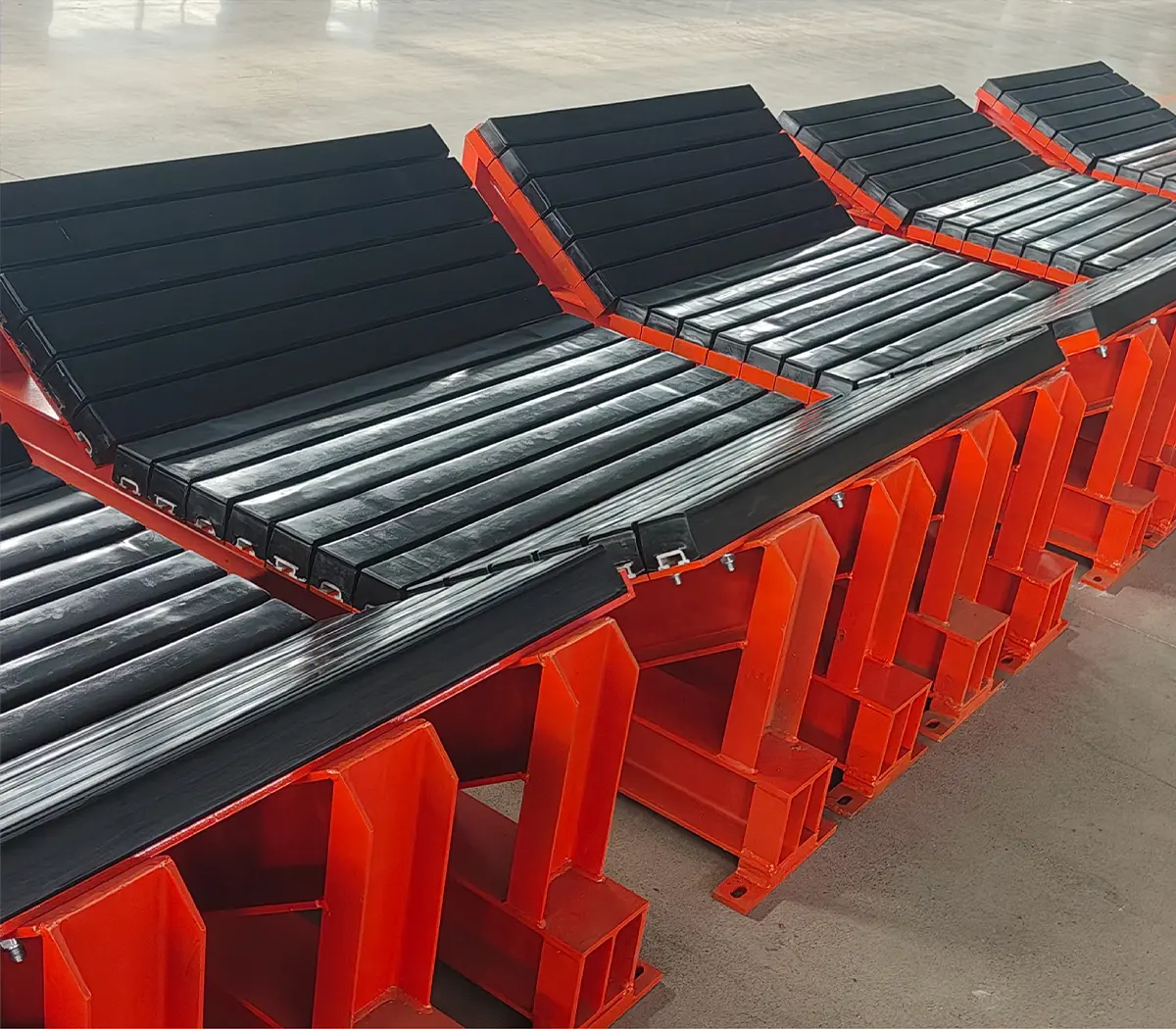
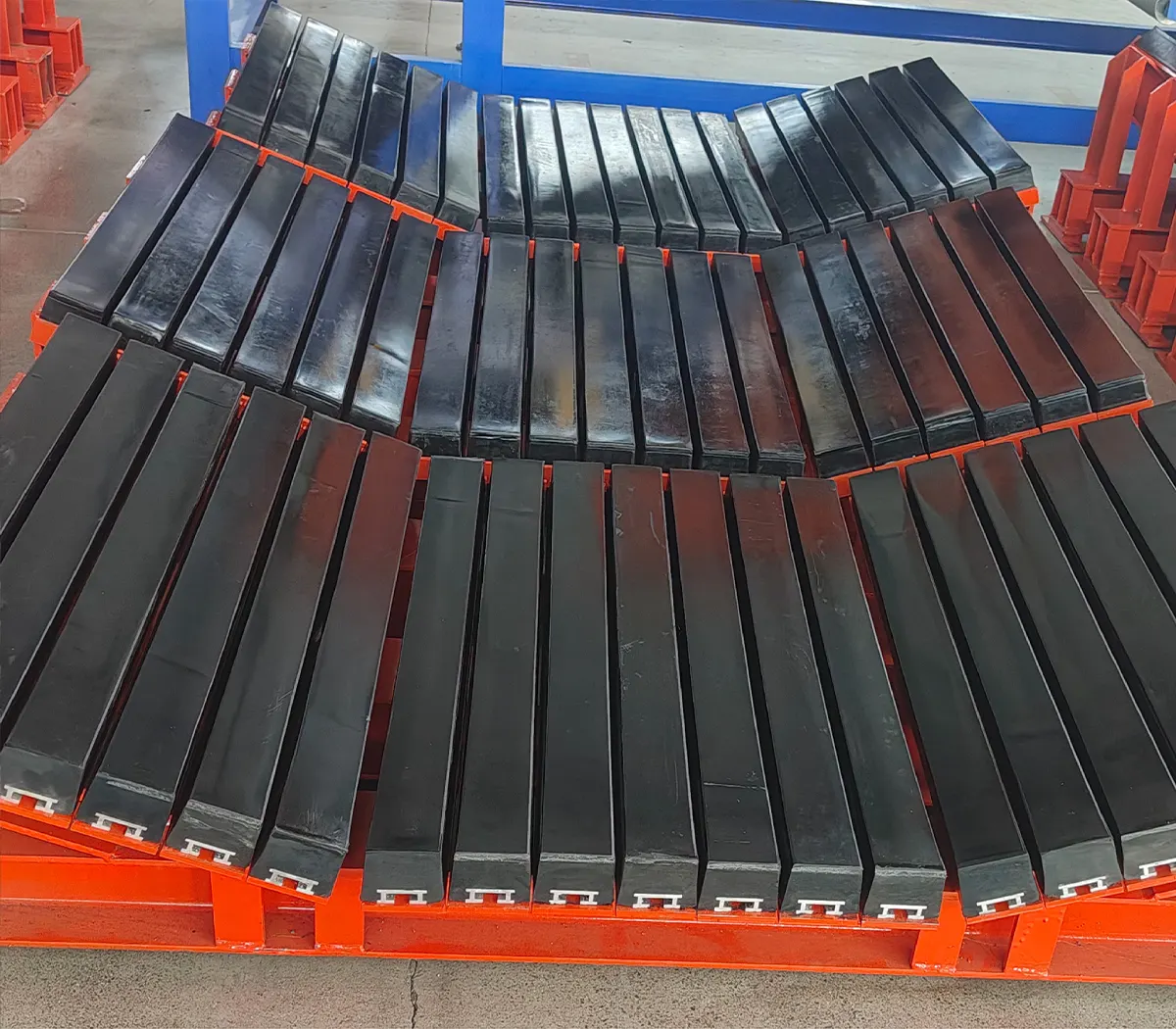
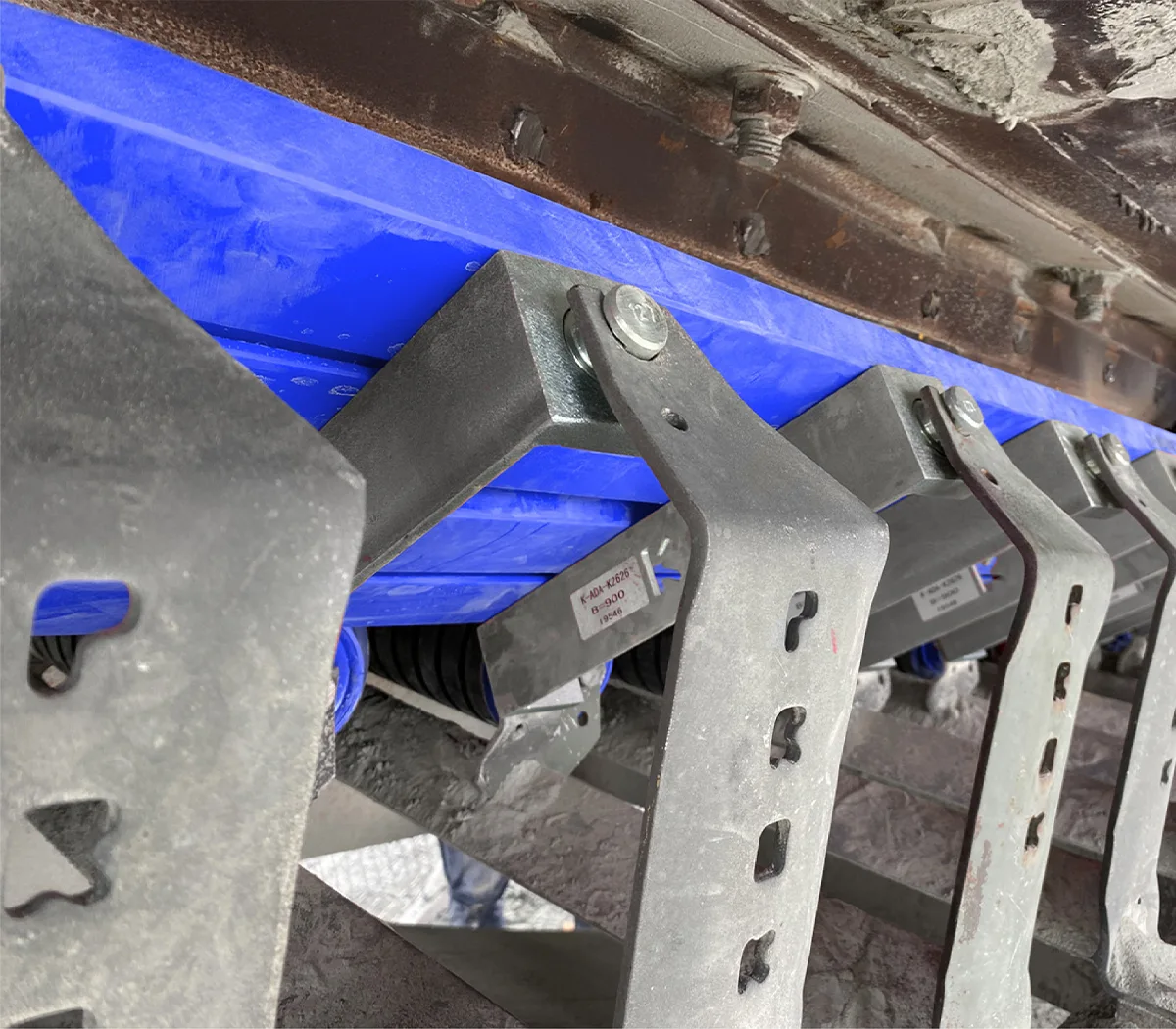
Impact beds are used in place of impact idlers/rollers and are installed under the belt at the loading points to absorb the impact from falling material.
QMH® impact beds are custom designed to suit your requirements. They are constructed from steel for a robust and long-lasting service life.
Designed with a modular pin-lock system for easy assembly and disassembly, our impact beds are fitted with highly absorbent impact bars to form a complete belt support system.
Available Options
Standard Impact Bed
This is our go-to unit for regular bulk conveying jobs. It works well for medium-sized feed material, moderate drop heights and normal throughput rates. Most general conveyor loading set-ups can use this cost-saving standard model.
Custom Impact Bed
Every job site comes with its own limitations. QBF Rubber Engineering designs and builds custom impact beds for non-standard belt widths, unusual drop heights, tight installation space or highly abrasive material. Send us your conveyor specs and site notes, we will adjust frame structure, impact bar layout and mounting dimensions to match your actual equipment.
Hybrid Impact Bed
QMH® hybrid impact bed combines impact rollers and side support bars within one single assembly. You get roller-aided belt movement plus firm edge hold from side bars.
This design delivers reliable control on belt edges. It maintains good sealing between skirting rubber and moving conveyor belt, cutting dust leaks and material spill-over. It also minimises belt sag and belt shift caused by uneven material loading. Hybrid impact beds are ideal for sites where dust containment and stable belt tracking are top priorities.
Heavy-Duty Impact Bed
This model is made for tough working conditions: oversized lumps, heavy bulk material and high drop heights.
It features a fully welded heavy-gauge steel frame. Large-diameter connection pins stand up to shear stress under repeated hard impacts. Matched with high-absorption impact bars, the heavy-duty unit takes violent shock from big-size rock, ore and heavy bulk goods. It avoids frame distortion and extends service life in high-shock loading areas.
Core Features & Real-World Benefits
| Process & Design Details | Practical Advantages | On-Site Benefits |
| 20 mm thick UHMW-PE sheet | Low friction coefficient | Smooth belt travel; protects impact bars and belt; lowers ongoing operational cost |
| Special base rubber compound | Excellent elasticity | Absorbs heavy material impact; cuts noise; improves workplace environment |
| UHMW-PE sheet bonded with special rubber & metal carcass via hot vulcanisation | Strong crack-resistance | Longer component life; brings down replacement frequency & cost |
| Arc-structure design on both ends of impact bars | Easy belt passing | Less friction drag; effective belt protection |
| Impact bars aligned same direction as belt running | Reduced material jamming risk | Lower chance of longitudinal belt tearing |
| Optimised impact surface layout (relative to buffer idler groups) | Larger effective material impact area | Protect buffer idlers; lengthen total service life |
| Optimised impact surface layout matching skirting rubber | Tight contact with skirt rubber | Better sealing effect; less dust emission; cleaner working area |
| Quick detachable U-shaped groove structure | Fast installation & part swap | Short downtime during maintenance and component replacement |
Applications
Install QMH® impact beds on all conveyor loading and transfer points. They are widely used across these industries:
- Mining & mineral processing
- Quarry and stone crushing plant
- Aggregate, sand & gravel handling
- Cement plant bulk conveying lines
- Recycling facilities
- Port bulk material terminals
Practical tip: Pick heavy-duty version for large lump material or drop height over 1.5 m. Choose hybrid type if dust sealing and anti-sag performance are your main concerns.
Impact Bed Dimensions

Technical Parameters
| Model | Belt Width | L₁ | CH | N | E | A | L₂ | Q | F | Weight (kg) |
| QMH-IB-65X120 | 650 | 1200 | 185 | 3 | 950 | 890 | 240 | 220 | 170 | 260 |
| QMH-IB-80X120 | 800 | 1200 | 188 | 3 | 1150 | 1090 | 270 | 220 | 170 | 305 |
| QMH-IB-100X120 | 1000 | 1200 | 216 | 3 | 1350 | 1290 | 380 | 220 | 170 | 390 |
| QMH-IB-120X120 | 1200 | 1200 | 246 | 3 | 1600 | 1540 | 465 | 220 | 170 | 495 |
| QMH-IB-140X140 | 1400 | 1400 | 251 | 3 | 1800 | 1740 | 530 | 260 | 200 | 620 |
| QMH-IB-160X140 | 1600 | 1400 | 296 | 3 | 2050 | 1990 | 600 | 260 | 200 | 740 |
| QMH-IB-180X160 | 1800 | 1600 | 315 | 4 | 2280 | 2210 | 670 | 260 | 200 | 1050 |
| QMH-IB-200X180 | 2000 | 1800 | 342 | 4 | 2500 | 2420 | 750 | 260 | 200 | 1340 |
Notes
- The distance between the two sides of the impact bed and the idlers can be set to 200mm.
- All the above data can be adjusted accordingly as required by the general layout of the belt conveyor, and the troughing angle is adjustable.
- The length of the impact bed can be manufactured according to actual design requirements, with standard lengths: 1000mm, 1200mm, 1400mm, 1500mm, 1600mm, 1800mm.
- The CH value can be designed to match the central idler height of the troughing idler.
Reasons to Pick QMH® Impact Beds
Pin-lock modular build saves labour cost on installation and maintenance work .
Four series available: standard, custom, hybrid and heavy-duty, covers most working conditions from general conveying to heavy lump material impact .
UHMW-PE, rubber and metal base are hot-vulcanised together, great for shock-resist and anti-abrasion .
Well-designed surface layout improves dust sealing, cuts spillage and lowers belt damage risk .
Replacement impact bars are stocked for quick on-site maintenance.
FAQ
Q1: Should I choose impact bed or impact idler?
A: Go for impact beds if you keep seeing belt tearing, bad spillage or heavy dust at loading zones. Traditional impact idlers have gaps between rollers. Fine and sharp material can squeeze belt into those gaps and create long rips. Impact beds offer full-area belt support and fix such common issues. Impact idlers are still acceptable for light-load applications with low material drop.
Q2: Can I only buy spare impact bars instead of full sets?
A: Yes. Impact bars are wearable consumable parts. We supply standalone replacement impact bars compatible with QMH® impact beds. There is no need to replace the whole steel frame.
Q3: Will custom impact beds cause longer lead time?
A: Custom solutions need drawing confirmation, so lead time will be longer than standard products. Provide us belt width, drop height, material type, lump size and space limits at an early stage, and we can speed up your project progress.
Q4: Does impact bed add belt friction and raise power consumption?
A: Our units adopt low-friction UHMW-PE surface. Friction increase stays minimal under normal operation. Keep impact bars at proper height, avoid over-compressing the belt, to hold power draw at a reasonable level.
Q5: What routine work is needed for impact bed maintenance?
A: Carry out regular visual inspection. Check UHMW-PE surface wear, rubber cracks, loose pins and deformed steel frames. Replace heavily worn impact bars in time. Thanks to quick-detach U-groove structure, bar replacement can be finished without taking apart the whole conveyor assembly.
Product Overview
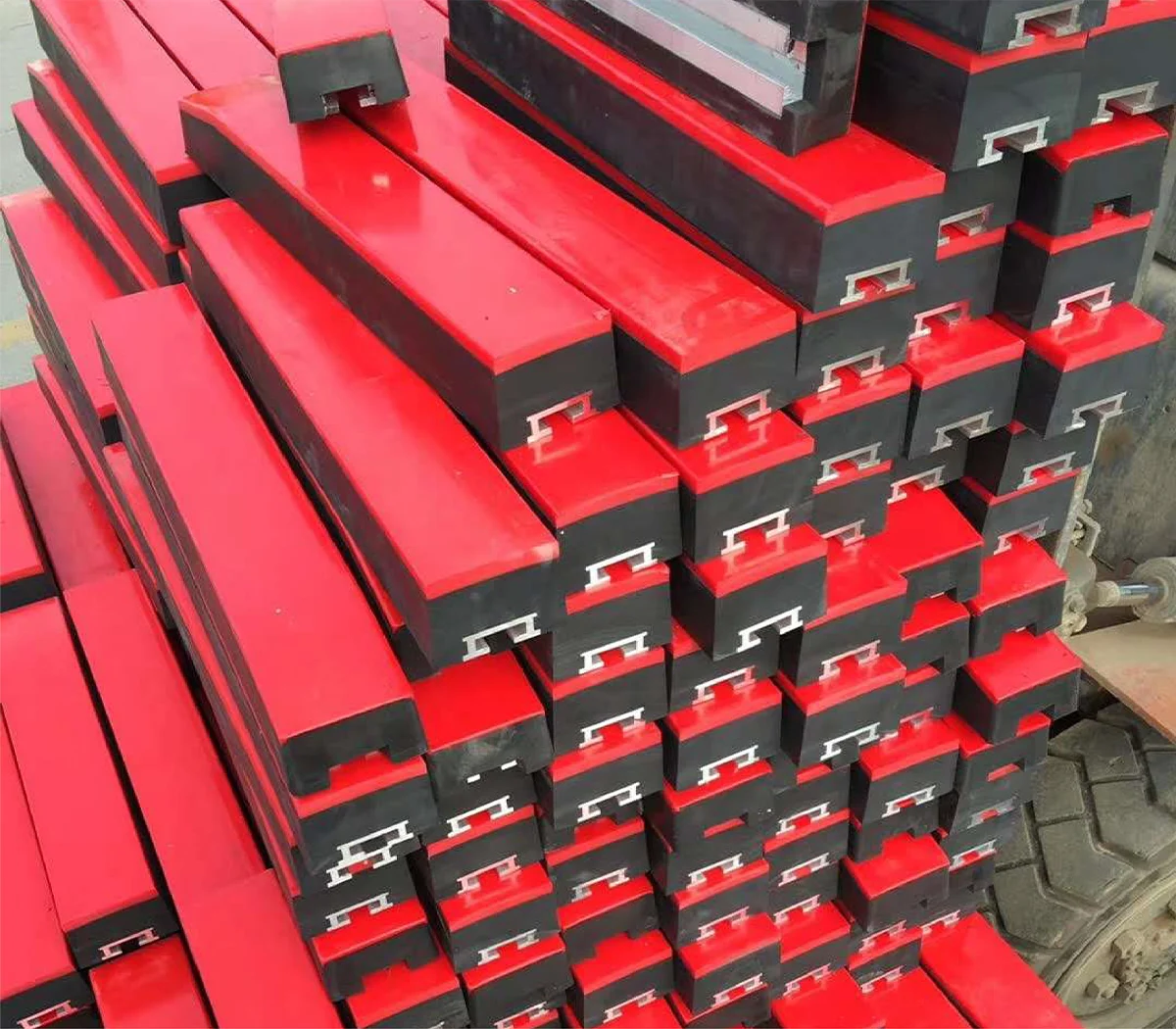
Impact bars, also called conveyor impact bars or impact bed bars, sit right at your conveyor’s loading point. When bulk material drops onto the belt, these bars take the brunt of that heavy fall force. Many sites run into belt rips, gouges and early wear purely from repeated material impact, and that’s exactly what this component solves.
You will commonly find them on coal mines, aggregate yards, cement facilities and bulk-material transfer stations.
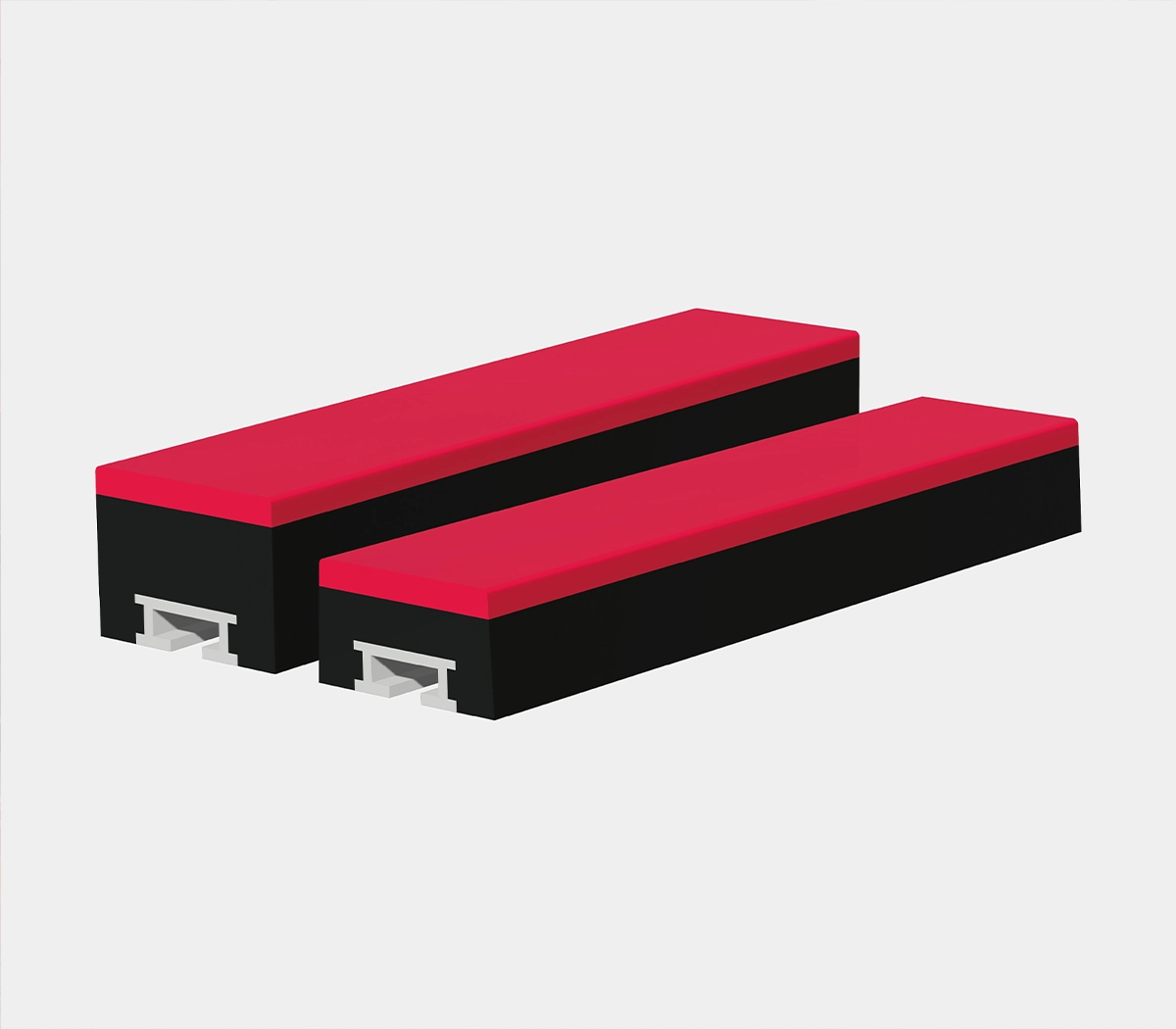
This bar uses a three-piece composite build:
UHMW polyurethane top surface, high-elastic rubber body plus metal carcass base.
Instead of simple glue-bond assembly, all layers go through one-shot integral vulcanization.
This manufacturing method stops layers from peeling apart under continuous heavy load, delivering stable performance out in the field and longer service life.
Key Advantages
Surface Layer – UHMW Polyurethane Top
We use ultra-high-molecular-weight polyurethane for the top working surface. It delivers low friction so your conveyor belt slides smoothly across the bar.
Field-proven buffer and wear resistance stand up to constant bulk material rubbing. It absorbs heavy impact from falling material and cuts down shock transferred straight to your conveyor belt.
It also handles tough site conditions well: repels water, resists material sticking, and holds up against mild chemical exposure. Wet, sticky coal dust or light chemical splashes won’t easily stick on or erode the bar surface.
Highly Elastic Rubber Body
The rubber core boasts strong tear resistance, critical for repeated shock cycles at loading zones. Good tensile strength and solid elongation at break let the rubber deform under impact and bounce back. It won’t stay permanently crushed even after countless material hits.
Metal Carcass Base
We supply two base options: steel carcass and aluminum alloy carcass. Custom anti-corrosion steel carcass is available for sites with corrosive atmosphere. The rigid metal base fastens the whole bar firmly onto impact bed frames, preventing shifting during daily operation.
Production Process
UHMW wear layer, elastic rubber body and metal carcass are vulcanized together as one unit. A lot of cheap competing impact bars only glue layers together. Those products tend to delamination quickly under heavy impact. Our integrated vulcanized structure avoids that common failure, keeps consistent performance and extends service life.
Real-World Operational Benefits
- Soaks up falling-material impact, protects conveyor belts from cuts, punctures and impact-related damage
- Helps cut down material spillage at loading points, less loose bulk material scattered around transfer stations
- Slows down local belt wear at loading sections, so your conveyor belt can stay in service much longer
- Cuts down unexpected downtime caused by belt damage, supporting higher overall conveying output
- Reduces spare-part replacement frequency and lowers your on-site maintenance labour cost
Model Selection Guide
QMH-LD-0 General Impact Bar
Best fit for bulk materials carrying high-sulfur content, coal mine conveying is the typical use case. Custom anti-corrosion steel carcass copes well with corrosive working environments.
QMH-LD-A General Impact Bar
All-round model that works for most bulk-material conveying conditions. Its curved arc surface paired with special shock-absorbing rubber gives running conveyor belts maximum buffer protection.
Specification
| Specifications | Length | Width | Thickness | Wear layer width |
| QMH-LD-0 | <2000mm
Customizable |
Top 100mmBottom 95mm | 55mm | 12.5mm |
| QMH-LD-A | <2000mm
Customizable |
Top 100mmBottom 95mm | 75mm | 12.5mm |
| Polyethylene performance parameters | |
| Tensile strength | ≥20Mpa |
| Average molecular weight | ≥350 ten thousand |
| Coefficient of friction | ≤0.15μ |
| Abrasion | ≤90mm3 |
| Density | 0.1±0.05g/cm³ |
| Rubber Performance Parameters | |
| Tensile strength | ≥12Mpa |
| Elongation at break | ≥350% |
| Hardness | 60±5 SHORE A |
| Abrasion | ≤250mm3 |
Where These Impact Bars Are Used
Our conveyor impact bars install at almost all bulk-material loading points. Typical working sites include:
- Surface and underground coal mines
- Gravel, stone and aggregate crushing plants
- Cement production lines
- Mineral ore processing facilities
- Port bulk-cargo transfer terminals
- Power plant raw-coal conveying systems
Quick tip: If you run high-drop heavy-duty loading points, send over your actual site data: drop height, material density, belt speed and material composition. Our technical team will help you lock in the right impact bar model.
FAQ
Q: What makes impact bar better than impact rollers?
A: Impact rollers often jam or fail when dealing with wet, sticky bulk material. Impact bars create a continuous buffer surface for the belt. There are no rotating parts to get stuck, failure rates go down, and you get much better spillage control around loading zones.
Q: Can I get impact bars made to my custom sizes?
A: Yes. Standard finished length stays under 2000 mm. We can adjust bar length, swap carcass material for corrosion or special environment needs. Just share your dimensions or drawings with our sales team.
Q: How many impact bars do I need for one loading station?
A: There is no fixed number. It depends on your belt width, material drop height and actual handling capacity. Normally multiple bars sit side-by-side to fully cover the whole loading zone. Send your conveyor parameters, we can give practical layout suggestions.
Q: Will the UHMW top layer scratch my conveyor belt?
A: The UHMW surface features low friction. When your conveyor runs normally, sliding over these bars will not scratch belt covers. Most belt scratch issues come from bad installation: uneven bar height or protruding fasteners.
Order & Customization Notes
Got special needs for carcass material, dimensions or special-environment adaptation? Share your site operating conditions with us. Our engineering team will work out suitable impact bar solutions matching your conveyor setup.
Products
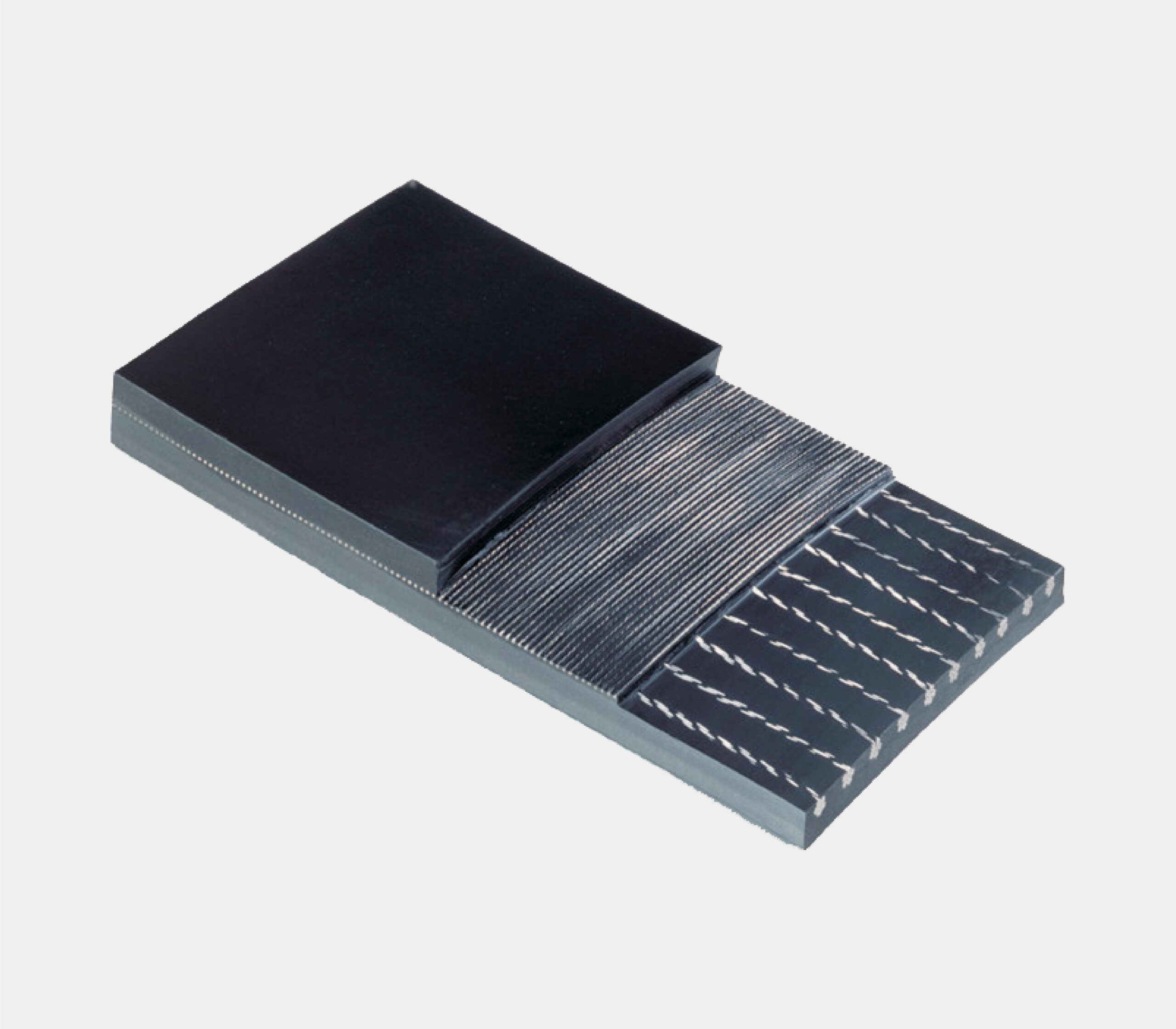
Base belt
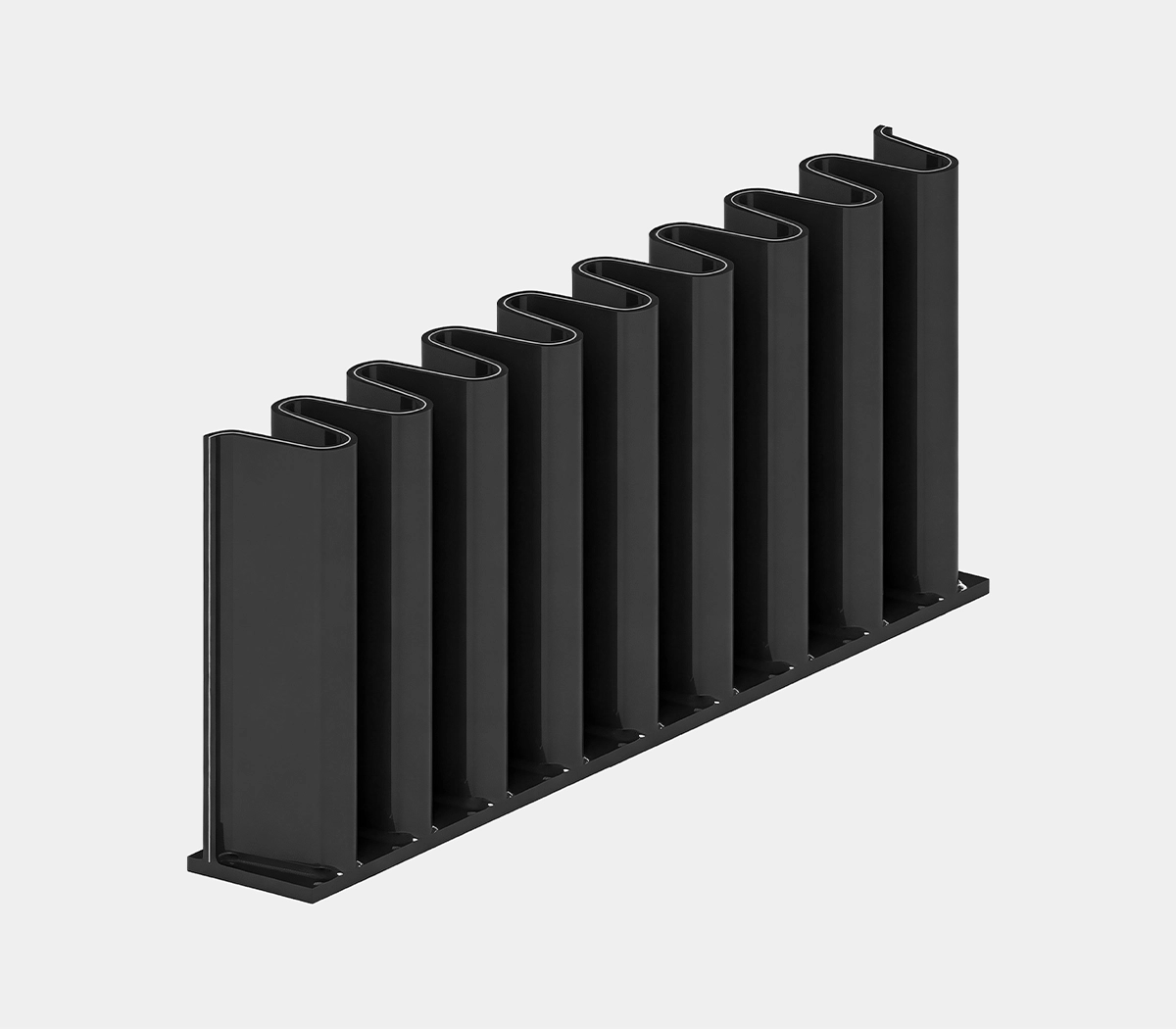
Sidewall
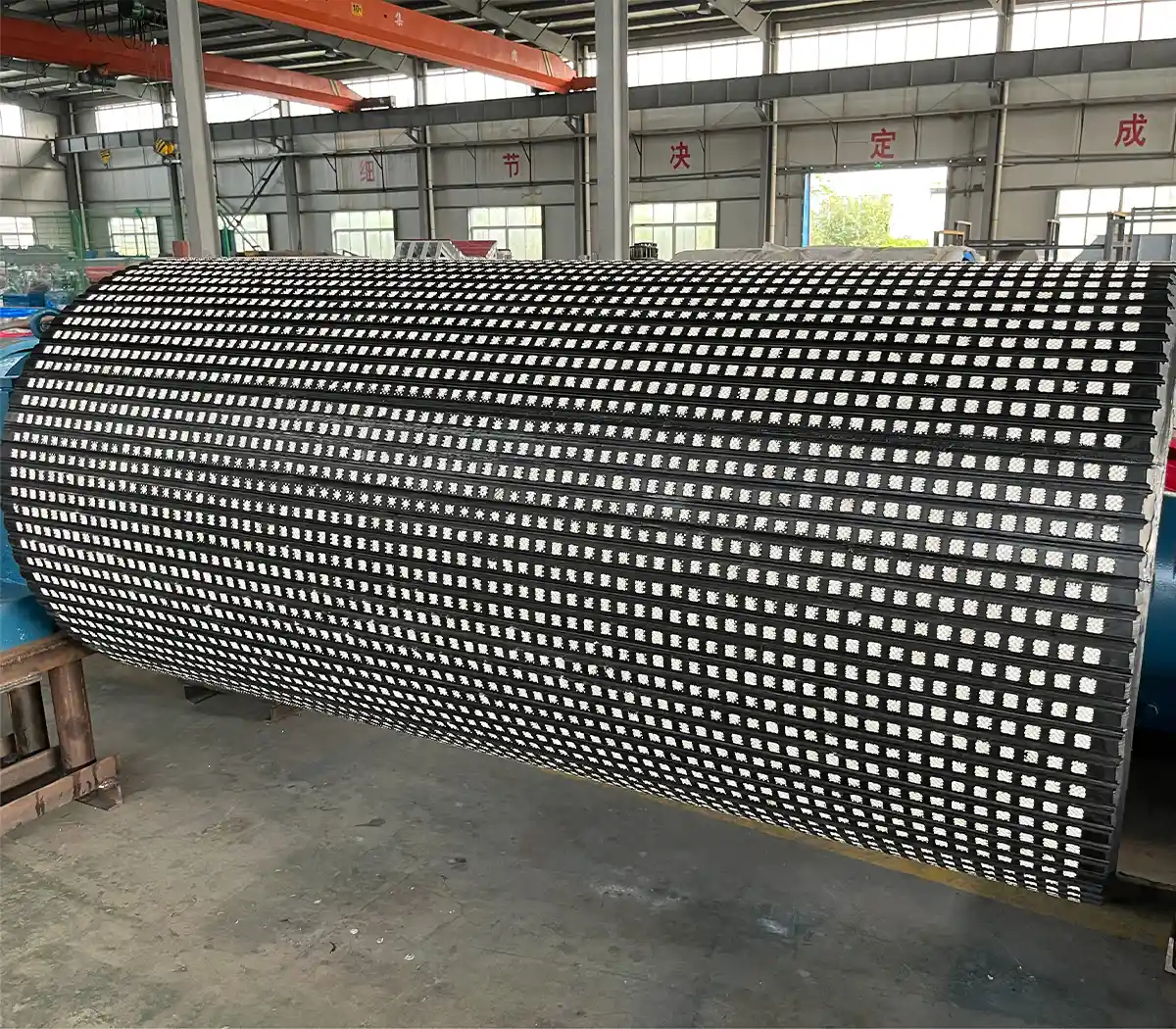
Pulley Lagging
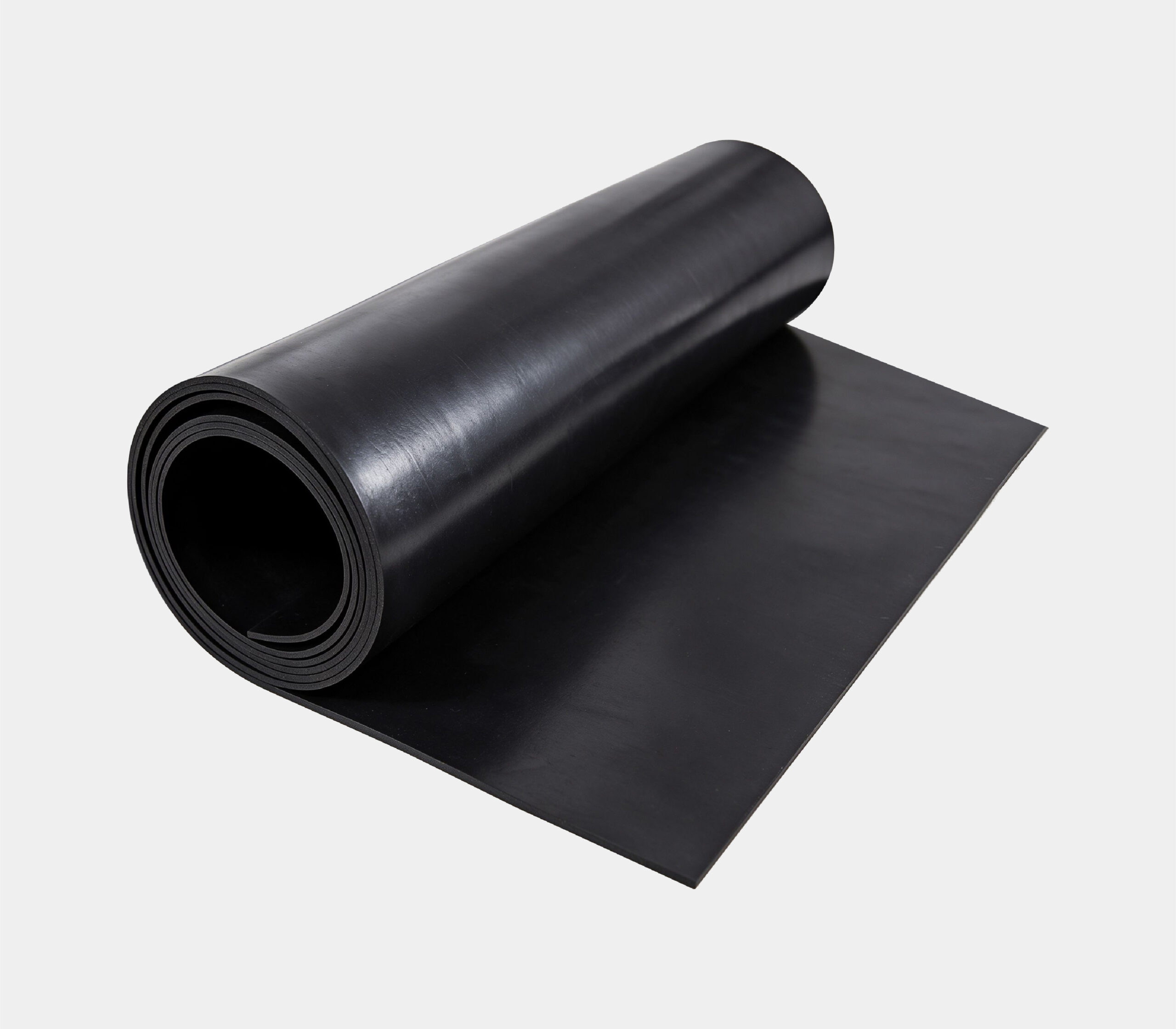
Rubber Wear Lining
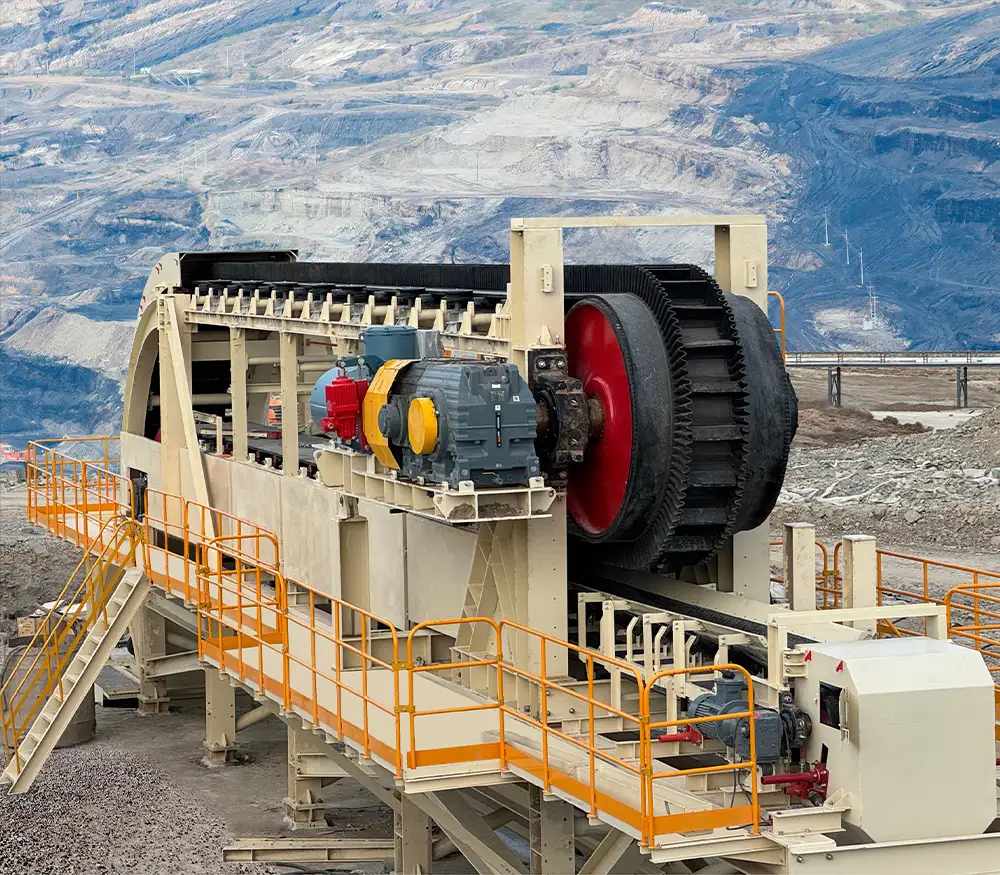
Sidewall Conveyor Belt
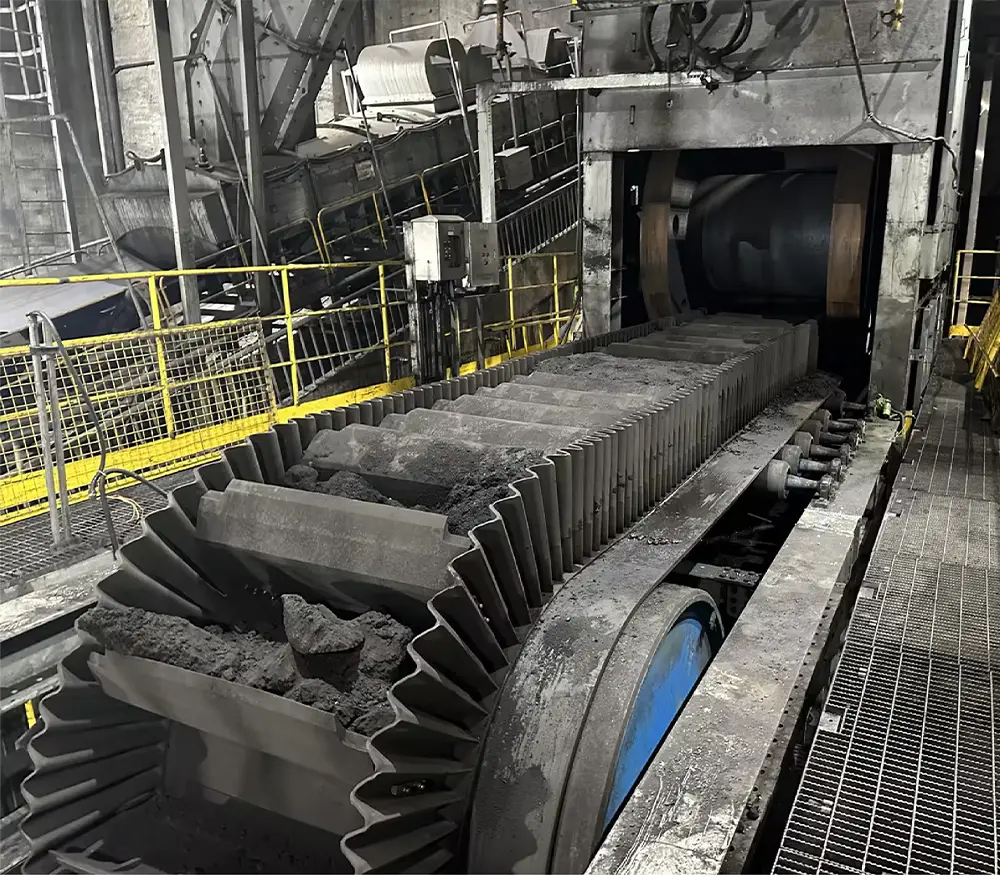
EPDM High Temperature Sidewall Conveyor Belt
Recent news
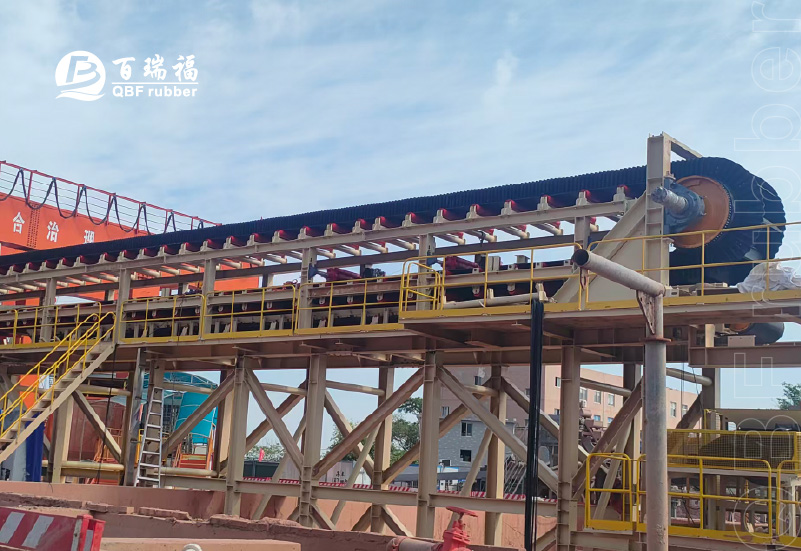
Tunnel Shield Project | QBF rubber Anti-stick Sidewall Conveyor Belt Installation Service Delivered
Oct 20, 2026
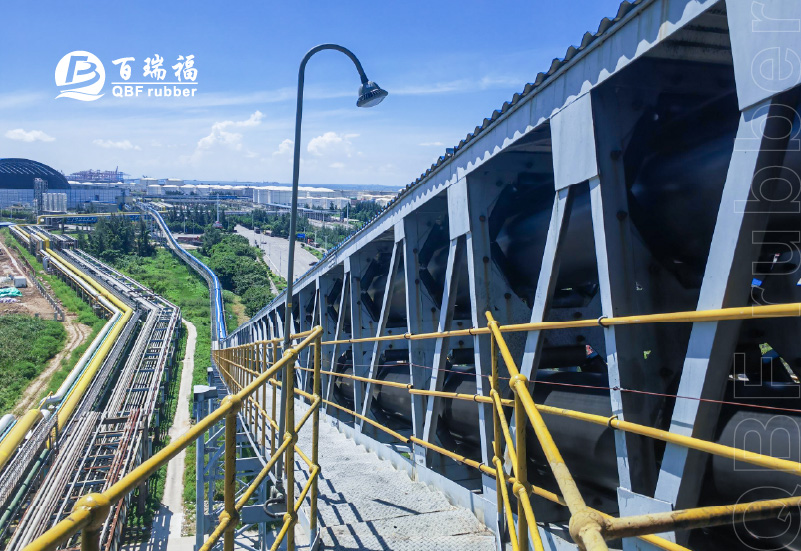
Pipe Belt Conveyor Full Service Solution | Huayi Group Project Case
Oct 16, 2026
Sidewall Conveyor Belt Sagging Solutions: QBF rubber Free Zone Base Belt Design Extends Service Life by 30%
Sep 18, 2026
See Latest Service