Aramid Conveyor Belt
Lighter than steel cord belts by about 30% at equal strength, it reduces drive power. Its low rolling resistance back rubber cuts indentation rolling resistance. Both features deliver around 10% power saving for the whole conveyor system.
-
Description
Product Overview
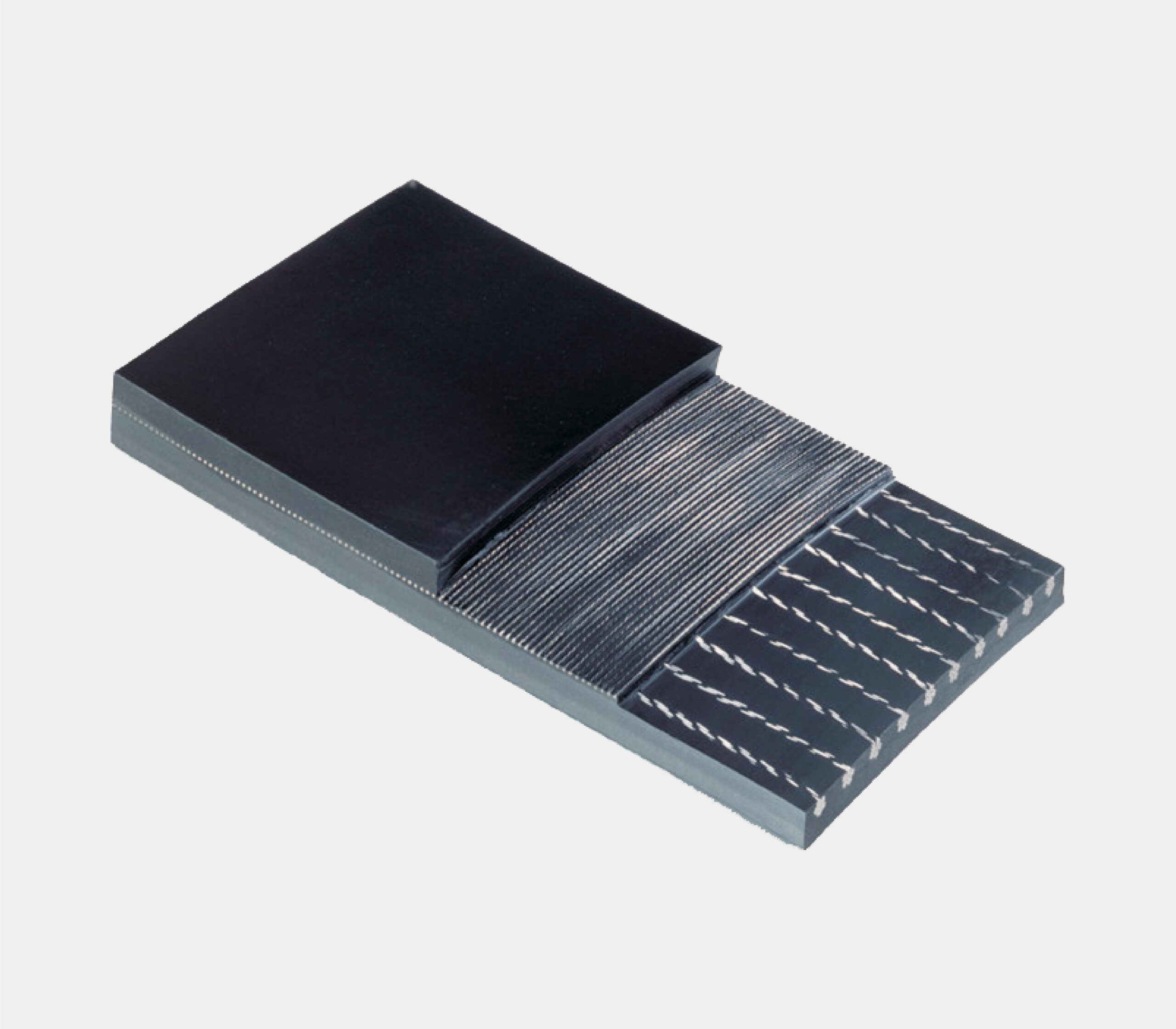
For bulk material facilities aiming to lower running costs, heavy belt weight and high power consumption are key headaches for plant managers. Our aramid conveyor belt features an aramid fibre reinforcing carcass embedded in rubber. It serves continuous heavy duty transport for mines, port yards, steel mills and chemical plants.
Built around real world energy efficiency instead of strength alone, it achieves energy savings via two core designs. For one thing, aramid fibre cuts belt weight significantly. With equal tensile strength, it is around 30 % lighter than steel cord belts, reducing drive power needs and saving roughly 10 % electricity. Besides, low rolling resistance rubber on the non carrying side lowers indentation rolling resistance against idlers. Combined, these two designs generate clear energy savings for your full conveyor system.
Key Features & Benefits
High Tensile Strength with Low Elongation
Aramid fibre reaches 3.6 GPa tensile strength, 5 6 times stronger than high grade steel. It offers 20% higher breaking strength than steel cord belts, with low 2.5% 4.5% breaking elongation, far better than polyester or nylon belts.
For long distance high volume conveying, low stretch cuts frequent re tension work and downtime. Our DPP series only has 0.5% elongation at 10% rated load for stable continuous operation.
Light Weight Build Delivers Proven Energy Savings
At 1.44 g/cm³, aramid is 1/5 the density of steel. Belts are 30 40% lighter than equal strength steel cord belts, lowering loads on motors, idlers and pulleys.
System power consumption drops 10 20%. For 24/7 operations, significant annual electricity savings are achieved, depending on belt length and runtime.
High Temperature Resistance & Flame Retardant Options
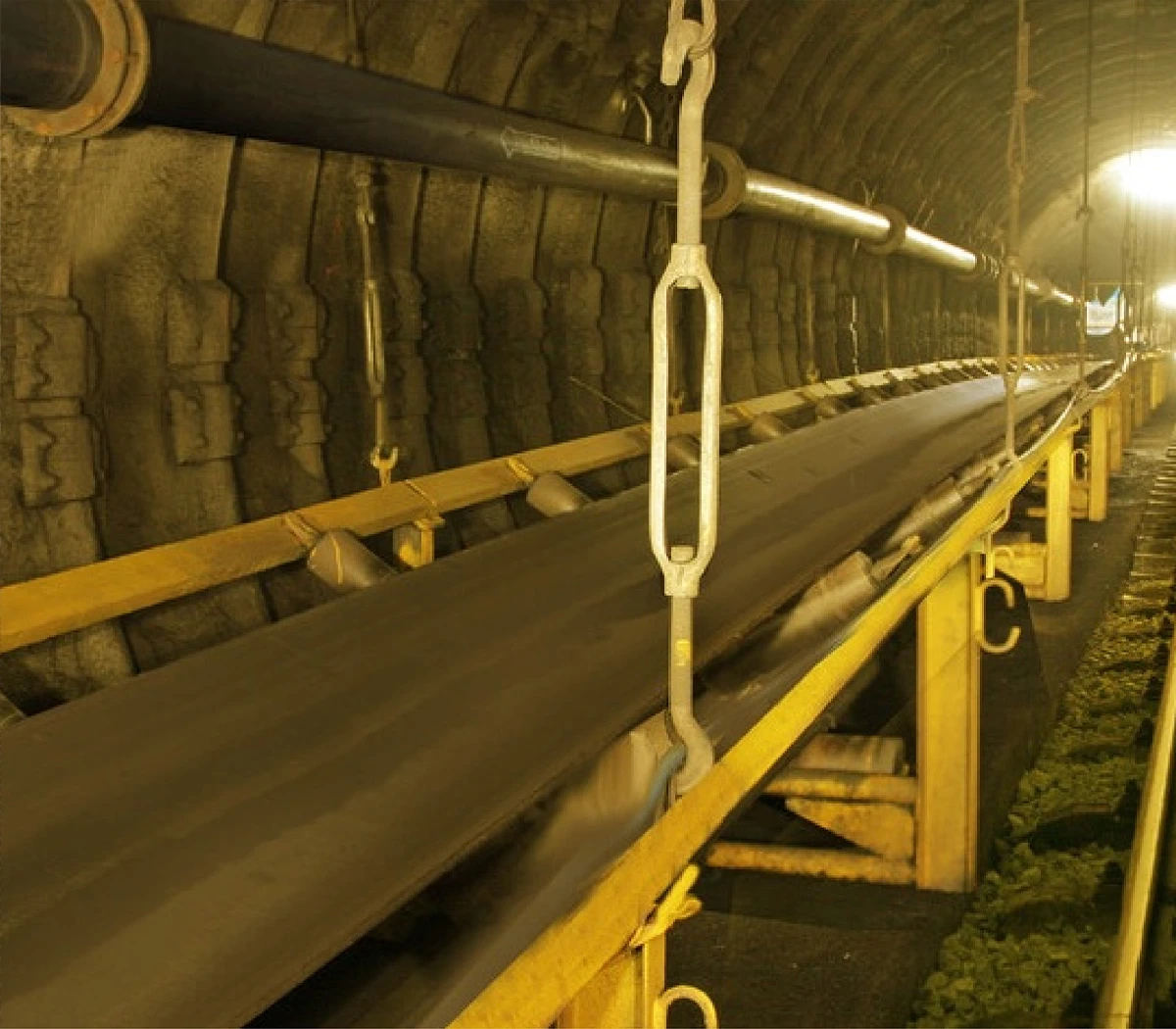
Aramid fibre decomposes above 500 °C and runs continuously up to 300 °C, perfect for hot coke, slag and high temp ore transport.
Our Kᵃ flame retardant cover meets safety standards with ≥30% oxygen index, fit for underground coal mines and fire risk zones.
Good Corrosion Resistance & Impact Resistant Carcass
Unlike rust prone steel cords, aramid fibre resists moisture, acid and alkali, preventing internal strength loss in harsh environments.
Its tight straight warp straight weave carcass disperses impact force against heavy lumps, resisting punctures and reducing unplanned repairs. Choose H/D grade rubber for sharp ore and rock.
Improved Flexibility & Trough ability
Around 30% thinner than traditional heavy duty belts, aramid belts fit idlers closely and support smaller drive pulleys (down from 630 mm to 500 mm) for new builds or retrofits.
At 25° incline, field results show 23.8% higher conveying efficiency and 21.9% lower energy use for steep angle bulk handling.
Long Service Life, Low Cost Routine Maintenance
Field proven service life hits 4 6 years: 2 3 times fabric core belts and over 1.5 times steel cord belts.
Only visual checks for rubber wear, edge and joint damage are required; no rust inspection for inner carcass. Maintenance costs reduce by over 60%. Match cover rubber grade to your material abrasion for longer service life.
Technical Specifications
| Specification | Minimum Longitudinal Tensile Strength (N/mm) | Elongation at 10% Load | Cover Rubber Standard | Belt Thickness (mm) | Belt Weight (kg/m²) |
| DPP800 | 800 | 0.5 | 6+2 | 11.5 | 11.0 |
| DPP1000 | 1000 | 0.5 | 6+2 | 11.5 | 11.1 |
| DPP1250 | 1250 | 0.5 | 6+2 | 11.6 | 11.3 |
| DPP1600 | 1600 | 0.5 | 6+3 | 12.0 | 12.9 |
| DPP1800 | 1800 | 0.5 | 6+3 | 12.3 | 13.1 |
| DPP2000 | 2000 | 0.5 | 8+3 | 14.5 | 15.9 |
| DPP2250 | 2250 | 0.5 | 8+3 | 14.5 | 16.1 |
| DPP2500 | 2500 | 0.5 | 8+3 | 14.6 | 16.3 |
| DPP3150 | 3150 | 0.5 | 8+3 | 16.3 | 17.0 |
Note: 0.5% elongation under 10 percent working load means barely any stretch during regular running. Site teams will not need frequent belt retension work. Markings like “6+2” mean 6 mm top cover rubber and 2 mm bottom cover rubber. We produce custom belt widths matched to your actual project requirements.
Cover Rubber Grades (ISO 15236 2016)
| Grade Type | Tensile Strength (ISO 37) MPa | Elongation at Break (ISO 37) % | Abrasion Loss (ISO 4649) mm³ |
| H | 24 | 450 | 120 |
| D | 18 | 400 | 100 |
| L | 15 | 350 | 200 |
| Kᵃ | 15 | 350 | 200 |
Note: Kᵃ grade is general purpose flame retardant and anti static rubber. It complies with ISO 340 and ISO 284 standards.
- H Grade: Heavy wear compound, best for sharp, highly abrasive bulk solids
- D Grade: Work horse heavy duty grade widely used in mines and port bulk handling
- L Grade: Standard option for materials with low abrasiveness
- Kᵃ Grade: Built for underground sites, delivers flame retardant plus anti static performance
Typical Application Scenarios
- Open pit & underground mining: ore, coal and rock bulk haulage
- Port bulk terminals: loading and unloading grain, mineral and coal
- Steel industry: hot slag, coke and sinter material transport
- Chemical plants: handling corrosive bulk solids
- High capacity, long distance inclined conveying systems
Why Choose Aramid Reinforced Conveyor Belt
Aramid conveyor belt combines light weight, high tensile strength, heat resistance and corrosion resistance in one belt product. It fixes many well known drawbacks found on traditional belts: heavy self weight, high power consumption, rust related failures, short working cycles and high maintenance workload. It is a practical upgrade solution for industrial sites chasing higher efficiency, real energy savings and longer equipment life.
FAQ
Q1: How does aramid conveyor belt stack up against steel cord belt on total project cost?
A: Per metre purchase cost for aramid belt is higher up front. That said, many operators see good returns over time. You get lower motor load, reduced electricity bills, fewer production stops, longer service cycles and much less maintenance work. For lines running non stop, total cost of ownership often works out more favourable long term.
Q2: Can I swap my existing steel cord belt for aramid without changing equipment?
A: Direct replacement works in most installations. Thanks to better flexibility and smaller minimum pulley size, aramid belts fit most existing idler and pulley layouts. Even so, send over your conveyor parameters: pulley dimensions, belt width, tension requirements and inclination angle. Our team will review before you place an order. Special working conditions might need minor adjustments to hardware.
Q3: Which cover rubber grade fits my material?
A: H grade is for highly abrasive, sharp lump materials. D grade is the popular all round choice for mine and port heavy duty work. L grade works well for low abrasion bulk goods. Select Kᵃ grade if you need flame retardant and anti static performance for underground sites.
Q4: Is flame retardant aramid conveyor belt okay for underground coal mine operation?
A: Yes. Our Kᵃ cover flame retardant variant passes relevant safety approvals with oxygen index ≥30%. It satisfies flame resistant and anti static requirements for underground coal mine conveying. Make sure you mention underground operating conditions in your enquiry so we configure the right rubber compound.
Q5: What continuous temperature can the aramid belt cope with?
A: Standard specification handles continuous material temperature up to 300 °C. Short term peak contact temperature can go higher. Still, prolonged exposure above 300 °C speeds up ageing of outer rubber covers. Tell us your actual material temperature range and we will match a suitable cover rubber formulation.
Products
Base belt
Sidewall
Pulley Lagging
Rubber Wear Lining
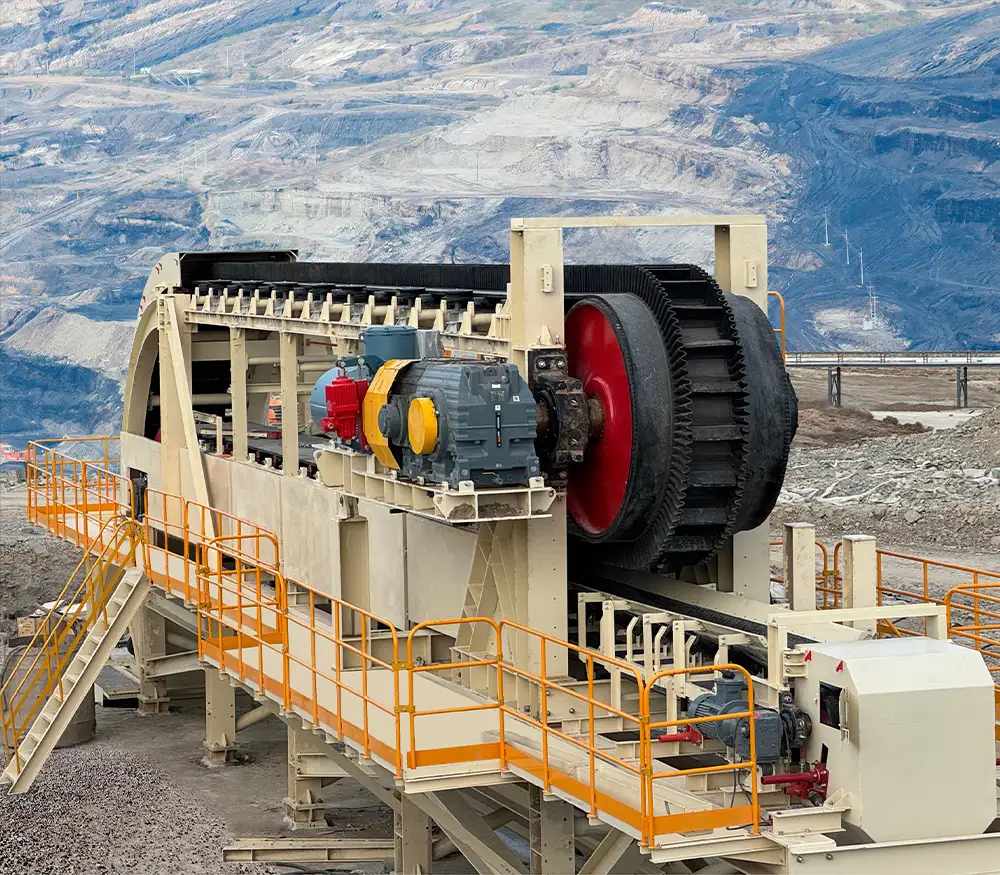
Sidewall Conveyor Belt
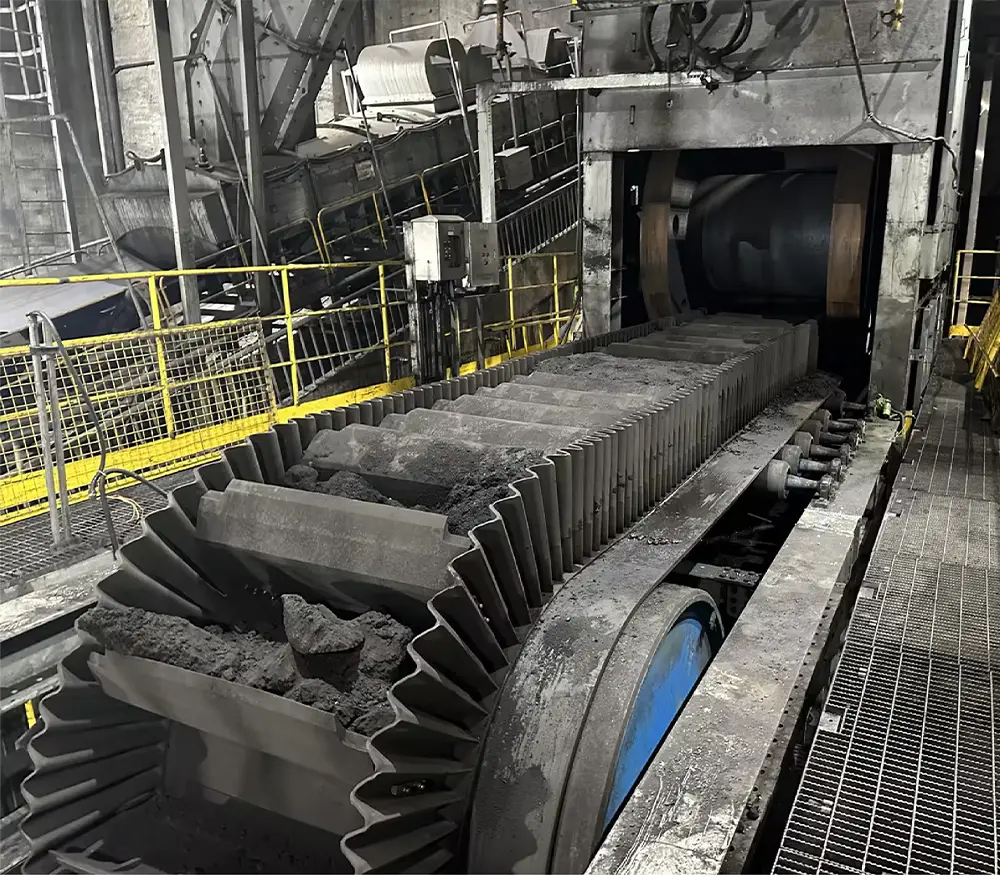
EPDM High Temperature Sidewall Conveyor Belt
Recent news
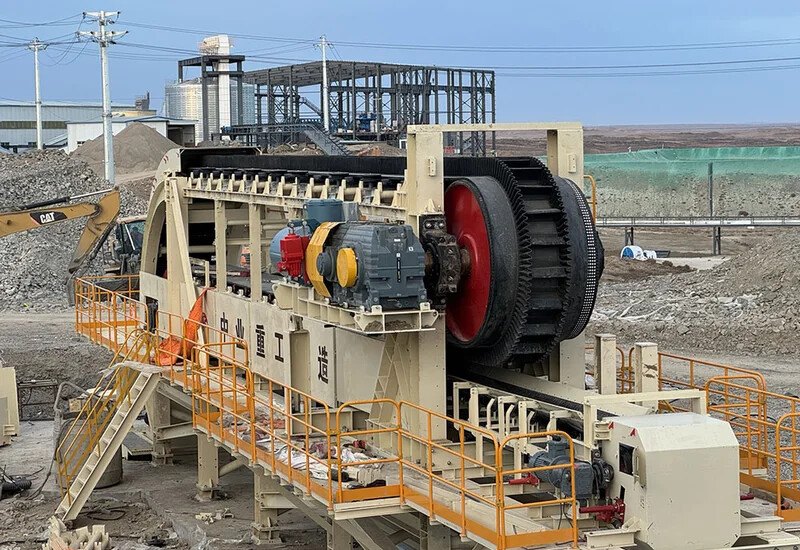
How Does a Sidewall Conveyor Belt Work?
Nov 19, 2026
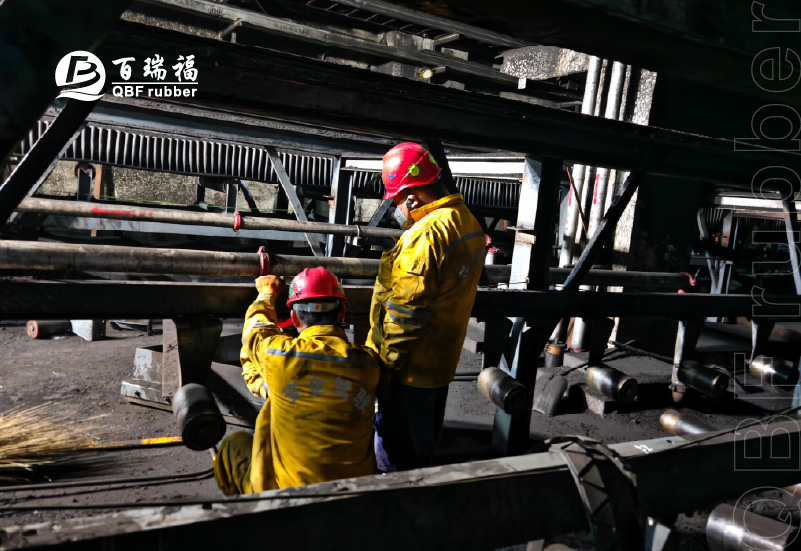
Sidewall Conveyor Belt Retrofit Enters Installation at Coal Chemical Plant
Nov 20, 2026
What Is a Sidewall Conveyor Belt and When Should You Use One?
Nov 12, 2026
See Latest Service