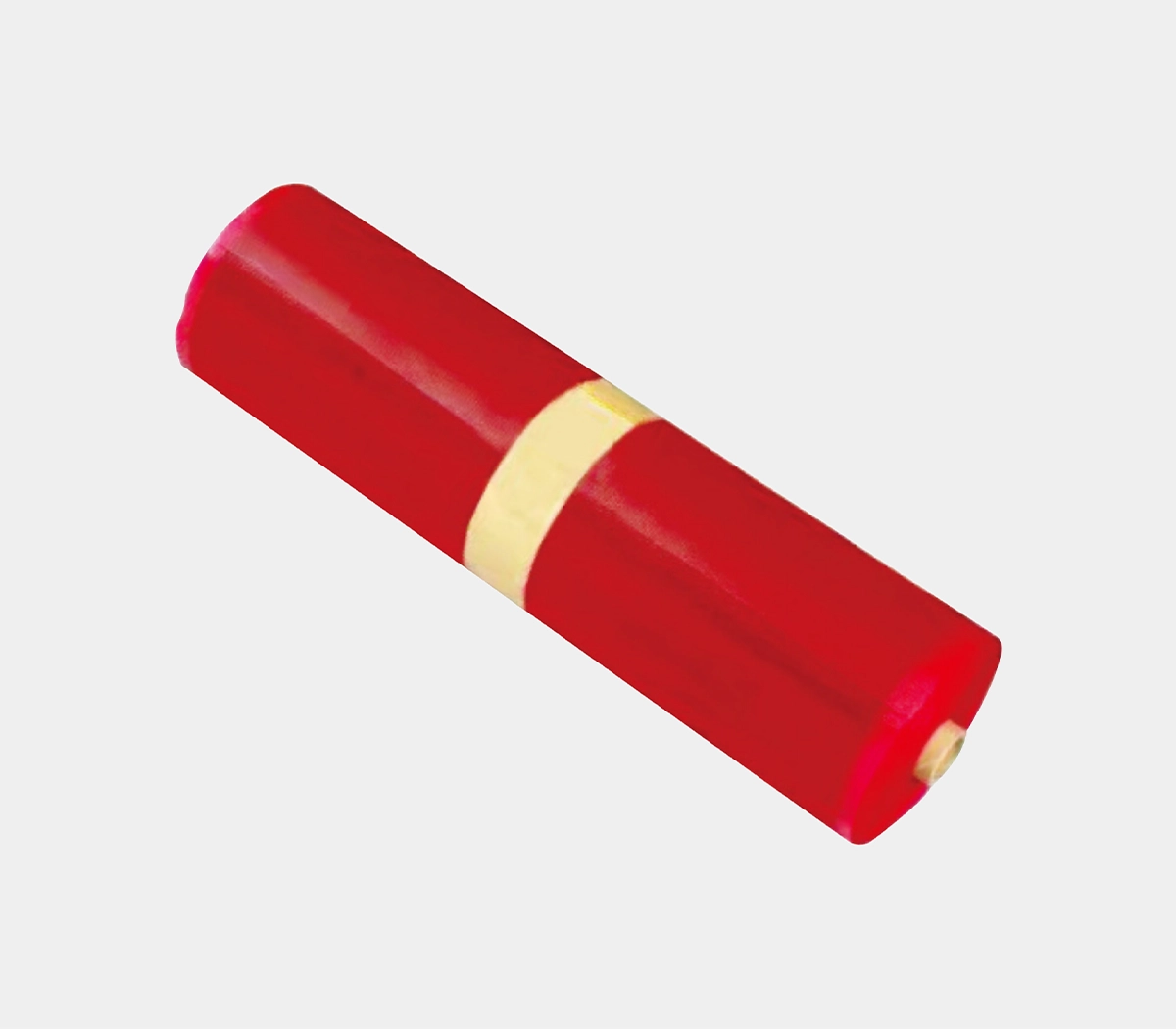
Conveyor Belt Tie Gum
-
Description
Product Overview
Conveyor belt tie gum, also called intermediate rubber, is a core uncured rubber material for hot vulcanized conveyor belt splicing and on site repair jobs. It locks different belt layers tightly together after vulcanization, lifts joint bonding strength, boosts the whole belt tensile performance, and stops steel cords from pulling out under heavy load.
Workshops and field maintenance teams widely pick this tie gum for mining, cement plant, power station and bulk material handling sites. It fits belts from different factories, no strict brand matching requirement for most regular belt models.
Key Features
- Joints hold up well under high temperature working conditions
- Works for both steel cord conveyor belts and fabric core conveyor belts
- Compatible with conveyor belts from various manufacturers
- Good rubber flow with built in defoaming agents; fewer air bubbles form during hot press vulcanization
- Still completes valid vulcanization if power cuts happen, as long as pressure stays maintained
- 24 month shelf life under proper cool dry storage
Main Application
This tie gum is made for hot vulcanized splicing and field repairs. It suits steel cord belts and multi ply fabric conveyor belts.
Completed splice joints can stand instant peak temperature near 180°C. That makes it a solid choice when you bond belts carrying hot bulk materials.
Common use scenarios:
- New belt loop hot splicing
- Damaged joint re splicing on running conveyor system
- On site emergency vulcanization repair
Product Specifications
Available stock sizes:
- 8 mm × 500 mm
- 2 mm × 500 mm
Custom thickness or roll width can be arranged upon request.
FAQ
Q1: Can I use this tie gum for cold splicing work?
A: No. This is hot vulcanization intermediate tie gum. It needs heat press and stable pressure to get full curing performance. It is not designed for cold splice applications.
Q2: What storage rules should I follow for tie gum?
A: Keep rolls in cool, dry and shaded warehouse. Avoid direct sunlight and high heat environment. Seal original packing after partial use, to slow down premature rubber aging. Shelf life counts 24 months under correct storage.
Q3: Does it fit all steel cord conveyor belts?
A: It works for most standard steel cord and fabric belts from different makers. For special high strength or special formula belts, share your belt technical data so we can double check compatibility.
Q4: What happens if power fails mid vulcanization?
A: Keep pressure unchanged on the vulcanizer. Once power resumes, continue the vulcanizing cycle. The tie gum can still achieve acceptable joint bonding result. Do not release pressure during power interruption.
Q5: Which industries use this tie gum most?
A: Mining, aggregate quarry, cement mill, thermal power plant, port bulk handling terminals. These sites heavily rely on hot vulcanization for reliable conveyor belt joints.
Products

Sidewall Conveyor Belt

Pocket Type Conveyor Belt
It handles ultra high lift, high throughput tasks beyond conventional high angle sidewall belts, realizing stable continuous bulk material transportation.

Rope-track Sidewall Conveyor Belt

Bucket Elevator Conveyor Belt
They deliver low elongation, high throughput and stable operation with easy maintenance, helping operators reduce downtime from belt failures and frequent replacements.

Pipe Conveyor Belt
Supporting sharp horizontal and vertical bends, it meets strict environmental requirements and helps plants remove redundant transfer points, favored by operators troubled by on site dust and leakage issues.

Chevron Conveyor Belt
Various chevron patterns are available for different slope demands. Widely used in mining, farming, construction and recycling, it maintains stable performance under harsh on site working conditions.
Recent news

Sidewall Conveyor Belt Sagging Solutions: QBF rubber Free Zone Base Belt Design Extends Service Life by 30%
Sep 18, 2026

QBF Rubber Anti-stick Sidewall Belting Helps Shenzhen Tunnel Construction
Sep 18, 2026

Mining Vertical Lifting System Solution: Tackling Continuous Conveying Challenges for Deep-Mine Operations
Sep 17, 2026
See Latest Service





