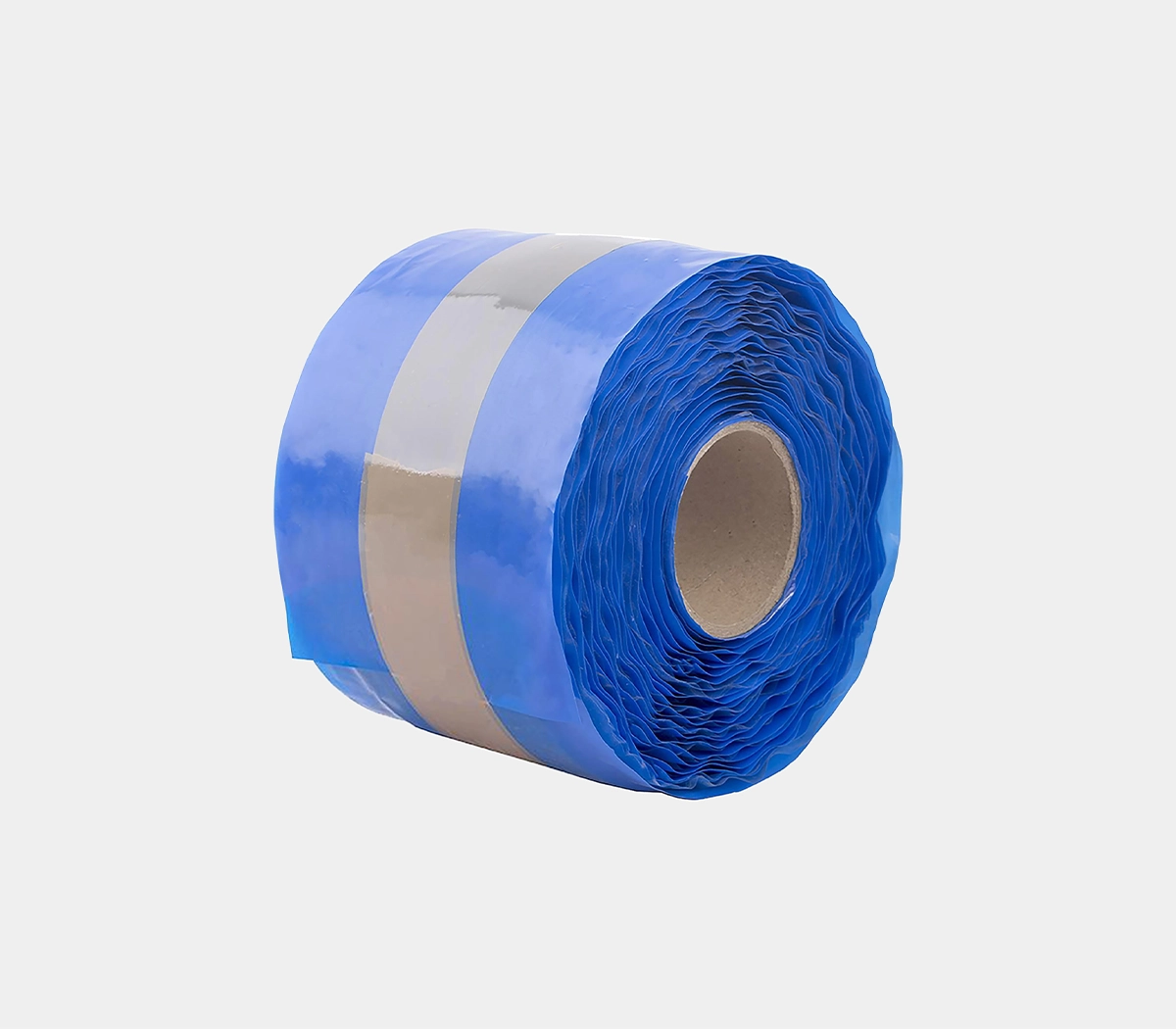
Conveyor Belt Fast Repair Sheet
-
Description
Product Overview
Conveyor Belt Fast Repair Sheet is a practical on site repair material designed for quick fixes to damaged conveyor belts. It cuts down long downtime caused by belt scratches, rips and structural failures. No complex heavy vulcanizing gear is required for most field repair jobs, helping facilities bring belts back to working condition in short time.
Key Features
- Built in CN layer and back vulcanized layer, delivers solid tensile resistance, great wear performance and reliable heat tolerance for continuous running belts
- Flexible sheet form, easy to cut on site to match different damage sizes
- Good bonding performance, fits most common rubber conveyor belt surfaces
- Two main styles cover light scratch repair and heavy duty tear reconstruction
- Works for indoor workshop and outdoor site conditions, adapts to regular material conveying scenarios
Product Applications
Standard Repair Strip Variant
Best choice for long shallow scratches along conveyor belts. It covers surface abrasion and lengthy groove damage, restores belt surface integrity to stop scratch expansion before it turns into big failure. Widely used on mine, aggregate, grain handling conveyor lines.
Reinforced Repair Strip Variant
Made for heavy damage including belt tears, gap cuts and partial structural breakage. Adds extra strength for stress bearing sections of belts. Suitable for mining, cement plant, port bulk material conveying belts suffering impact damage.
Specifications
Custom sizes available upon request. Contact our sales team for exact dimension options for your belt width and repair depth requirement.
Standard Repair Sheet:100*10000mm/150*10000mm/220*10000mm/300*10000mm/400*10000mm
Reinforced Repair Sheet:
100*10000mm+/150*10000mm+/220*10000mm+/300*10000mm+/400*10000mm+
FAQ
Q1: Do I need full hot vulcanization when using this fast repair sheet?
For surface scratch fixes, proper surface preparation can finish repair without full hot vulcanization. For large structural tears, auxiliary vulcanizing treatment will extend repair service life significantly.
Q2: What belt types can this repair sheet work on?
It fits most rubber based conveyor belts. Fabric core belts are the most common matching type. Please share your belt material and working temperature if you are not sure about compatibility.
Q3: Can it fix through and through belt rips?
The reinforced repair strip handles partial through rips. If the belt has huge missing sections or core layer total breakage, full belt splicing is still the proper solution.
Q4: How should I prep belt surface before applying repair sheet?
Clean away dust, debris and greasy dirt completely. Polish damaged area to get rough clean rubber surface. Moist or oily surface will weaken bonding effect.
Q5: What is the working temperature range for the repaired section?
Matches general rubber conveyor belt working environment. High temperature continuous over limit operation will shorten repair lifetime.
Products

Sidewall Conveyor Belt

Pocket Type Conveyor Belt
It handles ultra high lift, high throughput tasks beyond conventional high angle sidewall belts, realizing stable continuous bulk material transportation.

Rope-track Sidewall Conveyor Belt

Bucket Elevator Conveyor Belt
They deliver low elongation, high throughput and stable operation with easy maintenance, helping operators reduce downtime from belt failures and frequent replacements.

Pipe Conveyor Belt
Supporting sharp horizontal and vertical bends, it meets strict environmental requirements and helps plants remove redundant transfer points, favored by operators troubled by on site dust and leakage issues.

Chevron Conveyor Belt
Various chevron patterns are available for different slope demands. Widely used in mining, farming, construction and recycling, it maintains stable performance under harsh on site working conditions.
Recent news

Sidewall Conveyor Belt Sagging Solutions: QBF rubber Free Zone Base Belt Design Extends Service Life by 30%
Sep 18, 2026

QBF Rubber Anti-stick Sidewall Belting Helps Shenzhen Tunnel Construction
Sep 18, 2026

Mining Vertical Lifting System Solution: Tackling Continuous Conveying Challenges for Deep-Mine Operations
Sep 17, 2026
See Latest Service





