Straight Warp Conveyor Belt
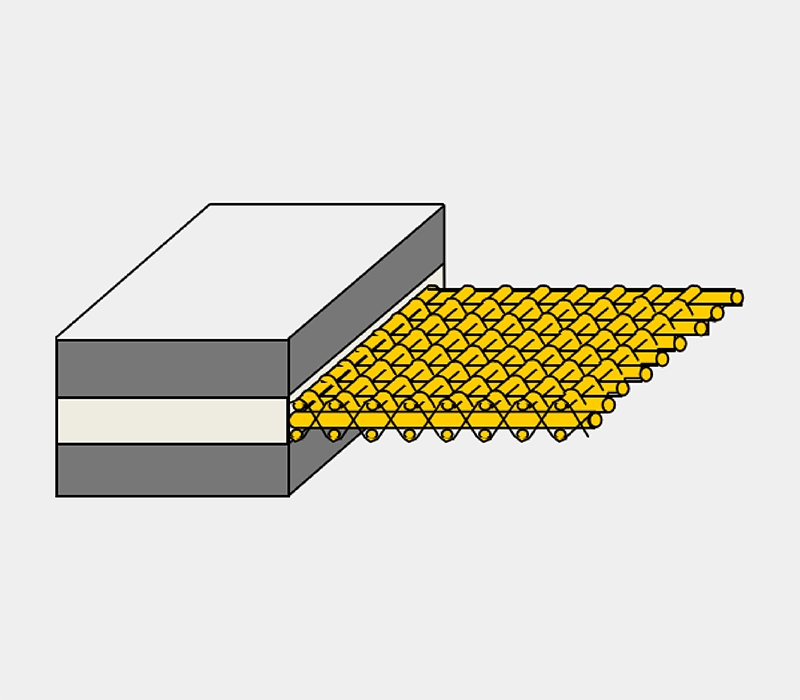
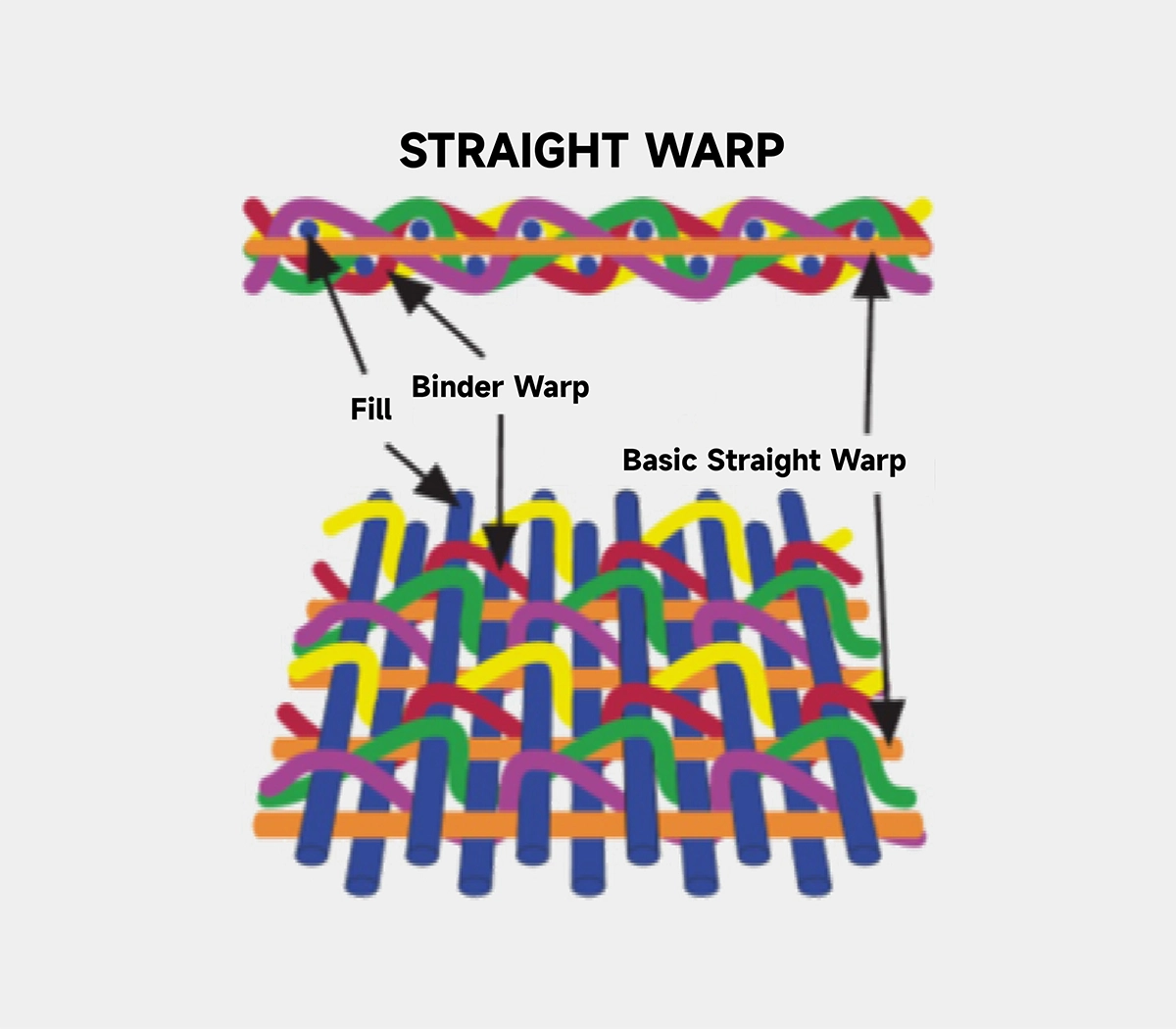
Unlike EP/NN belts losing strength from weaving shrinkage, SW belts adopt minimally interlaced straight warp & straight weft canvas. It eliminates most fabric shrinkage to realize full fiber strength; merely one or two SW plies can substitute multiple conventional EP or NN canvas layers.
-
Description
Straight Warp Conveyor Belt – SW “Soft Steel Cable” Conveyor Belting
If you are hunting for a high strength textile conveyor belt that stays thin and handles heavy impact, our straight warp conveyor belt (also known as SW conveyor belt or soft steel cable belt) is worth your consideration.
Most standard EP and NN belts use tightly interlaced fabric carcass. Weaving shrinkage eats away a fair amount of fiber strength, meaning you need multiple fabric plies to hit required tension ratings.
SW belts work differently. Its straight warp, straight weft canvas keeps warp and weft threads running nearly straight, with minimal interlacing. Fabric shrinkage gets largely removed, so fibers deliver almost their full native strength in real world operation. One or two SW fabric plies can replace several layers of conventional EP or NN canvas.
How We Build SW Conveyor Belts
Everything starts with the special straight warp weft carcass fabric, made from heavy denier industrial fibers. We bond durable rubber compound onto both sides of the SW canvas to finish the belt. No extra stacked fabric layers needed.
Because fewer plies are used, finished belts come out thinner. Single rolls can run up to 400 500 meters long. Fewer field splices are required for long conveyor lines.
Where SW Conveyor Belts Get Used
Customers pick SW straight warp belts for tough working environments: high drop heights, heavy payloads and fast belt speeds. Common industries include:
- Mining (open pit & underground): coal, ore, rock transport
- Port terminals: bulk mineral, aggregate and grain loading unloading
- Power plants: coal feeding and ash handling
- Metallurgical sites: sinter, ore and slag conveyance
- Cement works: clinker, raw meal and crushed aggregate
This belt fits projects where you want high tensile performance without going for overly thick, heavy belting.
Standard Single Ply Strength Ratings for SW Canvas
- SW400: ≥400 N/mm
- SW630: ≥630 N/mm
- SW800: ≥800 N/mm
- SW1000: ≥1000 N/mm
- SW1250: ≥1250 N/mm
We do custom builds as well. Cover rubber can be adjusted for abrasion resistant, heat resistant or oil resistant grades. Belt width, top / bottom cover thickness can all be tailored to match your site conditions.
Real World Benefits On Site
- Thinner, lighter belt body
Belt thickness reduces 7% 17% compared with multi ply textile belts of equal rating. At the same tensile strength, SW belt weighs 10% 20% less. Less total weight eases load on your idlers, rollers and drive motors, cutting down power draw and component wear.
- High strength, low working elongation:
Thanks to high denier fiber and straight thread layout, the belt holds tension well. You will not need frequent re tension adjustments during daily running.
- Better impact absorption
Lump falls and heavy material shocks happen all the time in mines and quarries. SW carcass soaks up impact much better than EP or NN belts. Less internal damage means longer service life under rough feed conditions.
- Flexible with good trough formation:
It bends easily around small diameter pulleys. The belt maintains a stable trough shape while running, helping stop material spillage and fits compact conveyor setups.
FAQ
Q1:Is SW belt a direct swap for EP conveyor belt?
Not always 1:1 swap. EP belts use nterwoven polyester nylon fabric with noticeable weave shrinkage. SW’s straight thread design makes better use of fiber strength, so you reach the same strength with fewer plies. It is thinner, lighter and absorbs impact better. SW makes more sense when you face regular large lump impact or have limited pulley space. Send over your conveyor data and we can confirm fitment.
Q2:Can SW soft steel cable belt fully replace steel cord conveyor belt?
People call it “soft steel cable”, but it remains a textile carcass belt. It performs great for medium to high tension applications. For ultra high tension, extremely long distance conveying, steel cord belts are still the better option.
Q3:What do I need to know for SW belt splicing?
Do not copy hot vulcanization splicing parameters directly from EP or NN belts. SW straight warp carcass has its own structural traits. Always follow our recommended splicing specs. Poor splices will become the weakest point on your whole conveyor line.
Q4:Can I get a non standard custom SW belt?
Yes. We offer custom width, cover thickness and special rubber compounds. To get an accurate quote, share with us: conveyor belt width, required SW strength grade, cover thickness, material being conveyed, lump size, drop height, belt speed, working temperature and total required length. Let us know if you have roll size limits for container transport.
Things To Prepare Before Sending Inquiry
To help us give you fast, correct product suggestions, please provide key project details:
- Required belt width
- Strength grade (SW400 / SW630 / SW800 / SW1000 / SW1250)
- Top and bottom rubber cover thickness
- Site conditions: conveyed material, lump size, material drop height, running speed, working temperature
- Total belt length, roll constraints for shipping if any
Products

Sidewall Conveyor Belt

Pocket Type Conveyor Belt
It handles ultra high lift, high throughput tasks beyond conventional high angle sidewall belts, realizing stable continuous bulk material transportation.

Rope-track Sidewall Conveyor Belt

Bucket Elevator Conveyor Belt
They deliver low elongation, high throughput and stable operation with easy maintenance, helping operators reduce downtime from belt failures and frequent replacements.

Pipe Conveyor Belt
Supporting sharp horizontal and vertical bends, it meets strict environmental requirements and helps plants remove redundant transfer points, favored by operators troubled by on site dust and leakage issues.

Chevron Conveyor Belt
Various chevron patterns are available for different slope demands. Widely used in mining, farming, construction and recycling, it maintains stable performance under harsh on site working conditions.
Recent news

Sidewall Conveyor Belt Sagging Solutions: QBF rubber Free Zone Base Belt Design Extends Service Life by 30%
Sep 18, 2026

QBF Rubber Anti-stick Sidewall Belting Helps Shenzhen Tunnel Construction
Sep 18, 2026

Mining Vertical Lifting System Solution: Tackling Continuous Conveying Challenges for Deep-Mine Operations
Sep 17, 2026
See Latest Service





