-
Description
Product Overview
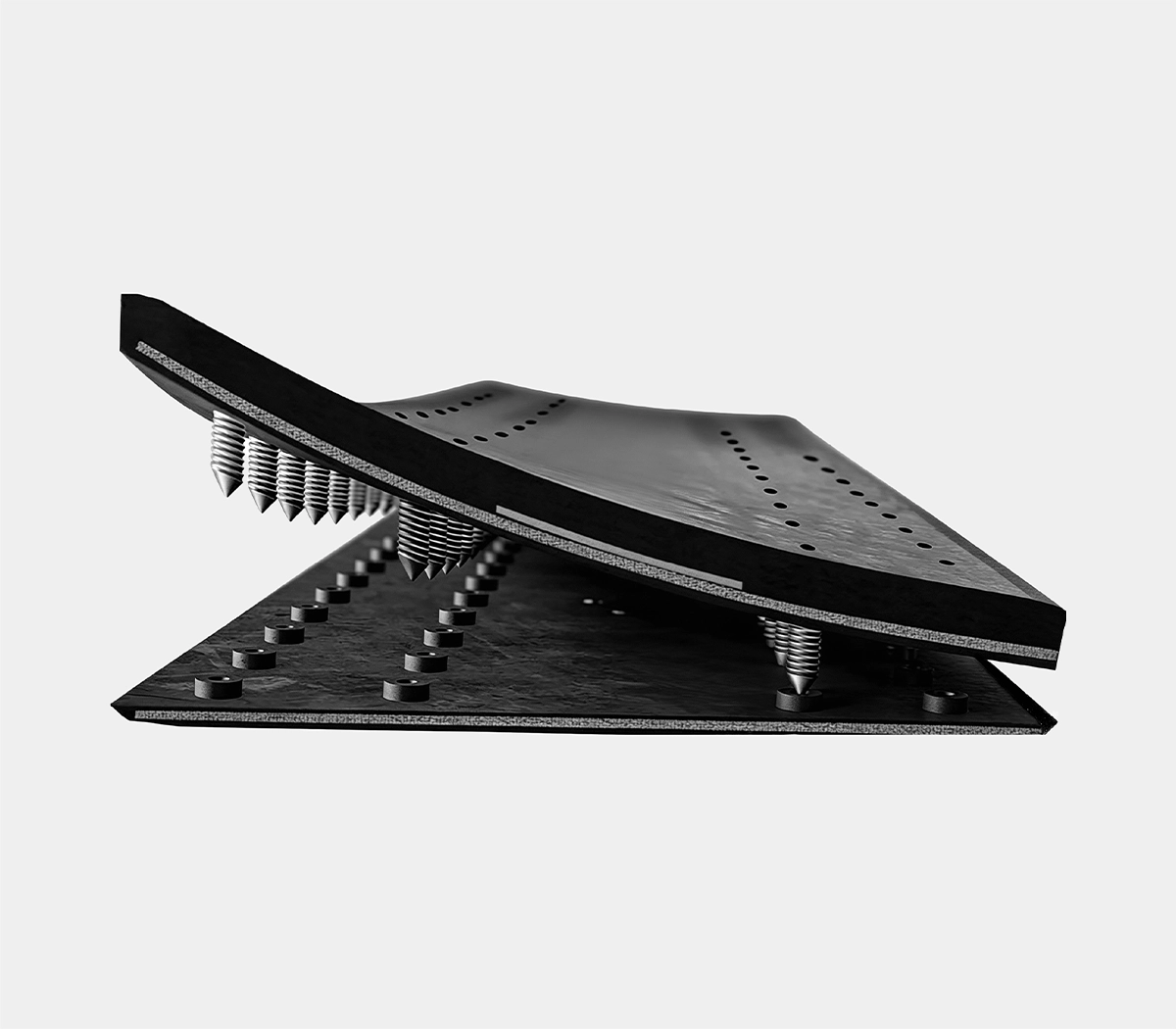
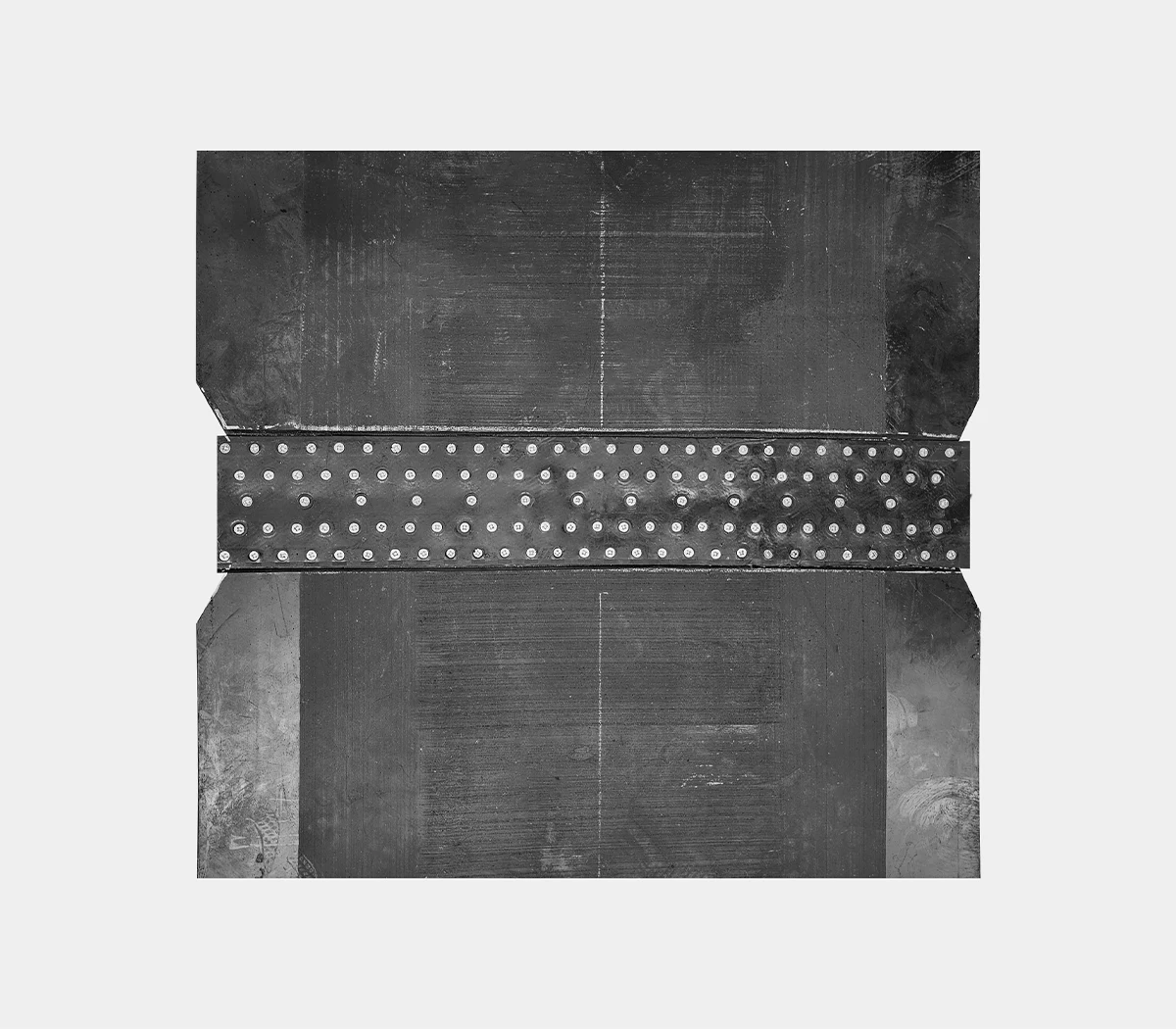
QMH fast screw serves as a practical onsite solution for conveyor belt repair and belt splicing, widely used as an alternative to hot vulcanized splicing and patch work.
Mining, quarry, aggregate and material handling sites often face sudden belt damage: longitudinal tears, deep gouges, through holes, or local rubber loss. Traditional hot vulcanization calls for heavy vulcanizing presses, dry weather conditions and skilled crews, which can stretch downtime for hours or even daysdocumentli…. The QMH fast screw gets around these limits. You carry lightweight parts to the spot, finish repair or splice within roughly 2 hours, and bring your conveyor back online fast to cut production losses.
This fast screw system works across most common conveyor belt types, handles different belt thickness, and fits tight or hard to reach spaces where big vulcanizing gear cannot be set up.
Key Features
- Fits multiple belt thickness ranges. Works for nylon, polyester, PVC / PVG, chevron patterned belts, pipe belts, sidewall corrugated belts and steel cord conveyor belts.
- Repairs many common belt defects: long scratches, rips, full through holes, and areas with missing rubber cover.
- No vulcanizing machine or heating equipment required. Standard power drill is enough for field assembly.
- Fast onsite work: most repair or splice jobs wrap up within about 2 hours, minimising plant downtime and lost output.
- Low site requirements. Works under rain, snow, frost or icy conditions where hot vulcanisation cannot proceed properly.
- Needs little working space. Suitable for narrow tunnel, underground and confined conveyor layouts.
- Good overall mechanical performance: high tensile strength, cut resistant, retains rubber elasticity. Offers wear, heat, acid alkali and oil resistance. Custom build available for special working conditions.
- One piece integrated structure. No hinged joints. Prevents material spillage at the repair zone.
- Works well with standard belt rollers and belt scrapers / cleaners, no frequent scraper damage.
Selection Guidance
| Item | H400Belt Strength ≤ 400N | H650Belt Strength ≤ 650N | H1000Belt Strength ≤ 1000N | H1400Belt Strength ≤ 1400N | H2000Belt Strength ≤ 2000N |
| Carcass Thickness mm | 2-10 | 2-10 | 4-16 | 4-16 | 4-16 |
| Belt Strength N/mm | 500 | 650 | 1000 | 1400 | 1800 |
| Min. Pulley Dia. mm | 150 | 150 | 200 | 300 | 300 |
| Belt Availability | EP400 / EP500 | EP500 / EP650 | EP800 / EP1000 | EP1200 / EP1400 | EP1600 / EP1800 / EP2000 |
Match your fast screw setup according to real belt parameters on site:
- Screw length is determined by your actual conveyor belt thickness.
- Rubber compound should match your belt property: wear resistant, heat resistant, or acid alkali resistant grade as needed.
- Splicing length rule:
- For belt strength 600 N/mm: splicing length equals conveyor belt width.
- General reference: conveyor belt width ×1.06 = recommended splicing length.
- Custom screw length options are available for special belt specifications.
Tip: Always double check belt thickness and tension rating before ordering.Wrong size will shorten joint service life.
Typical Application Scenarios
Emergency belt repair, new belt onsite splicing, underground mine conveyors, quarry crushing lines, port bulk material handling, cement plant conveying systems.
FAQ
Q1: Do I need professional vulcanization technicians to install this fast screw?
No. Operators with basic mechanical skills can complete installation. You only need standard hand tools or cordless drills. Read through installation steps before starting onsite work.
Q2: Can it be installed in wet or rainy outdoor sites?
Yes. Unlike hot vulcanization which needs dry, stable ambient conditions, this fast screw system is not affected by rain, snow or frost. You can run emergency repair work even under poor weather.
Q3: What kind of belt damage can this product fix? Are there limits?
It handles large scratches, longitudinal tears, puncture holes and partial rubber loss. For belt carcass with massive fabric or steel cord failure, evaluate on site; full belt replacement may still be required.
Q4: Does the fast screw joint interfere with belt cleaners and rollers?
The integrated smooth design avoids protruding hinge parts. It is compatible with most standard rollers and belt scrapers. Still check scraper pressure after installation for long term running.
Q5: How long does one installation normally take?
Under proper site preparation, most splicing or major repair work finishes within around 2 hours. Actual time varies by belt width and damage size.
Q6: Can I get custom sizes for special belts?
Yes. We support custom screw length and special rubber formula for high temperature, oil soaked or heavy chemical exposure conditions. Send over your belt specs for quotation.
Q7: How does it compare against hot vulcanized splice?
Hot vulcanization gives maximum joint strength but demands heavy equipment, dry environment and long downtime. Fast screw trades minor joint strength loss for fast, flexible onsite repair, ideal for emergency fixes and sites with limited working space.
Products

Sidewall Conveyor Belt

Pocket Type Conveyor Belt
It handles ultra high lift, high throughput tasks beyond conventional high angle sidewall belts, realizing stable continuous bulk material transportation.

Rope-track Sidewall Conveyor Belt

Bucket Elevator Conveyor Belt
They deliver low elongation, high throughput and stable operation with easy maintenance, helping operators reduce downtime from belt failures and frequent replacements.

Pipe Conveyor Belt
Supporting sharp horizontal and vertical bends, it meets strict environmental requirements and helps plants remove redundant transfer points, favored by operators troubled by on site dust and leakage issues.

Chevron Conveyor Belt
Various chevron patterns are available for different slope demands. Widely used in mining, farming, construction and recycling, it maintains stable performance under harsh on site working conditions.
Recent news

Sidewall Conveyor Belt Sagging Solutions: QBF rubber Free Zone Base Belt Design Extends Service Life by 30%
Sep 18, 2026

QBF Rubber Anti-stick Sidewall Belting Helps Shenzhen Tunnel Construction
Sep 18, 2026

Mining Vertical Lifting System Solution: Tackling Continuous Conveying Challenges for Deep-Mine Operations
Sep 17, 2026
See Latest Service





