Rubber Wear Lining
-
description
Product Overview
Rubber wear lining (also known as rubber wear liner, mill rubber lining, anti-wear rubber liner) is a tough protective rubber layer for industrial equipment interiors. It effectively resists abrasion, heavy impact and corrosion, protecting equipment surfaces that endure constant material friction and particle collision in heavy industries.
Unlike rigid steel and plastic liners, our custom rubber wear lining uses premium natural and synthetic rubber blends. Formed through high-temperature and high-pressure vulcanization, it delivers dense elasticity and strong toughness. It solves common equipment issues including shell wear, rust, deformation and short service life caused by long-term material scouring and chemical exposure.
Ideal for ball mills, SAG mills, chutes, hoppers and conveyor transfer points, this industrial rubber lining serves mineral processing, metallurgy, cement, chemical and bulk material handling sectors. It offers reliable, cost-effective anti-wear protection for heavy-duty industrial equipment.
Core Product Features & Advantages
Our rubber wear lining performs reliably in real industrial environments. Every design is practical and condition-oriented, delivering stable anti-wear performance that fits daily production needs.
- Excellent Abrasion & Impact Resistance: High-elastic rubber absorbs sudden heavy impact from ores, stones and bulk materials. It cuts friction loss significantly and lasts 3-5 times longer than ordinary steel liners, with no cracking or deformation under continuous heavy load.
- Superior Corrosion & Aging Resistance: The custom rubber formula withstands weak acid, weak alkali, slurry and humid working conditions. It never rusts like metal liners. Built-in anti-aging additives ensure stable performance for long-term indoor and outdoor operation.
- Noise & Vibration Reduction: Rubber’s natural shock-absorbing and sound-dampening properties lower operating noise and mechanical vibration in mills and chutes. This improves workplace conditions and reduces vibration-related equipment fatigue damage.
- Lightweight & Fast Installation: Much lighter and more flexible than steel liners. We provide one-piece or split designs to match equipment curves and sizes. Installation is quick and simple, saving labor costs and reducing production downtime.
- Low Maintenance Costs: Extremely durable with minimal repair and replacement needs. It avoids frequent shutdowns caused by shell wear and leakage, effectively cutting long-term operational and maintenance expenses.
- Full Customization: We tailor liner thickness, hardness, shape and fixing methods. Flat, curved and special-shaped liners are all available to fit diverse working conditions and equipment structures.
Main Application Scenarios
Rubber wear lining offers reliable interior protection for bulk material processing and conveying equipment. It is widely used across major heavy industrial sectors for anti-wear and anti-corrosion protection.
- Mining Industry: Protects ball mills, SAG mills, ore chutes, hoppers and slurry tanks against continuous ore, rock and slurry impact and friction.
- Cement & Building Materials: Applied in cement mills, raw material silos and clinker conveying systems to reduce wear from gravel, cement raw materials and clinker.
- Metallurgical Industry: Ideal for slurry conveying equipment, sorting tanks and transfer chutes, preventing metal equipment wear and corrosion from metallurgical slurry.
- Port & Bulk Logistics: Installed on conveyor transfer points, unloading hoppers and storage bins to resist abrasion from coal, sand, grain and other bulk materials.
- Chemical Industry: Provides effective anti-wear and anti-corrosion protection for chemical tanks and conveying equipment under mild corrosive working environments.
Product Installation & Maintenance Tips
Proper installation and routine maintenance help maximize the service life of rubber wear liners and keep equipment running stably.
Installation Notes
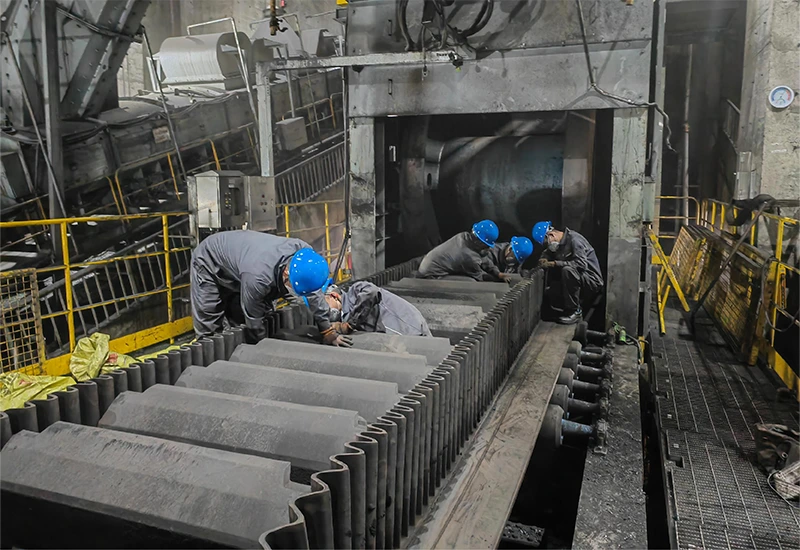
Clean equipment interiors thoroughly before installation to remove dust, rust and oil, ensuring a flat, dry bonding surface. For bolted liners, tighten bolts evenly to avoid uneven stress and deformation. For bonded liners, use dedicated rubber adhesive and install in dry, constant-temperature conditions for firm adhesion.
Daily Maintenance
Check liners regularly for peeling, cracking or excessive wear. Clean residual materials on the liner surface to avoid accelerated abrasion from hardened deposits. Replace heavily worn sections promptly to protect the original equipment base.
FAQ
Below are common customer questions about our rubber wear lining, covering service life, customization, performance and delivery for your quick reference.
Q1: How long is the service life of rubber wear lining?
A: Service life varies by working conditions. Under standard mining and industrial use, our rubber wear lining lasts 2–5 years. We can upgrade rubber formulas for high-impact, high-wear scenarios to extend service life further.
Q2: Can you provide custom-sized rubber wear liners?
A: Yes. We offer full customization. We adjust liner thickness, size, hardness, shape and fixing methods according to your equipment drawings and site conditions, covering both standard and special non-standard liners.
Q3: Is rubber wear lining better than steel liner for mill protection?
A: It depends on your working conditions. For medium and low impact, high-friction environments, rubber liners outperform steel liners with lighter weight, lower noise, better corrosion resistance and lower maintenance costs. For extreme high-impact scenarios, we supply rubber-steel composite liners for balanced performance.
Q4: Does the rubber liner resist acid and alkali corrosion?
A: Our standard liners resist weak acid and weak alkali. For strong corrosive environments, we provide customized anti-corrosion rubber formulas to suit harsh chemical working conditions.
Q5: What is your production and delivery cycle?
A: Standard sizes are in stock and ship within 3–7 working days. Custom orders take 7–15 working days based on quantity and customization complexity. We support bulk orders and fast production.
Q6: Do you provide installation guidance service?
A: Yes. We provide detailed installation manuals and video guides. For large projects, we offer professional on-site technical installation guidance.
Products
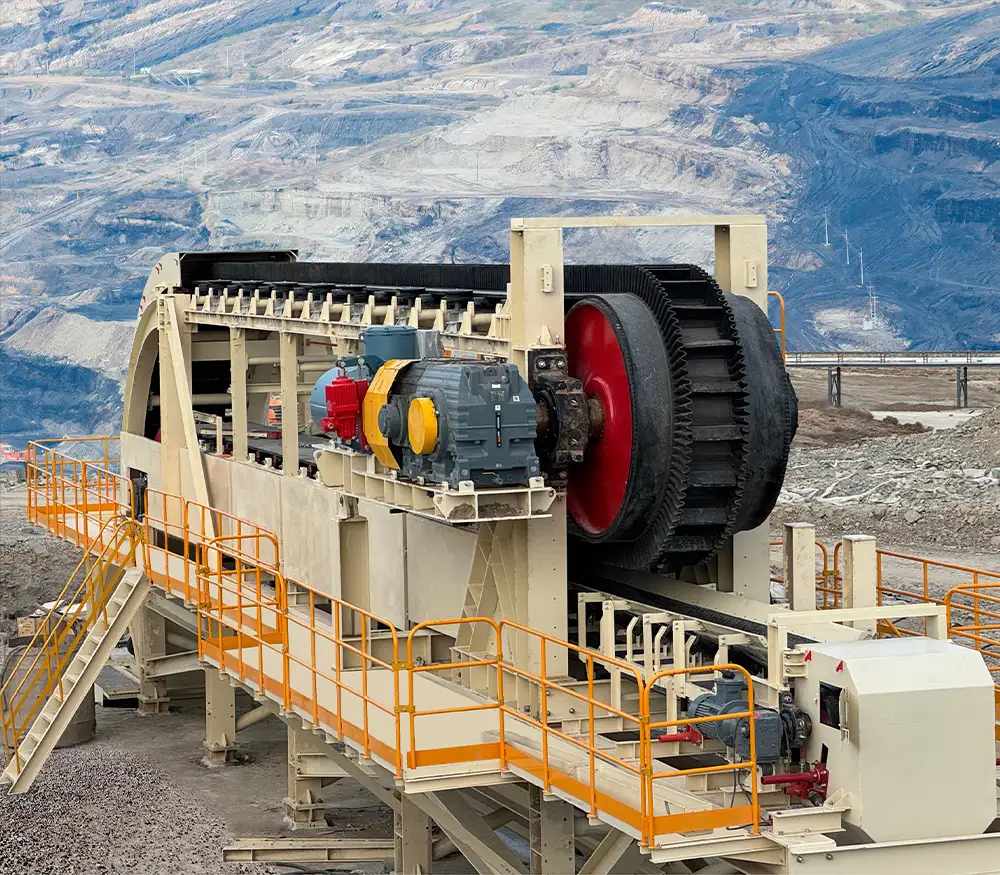
Sidewall Conveyor Belt
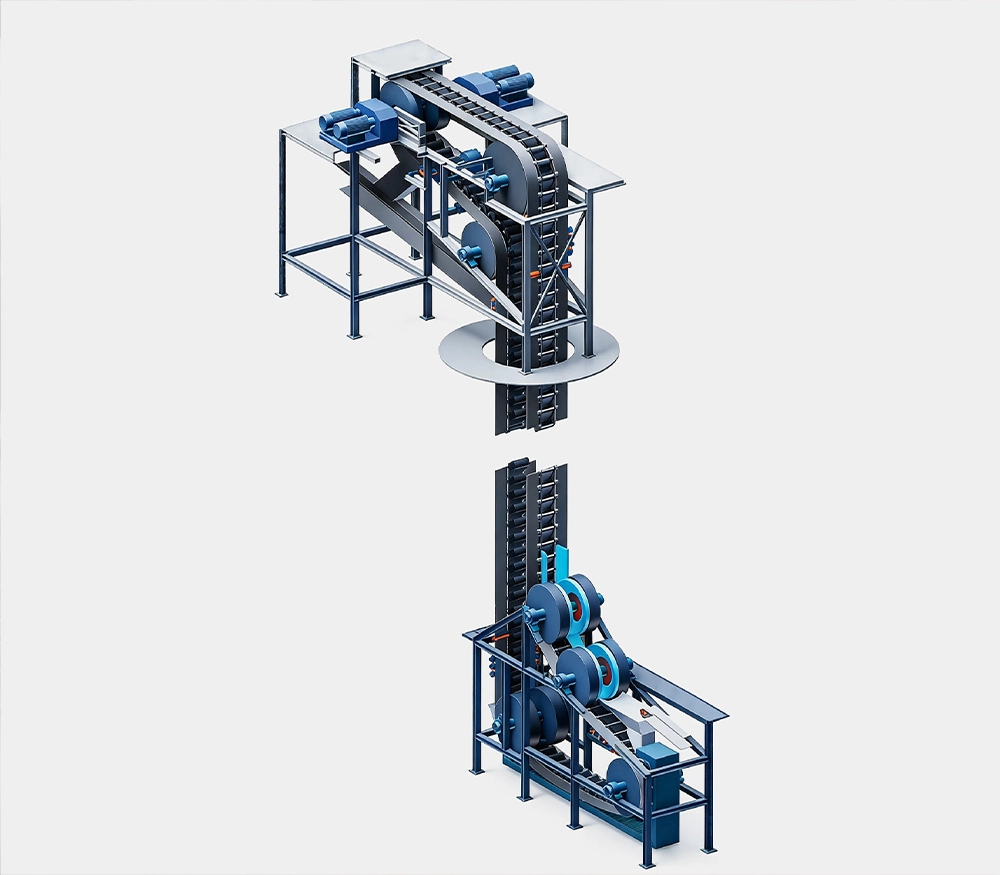
Pocket Type Conveyor Belt
It handles ultra high lift, high throughput tasks beyond conventional high angle sidewall belts, realizing stable continuous bulk material transportation.
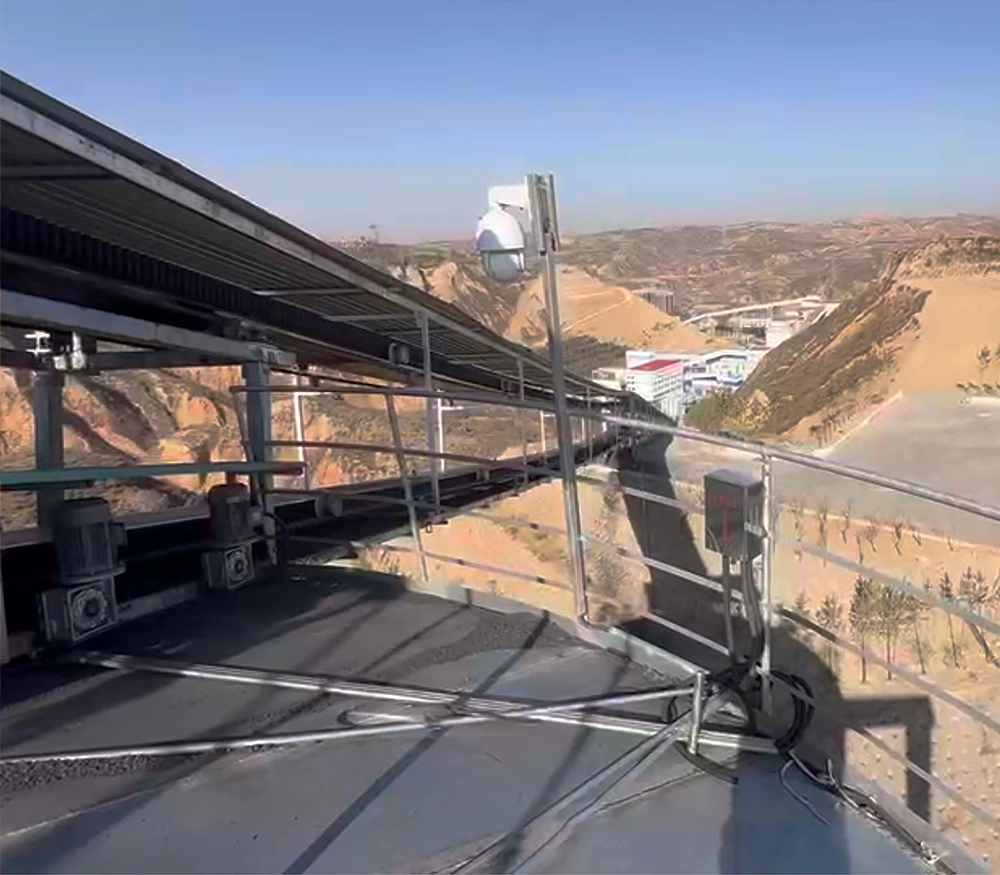
Rope-track Sidewall Conveyor Belt
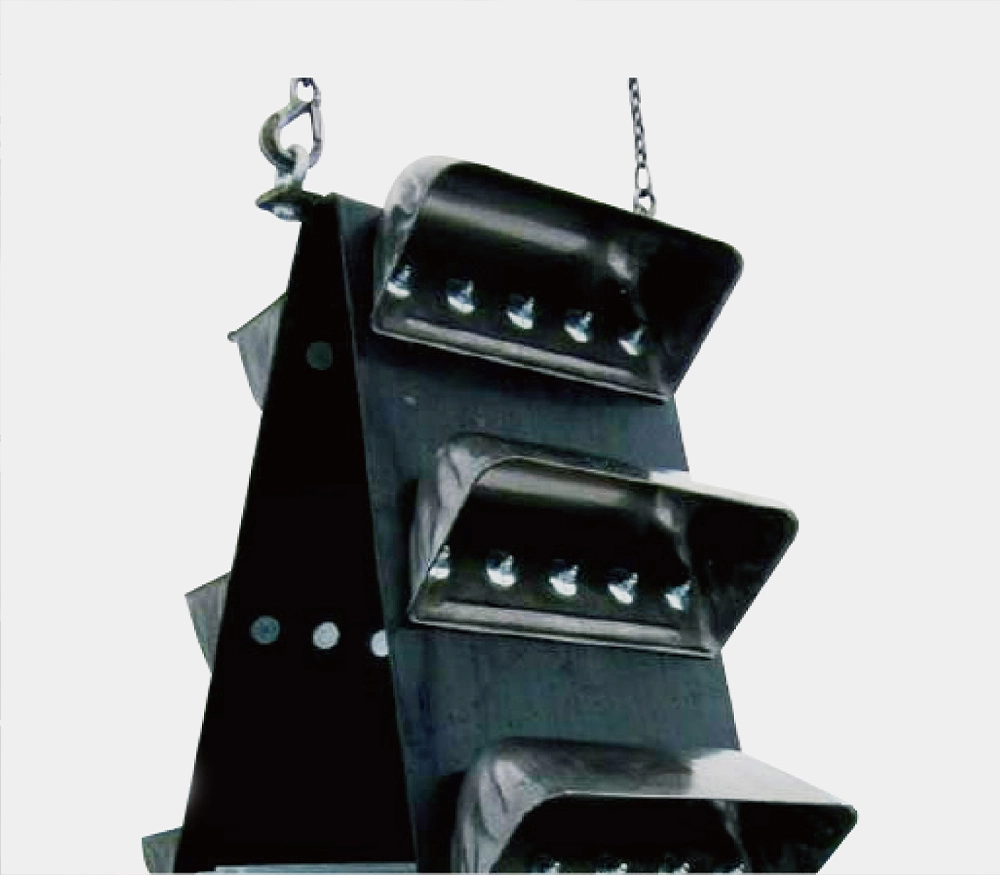
Bucket Elevator Conveyor Belt
They deliver low elongation, high throughput and stable operation with easy maintenance, helping operators reduce downtime from belt failures and frequent replacements.
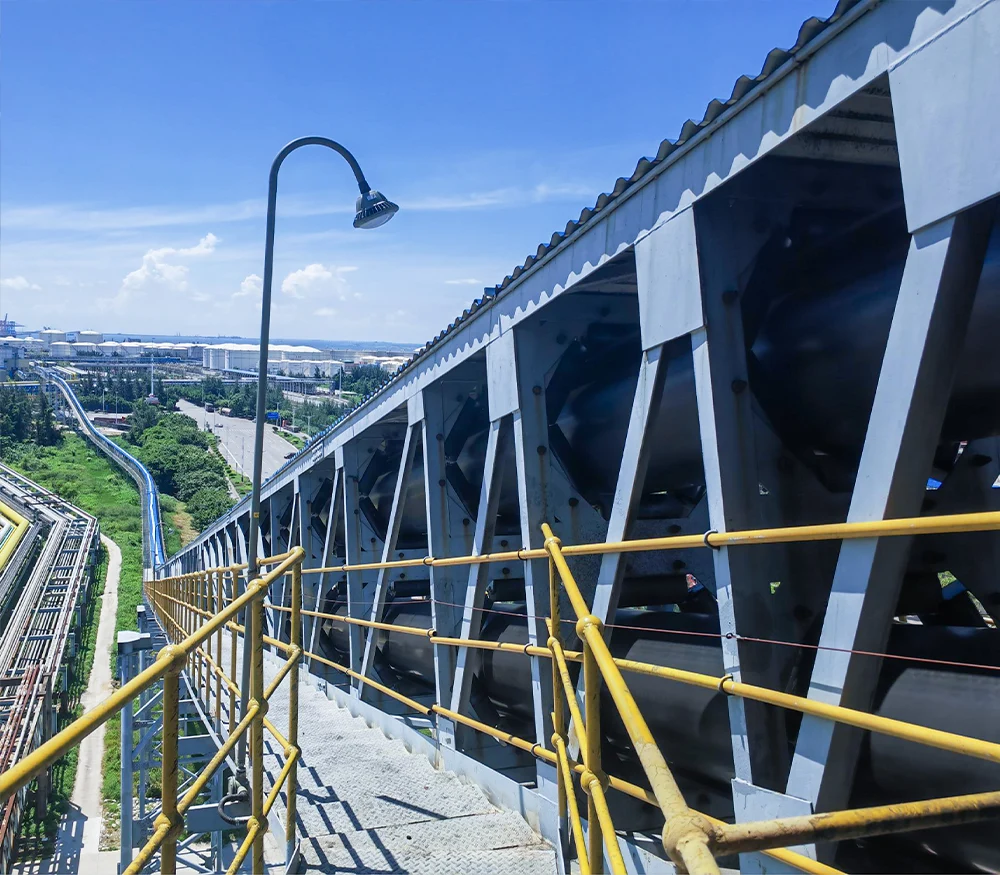
Pipe Conveyor Belt
Supporting sharp horizontal and vertical bends, it meets strict environmental requirements and helps plants remove redundant transfer points, favored by operators troubled by on site dust and leakage issues.
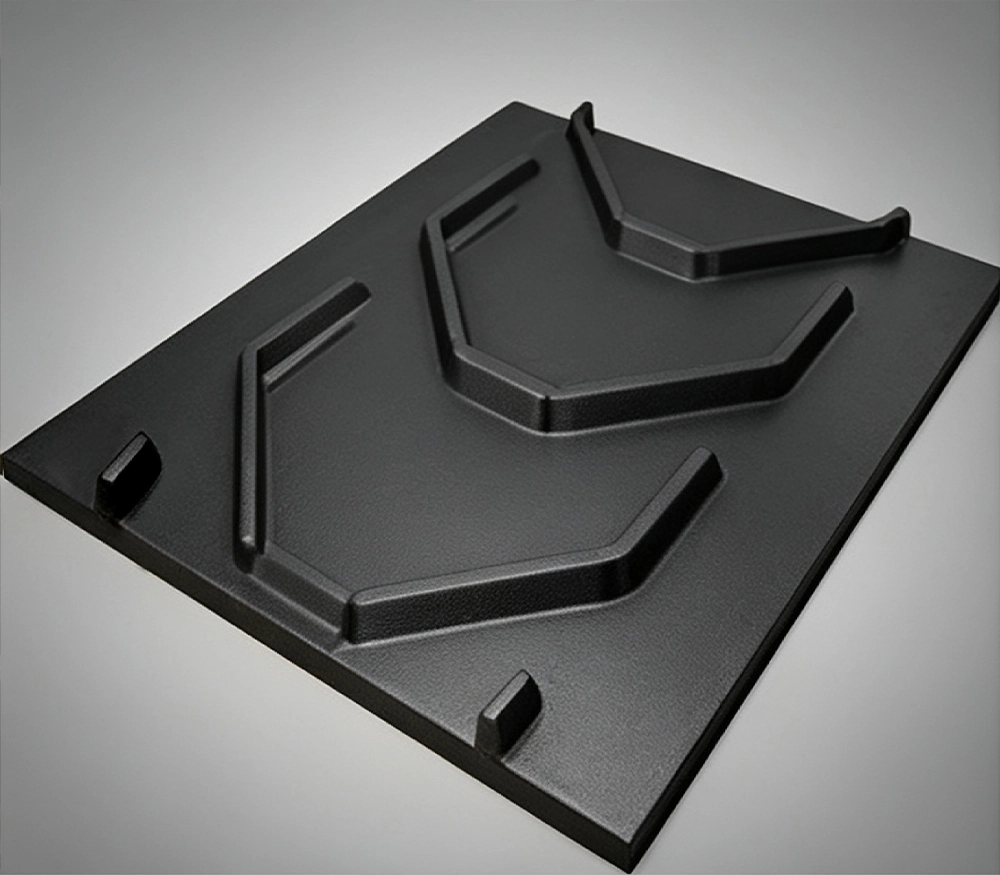
Chevron Conveyor Belt
Various chevron patterns are available for different slope demands. Widely used in mining, farming, construction and recycling, it maintains stable performance under harsh on site working conditions.
Recent news
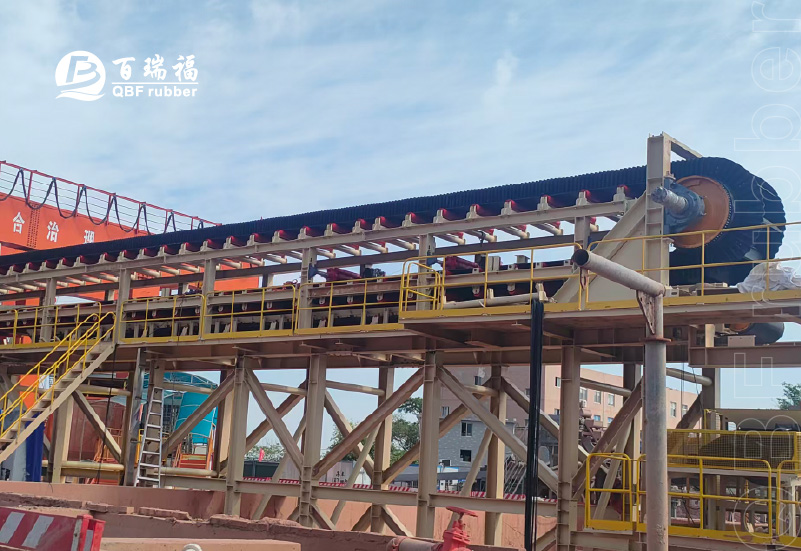
Tunnel Shield Project | QBF rubber Anti-stick Sidewall Conveyor Belt Installation Service Delivered
Oct 20, 2026
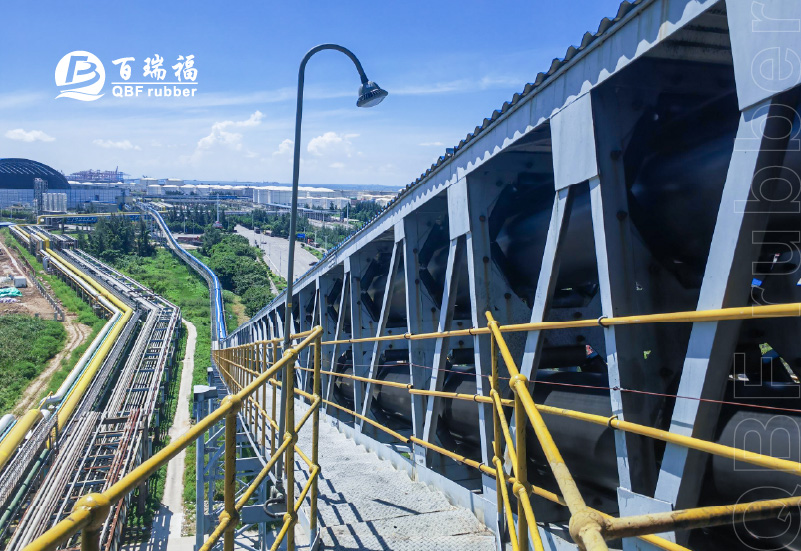
Pipe Belt Conveyor Full Service Solution | Huayi Group Project Case
Oct 16, 2026
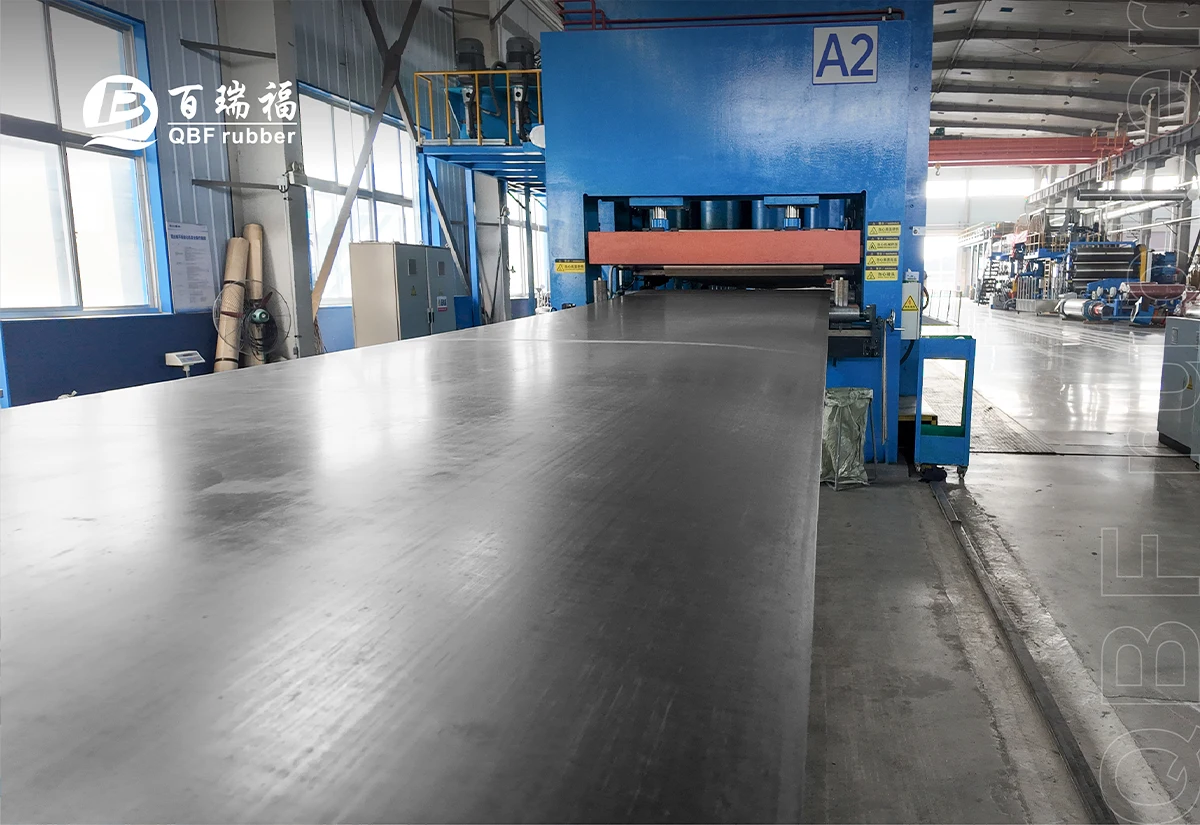
Sidewall Conveyor Belt Sagging Solutions: QBF rubber Free Zone Base Belt Design Extends Service Life by 30%
Sep 18, 2026
See Latest Service