Metal Primer
Metal Primer

Metal Primer

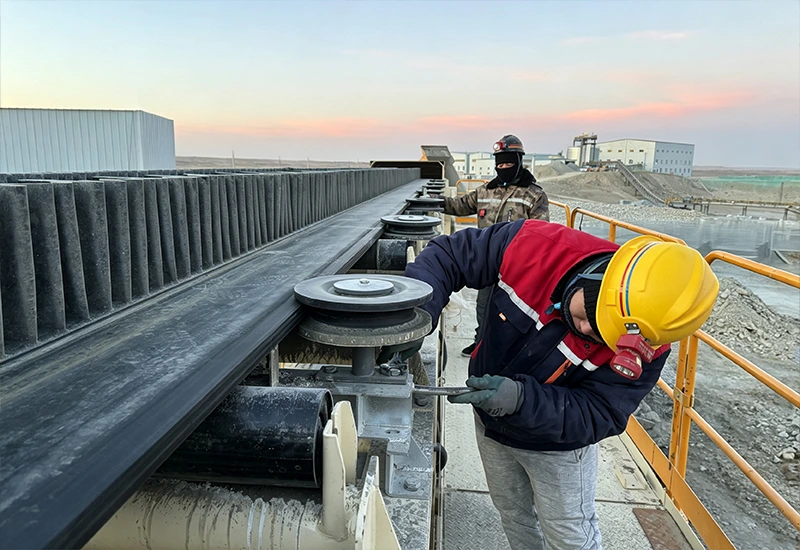
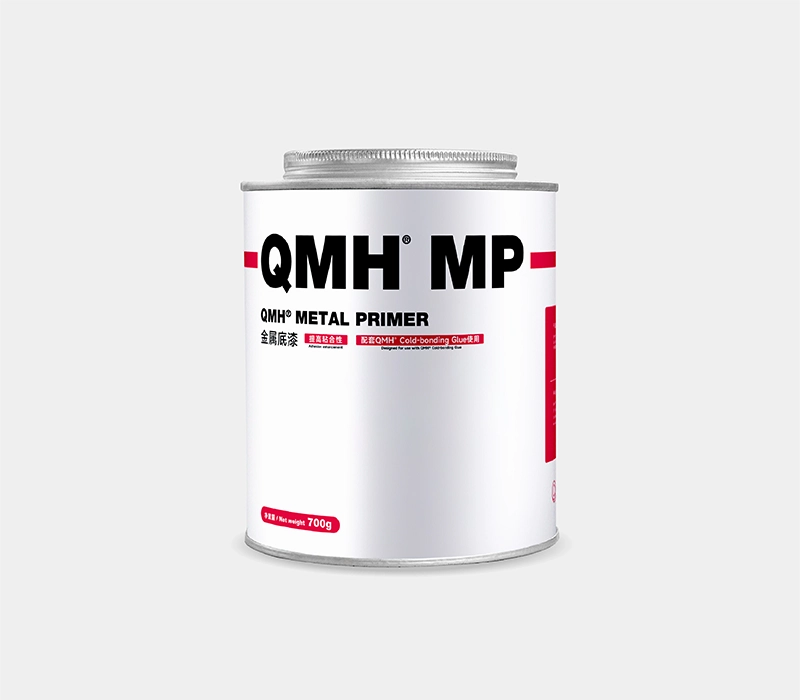
QMH® Metal Primer is a CFC free surface primer, designed to pair perfectly with QMH® Cold bonding Glue. It solves weak bond issues when joining rubber to metal and plastic to metal substrates.

Product Overview

QMH® Metal Primer is a CFC free surface primer, designed to pair perfectly with QMH® Cold bonding Glue. It solves weak bond issues when joining rubber to metal and plastic to metal substrates.

Many bonding projects fail because metal surfaces cannot give enough grip for rubber or plastic materials. This primer builds a reliable intermediate layer between metal and your target material, greatly boosting bonding strength and long term connection stability. It works for on site assembly, repair jobs and workshop production use.


Product Specifications

Item Parameter
Color Gray
Viscosity 90 170 mPa·s
Density 0.92 0.96 g/mL
Surface Curing Time Around 30 minutes
Coverage 50 200 g/m² per single coat
Storage Conditions Keep in sealed barrels. Store in dry, cool area. Recommended room temperature: 20 25℃; humidity ≤ 50%
Shelf Life More than 12 months under proper storage
Packaging 700 g per can


Key Benefits

  • Zero CFC ingredients, meets common industrial environmental requirements
  • Made for cold bond workflow, no high heat treatment needed during application
  • Forms uniform grey priming layer on clean metal parts; improves glue anchoring performance
  • Flexible coverage range, fits small repair pieces and large area metal workpieces
  • Long shelf life with correct storage, good for factory stock and periodic maintenance use


Simple Application Tips

  • Fully clean metal surface: wipe away oil, rust, dust before applying primer. Dirty surfaces will cut bonding performance.
  • Apply one even coat of QMH® Metal Primer onto prepared metal surface.
  • Wait roughly 30 min for surface cure. Do not use cold bonding glue before surface curing completes.
  • Once surface is cured, apply QMH® Cold bonding Glue and complete your rubber metal or plastic metal bonding process.

Note: Coverage 50 200 g/m² varies, depends on metal surface roughness. Rougher metal consumes more primer per square meter.


FAQ

Q1: Can I use this metal primer without QMH® Cold bonding Glue?

A: This primer is formulated to work with QMH® Cold bonding Glue. Using other glues may not get expected adhesion results. We suggest matching the full QMH bonding system for best bond strength.

Q2: What will happen if storage humidity goes higher than 50%?

A: High humidity storage may shorten shelf life. Moisture can get inside once the can seal is broken. Always keep cans tightly sealed when you do not use them.

Q3: Is 30 minute surface cure time fixed for all environments?

A: 30 min is reference data under standard room conditions. Low temperature or high air moisture can slow surface curing. Check the primer surface is dry to touch before adding adhesive.

Q4: What substrates does this primer suit?

A: Mainly for metal base, to bond rubber and plastic onto metal. It is not designed to act as standalone protective paint for long term anti rust purposes.

Q5: How much primer do I need for my project?

A: Calculate area first. Smooth metal uses near 50 g/m²; rough, textured metal may go up to 200 g/m² for each coat. Adjust quantity based on actual workpiece surface condition.


Important Notes

  • Only for industrial bonding use, not for consumer household DIY without proper operation protection.
  • Keep good ventilation while handling. Avoid long term skin contact.
  • Seal the can tightly right after each use.


Products
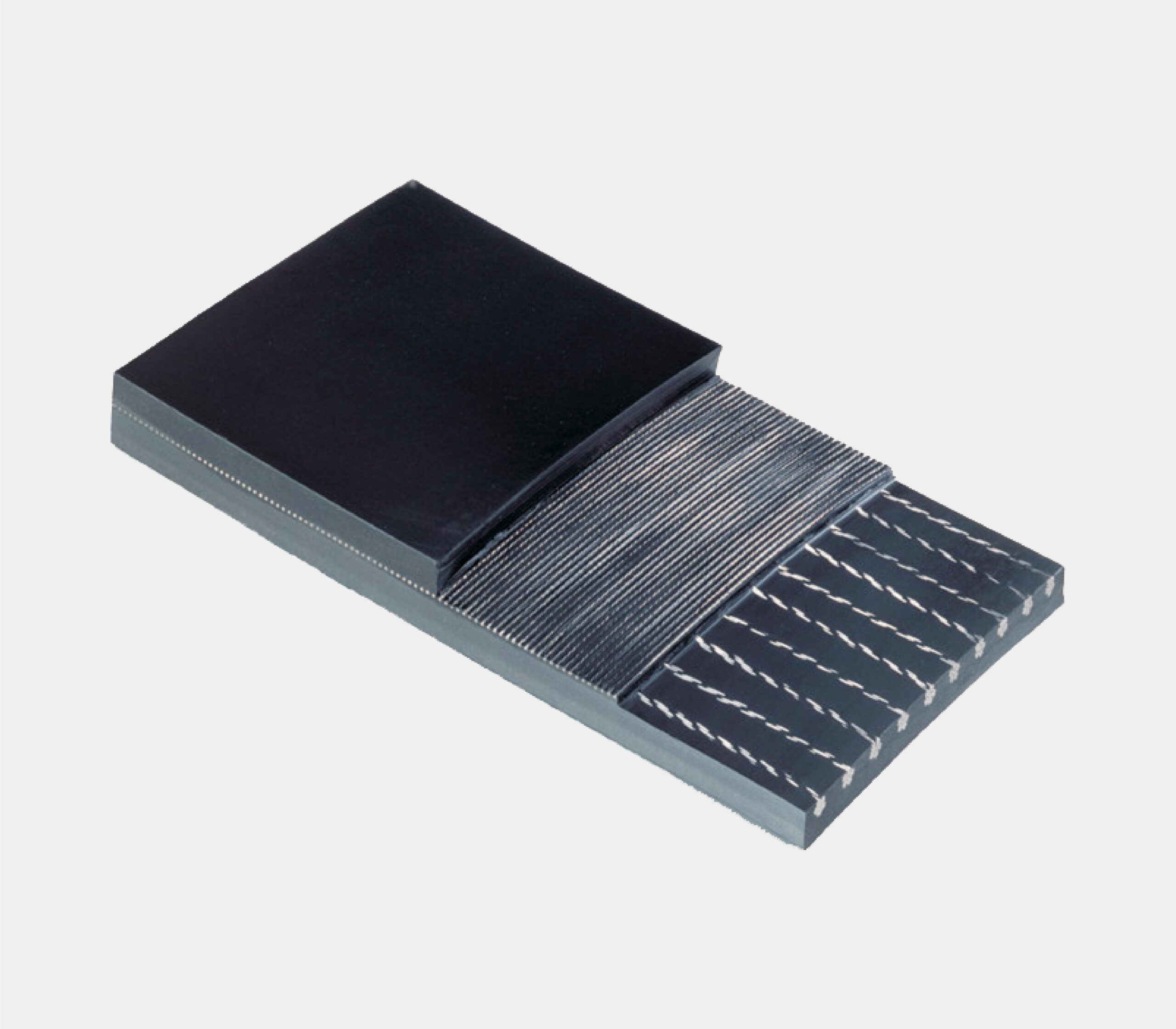
Steel Cord Base Belt

Base belt

Unlike standard belts, our base belts feature enhanced transverse stiffness to prevent deformation at deflection points, while maintaining longitudinal flexibility for smooth operation around pulleys. Manufactured strictly in accordance with international standards (DIN/ISO/EN), our base belts ensure long-term stability and reliable performance across demanding bulk handling applications.
Sidewall

Sidewall

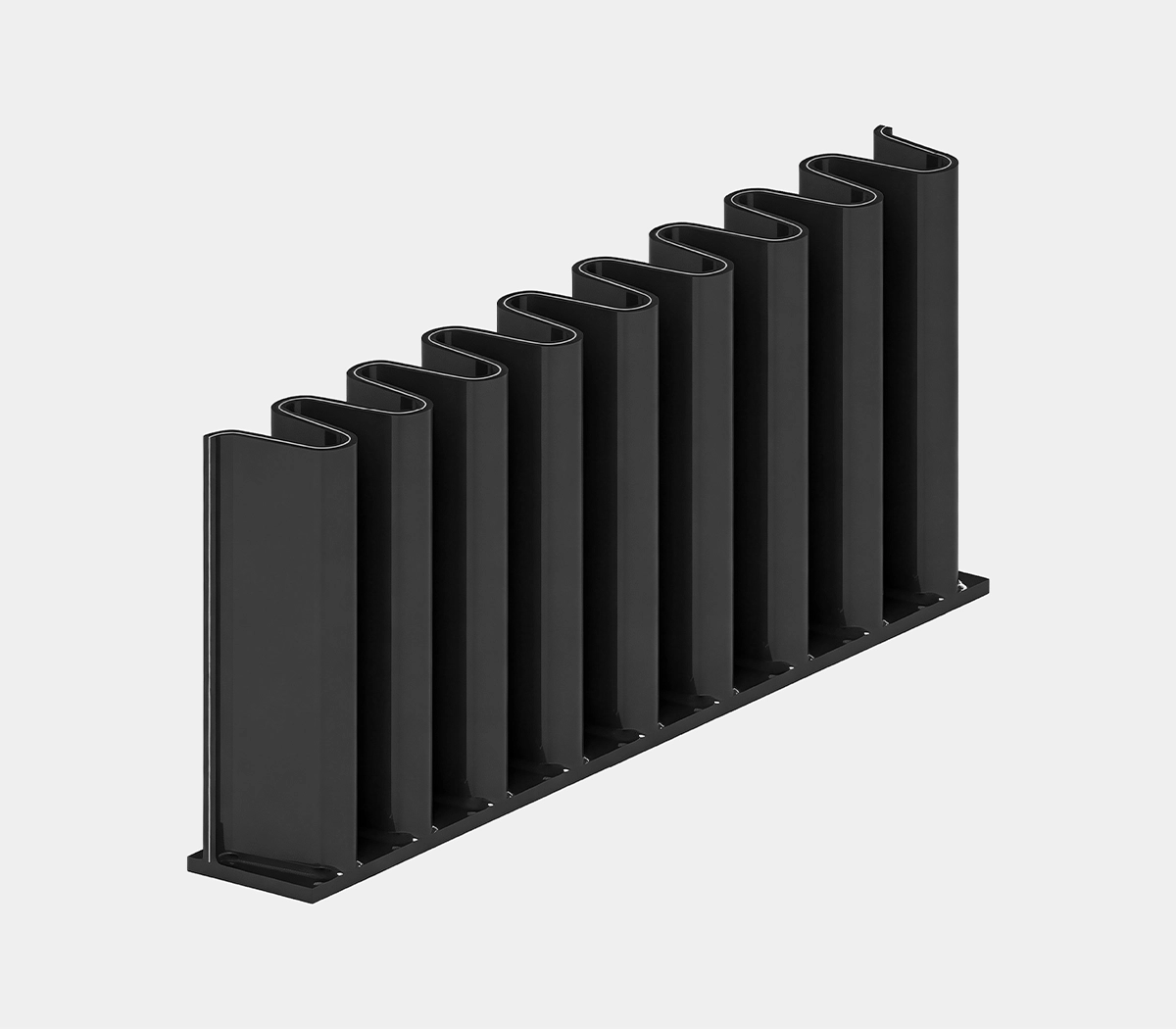
This reinforced sidewall features premium rubber compound and integrated fabric reinforced structure to boost flexing fatigue resistance and prevent corrugation cracks. Validated by dynamic fatigue tests, it offers diverse rubber properties and multiple standard/custom sizes, delivering reliable long term performance under complex working conditions.
Ceramic Pulley Lagging

Pulley Lagging

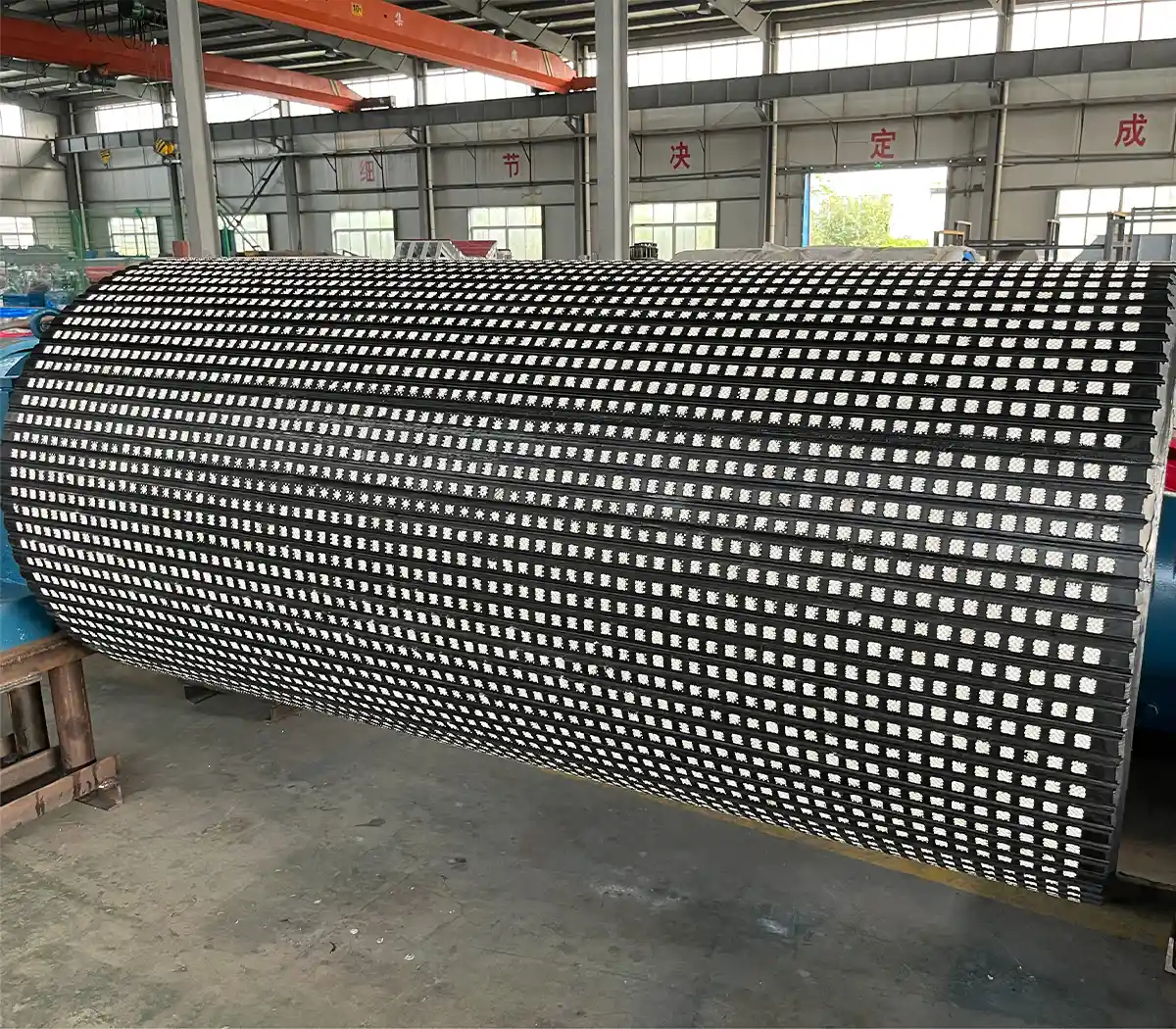
High-performance ceramic pulley lagging addresses belt slip, fast wear, material buildup and short pulley life. This cold-bond type allows on-site installation without factory hot vulcanization. Combining 92% alumina ceramic tiles and rubber backing, it offers superior friction even under wet, muddy conditions for mining, quarry and port bulk-handling applications.
Rubber Wear Lining 05

Rubber Wear Lining

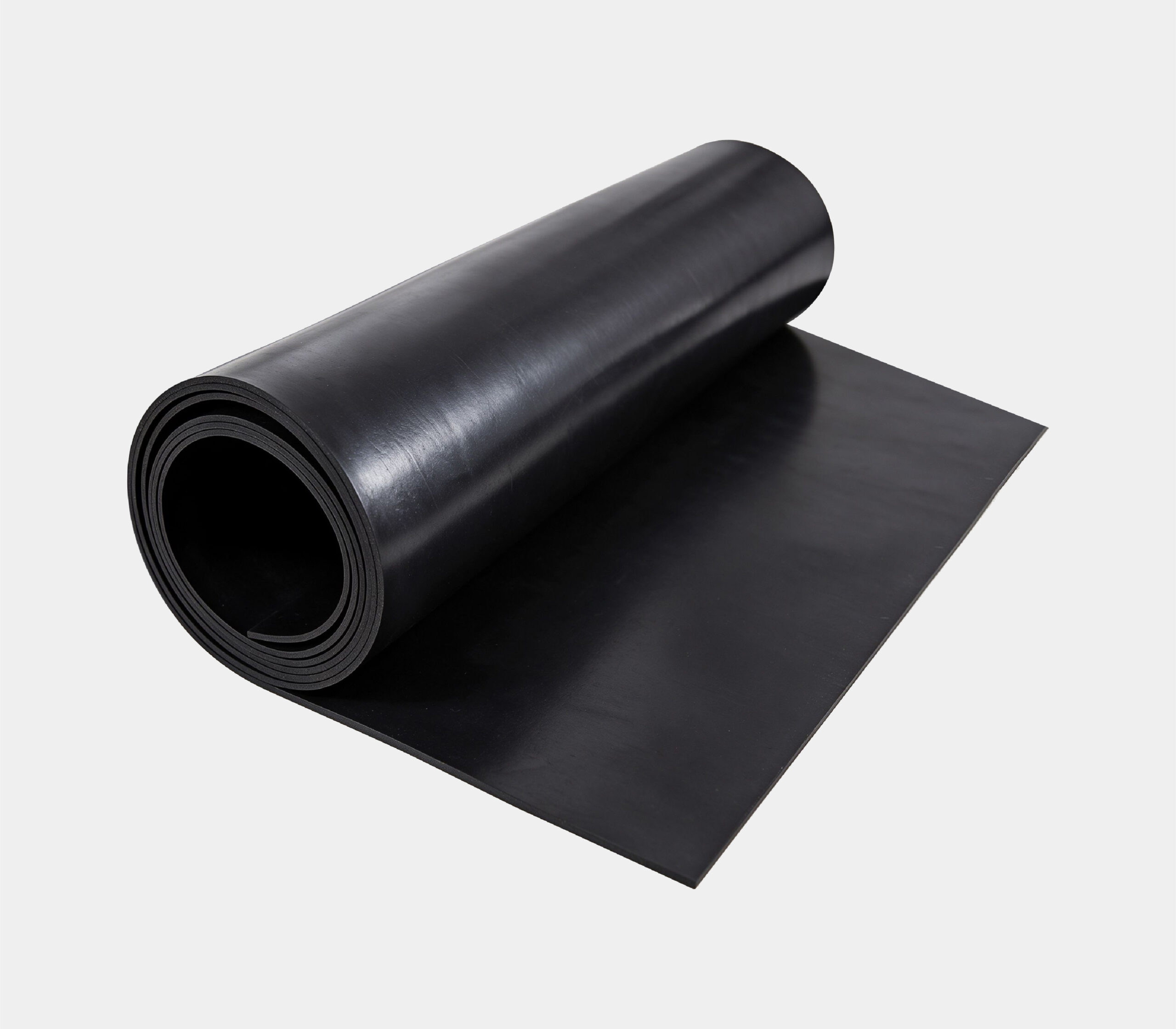
Our rubber wear lining is a high-toughness protective rubber layer engineered for industrial equipment interiors. Featuring outstanding abrasion, impact and corrosion resistance, it effectively safeguards mills, chutes and hoppers from long-term material scouring. Lightweight, durable and fully customizable, it cuts maintenance costs and reduces noise, ideal for mining, cement and chemical industrial applications.
Sidewall Conveyor Belt

Sidewall Conveyor Belt

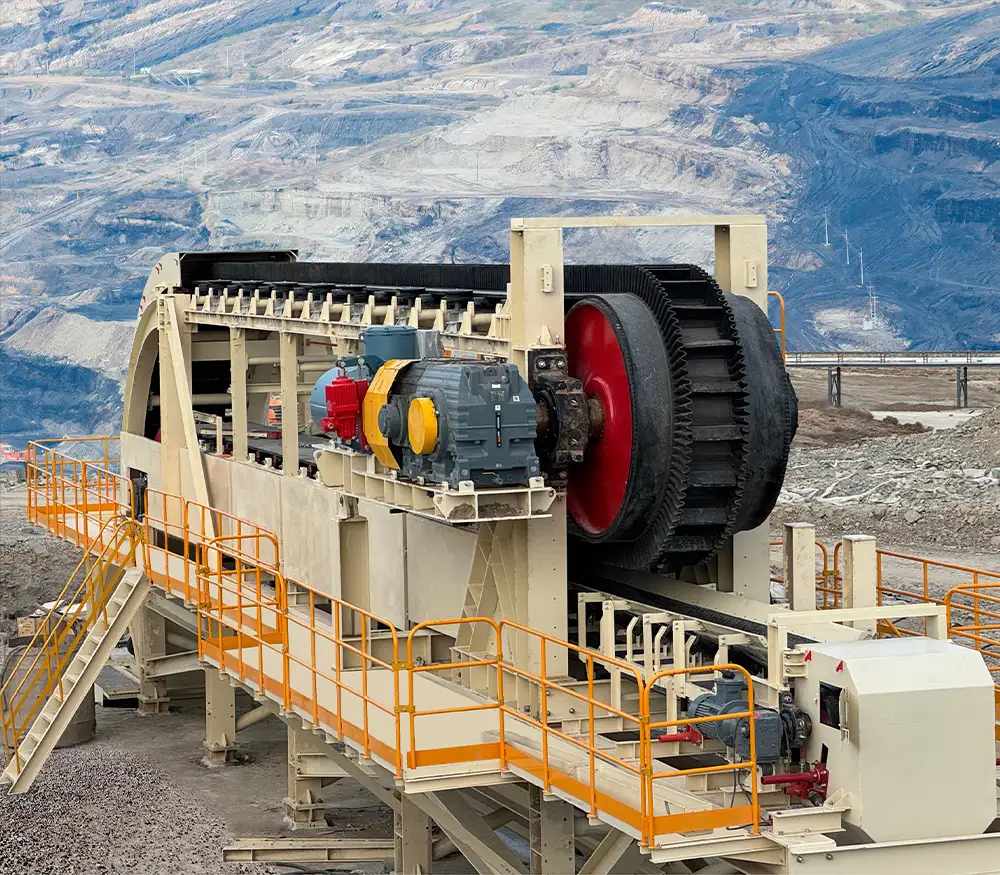
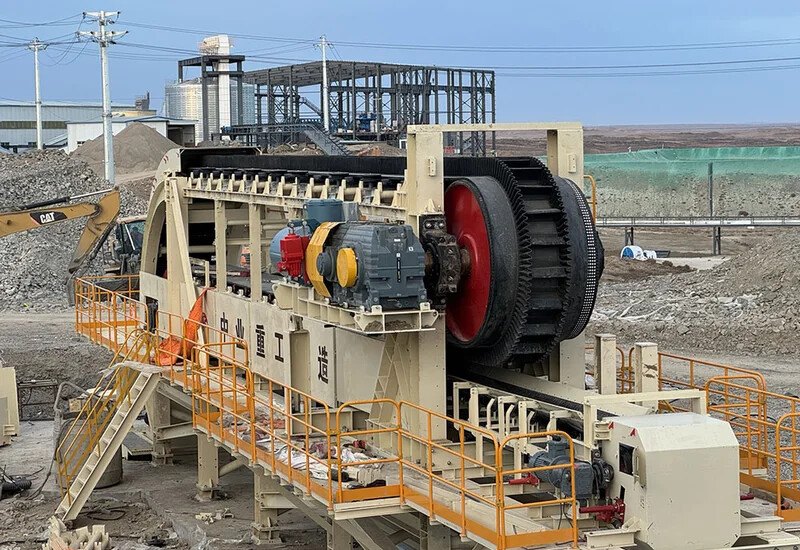
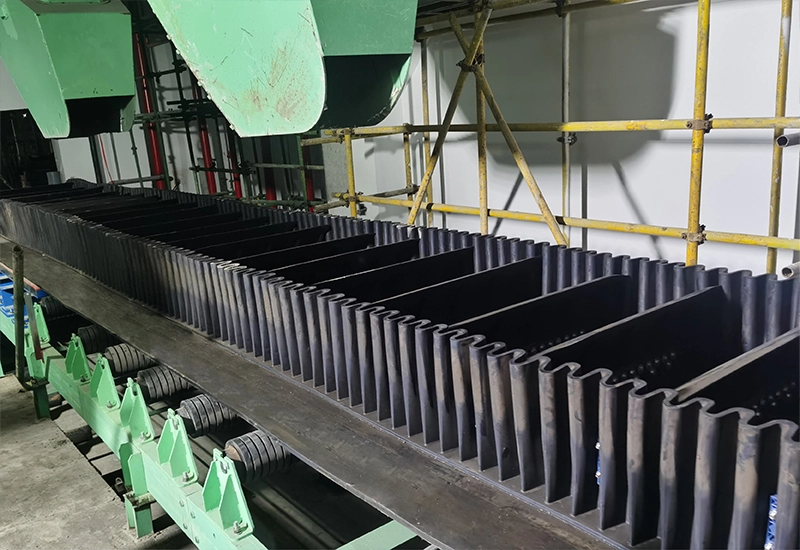
QBF rubber specializes in designing and manufacturing high-quality steep incline conveyor belts for bulk material lifting across industries such as harbors, metallurgy, tunneling, power plants, chemicals, cement, and metro. As the only Chinese manufacturer using full European molds and standards, QBF rubber provides complete solutions covering belt selection, production, installation, commissioning, and trouble shooting.
EPDM High Temperature Sidewall Conveyor Belt

EPDM High Temperature Sidewall Conveyor Belt

Custom EPDM high temperature sidewall conveyor belt resists 300℃ instant thermal shock. Ideal for cement, metallurgy, power plant hot bulk material conveying.

Recent news

How Does a Sidewall Conveyor Belt Work

How Does a Sidewall Conveyor Belt Work?

Nov 19, 2026
See how a sidewall conveyor belt moves bulk material from loading to steep lifting and discharge, and learn how corrugated sidewalls and cleats work.
READ MORE
Chemical Sidewall Conveyor Belt

Sidewall Conveyor Belt Retrofit Enters Installation at Coal Chemical Plant

Nov 20, 2026
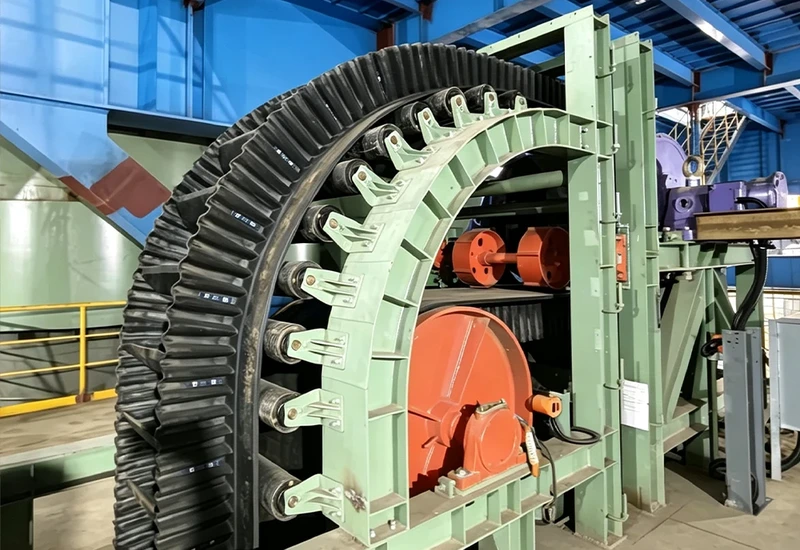
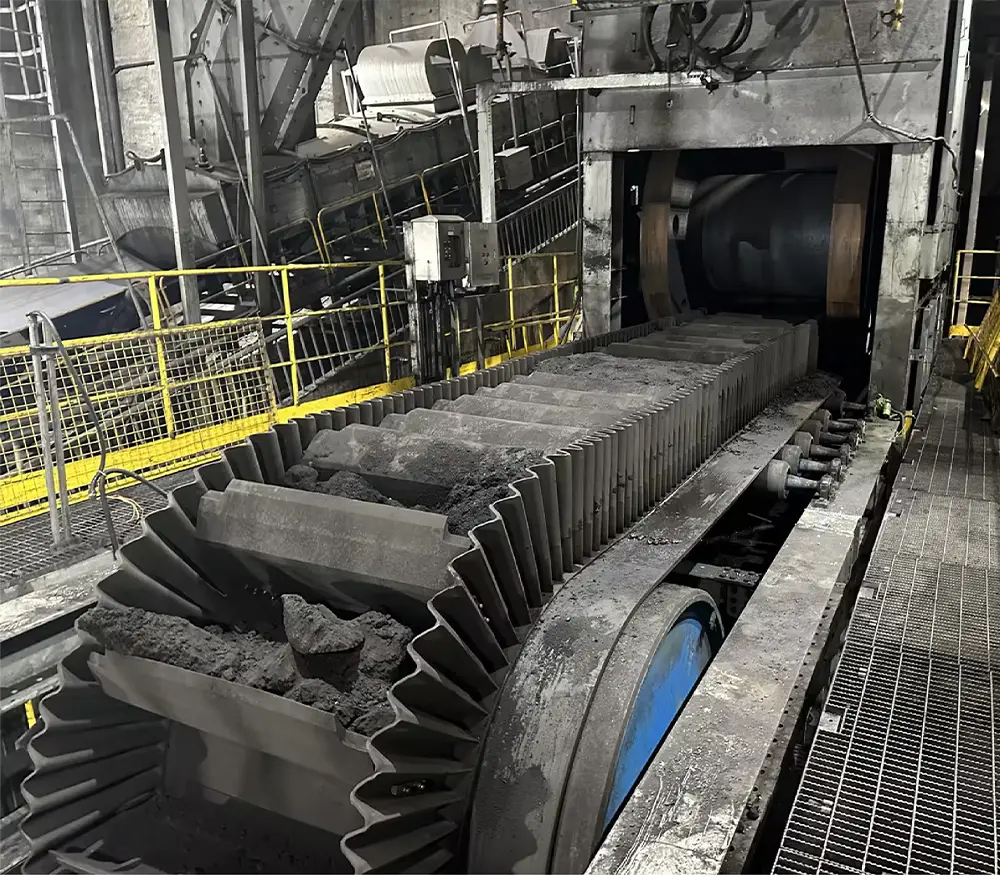
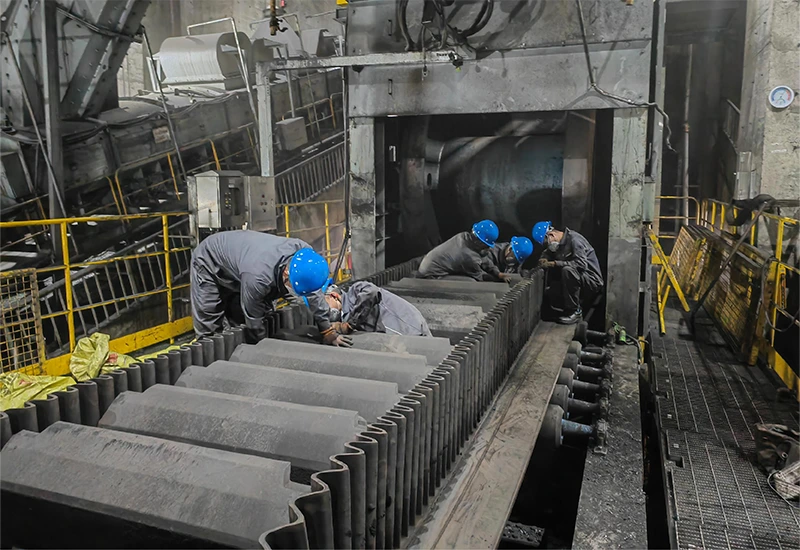
QBF rubber is on site at a coal chemical plant, installing a corrugated sidewall conveyor belt as part of a retrofit. The belt it replaces had worn unevenly and run off-centre for most of its service life. The new specification was not picked from a catalogue. It came out of a survey of the conveyor that carries it. Where the problem actually sat Before a belt was quoted, QBF rubber engineers walked the line end to end. They looked at the material and how it behaves in the trough, at the belt path and the transitions, at skirt clearance. Idlers and pulleys were checked too, along with the shape they were in. The picture that came back was consistent. The belt was worn, yes. It was also the wrong belt for the duty. A belt that does not match its line will run off-centre, and once it runs off-centre, wear concentrates in a few places and speeds up there. Correct the tracking alone and the wear comes back. The new specification: B1400 S300 TC280, flame-retardant K3 The replacement belt is specified as B1400 S300 TC280, flame-retardant K3. The figures were set during the survey, not taken off a stock list, and they match the duty this line actually runs. Width, wall height and base stiffness follow the material, the incline and the geometry of the conveyor. On this line they were set during the survey, then checked against the duty the belt actually runs.   Splices made on site, then commissioning The belt is joined on site by hot vulcanization, not with mechanical fasteners. The splice is pressed and cured under heat on the line itself. On a sidewall belt the wall and cleats are cured with the splice, so the wall runs continuous through the joint instead of breaking at every connection. Commissioning follows the splicing. Tracking is corrected, tension is set, and the belt is run before material goes on it. Belt changes are shutdown work at a coal chemical plant. What this project is after is a line that tracks straight, wears evenly, and a next change that can be scheduled rather than forced.
READ MORE
QBF corrugated sidewall conveyor belt with cross cleats passing around a curved conveyor section

What Is a Sidewall Conveyor Belt and When Should You Use One?

Nov 12, 2026

Learn how corrugated sidewall conveyor belts use raised edges and cleats to move bulk materials on steep inclines, and what buyers should check before specifying one.
READ MORE

See Latest Service

Hot‑vulcanized Splice

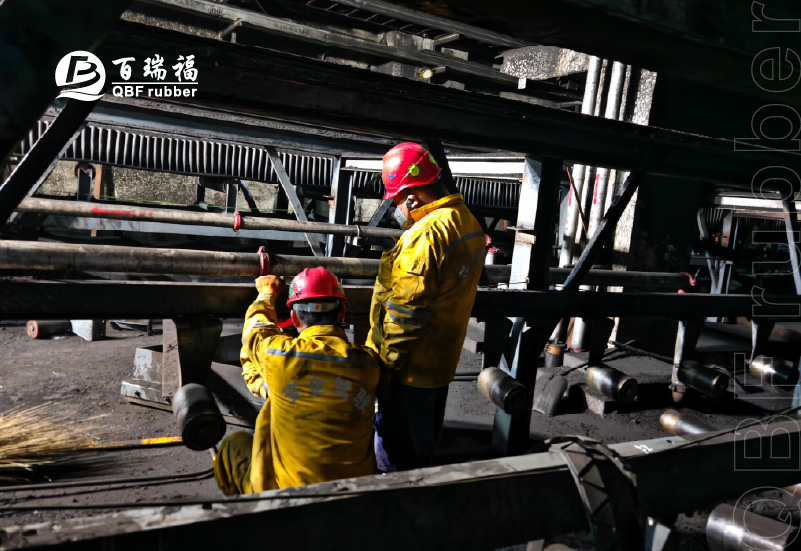
Our team provides professional 24/7 hot vulcanized splicing for sidewall, steel cord, fabric and pipe conveyor belts. Staffed with fully trained, experienced technicians and equipped with advanced mobile and stationary vulcanizing presses, we deliver seamless, long-lasting belt joints that optimize both technical performance and overall operational costs.
LEARN MORE

Selection Guide

QBF rubber provides professional customized sidewall belt selection services for all types of industrial inclined conveying scenarios. Supported by our independent self-developed selection system and senior German technical experts, we deliver accurate, application-oriented belt solutions tailored to actual site conditions, avoiding specification mismatches and unnecessary performance waste for optimal system operation.
LEARN MORE

Maintenance Service

We deliver reliable, plant-focused conveyor belt and system maintenance services designed to prevent unplanned downtime. Our certified on-site teams provide round-the-clock support for routine inspections, belt realignment, wear repairs, component replacements and system tuning. We help industrial facilities maintain stable throughput while lowering long-term operational and maintenance overhead.
LEARN MORE
contact us

Contact us

    Products
    Contacts
    WhatsApp
    Email