Cleaning Solvent
Cleaning Solvent

Cleaning Solvent

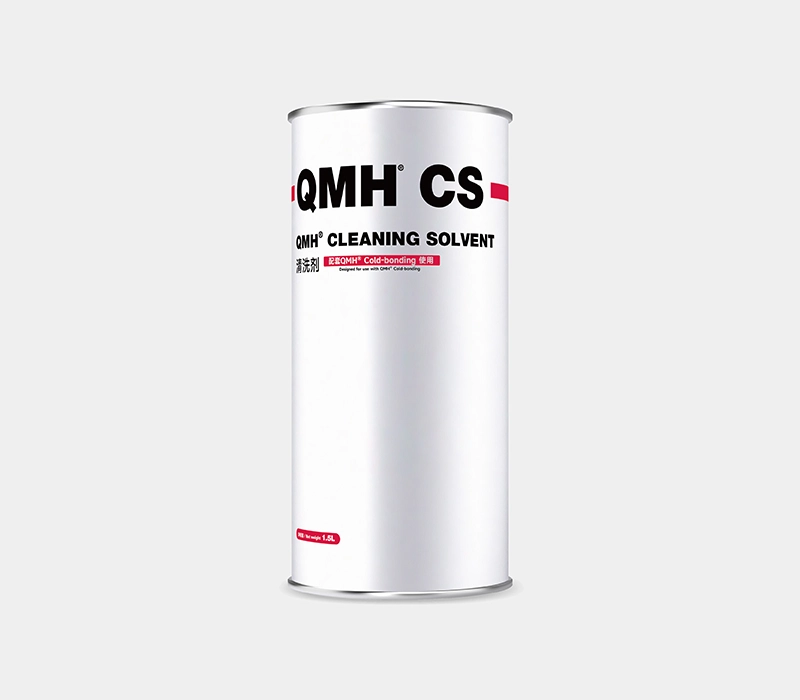
QMH® CLEANING SOLVENT is a non aqueous heavy duty cleaner. It removes tough residues, grease and oil from metal and rubber substrates. Leaving nearly no residual film or water spots, it gently treats most rubbers without cracking or swelling under proper use, favored for workshop and conveyor maintenance tasks.

Product Overview

QMH® CLEANING SOLVENT is a non aqueous cleaning solution built for heavy duty surface cleaning jobs. Formulated without water, this solvent cuts through stubborn residues that regular water based cleaners struggle to shift. It works perfectly on metal and rubber substrates, stripping away dust, surface grime, grease, machine oil, and residual chemical contaminants left over from manufacturing or daily operation.

Many shop and maintenance teams pick this solvent because it leaves little to no leftover film after wiping or rinsing. It will not leave water spots on metal parts, and it treats most common rubber materials gently, avoiding premature cracking or swelling when used as directed.


Key Applications

  • Degrease metal workpieces, machine components and tool surfaces
  • Clear dust, oil and chemical residues off rubber parts, seals and gaskets
  • Pre clean surfaces ahead of bonding, coating or assembly work
  • General purpose spot cleaning for industrial equipment in workshop environments


Core Features

  1. Zero water formula: No water caused rust risk on bare metal surfaces
  2. Multi contaminant removal: Takes on dust, grease, machine oil and chemical pollutants
  3. Dual surface compatibility: Safe for most metal and rubber surfaces with proper usage
  4. Fast evaporating performance: Short waiting time before next processing step


Density 1.40g/cm³
Storage Conditions Store in sealed barrels in dry and cool conditions at room temperature 20~25°C, humidity ≤ 50%
Shelf Life >12 months
Packaging 1.5L/can


FAQ

Q1: Can I use this cleaning solvent on plastic parts?

A: This product is mainly developed for metal and rubber. Plastics vary widely in material makeup. Always run a small spot test on an inconspicuous plastic area before full scale use to prevent material damage.

Q2: Is QMH® CLEANING SOLVENT safe for direct skin contact?

A: No. Wear protective gloves and eye protection while handling. Avoid prolonged skin exposure. Work in well ventilated workspaces. If splashed onto skin, wash the affected area promptly.

Q3: What is the best way to apply this non aqueous cleaning solvent?

A: Common real world methods include wiping with lint free cloth, low pressure spraying, or brief immersion. After cleaning, let surfaces air dry fully before assembly, painting or further handling.

Q4: Will this solvent degrade rubber seals?

A: Under normal, short time contact, it works for most industrial rubber. Do NOT let rubber items soak inside solvent for extended hours. Long term immersion may trigger rubber swelling or aging.

Q5: Does it leave residue after cleaning?

A: When applied and dried correctly, it leaves minimal residue. For high precision parts, follow up with a clean dry lint free wipe for extra cleanliness.


Quick Tips

Store QMH® CLEANING SOLVENT in cool, dry, well ventilated storage. Keep away from heat sources and open flame. Keep containers tightly sealed when not in use.


Products
Steel Cord Base Belt

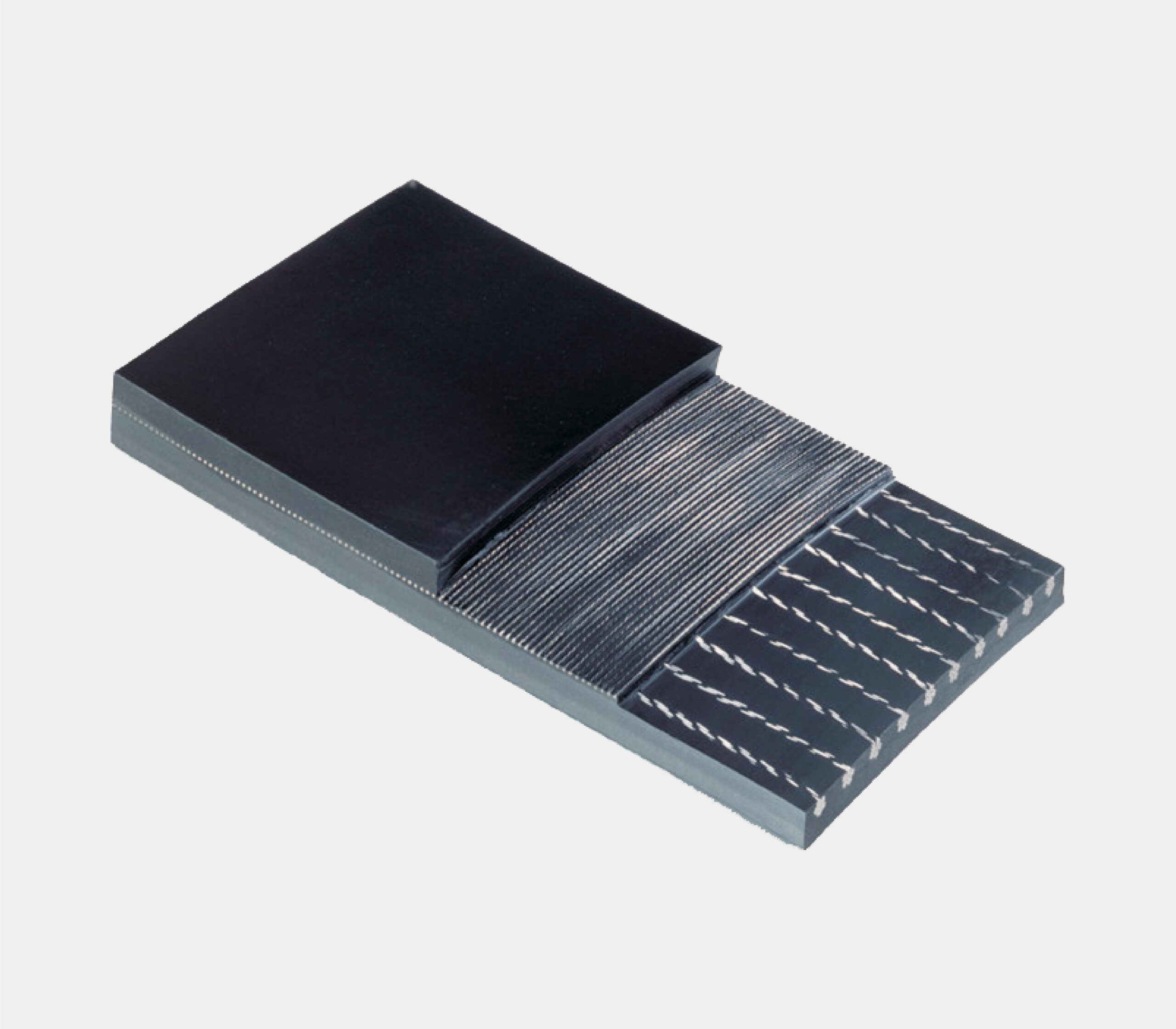
Base belt

Unlike standard belts, our base belts feature enhanced transverse stiffness to prevent deformation at deflection points, while maintaining longitudinal flexibility for smooth operation around pulleys. Manufactured strictly in accordance with international standards (DIN/ISO/EN), our base belts ensure long-term stability and reliable performance across demanding bulk handling applications.
Sidewall

Sidewall

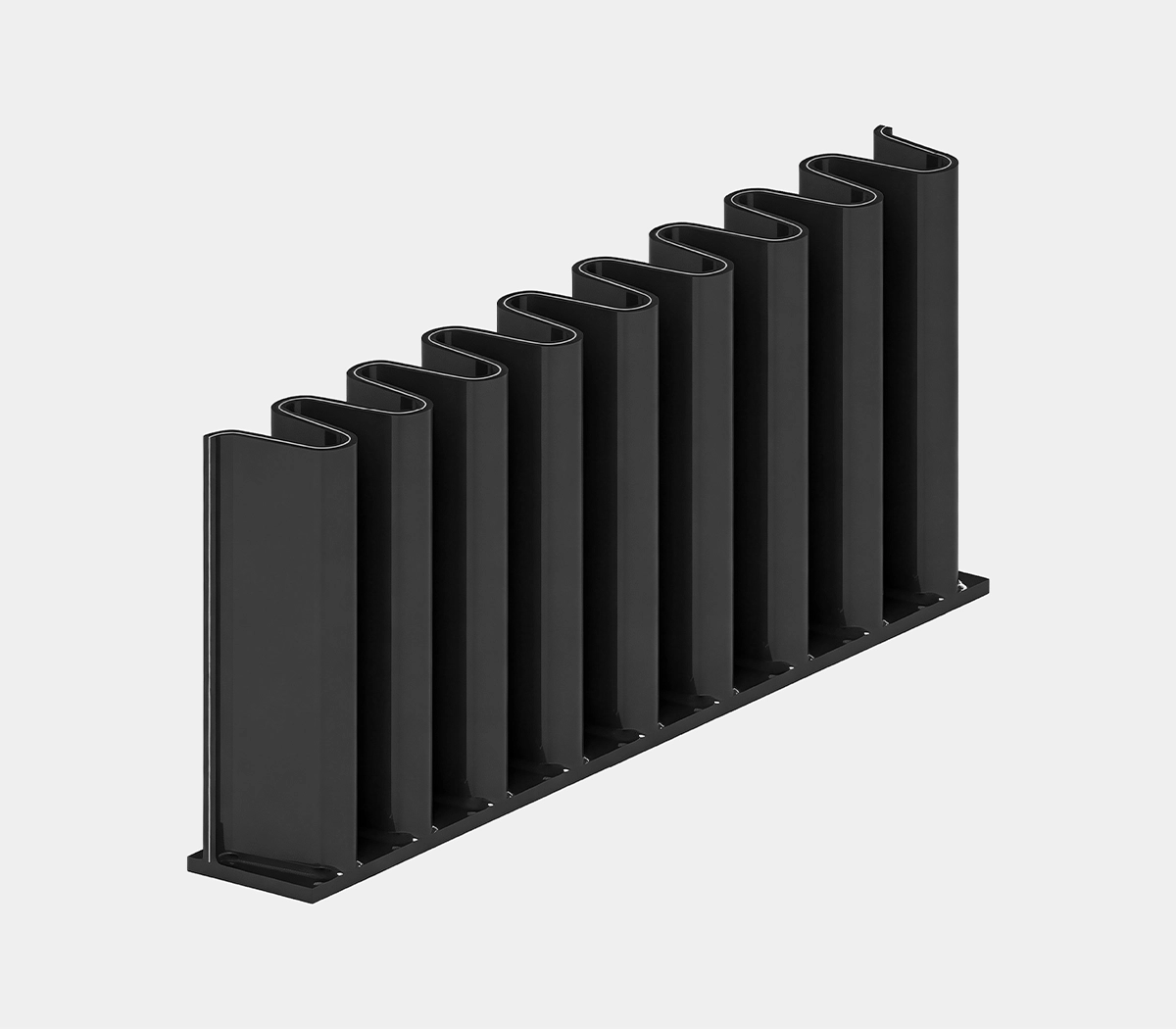
This reinforced sidewall features premium rubber compound and integrated fabric reinforced structure to boost flexing fatigue resistance and prevent corrugation cracks. Validated by dynamic fatigue tests, it offers diverse rubber properties and multiple standard/custom sizes, delivering reliable long term performance under complex working conditions.
Ceramic Pulley Lagging

Pulley Lagging

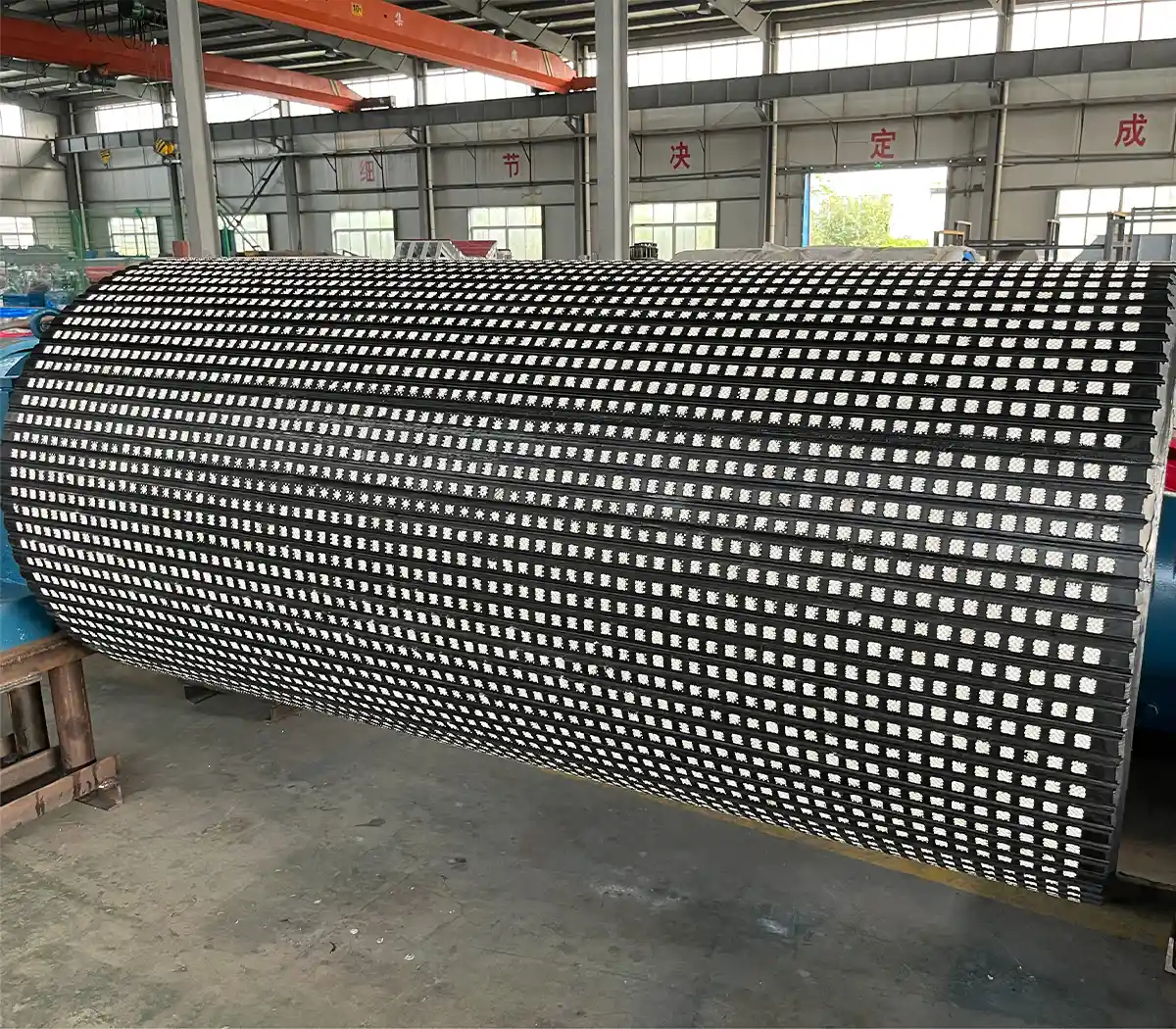
High-performance ceramic pulley lagging addresses belt slip, fast wear, material buildup and short pulley life. This cold-bond type allows on-site installation without factory hot vulcanization. Combining 92% alumina ceramic tiles and rubber backing, it offers superior friction even under wet, muddy conditions for mining, quarry and port bulk-handling applications.
Rubber Wear Lining 05

Rubber Wear Lining

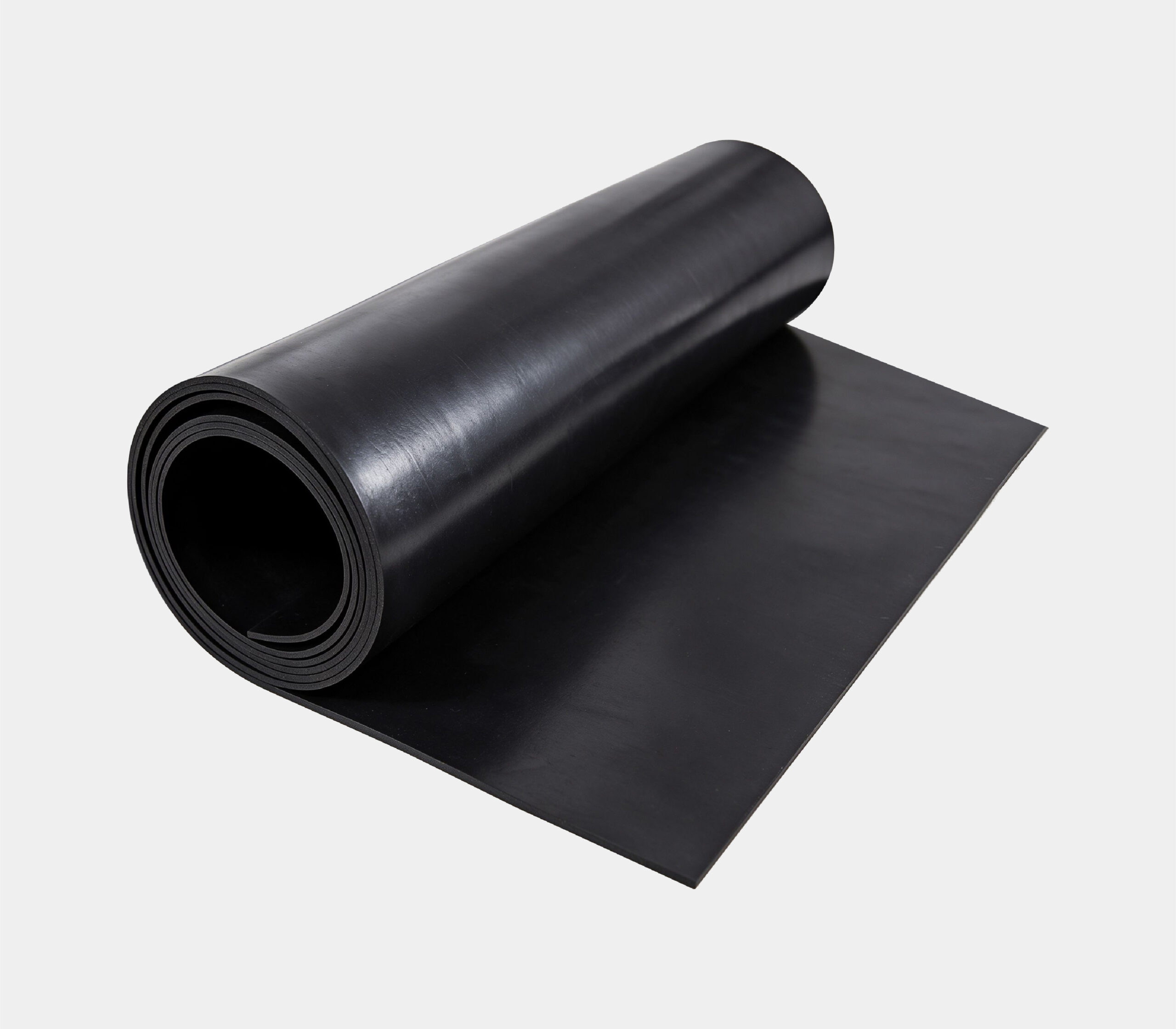
Our rubber wear lining is a high-toughness protective rubber layer engineered for industrial equipment interiors. Featuring outstanding abrasion, impact and corrosion resistance, it effectively safeguards mills, chutes and hoppers from long-term material scouring. Lightweight, durable and fully customizable, it cuts maintenance costs and reduces noise, ideal for mining, cement and chemical industrial applications.
Sidewall Conveyor Belt

Sidewall Conveyor Belt

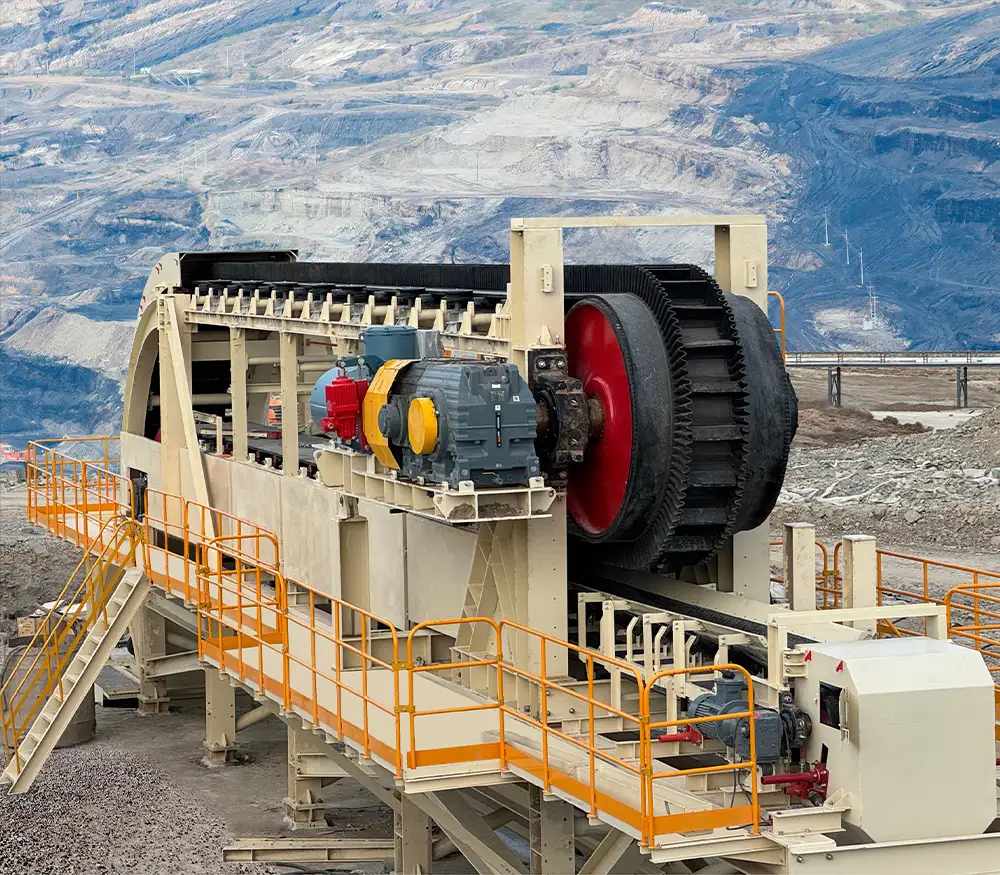
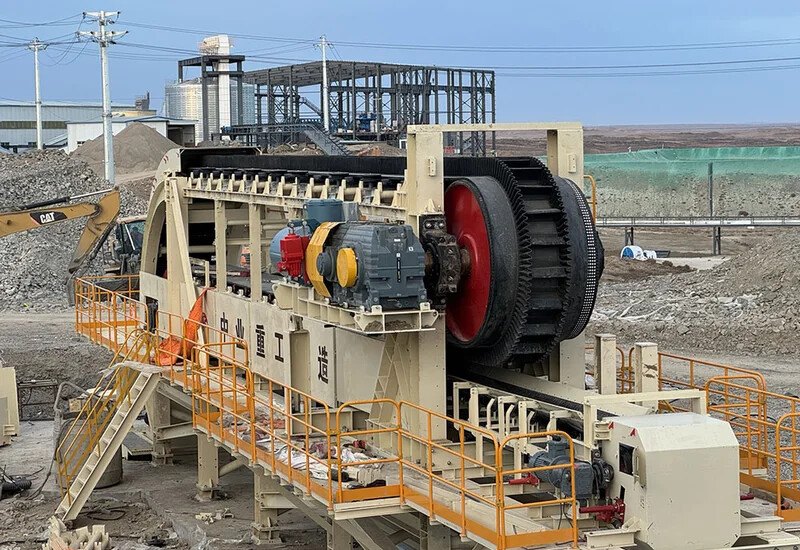
QBF rubber specializes in designing and manufacturing high-quality steep incline conveyor belts for bulk material lifting across industries such as harbors, metallurgy, tunneling, power plants, chemicals, cement, and metro. As the only Chinese manufacturer using full European molds and standards, QBF rubber provides complete solutions covering belt selection, production, installation, commissioning, and trouble shooting.
EPDM High Temperature Sidewall Conveyor Belt

EPDM High Temperature Sidewall Conveyor Belt

Custom EPDM high temperature sidewall conveyor belt resists 300℃ instant thermal shock. Ideal for cement, metallurgy, power plant hot bulk material conveying.

Recent news

How Does a Sidewall Conveyor Belt Work

How Does a Sidewall Conveyor Belt Work?

Nov 19, 2026
See how a sidewall conveyor belt moves bulk material from loading to steep lifting and discharge, and learn how corrugated sidewalls and cleats work.
READ MORE
Chemical Sidewall Conveyor Belt

Sidewall Conveyor Belt Retrofit Enters Installation at Coal Chemical Plant

Nov 20, 2026
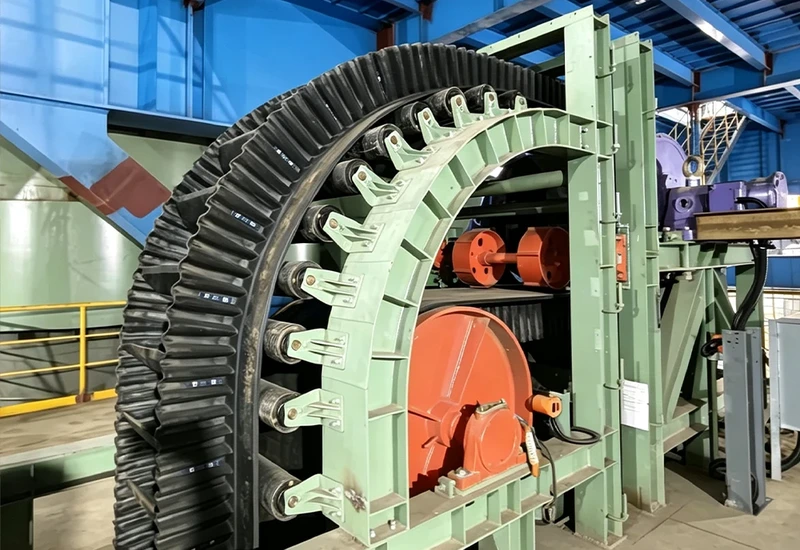
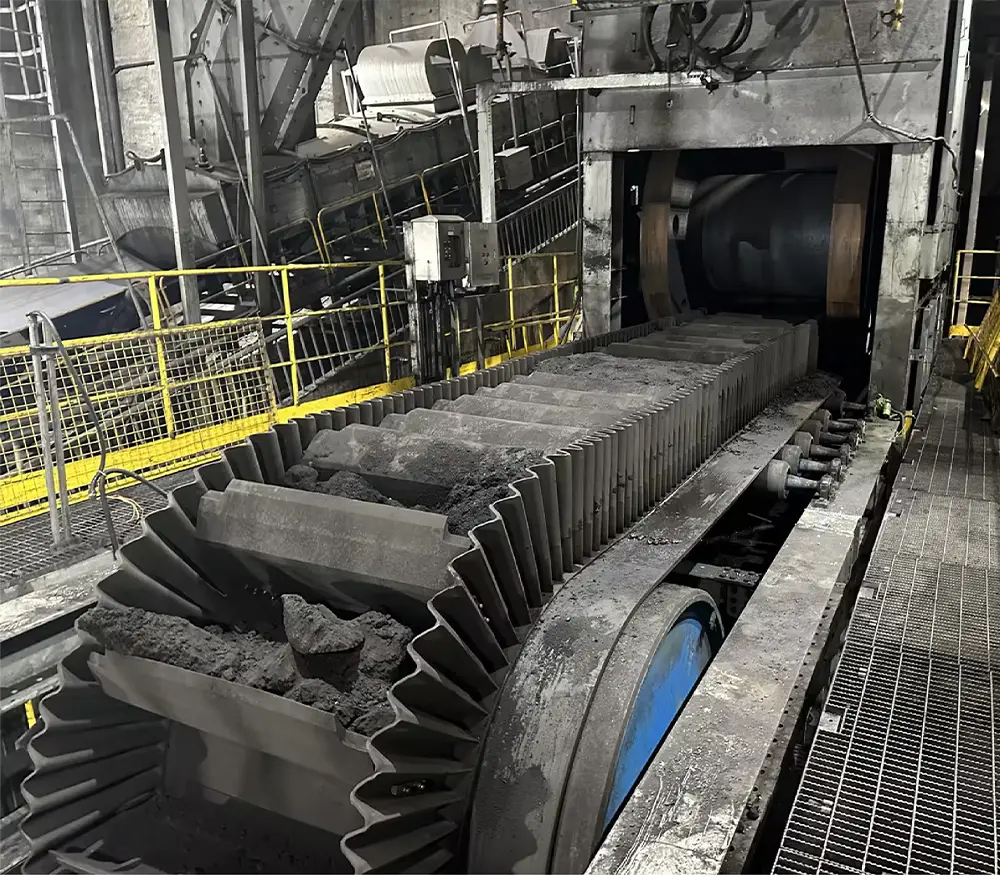
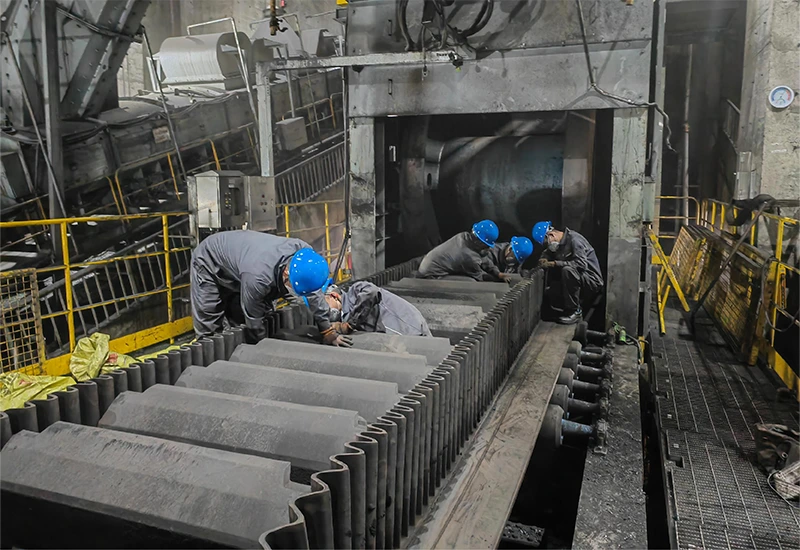
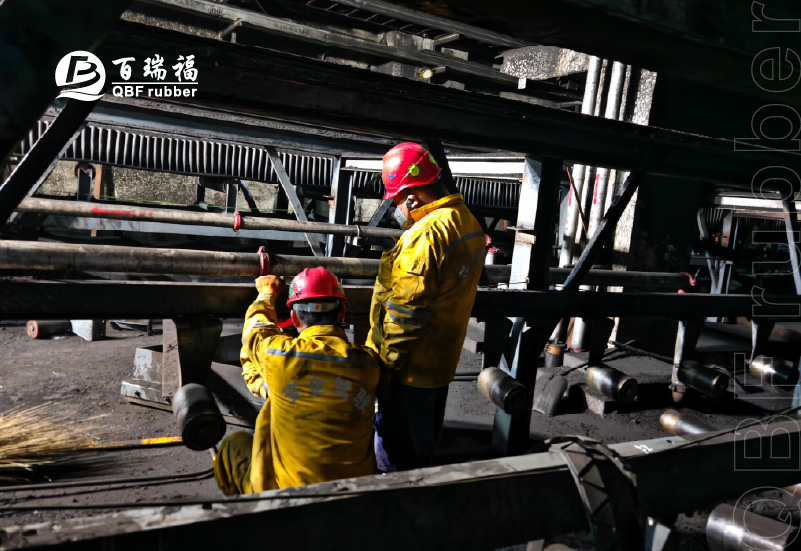
QBF rubber is on site at a coal chemical plant, installing a corrugated sidewall conveyor belt as part of a retrofit. The belt it replaces had worn unevenly and run off-centre for most of its service life. The new specification was not picked from a catalogue. It came out of a survey of the conveyor that carries it. Where the problem actually sat Before a belt was quoted, QBF rubber engineers walked the line end to end. They looked at the material and how it behaves in the trough, at the belt path and the transitions, at skirt clearance. Idlers and pulleys were checked too, along with the shape they were in. The picture that came back was consistent. The belt was worn, yes. It was also the wrong belt for the duty. A belt that does not match its line will run off-centre, and once it runs off-centre, wear concentrates in a few places and speeds up there. Correct the tracking alone and the wear comes back. The new specification: B1400 S300 TC280, flame-retardant K3 The replacement belt is specified as B1400 S300 TC280, flame-retardant K3. The figures were set during the survey, not taken off a stock list, and they match the duty this line actually runs. Width, wall height and base stiffness follow the material, the incline and the geometry of the conveyor. On this line they were set during the survey, then checked against the duty the belt actually runs.   Splices made on site, then commissioning The belt is joined on site by hot vulcanization, not with mechanical fasteners. The splice is pressed and cured under heat on the line itself. On a sidewall belt the wall and cleats are cured with the splice, so the wall runs continuous through the joint instead of breaking at every connection. Commissioning follows the splicing. Tracking is corrected, tension is set, and the belt is run before material goes on it. Belt changes are shutdown work at a coal chemical plant. What this project is after is a line that tracks straight, wears evenly, and a next change that can be scheduled rather than forced.
READ MORE
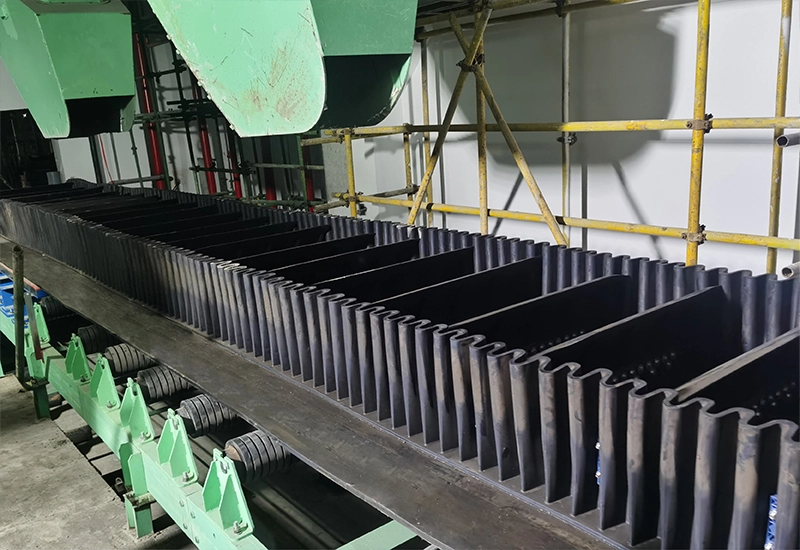
QBF corrugated sidewall conveyor belt with cross cleats passing around a curved conveyor section

What Is a Sidewall Conveyor Belt and When Should You Use One?

Nov 12, 2026

Learn how corrugated sidewall conveyor belts use raised edges and cleats to move bulk materials on steep inclines, and what buyers should check before specifying one.
READ MORE

See Latest Service

Hot‑vulcanized Splice

Our team provides professional 24/7 hot vulcanized splicing for sidewall, steel cord, fabric and pipe conveyor belts. Staffed with fully trained, experienced technicians and equipped with advanced mobile and stationary vulcanizing presses, we deliver seamless, long-lasting belt joints that optimize both technical performance and overall operational costs.
LEARN MORE

Selection Guide

QBF rubber provides professional customized sidewall belt selection services for all types of industrial inclined conveying scenarios. Supported by our independent self-developed selection system and senior German technical experts, we deliver accurate, application-oriented belt solutions tailored to actual site conditions, avoiding specification mismatches and unnecessary performance waste for optimal system operation.
LEARN MORE

Maintenance Service

We deliver reliable, plant-focused conveyor belt and system maintenance services designed to prevent unplanned downtime. Our certified on-site teams provide round-the-clock support for routine inspections, belt realignment, wear repairs, component replacements and system tuning. We help industrial facilities maintain stable throughput while lowering long-term operational and maintenance overhead.
LEARN MORE
contact us

Contact us

    Products
    Contacts
    WhatsApp
    Email