Pipe Conveyor Belt
Supporting sharp horizontal and vertical bends, it meets strict environmental requirements and helps plants remove redundant transfer points, favored by operators troubled by on site dust and leakage issues.
-
Description
-
Download
Product Overview
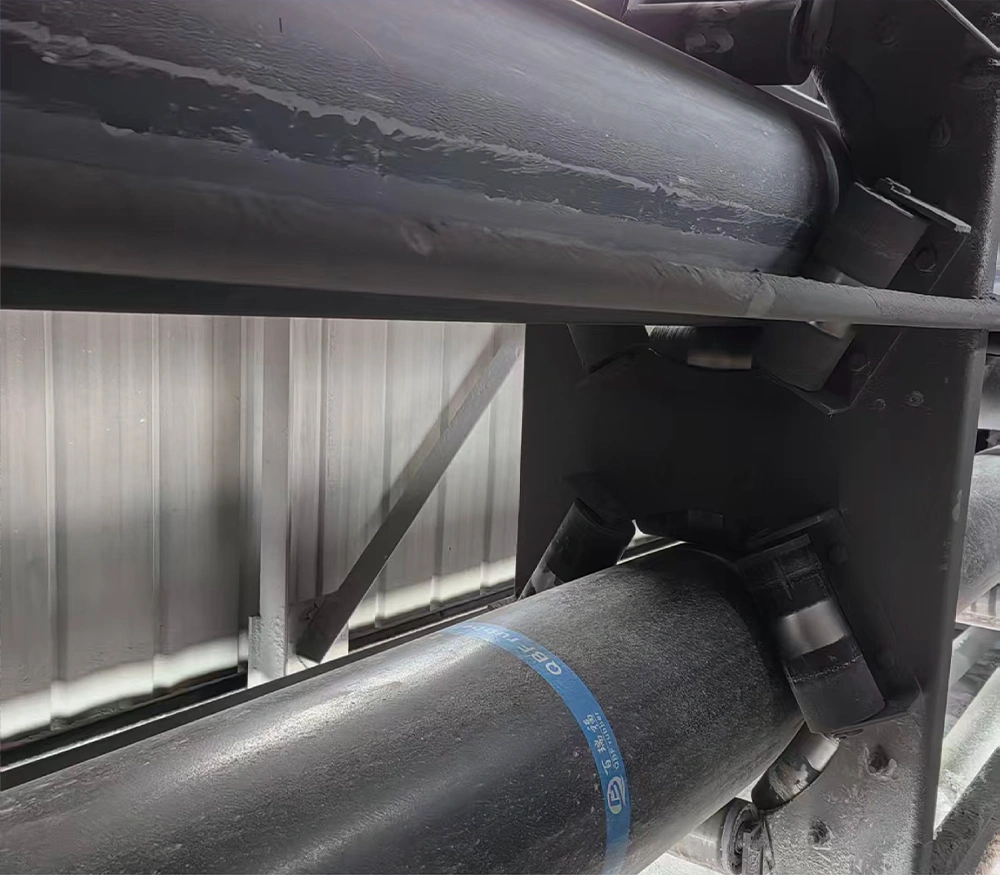
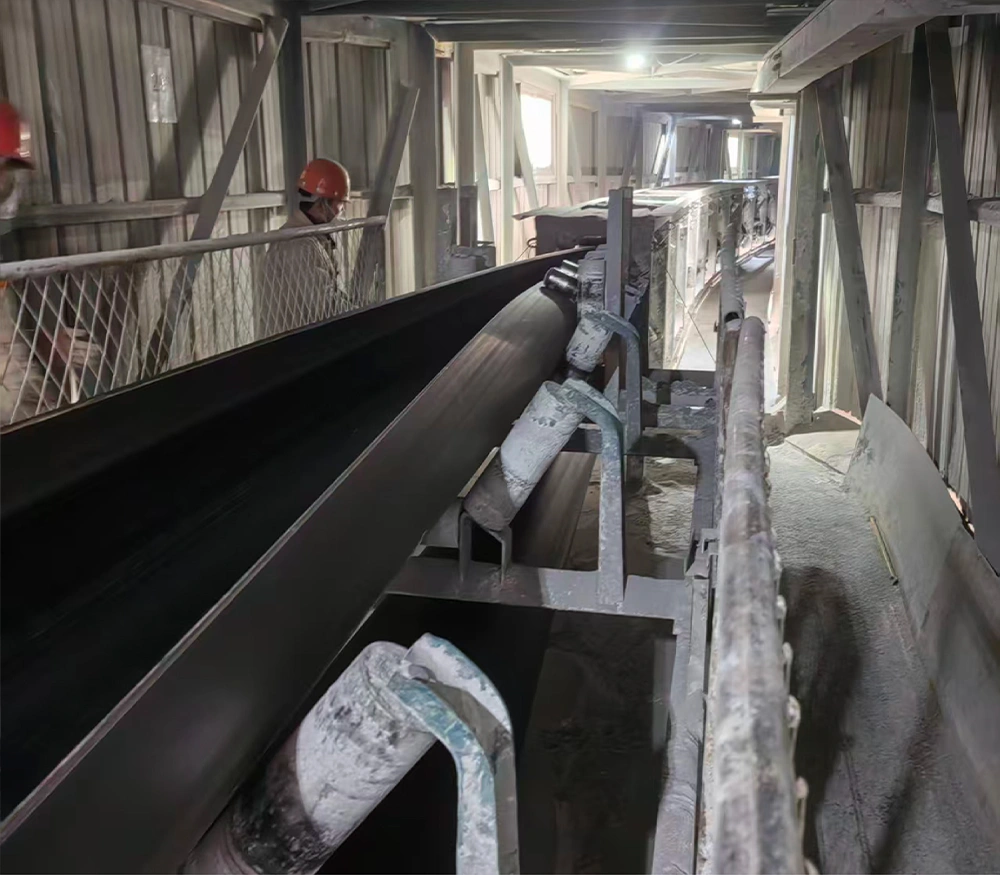
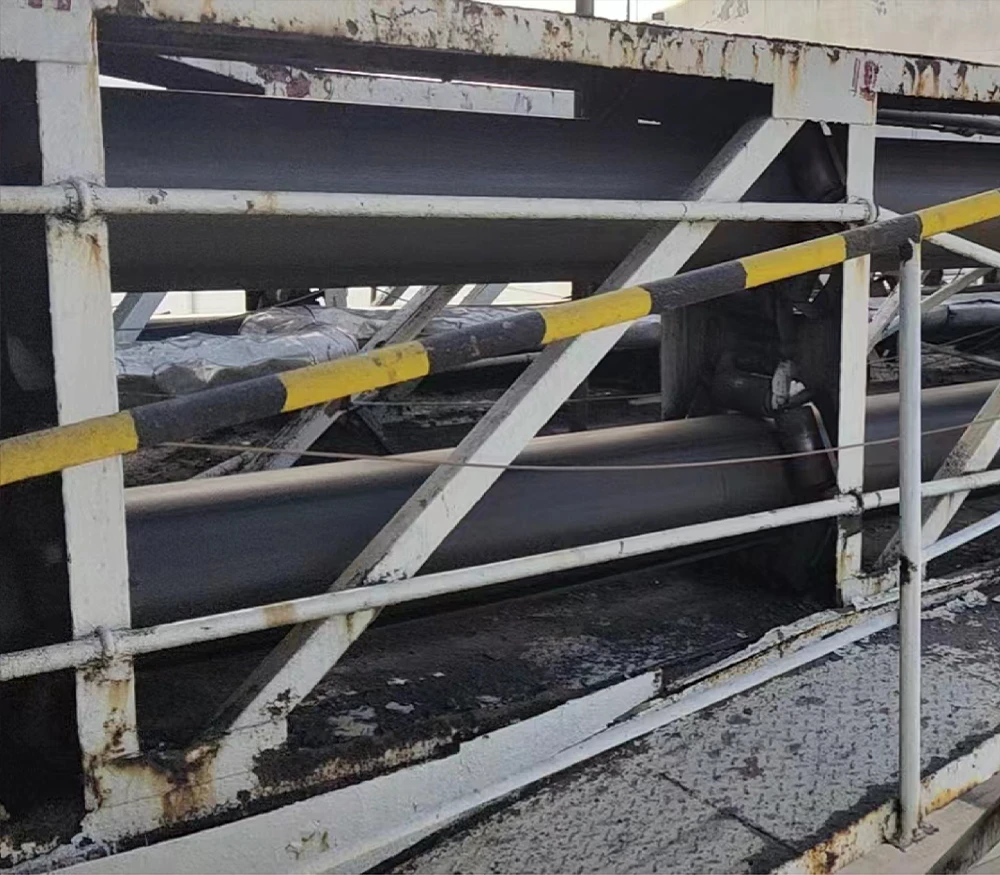
Lots of plant operators go for pipe conveyor belt (also called tubular conveyor belt), when dust control and zero spillage become big headaches on site. This belt folds into a closed tube during running. It locks bulk materials fully inside rubber tubing. No material spill off, little dust blow out, and keeps outside dirt away from conveyed goods.
It fits conveyor layouts with tight horizontal or vertical bends. Works great for jobs with strict local environmental rules. Many sites skip extra transfer points just by switching over to this tubular belt solution.
Features
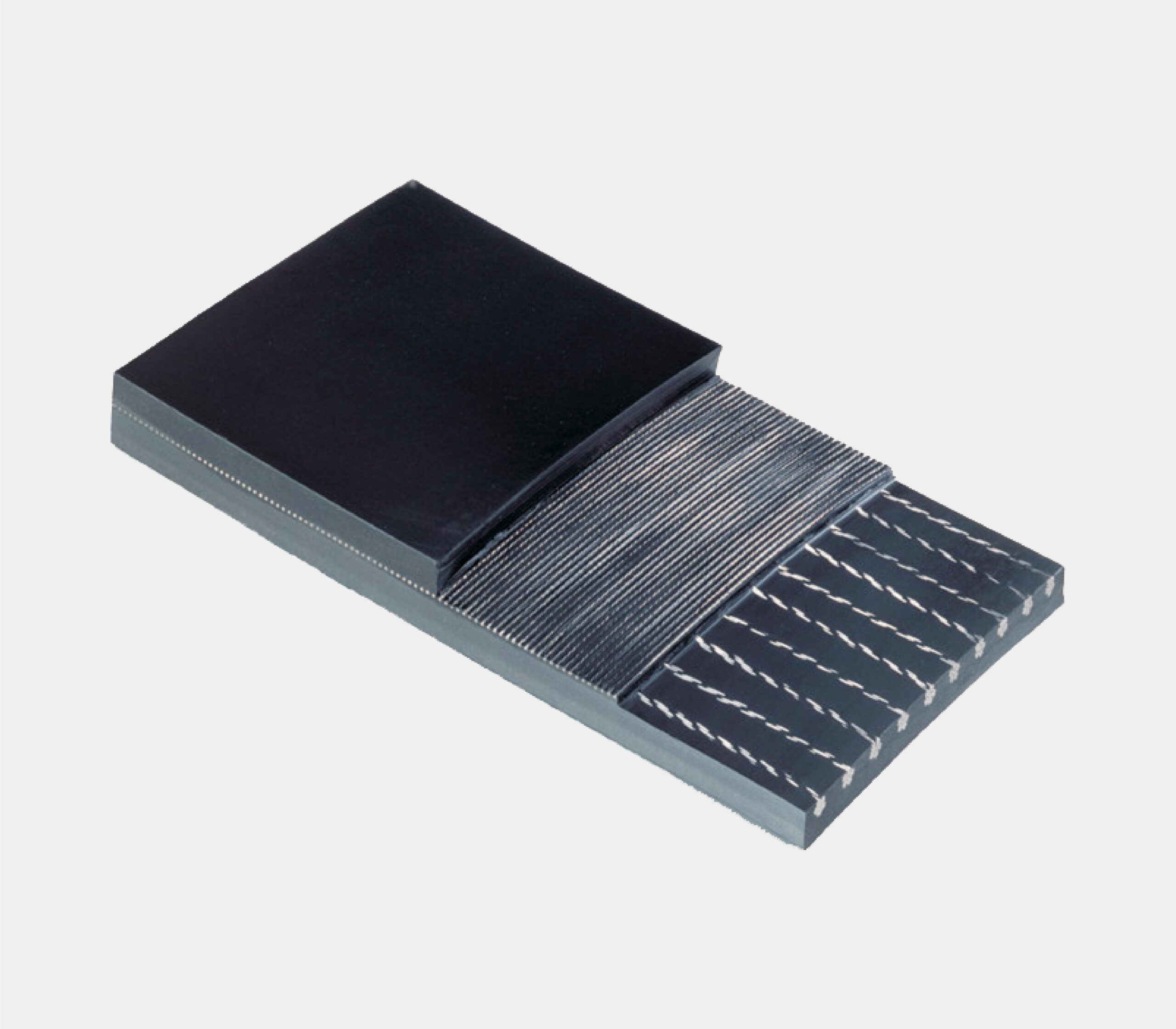
- Two reinforcement options: high tensile steel cords or multi ply textile carcass. Both deliver reliable tension strength for long distance, heavy volume bulk handling.
- Full set of cover rubber grades available. Each holds up well under continuous flexing, impact and cyclic load in real world plant conditions.
- Built in cross section rigidity. The tubular shape stays stable even under full load; avoids collapse or unwanted deformation.
- Tuned longitudinal elasticity. Makes the belt perform reliably on routes with sharp curve sections. Less need to build extra transfer stations.
- Carcass stiffness varies across belt width. Edges are made more flexible. This ensures firm, consistent overlap once the belt forms a pipe. Hardly any gaps open during normal running.
- Cuts material loss caused by spillage. Helps sites meet emission requirements.
- Handles high capacity and long haul conveying set ups.
Rubber Cover Options
Select suitable rubber compound based on your material and working environment:
- Normal Abrasion resistant:Standard choice for most regular bulk solids. Handles friction and particle impact in daily operation.
- Heat resistant: For hot feed like clinker, high temp ore and calcined products. Tolerates sustained high temperature contact.
- Low Rolling resistant:Brings down running friction. Cuts power draw for long conveyor lines and lowers your ongoing energy expense.
- Oil resistant: Use with oily or greasy bulk materials. Stops rubber swelling, softening and early performance failure from oil exposure.
- Flame retardant: Designed for underground mines and high fire risk zones. Limits flame spread once ignited.
- Acid & Alkali resistant:Resists chemical erosion when handling corrosive bulk or working in acid alkali fume surroundings. Slows rubber ageing.
Applications
Pipe conveyor belts handle bulk material transport across multiple industries, especially sites with high environmental protection expectations:
- Mining: Coal, ore and mine waste transport. Perfect for lines running close to residential zones or public roads.
- Power plants:Raw coal and coal ash delivery. Closed tube structure keeps coal dust from spreading to surrounding areas.
- Metallurgy: Move sinter, pellets and other metallurgical raw materials. Well suited for lines with frequent direction changes.
- Building materials: Limestone, cement clinker, gypsum and construction aggregates.
- Grain industry: Transport wheat, corn and similar crops. Shields grain from moisture, insects and external contamination.
Product Classification
Multi ply Fabric Pipe Conveyor Belt
Reinforced with multi layer high strength textile fabric. Suits light to medium load and medium length conveying lines. Lower overall project investment. Field splicing and routine maintenance can be done easily.

Specification
| Nominal Pipe Diameter (mm) | Φ100 | Φ150 | Φ200 | Φ250 | Φ300 | Φ350 | Φ400 | Φ500 |
| Belt Width (mm) | 360 | 600 | 800 | 1000 | 1100 | 1300 | 1600 | 1850 |
Adhesion Strength of Abrasion-resistant Belt (Type D) and Scratch-resistant Blet (Type H)
| Item | Fabric to Fabric
(N/mm) |
Fabric to Intermediate
(N/mm) |
Cover to Fabric (N/mm) | |
| Cover to FabricCover Thickness ≤1.5mm | Cover to FabricCover thickness >1.5mm | |||
| Maximum ≤ | 20 | 20 | 20 | 20 |
| Average ≥ | 8.0 | 8.0 | 5.0 | 6.0 |
| Minimum ≥ | 7.4 | 7.4 | 4.4 | 5.4 |
Steel Cord Pipe Conveyor Belt
Reinforced with heavy duty high strength steel cords. Provides very high tensile strength. Built for long distance, high tonnage pipe conveyor systems. Widely adopted in large scale mines and heavy industrial projects.

Specification
| Nominal Pipe Diameter (mm) | Φ200 | Φ250 | Φ300 | Φ350 | Φ400 | Φ500 |
| Belt Width (mm) | 800 | 1000 | 1100 | 1300 | 1600 | 1850 |
Technical Parameters
| Belt Width (mm) | ST630 | ST800 | ST1000 | ST1250 | ST1600 | ST2000 | ST2500 | ST2800 | ST3150 | ST3500 | ST4000 | ST4500 | ST5000 |
| 800 | 75 | 75 | 63 | 63 | 63 | 63 | 50 | 50 | 50 | 50 | |||
| 1000 | 95 | 95 | 79 | 79 | 79 | 79 | 64 | 64 | 64 | 64 | 64 | 59 | 55 |
| 1100 | 105 | 105 | 87 | 87 | 87 | 87 | 69 | 69 | 69 | 69 | 69 | 65 | 61 |
| 1300 | 124 | 124 | 103 | 103 | 103 | 103 | 83 | 83 | 83 | 83 | 83 | 77 | 72 |
| 1600 | 151 | 151 | 126 | 126 | 126 | 126 | 101 | 101 | 101 | 101 | 101 | 96 | 90 |
| 1850 | 177 | 177 | 147 | 147 | 147 | 147 | 119 | 119 | 119 | 119 | 119 | 111 | 104 |
| 2250 | 181 | 181 | 181 | 181 | 145 | 145 | 145 | 145 | 145 | 137 | 125 | ||
| 2450 | 197 | 197 | 197 | 197 | 158 | 158 | 158 | 158 | 158 | 148 | 139 |
FAQ
Q1: What real world benefits does pipe conveyor belt have vs regular open flat conveyor belt?
A: It runs as a fully sealed tube. Bulk material stays wrapped inside. You get nearly zero spillage and much less dust. Another practical plus: it can go through sharp bends. Normal flat belts need extra transfer stations to change direction, which adds cost.
Q2: Can pipe conveyor belts take both horizontal and vertical curves?
A: Yes. Its carcass is built for flexible routing. It supports horizontal turning as well as height change. Still you must follow system design on minimum curve radius. Don’t exceed design limits.
Q3: Fabric pipe conveyor belt or steel cord type — how to pick?
A: Pick multi ply fabric version for short to medium conveying distance, moderate throughput and cost sensitive projects. Go with steel cord type when you need ultra long conveying distance, heavy payload and high tension working conditions.
Q4: How do I decide which rubber cover grade to order?
A: Base your choice on actual conveyed material. Normal abrasion resistant works for regular ore and stone. Use heat resistant for hot material feed. Oil resistant for oily goods. Acid & alkali resistant for corrosive bulk. Send over your material temperature, chemical traits and site conditions, we can give practical suggestions.
Q5: Common field issues to watch out for during operation?
A: Operators often run into poor edge overlap, tube shape distortion, abnormal edge wear and cover rubber damage. Check roller sets, loading status and belt overlap on a regular basis. These simple checks help extend belt service life. Actual service life also depends on material abrasiveness and daily running hours.
Q6: Can we splice pipe conveyor belt on site?
A: Yes. Hot vulcanisation and mechanical fastener splicing are both workable options. Hot vulcanised splice gives better overall integrity and longer service life for pipe conveyor use.
-
Questionnaire List of Pipe Conveyor Belt Download
Products
Base belt
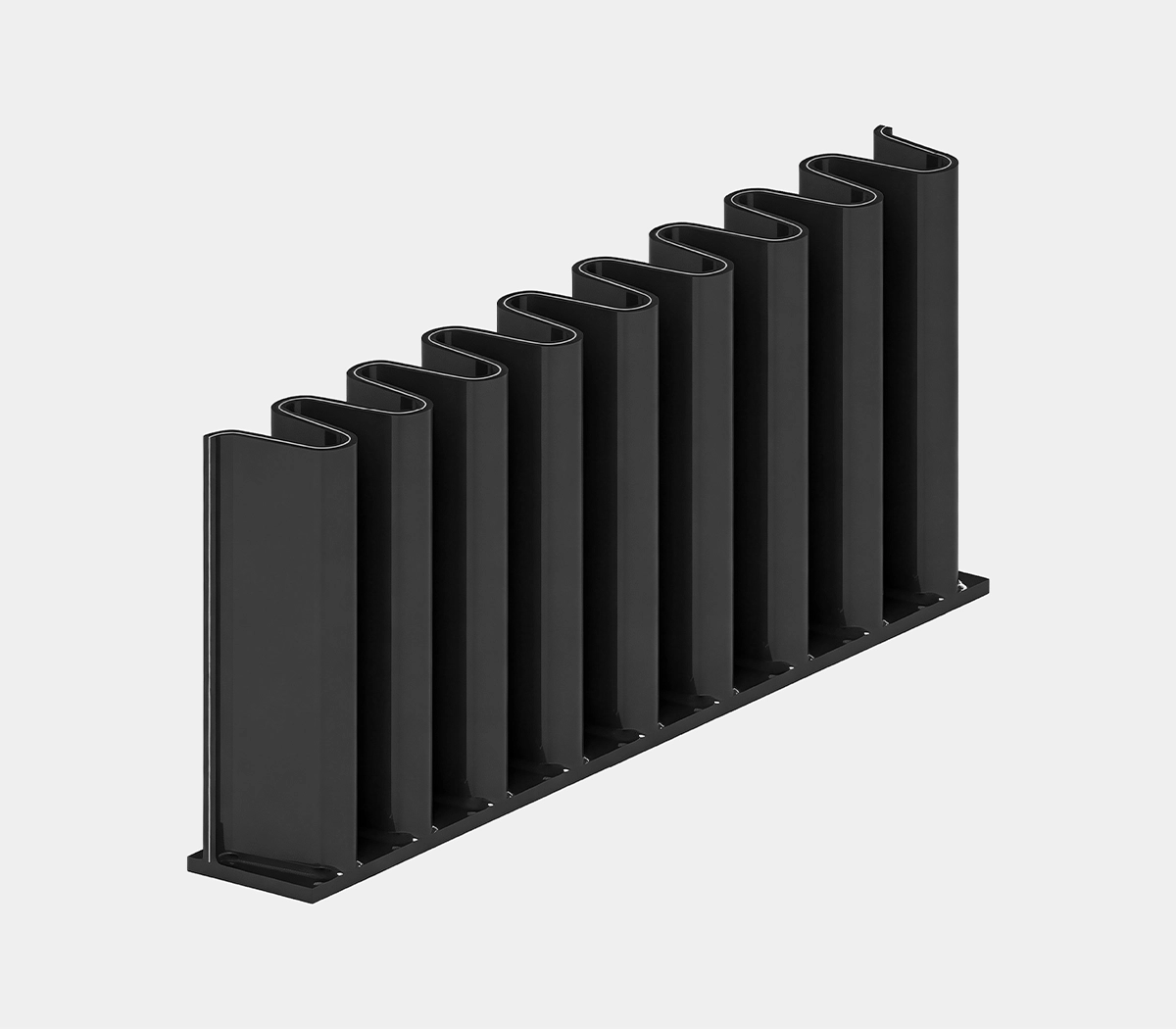
Sidewall
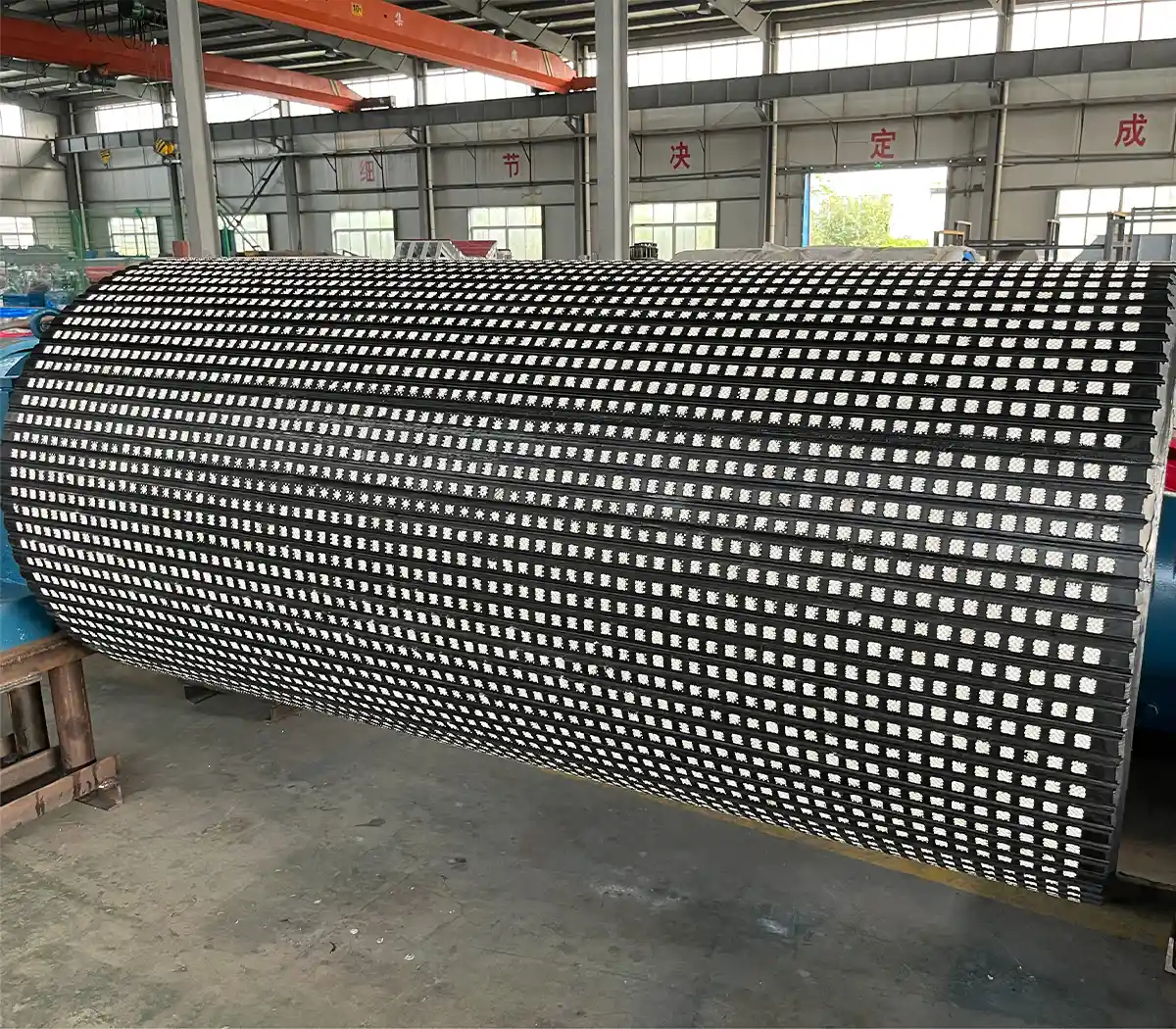
Pulley Lagging
Rubber Wear Lining
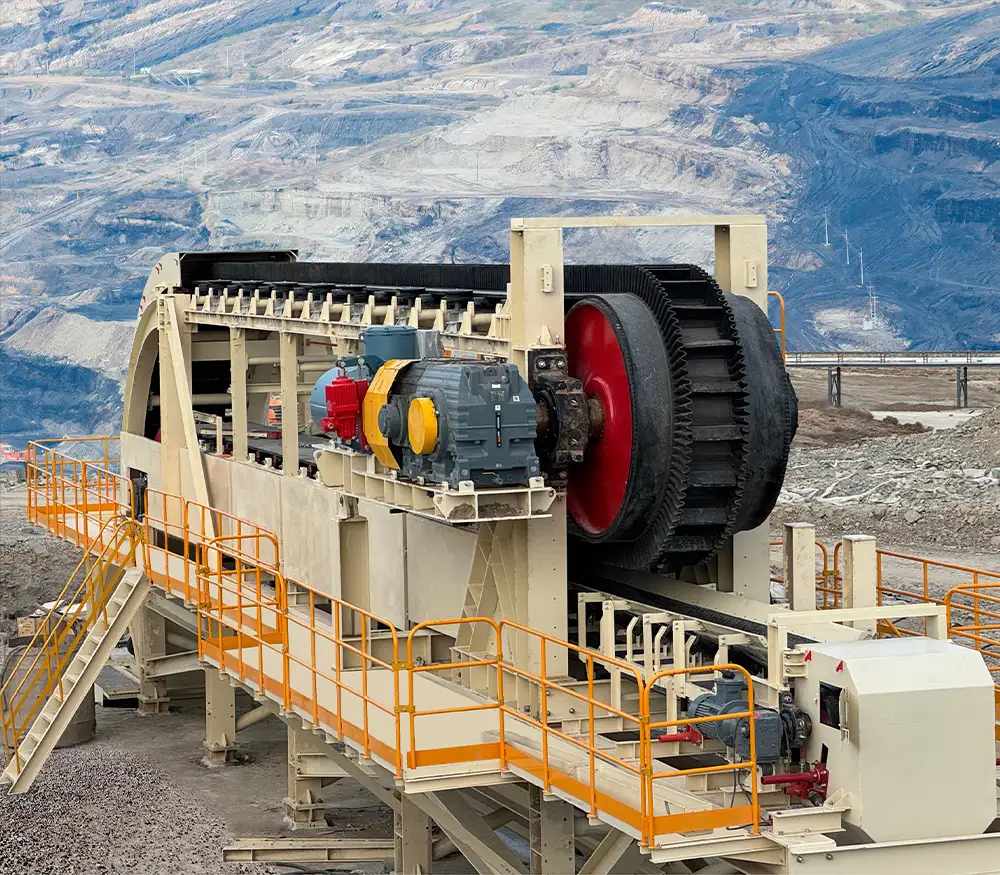
Sidewall Conveyor Belt
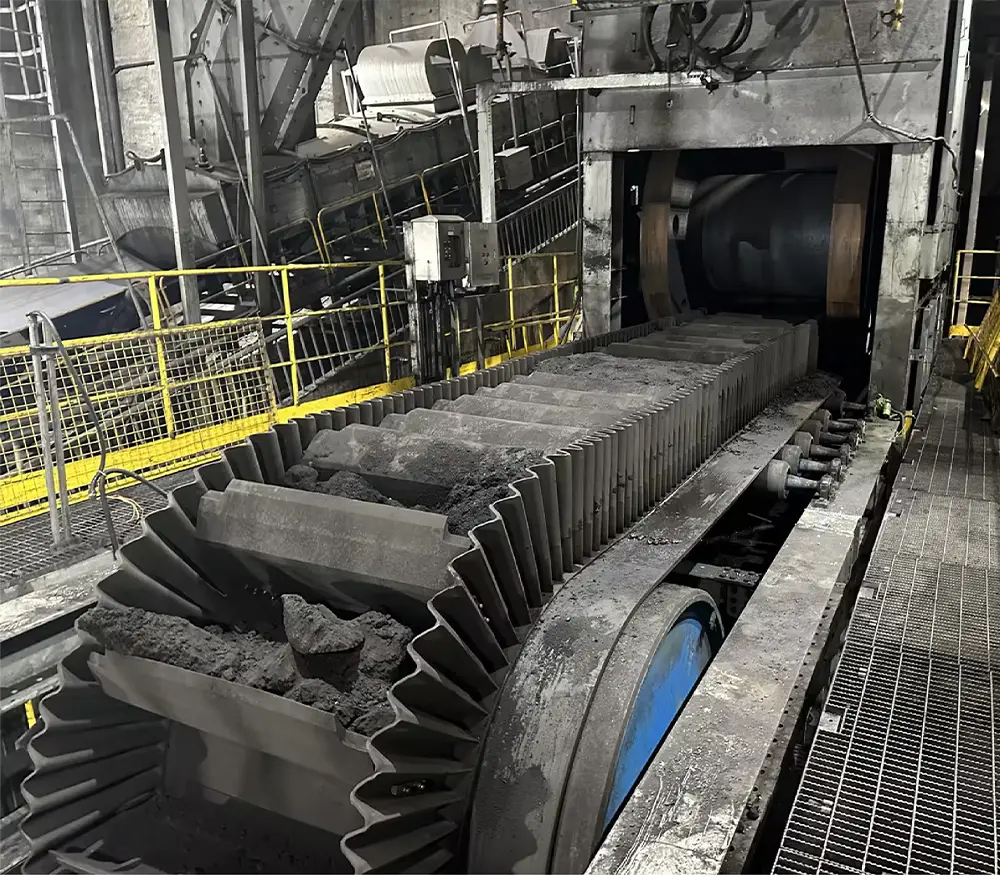
EPDM High Temperature Sidewall Conveyor Belt
Recent news
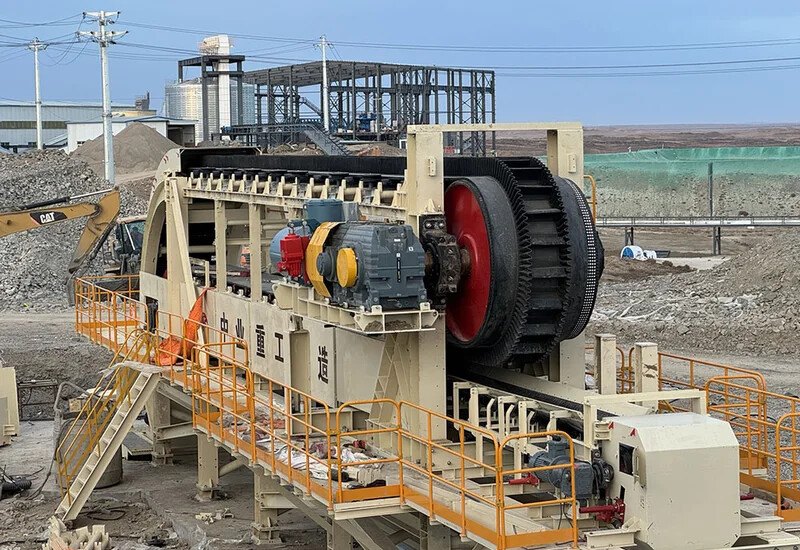
How Does a Sidewall Conveyor Belt Work?
Nov 19, 2026
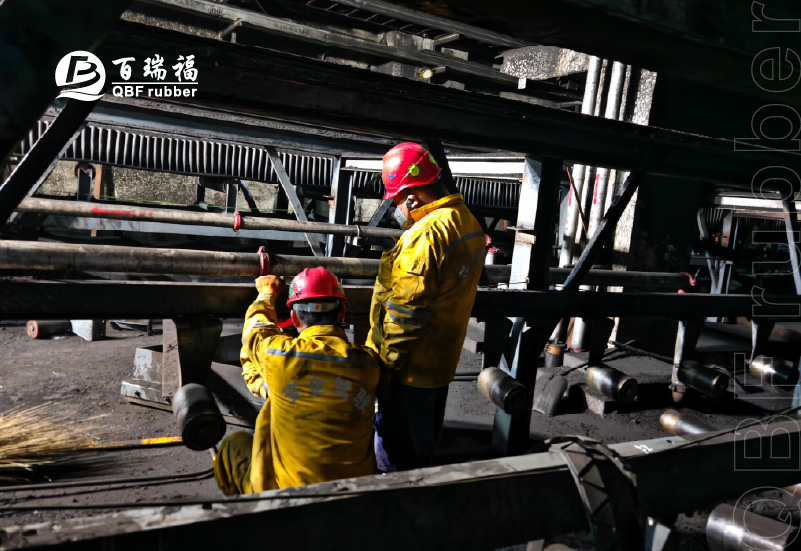
Sidewall Conveyor Belt Retrofit Enters Installation at Coal Chemical Plant
Nov 20, 2026
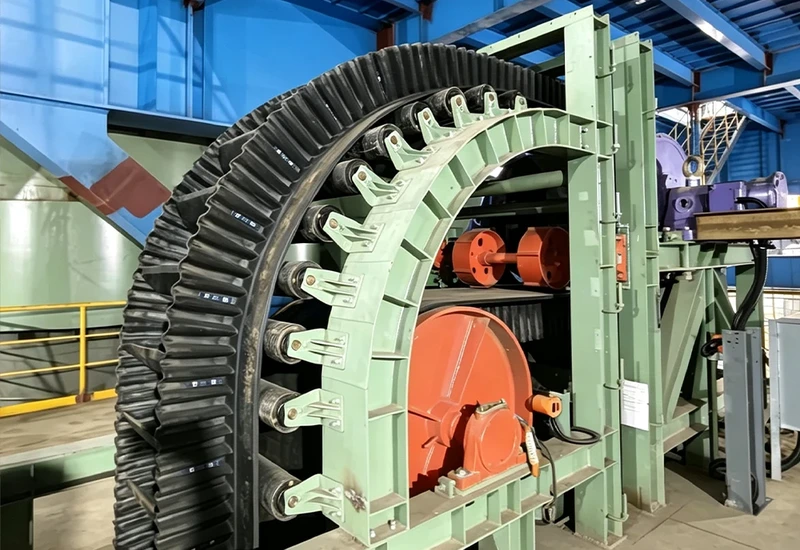
What Is a Sidewall Conveyor Belt and When Should You Use One?
Nov 12, 2026
See Latest Service