Heat Resistant Conveyor Belt

Heat Resistant Conveyor Belt

QBF rubber’s heat resistant conveyor belt for cement clinker, sinter ore & hot castings. Fabric and steel cord types, T1 T5 temperature grades. Custom high temperature conveyor belts for metallurgy, cement, power plants.

Introduction

Many plants across metallurgy, cement, foundry and power sectors need belts to move hot bulk goods. Standard rubber belts burn, crack and delaminate quickly when in constant contact with hot material. They force frequent stops for belt change out and push up running costs on production lines.

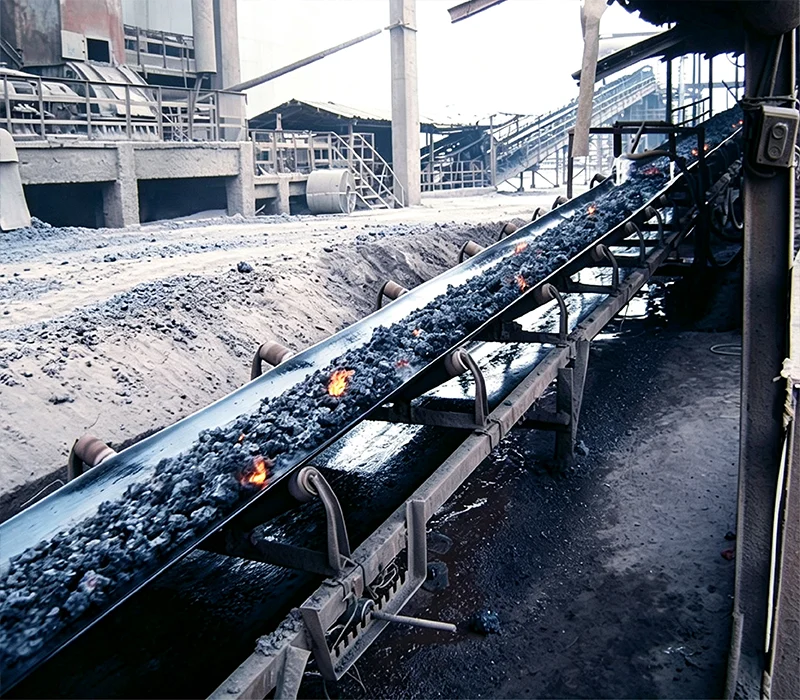
Our heat resistant conveyor belts are built for these tough on site conditions. They handle hot sinter, coke, hot metal pieces and cement clinker day in and day out, helping operators cut unplanned downtime and lower total operating expenses.


Temperature Rating & Application Reference

Use this specification table for your initial grade selection. Please note peak temperature only allows short term thermal shock, not continuous operation. Actual performance will shift based on material pile thickness, feed rate and idler setup. For regular peak heat impact on site, pick one grade higher for safety margin.


Rating Continuous Temp. Peak Temp. Belt Surface Temp. Applications
T1 ≤100℃ 150℃ ≤75℃ Low temp. materials (e.g. hot coke, cement)
T2 ≤125℃ 170℃ ≤100℃ Medium temp. materials (e.g. sinter, slag)
T3 ≤150℃ 200℃ ≤125℃ High temp. materials (e.g. metallurgical coke)
T4 ≤175℃ 250℃ ≤150℃ Extreme high temp. materials (e.g. molten slag, castings)
T5 ≤200℃ 400℃ ≤175℃ Special metallurgical processes

Practical reminder: Material temperature alone cannot decide belt grade. How long hot goods sit on the belt and feeding layer thickness both matter. Send over your site working data and our engineering staff will confirm the right model for you.


Product Classification

We supply two main styles of heat resistant rubber conveyor belts: fabric reinforced and steel cord reinforced.

  • Fabric heat resistant conveyor belt: Textile fabric forms the load carrying core. Works for medium tension, mid range conveying distance. Fits most common hot material transport lines in cement and metal processing sites.
  • Steel cord heat resistant conveyor belt: Embedded steel cords take the tension load. Offers much higher tensile strength. Made for long haul, high volume and heavy duty routes under sustained high heat.


Key Performance & Construction Features

We design these belts around real world plant pain points instead of lab only performance data.

  • Resist heat erosion and aging from long hot material contact. Rubber cover will not turn brittle rapidly under repeated thermal cycles.
  • Handles outdoor installation and light chemical fumes often seen inside cement and chemical workshops.
  • Good troughing behaviour when running on idler sets. Holds material in place and reduces spillage even with uneven hot feed input.
  • Strong inter ply bonding. Layers stay stuck tight through cycles of heating and cooling. Lower chance of delamination out in the field.
  • Delivers longer working life versus general rubber belts under hot material conveying conditions.

For material formula and build details:

EPDM rubber serves as our main cover compound. It fights surface charring and large scale rubber peel off, two very common field failures for high temp conveyor belt.

Fabric series belts use high strength textile core material. This reduces edge warping, also known as “lotus leaf edge”, a frequent defect caused by ongoing high heat exposure.

We boost bonding strength between cover rubber and belt core. This directly targets two frequent site complaints: cover rubber peeling and layer separation caused by repeated hot cold shifts.

Extra heat resistant rubber layers are added in our build. Insulation fillers and reinforcing layers sit inside the belt structure. They slow heat travelling inward to the tension core and protect the load bearing skeleton from thermal damage.


Main Application Scenarios

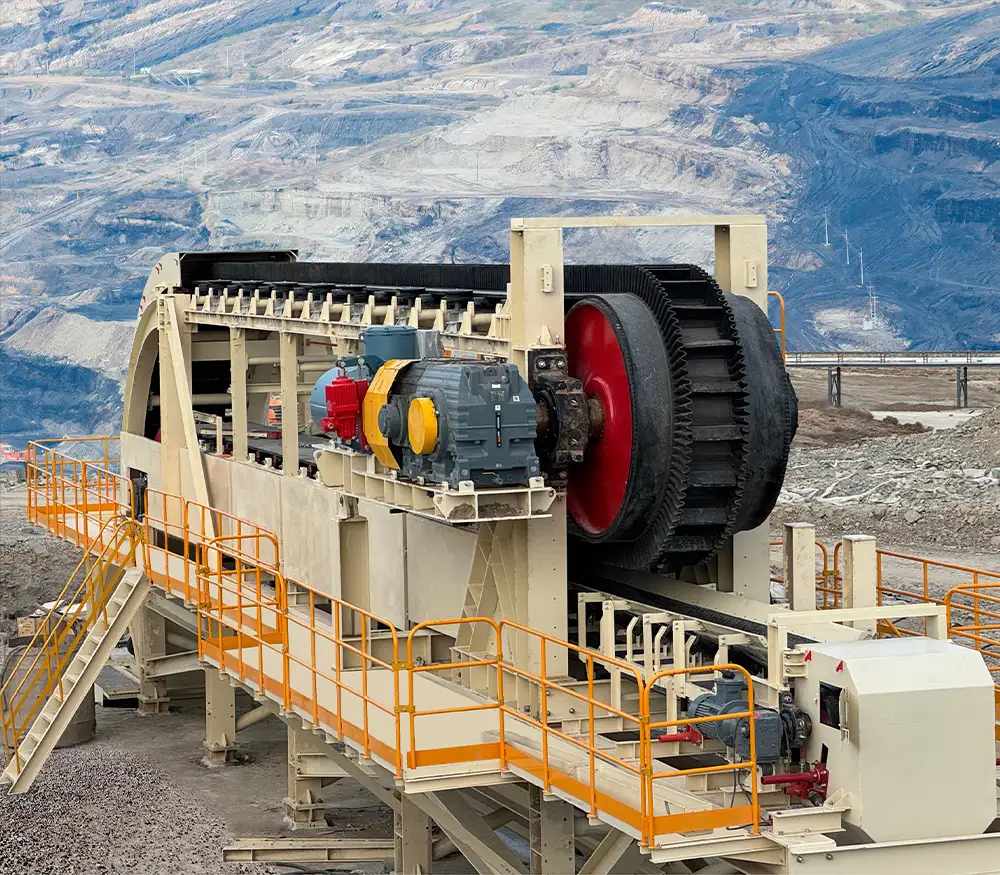
  • Cement plant: Convey hot clinker discharged from rotary kilns
  • Metallurgical works: Transport sinter ore, coke, hot iron and steel cast components
  • Foundry shop: Move hot cast work pieces and casting waste
  • Thermal power plant: Handle high temperature boiler ash and slag
  • Building material plant: Carry hot calcined raw bulk material
  • Chemical facility: Transport hot granular and block form chemical feedstock

Note: Real working temperature outcome depends on material surface heat, contact time, feed thickness and belt speed. Share your site parameters and we give grade suggestions.


FAQ

Q1: How should I pick the correct temperature grade?

A: Do not only look at maximum material temperature. Check the actual surface heat of your cargo, how long hot material stays on belt, stacking thickness and belt running speed. Peak temperature rating applies only for short heat spikes. For example, thin layer 200℃ feed can run on T5, but thick piled hot material may need custom upgraded formula. Send us your site conditions and our sales engineers will advise accordingly.

Q2: What problems happen most often with heat resistant belts on site?

A: Usual field issues include cover rubber burn and crack, edge warping, inter layer split and rubber peeling. Most stem from wrong temperature grade selection, too thick hot feed, or poorly adjusted idler layout. Our belt build addresses these known failure causes.

Q3: Do you make custom non standard heat resistant conveyor belts?

A: Yes. Beyond T1 T5 standard grades, we support custom width, cover thickness, special rubber compound and structural tweaks. This covers ultra high heat or light chemical exposure cases. Please pass over your full working condition details.

Q4: What practical steps help extend belt service life?

A: Avoid dropping over heated bulk material from high position straight onto belt surface. Modify feed chutes to soften material impact. Make sure all idlers rotate freely. Stuck rollers create local over heating and accelerate belt wear.


Products

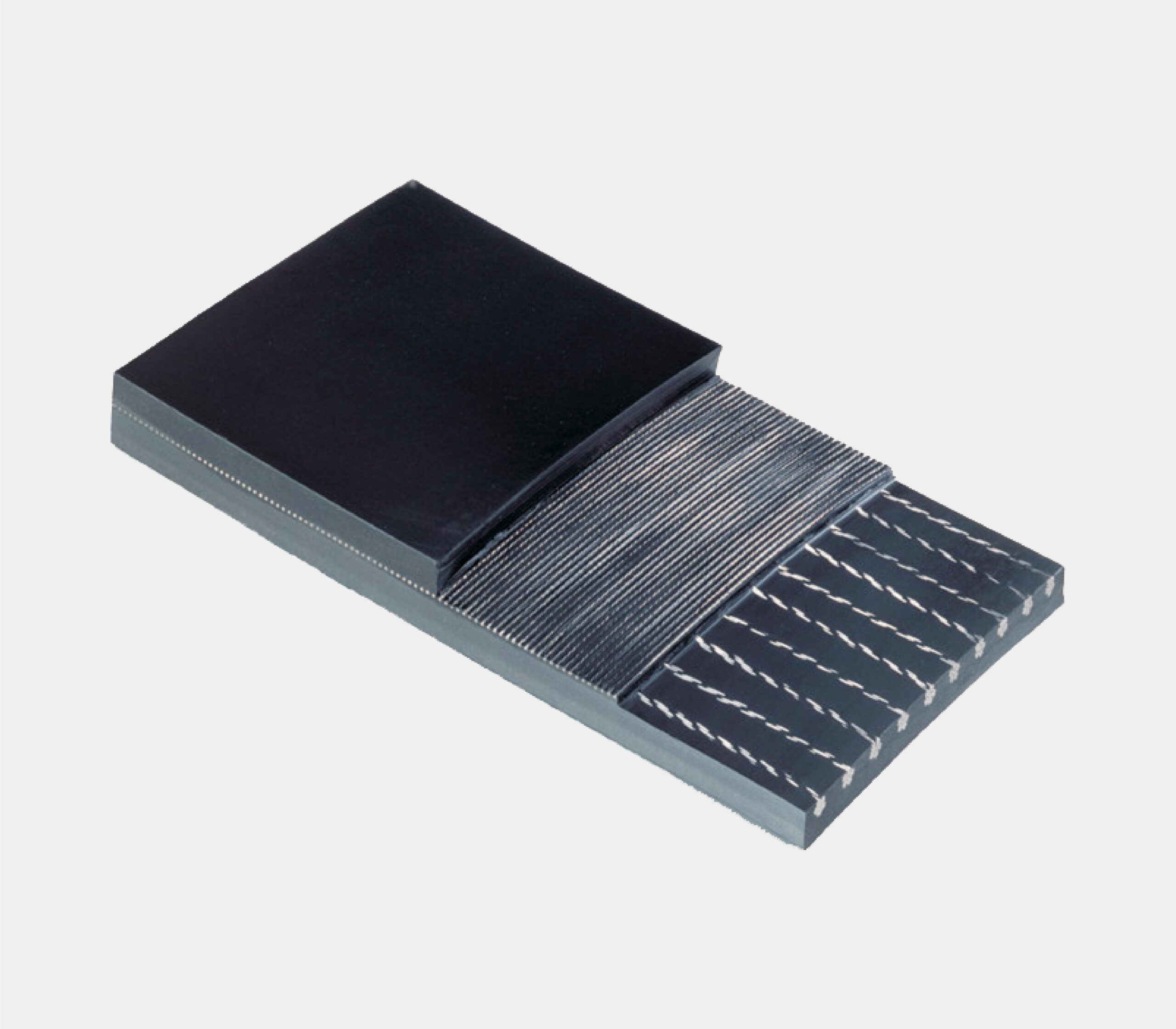
Steel Cord Base Belt

Base belt

Unlike standard belts, our base belts feature enhanced transverse stiffness to prevent deformation at deflection points, while maintaining longitudinal flexibility for smooth operation around pulleys. Manufactured strictly in accordance with international standards (DIN/ISO/EN), our base belts ensure long-term stability and reliable performance across demanding bulk handling applications.
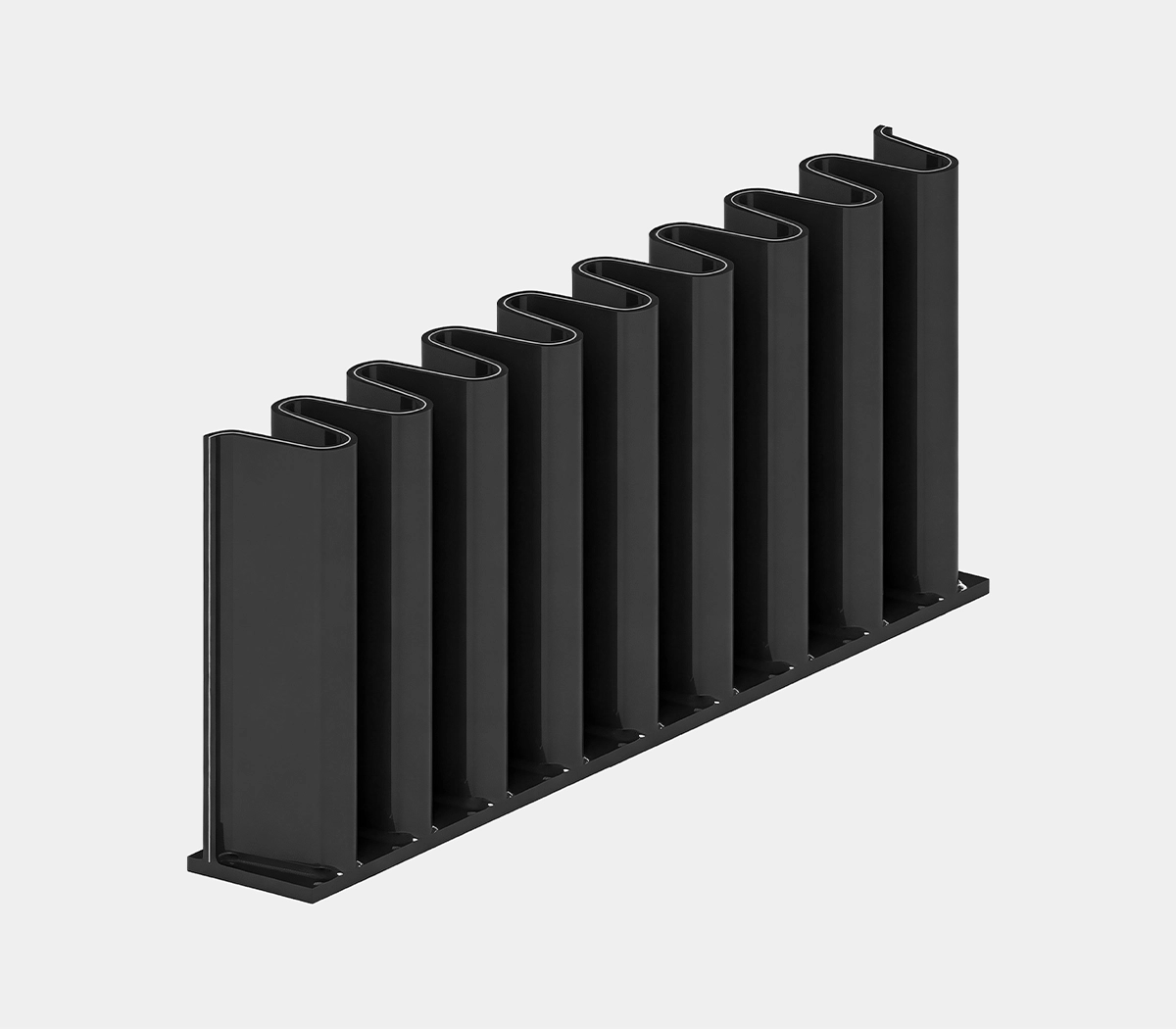
Sidewall

Sidewall

This reinforced sidewall features premium rubber compound and integrated fabric reinforced structure to boost flexing fatigue resistance and prevent corrugation cracks. Validated by dynamic fatigue tests, it offers diverse rubber properties and multiple standard/custom sizes, delivering reliable long term performance under complex working conditions.
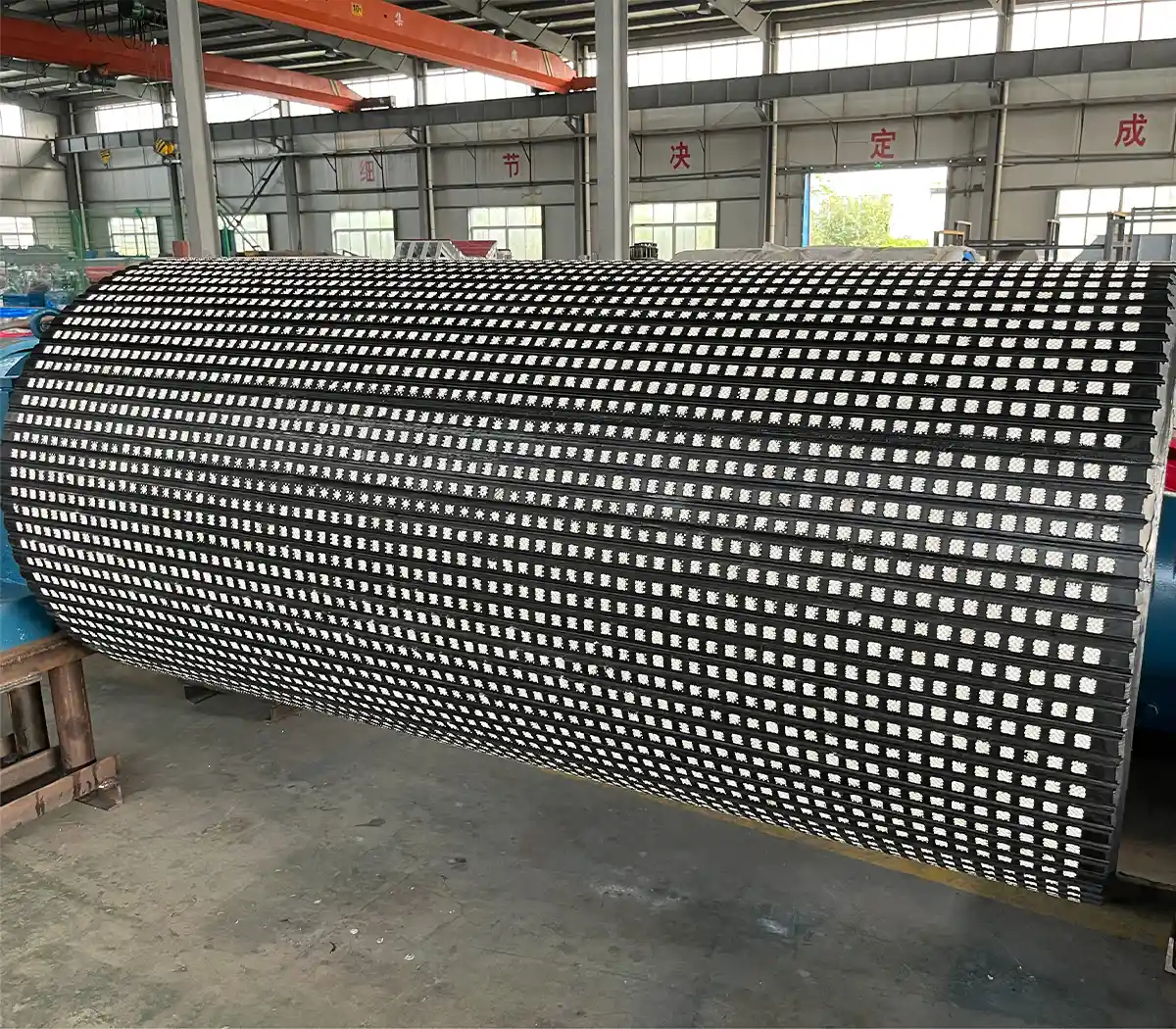
Ceramic Pulley Lagging

Pulley Lagging

High-performance ceramic pulley lagging addresses belt slip, fast wear, material buildup and short pulley life. This cold-bond type allows on-site installation without factory hot vulcanization. Combining 92% alumina ceramic tiles and rubber backing, it offers superior friction even under wet, muddy conditions for mining, quarry and port bulk-handling applications.
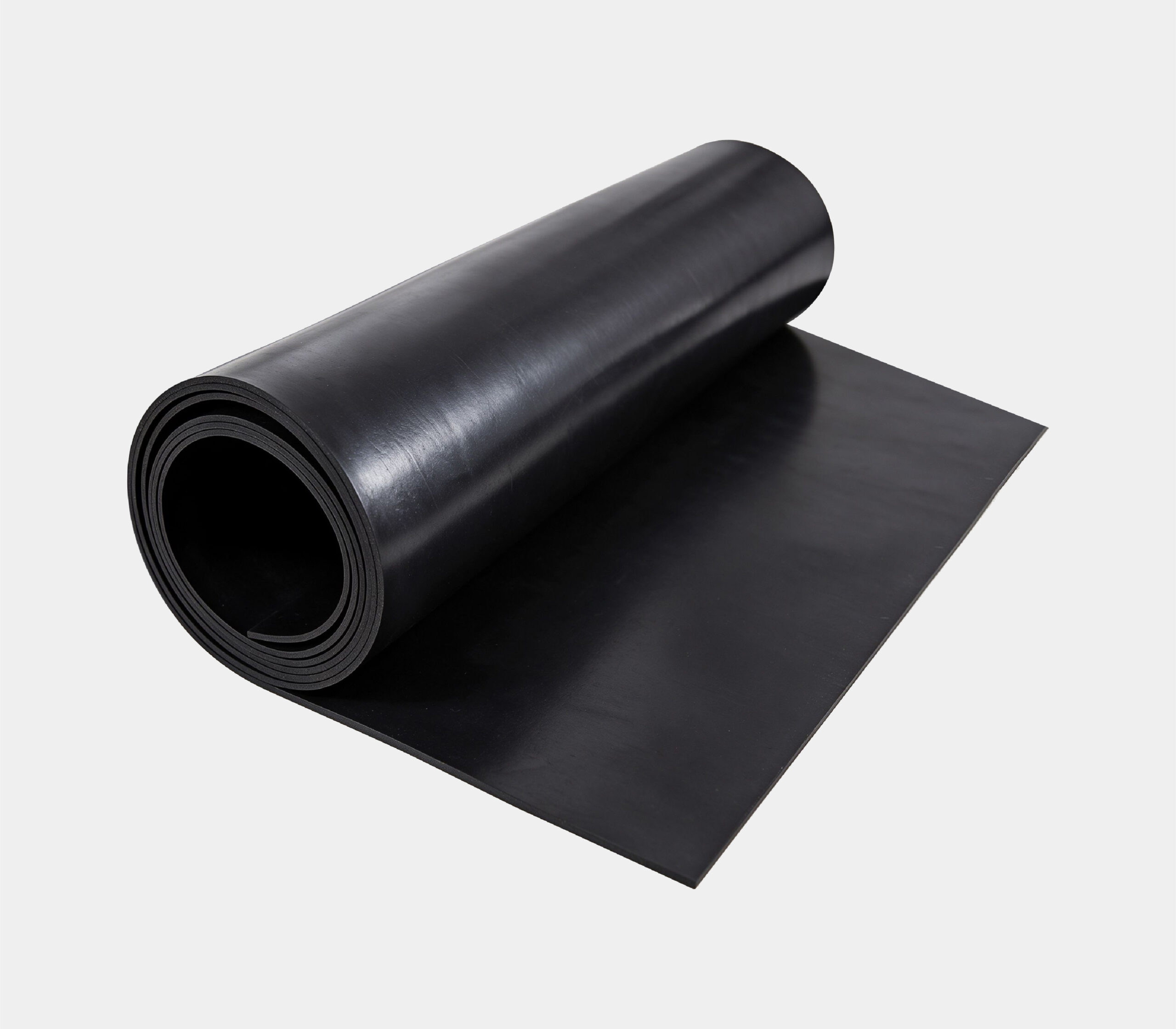
Rubber Wear Lining 05

Rubber Wear Lining

Our rubber wear lining is a high-toughness protective rubber layer engineered for industrial equipment interiors. Featuring outstanding abrasion, impact and corrosion resistance, it effectively safeguards mills, chutes and hoppers from long-term material scouring. Lightweight, durable and fully customizable, it cuts maintenance costs and reduces noise, ideal for mining, cement and chemical industrial applications.
Sidewall Conveyor Belt

Sidewall Conveyor Belt

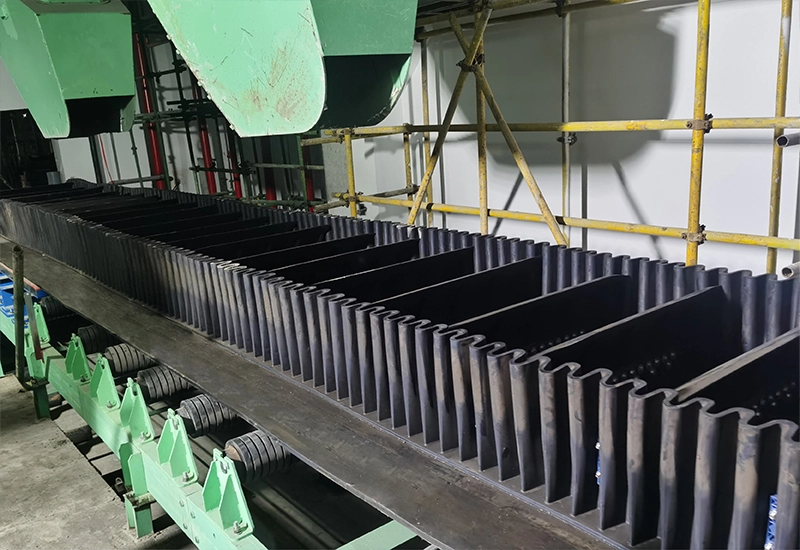
QBF rubber specializes in designing and manufacturing high-quality steep incline conveyor belts for bulk material lifting across industries such as harbors, metallurgy, tunneling, power plants, chemicals, cement, and metro. As the only Chinese manufacturer using full European molds and standards, QBF rubber provides complete solutions covering belt selection, production, installation, commissioning, and trouble shooting.
EPDM High Temperature Sidewall Conveyor Belt

EPDM High Temperature Sidewall Conveyor Belt

Custom EPDM high temperature sidewall conveyor belt resists 300℃ instant thermal shock. Ideal for cement, metallurgy, power plant hot bulk material conveying.

Recent news

How Does a Sidewall Conveyor Belt Work

How Does a Sidewall Conveyor Belt Work?

Nov 19, 2026
See how a sidewall conveyor belt moves bulk material from loading to steep lifting and discharge, and learn how corrugated sidewalls and cleats work.
READ MORE
Chemical Sidewall Conveyor Belt

Sidewall Conveyor Belt Retrofit Enters Installation at Coal Chemical Plant

Nov 20, 2026
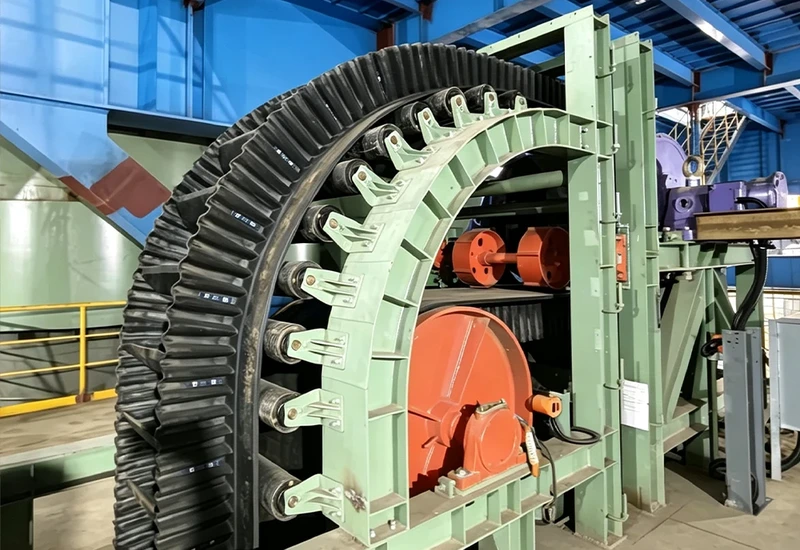
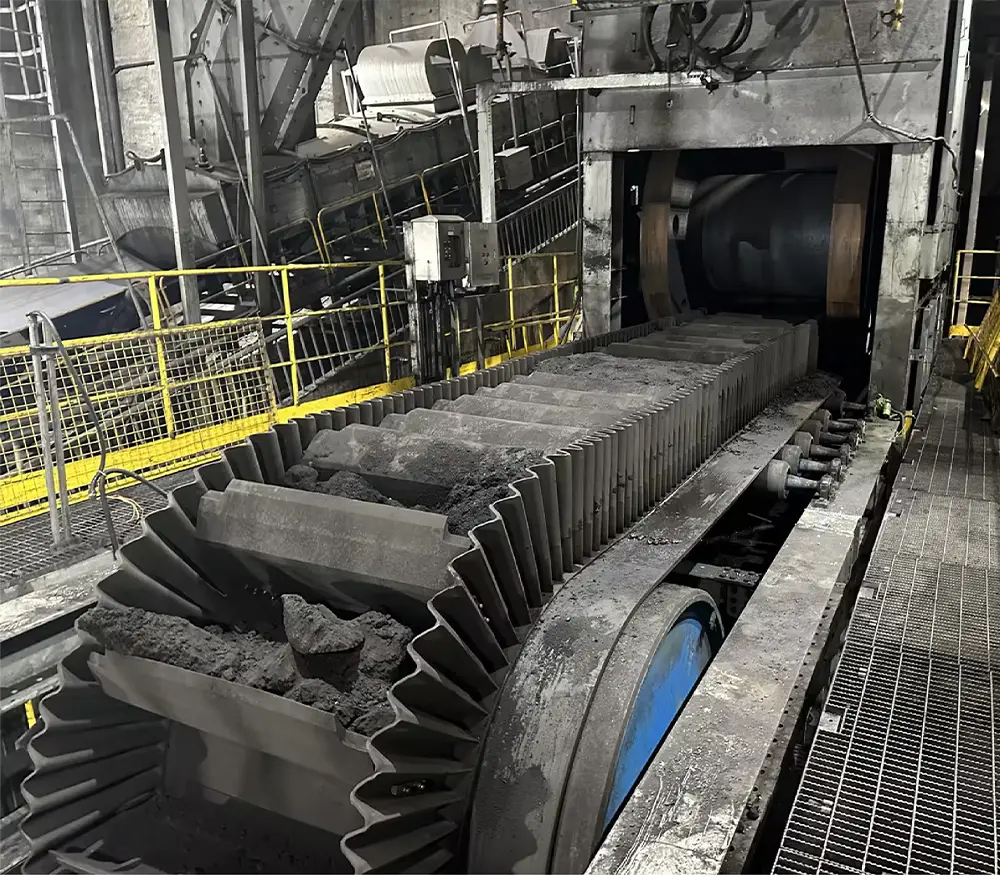
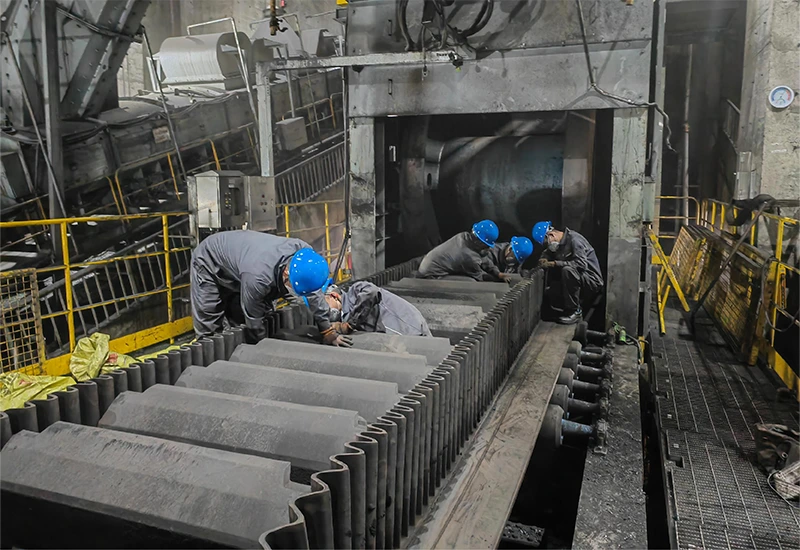
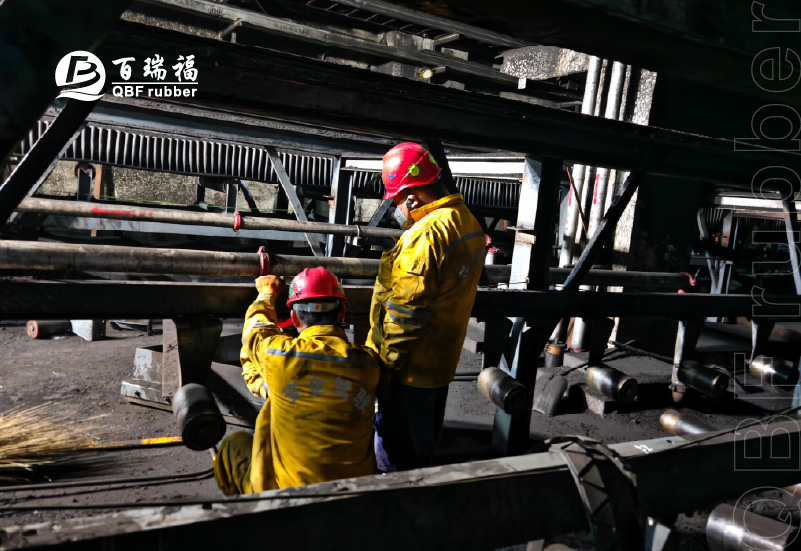
QBF rubber is on site at a coal chemical plant, installing a corrugated sidewall conveyor belt as part of a retrofit. The belt it replaces had worn unevenly and run off-centre for most of its service life. The new specification was not picked from a catalogue. It came out of a survey of the conveyor that carries it. Where the problem actually sat Before a belt was quoted, QBF rubber engineers walked the line end to end. They looked at the material and how it behaves in the trough, at the belt path and the transitions, at skirt clearance. Idlers and pulleys were checked too, along with the shape they were in. The picture that came back was consistent. The belt was worn, yes. It was also the wrong belt for the duty. A belt that does not match its line will run off-centre, and once it runs off-centre, wear concentrates in a few places and speeds up there. Correct the tracking alone and the wear comes back. The new specification: B1400 S300 TC280, flame-retardant K3 The replacement belt is specified as B1400 S300 TC280, flame-retardant K3. The figures were set during the survey, not taken off a stock list, and they match the duty this line actually runs. Width, wall height and base stiffness follow the material, the incline and the geometry of the conveyor. On this line they were set during the survey, then checked against the duty the belt actually runs.   Splices made on site, then commissioning The belt is joined on site by hot vulcanization, not with mechanical fasteners. The splice is pressed and cured under heat on the line itself. On a sidewall belt the wall and cleats are cured with the splice, so the wall runs continuous through the joint instead of breaking at every connection. Commissioning follows the splicing. Tracking is corrected, tension is set, and the belt is run before material goes on it. Belt changes are shutdown work at a coal chemical plant. What this project is after is a line that tracks straight, wears evenly, and a next change that can be scheduled rather than forced.
READ MORE
QBF corrugated sidewall conveyor belt with cross cleats passing around a curved conveyor section

What Is a Sidewall Conveyor Belt and When Should You Use One?

Nov 12, 2026

Learn how corrugated sidewall conveyor belts use raised edges and cleats to move bulk materials on steep inclines, and what buyers should check before specifying one.
READ MORE

See Latest Service

Hot‑vulcanized Splice

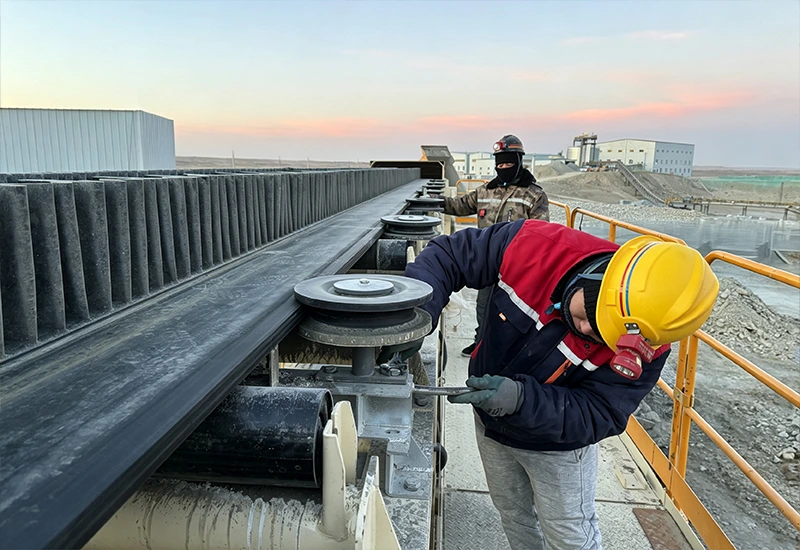
Our team provides professional 24/7 hot vulcanized splicing for sidewall, steel cord, fabric and pipe conveyor belts. Staffed with fully trained, experienced technicians and equipped with advanced mobile and stationary vulcanizing presses, we deliver seamless, long-lasting belt joints that optimize both technical performance and overall operational costs.
LEARN MORE

Selection Guide

QBF rubber provides professional customized sidewall belt selection services for all types of industrial inclined conveying scenarios. Supported by our independent self-developed selection system and senior German technical experts, we deliver accurate, application-oriented belt solutions tailored to actual site conditions, avoiding specification mismatches and unnecessary performance waste for optimal system operation.
LEARN MORE

Maintenance Service

We deliver reliable, plant-focused conveyor belt and system maintenance services designed to prevent unplanned downtime. Our certified on-site teams provide round-the-clock support for routine inspections, belt realignment, wear repairs, component replacements and system tuning. We help industrial facilities maintain stable throughput while lowering long-term operational and maintenance overhead.
LEARN MORE
contact us

Contact us

    Products
    Contacts
    WhatsApp
    Email