Steel Cord Conveyor Belt
-
Description
-
Download
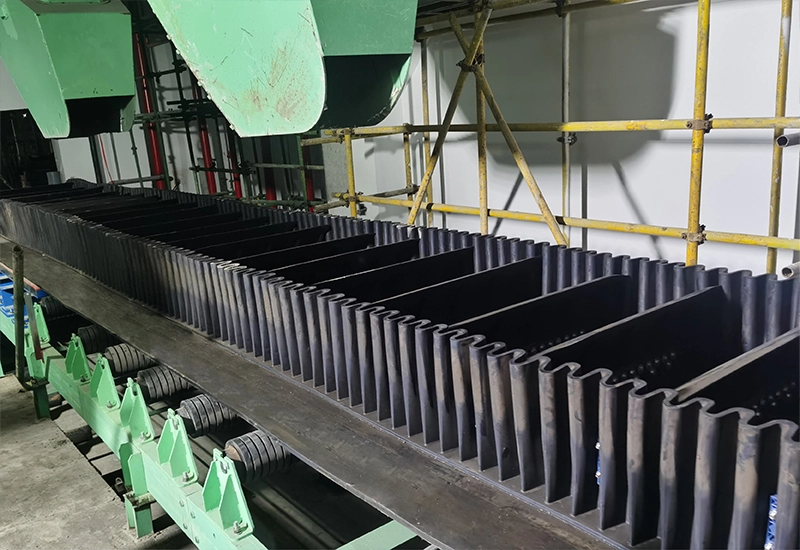
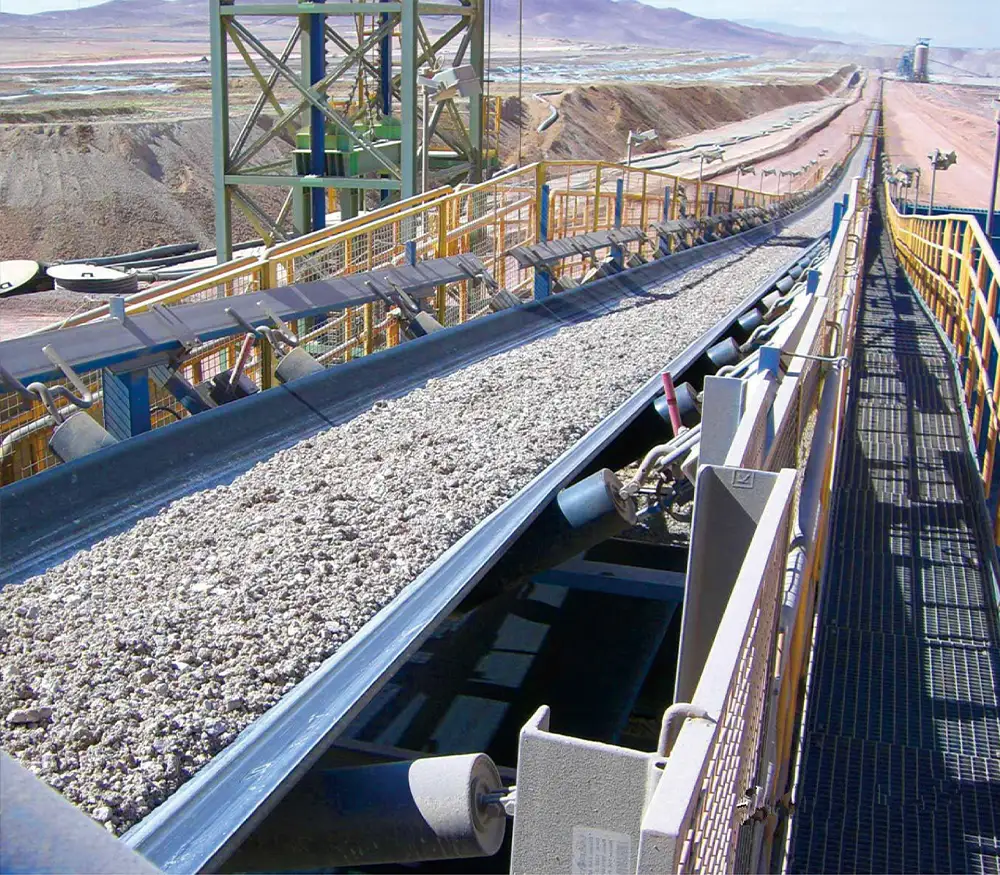
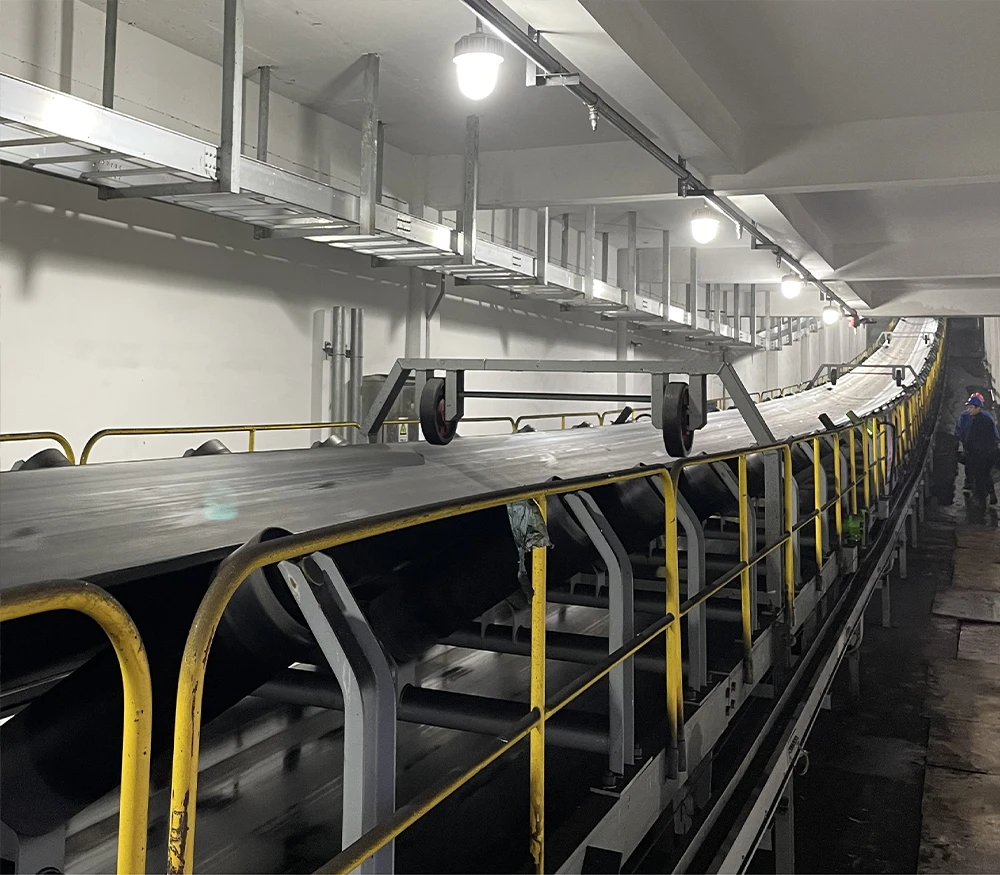
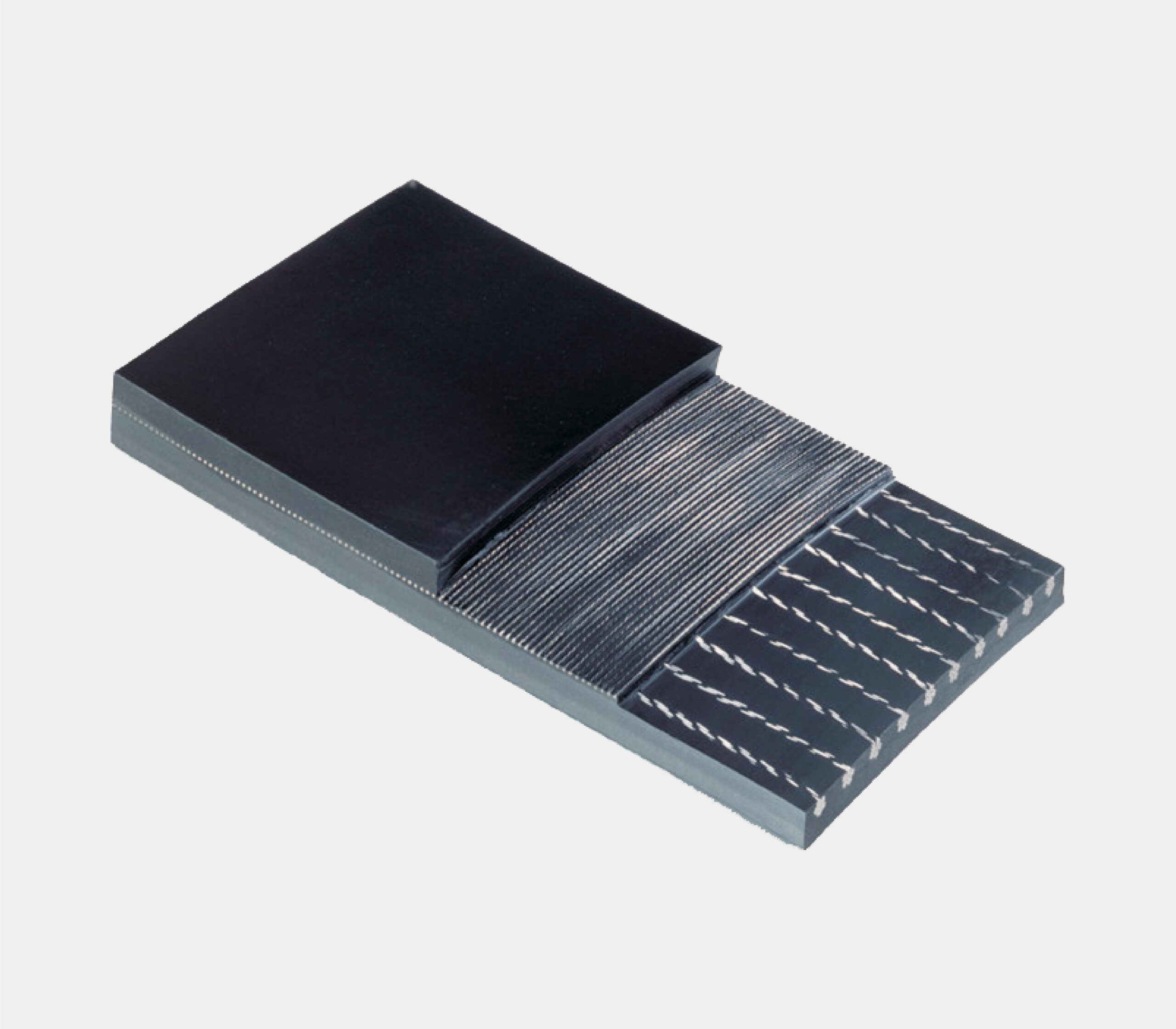
Our steel cord conveyor belt delivers high tensile strength and low elongation with minimal take-up stroke. Even steel cord tension prevents deviation, while robust rubber-cord bonding offers great impact resistance and longer service life. It supports smaller drive pulleys and good troughability for higher loading, with full X-ray inspection for internal flaws. Multiple cover compounds include abrasion, heat, cold, fire and chemical resistant types. Ideal for long-distance bulk material transport in mining, ports, steel mills, cement plants and metallurgy to reduce downtime and operating costs.
Key Features
Many onsite issues come from conventional belts: excessive stretching, poor impact resistance, short service cycles and frequent drift. We designed this steel cord belt to solve these real world pain points.
Small Elongation
Once installed, the steel cord core produces minimal stretch under continuous load. You only need limited take up travel. On long conveyor lines, you will seldom re adjust tension, which saves regular maintenance work.
High Tensile Strength
Parallel high strength steel cords act as the load carrying core. The belt can handle heavy bulk cargo and long haul conveying. It copes with sudden tension surges and reduces the risk of belt rupture under high volume production.
Lower Overall Operating Cost
Long service cycle and stable running mean fewer belt change outs and less unplanned stop time. Less tension tuning and fewer onsite failures will bring down your total system cost.
Balanced Steel Cord Tension
We control cord tension precisely in production. Even tension across all internal cords keeps the belt tracking straight. This reduces side drift, material spillage and uneven edge wear during continuous operation.
Works with Small Diameter Pulleys
The steel cord carcass stands up well to repeated flexing. You can run it on relatively small drive pulleys without cord damage or rubber delamination. This allows you to adopt more compact conveyor layouts and save equipment space.
Reliable Cord to Rubber Adhesion
Galvanized steel cords and custom formula rubber are fully vulcanized together. Strong bonding resists impact and friction. It stops cord exposure and layer separation to prolong belt service life.
Good Troughability
Proper lateral flexibility allows the belt to sit well on deep trough idlers. It holds more bulk material per running cycle and helps contain fines and rock, cutting spillage along the conveyor route.
Full X ray Inspection Option
Before delivery, finished belts can receive complete X ray scanning. This test finds hidden problems: internal cord breakage, cord offset and inner voids — issues you cannot spot only by visual check. It avoids unexpected breakdowns once the belt is running on site.
Lightweight Structure for Energy Saving
We optimised the belt construction for high strength without extra weight. Lower belt mass reduces motor load in continuous operation, helping you save power consumption for heavy duty conveying.
Rubber Quality
We match cover rubber grades based on your actual working conditions: conveyed material temperature, lump size, drop height and site environment. Even a strong carcass will fail quickly without proper cover rubber protection.
- Low Rolling resistant: Reduce running resistance for long distance conveyors
- Oil resistant: For sites with mineral oil or grease contamination
- Acid & Alkali resistant:Handle materials with chemical corrosion
- Normal Abrasion resistant: General purpose bulk material handling
- High Abrasion resistant: For sharp, heavy rock and high impact loading points
- Flame retardant:For underground mining and fire risk working environment
- Heat resistant: For hot clinker and high temperature bulk cargo
- Cold resistant: Stable performance under low temperature outdoor conditions
- Anti stick:Prevent wet or sticky material from sticking to belt surface
Application Scenarios
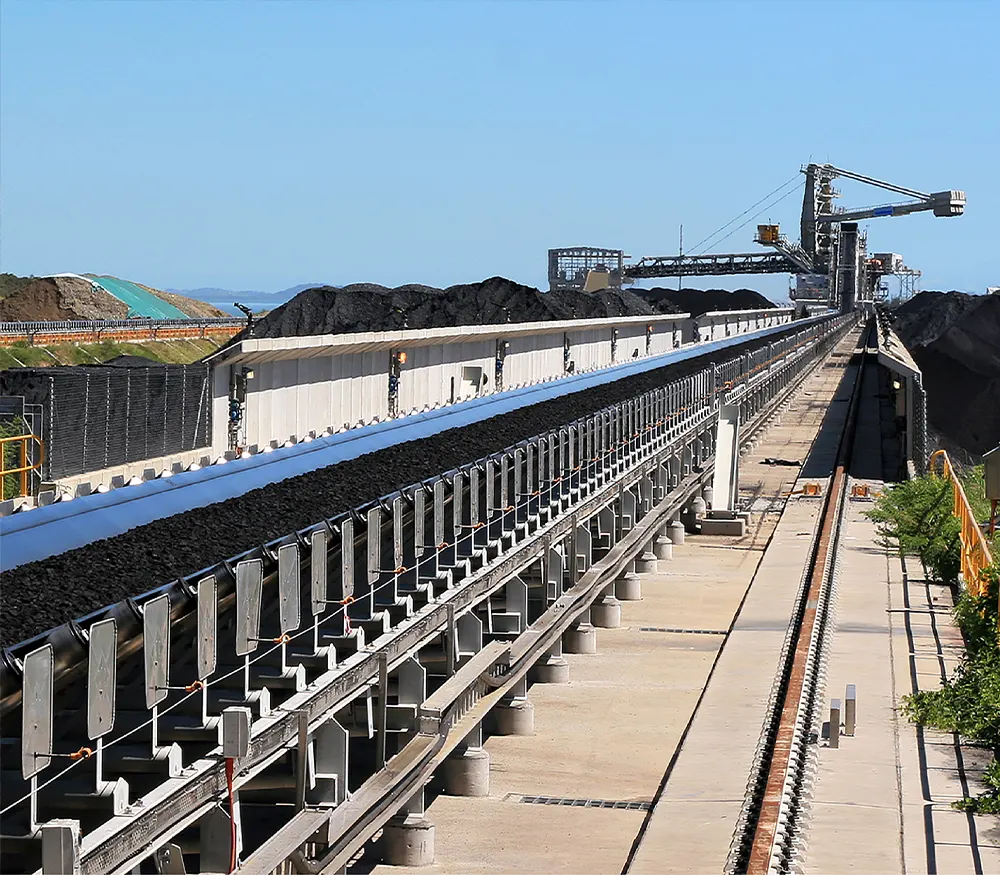
Steel cord conveyor belts are widely adopted for heavy load long haul bulk transport across different industries:
- Mining: Open pit and underground ore transport, cope with heavy impact and high tonnage.
- Ports & Terminals: Coal, mineral and grain bulk handling at dock conveyor systems.
- Steel Mills & Metallurgy: Transport sinter, ore and other heavy raw materials.
- Cement Plants: Raw material and clinker conveying; heat resistant covers are available for hot clinker.
Adopted Standards
Our steel cord conveyor belts follow widely accepted global standards for quality reference:
- China: GB/T9770 2013, HG/T3973 2023, MT/T668 2019
- Germany: DIN2213
- Australia: AS 1333
- Japan: JISK 6369
Splicing and Installation
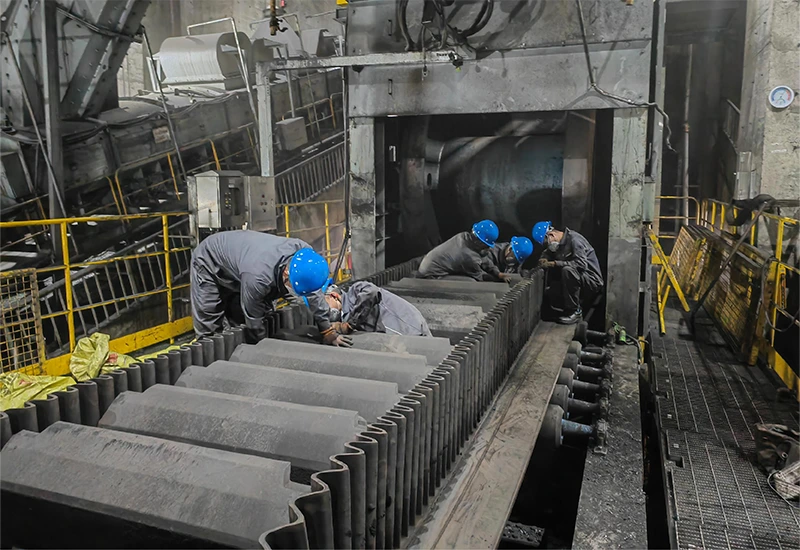
Steel cord belt field splicing is high precision work. It must be completed by certified technicians with qualified vulcanising tools and clean working space.
We can provide you practical support:
- Step by step splicing guides with real onsite photos
- On site technical training for your maintenance crew
- Custom pre made splice kits, matched to your belt cord spacing and rubber formula
Splice types include single step, two step and finger splice. Selection depends on belt strength grade and your pulley configuration. Our technical team will review your conveyor layout first and recommend suitable splice type and overlap length for your project.
Points you need to pay attention to during installation:
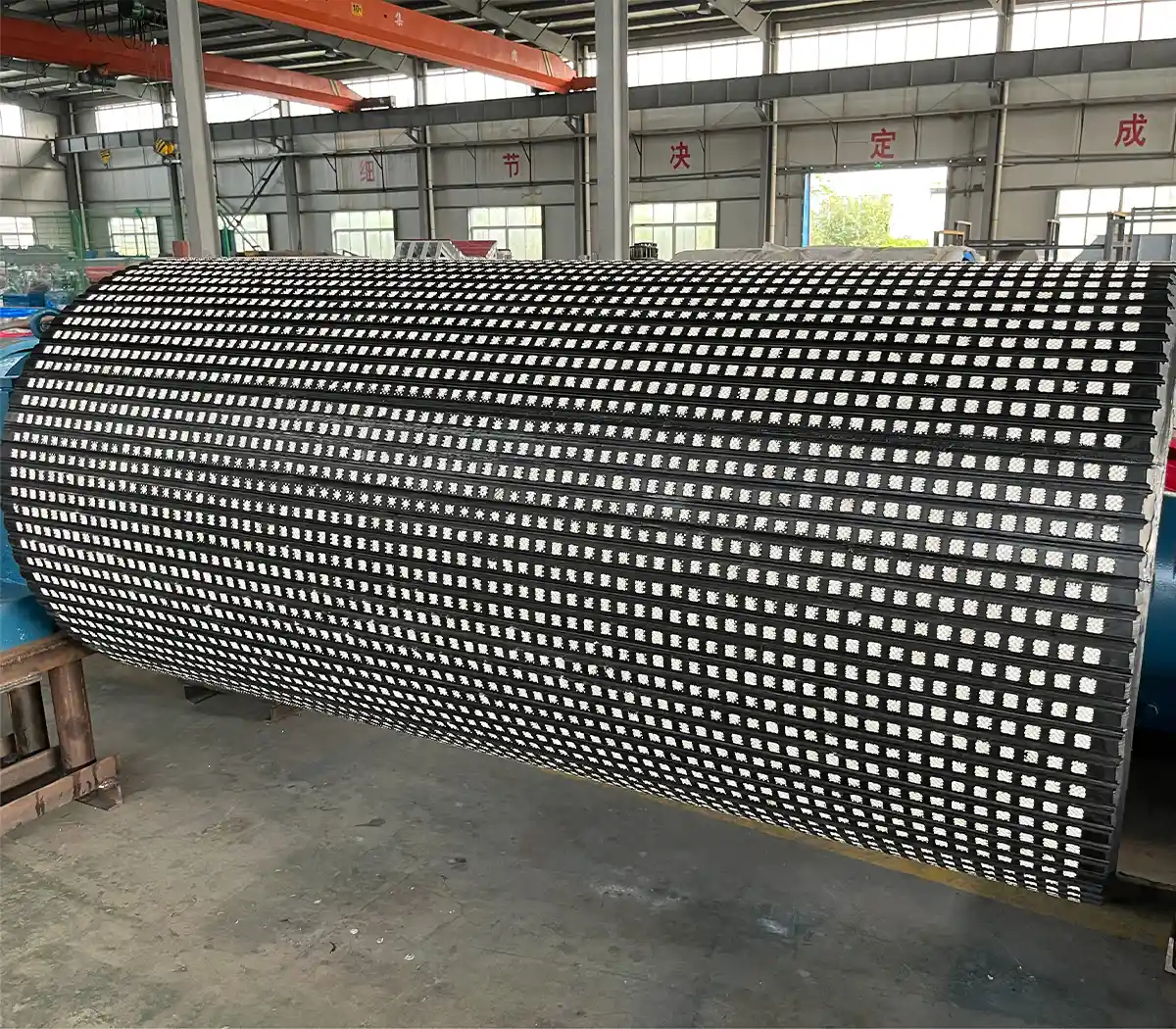
- Select pulley lagging with good friction and wear resistance; ceramic or grooved rubber lagging are common choices.
- Use gradual idler angle transition between flat section and trough section.
- Fit heavy duty suspended impact beds at loading points. Since steel cord belts barely stretch, impact force will pass directly onto your conveyor steel structure.
FAQs
Q: Can I repair a damaged steel cord conveyor belt?
A: Yes. Local cover damage can be fixed by cold repair or hot vulcanisation. Short section splice repair works if steel cord damage is limited to a small area. If damage covers a large range, full splice replacement will be required.
Q: Do steel cord belts need special idlers?
A: Standard heavy duty idlers work for most cases. For deep trough angle or high speed running, install impact idlers at loading zones. Use self aligning idlers for long distance overland conveyor lines.
Q: What is the storage shelf life for steel cord belt rolls?
A: Store rolls indoors, keep away from direct sunlight and ozone pollution. Under proper storage condition, installation can be done within 2 years. We advise stock rotation following FIFO rule. Check cover surface for cracking before installation.
Q: Can this belt be used on reversing conveyors?
A: Yes. But splice design needs to adapt to bidirectional force, and cover rubber should have balanced wear performance. We can suggest proper configuration for reversing working condition.
Q: What is the difference between steel cord belt and fabric conveyor belt?
A: Steel cord belts deliver much higher tensile strength and far lower elongation, fit for long distance, high tonnage conveying. Fabric belts are lighter, used for short to medium distance transport with lower load requirement.
Q: What does ST rating mean for steel cord conveyor belt?
A: ST stands for the nominal tensile strength of steel cord conveyor belt, such as ST1000, ST2000, ST2500. Unit is N/mm. Higher ST value means the belt can bear bigger pulling force.
Request a Quote or Engineering Review
Every conveyor system has its own limits: space layout, motor power, material property and maintenance accessibility. We will not give you generic belt suggestions.
Send over your conveyor drawings, target throughput and site photos. Our team will work out a targeted belt specification balancing performance and project budget.
-
Questionnaire List of EP·ST Conveyor Belt Download
Products
Base belt
Sidewall
Pulley Lagging
Rubber Wear Lining
Sidewall Conveyor Belt
EPDM High Temperature Sidewall Conveyor Belt
Recent news
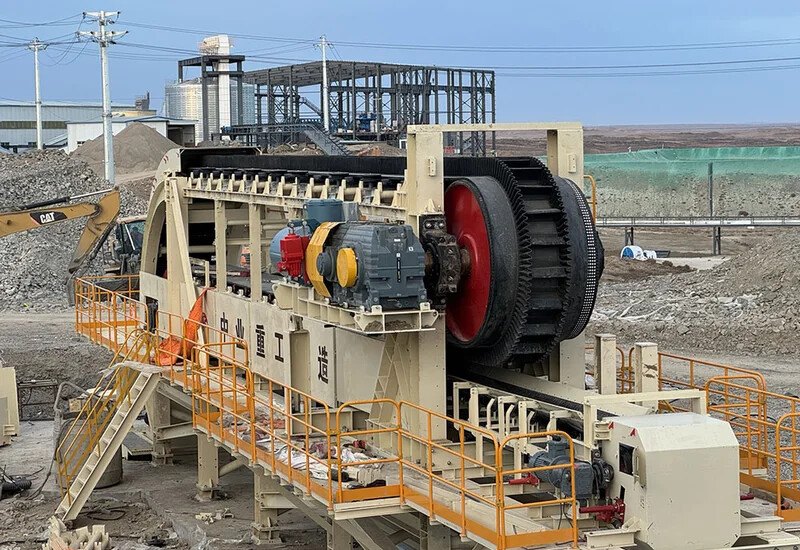
How Does a Sidewall Conveyor Belt Work?
Nov 19, 2026
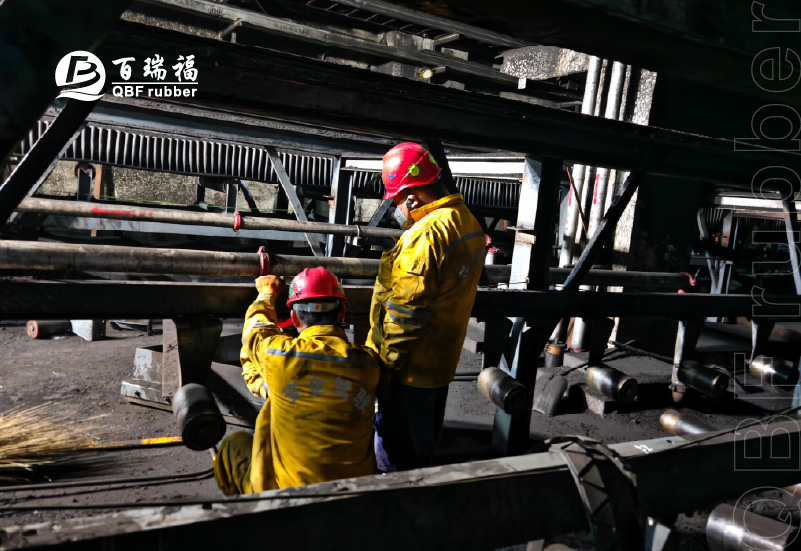
Sidewall Conveyor Belt Retrofit Enters Installation at Coal Chemical Plant
Nov 20, 2026
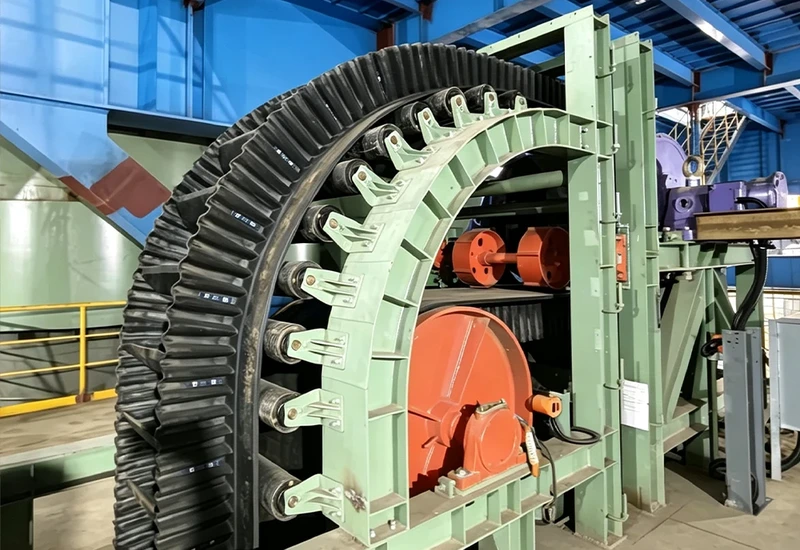
What Is a Sidewall Conveyor Belt and When Should You Use One?
Nov 12, 2026
See Latest Service