QBF rubber Custom Hot-vulcanized Cleated Belt
-
 admin
- 29 Oct, 2026
The problem cleats solve
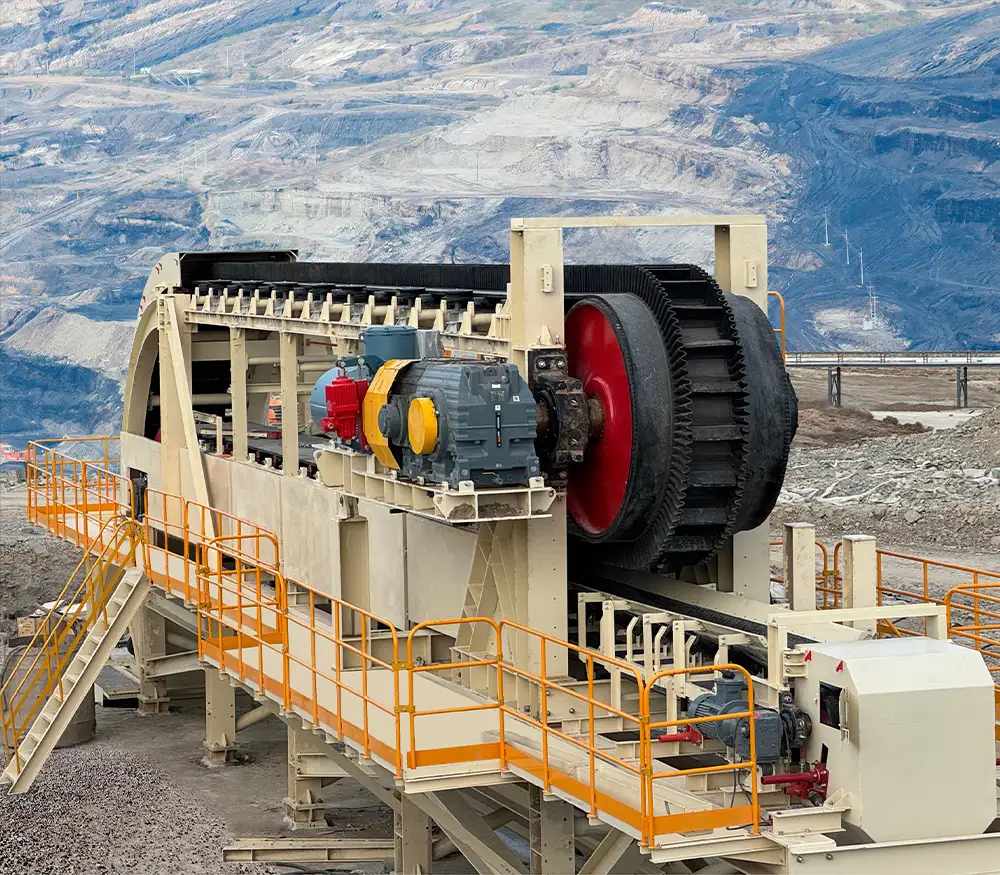
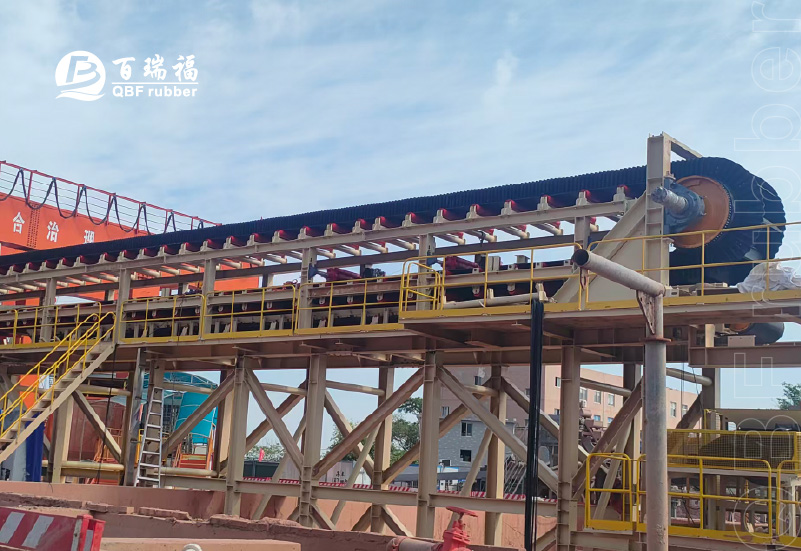
When a conveyor angle climbs past 18 degrees, lumps and fines start sliding back down the cover. You can fight it with a longer horizontal run, more idlers and more structure — or you can put cleats on the belt and send the material straight up.
Hot-vulcanized, not bolted or cold-bonded
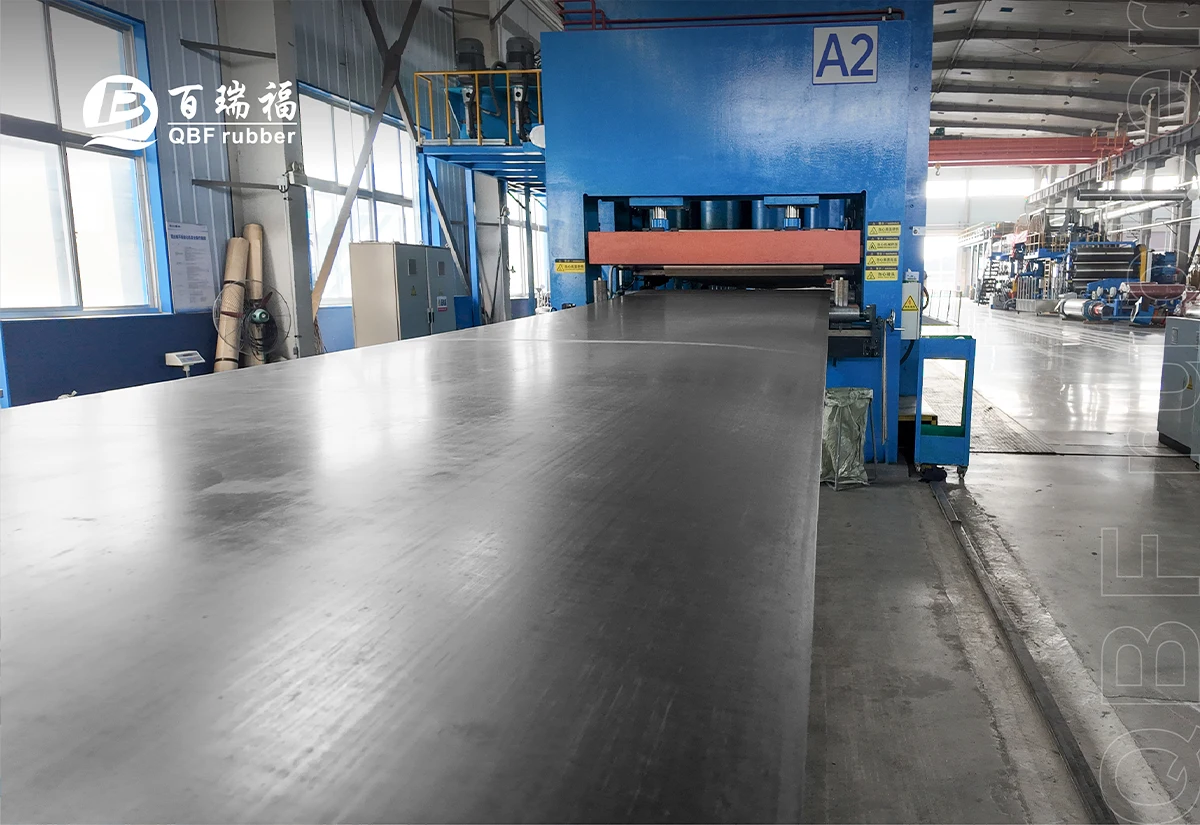
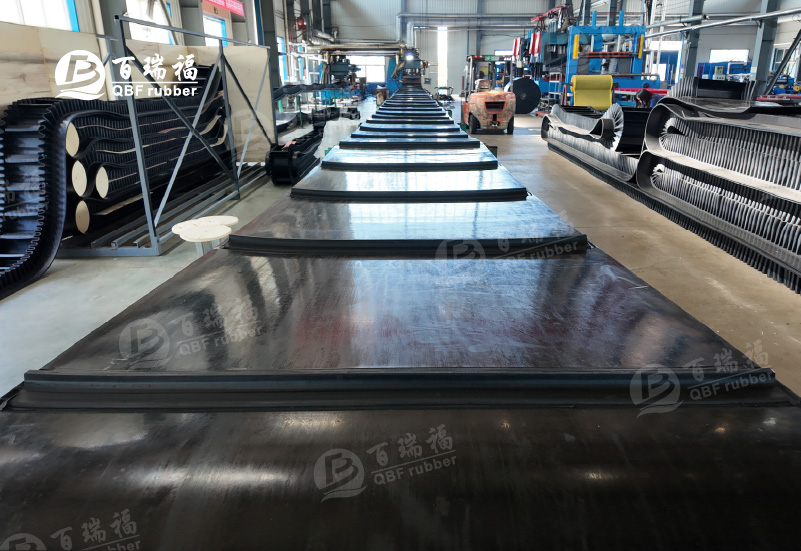
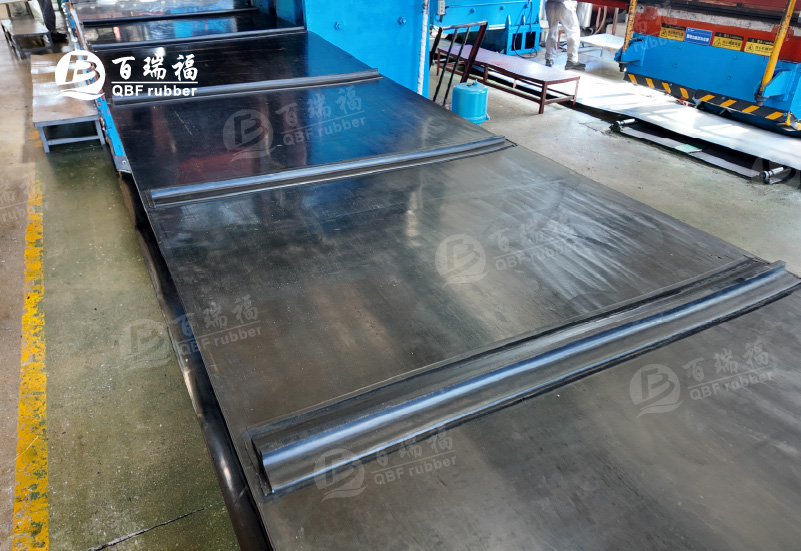
Cleats are molded directly into the belt cover inside the vulcanizing press. The cleat rubber and the cover rubber cure as one piece — there is no joint between them.
That is the difference buyers feel in service. On cheaper belts, cleats fail at the interface:
- Bolt-on cleats work loose under repeated impact and vibrate out.
- Cold-bonded cleats delaminate in wet, hot or abrasive conditions.
- Mechanically fastened profiles tear the carcass when a lump jams.
Hot vulcanization removes all three failure points. The cleat stays fused to the cover for the life of the belt, and the splice stays flat when the belt wraps the drum.
Custom cleat design, not a stock profile
No two cleated belts leave the factory the same. We spec every detail to the material and angle:
- Cleat profiles in T, C, Y and box shapes
- Cleat spacing set by lump size, incline angle and required tph
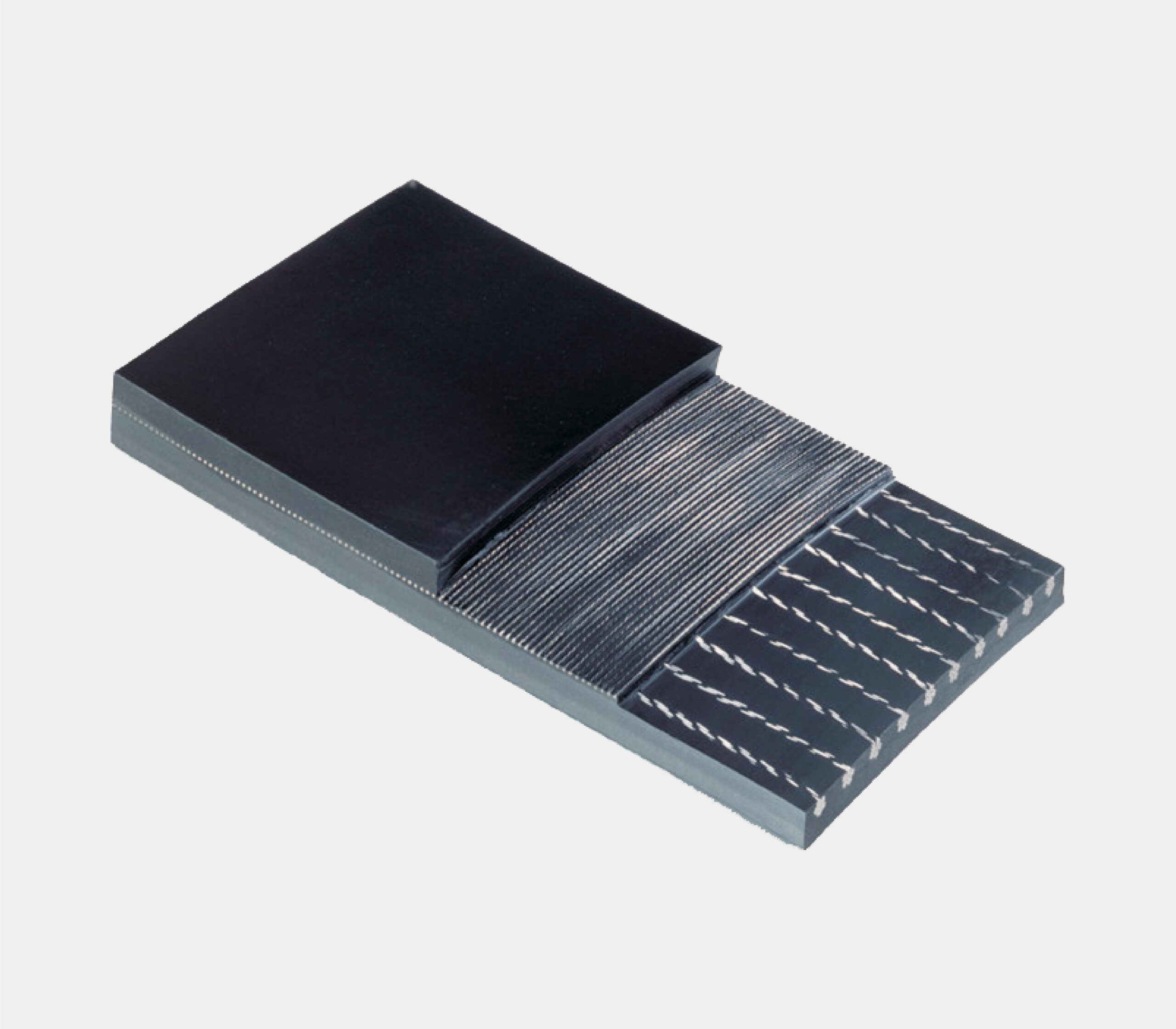
- Carcass in EP (polyester) or steel cord, matched to tension and take-up travel
- Delivered endless or with mechanical fasteners, depending on pulley diameter
Send us the material, max lump size, belt width, belt speed and incline angle — we send back a drawing.
Special rubber compounds, matched to what you carry
Cover rubber is not one grade. We formulate the cover to the environment the belt actually runs in:
- Wear-resistantcover for sharp lumps and high-abrasion ore
- Heat-resistantcover for clinker and hot coke, rated up to 150°C continuous (200°C intermittent)
- Oil-resistantcover for oily aggregates, chemicals and wood chips
- Cold-resistantcover for outdoor and winter duty in sub-zero climates
- Acid / alkali resistantcover for chemical fertilizer, slag and corrosive bulk materials
Tell us what you carry and what the plant atmosphere is like — we select the compound, not the other way around.
One belt type is rarely the whole answer
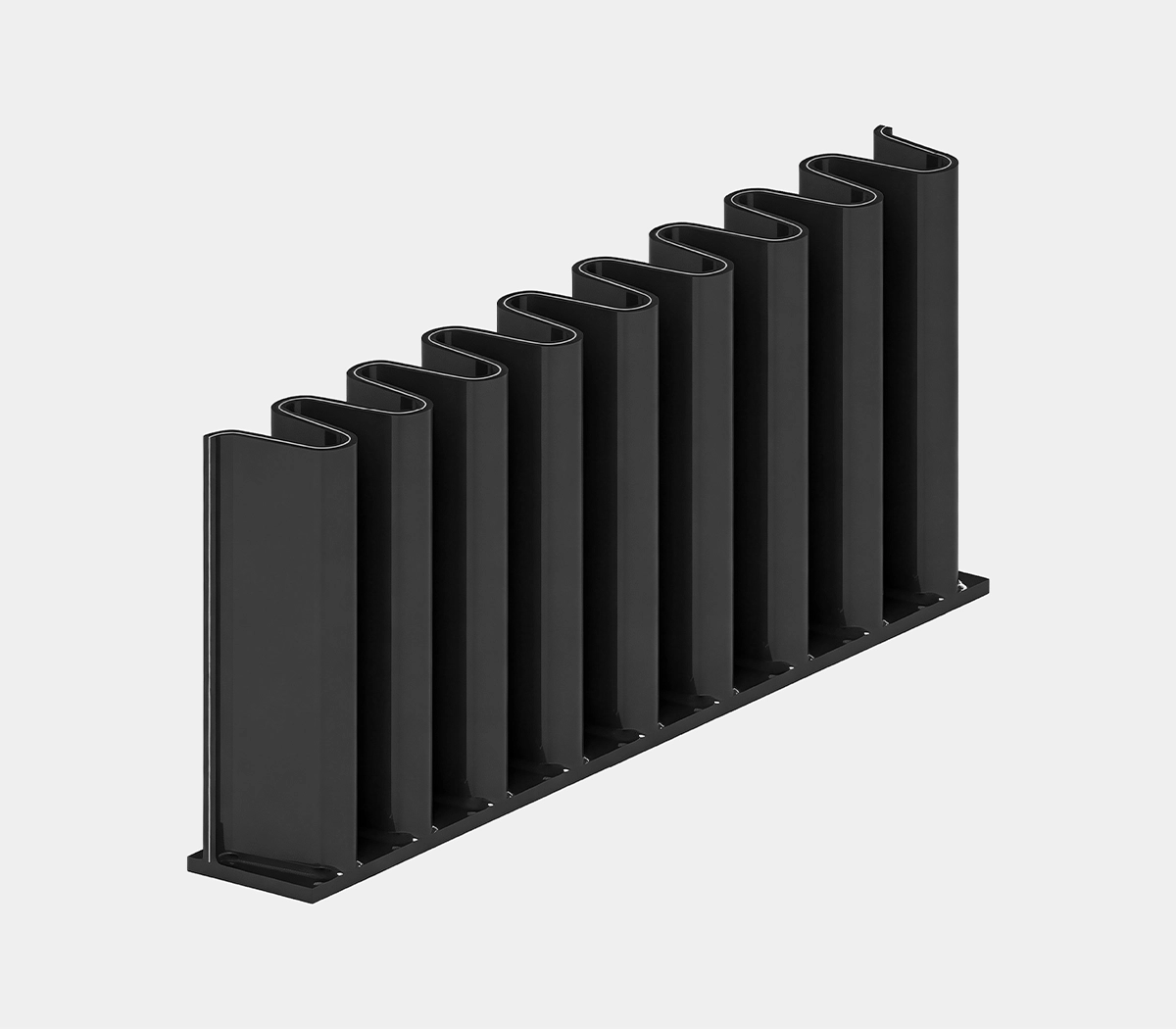
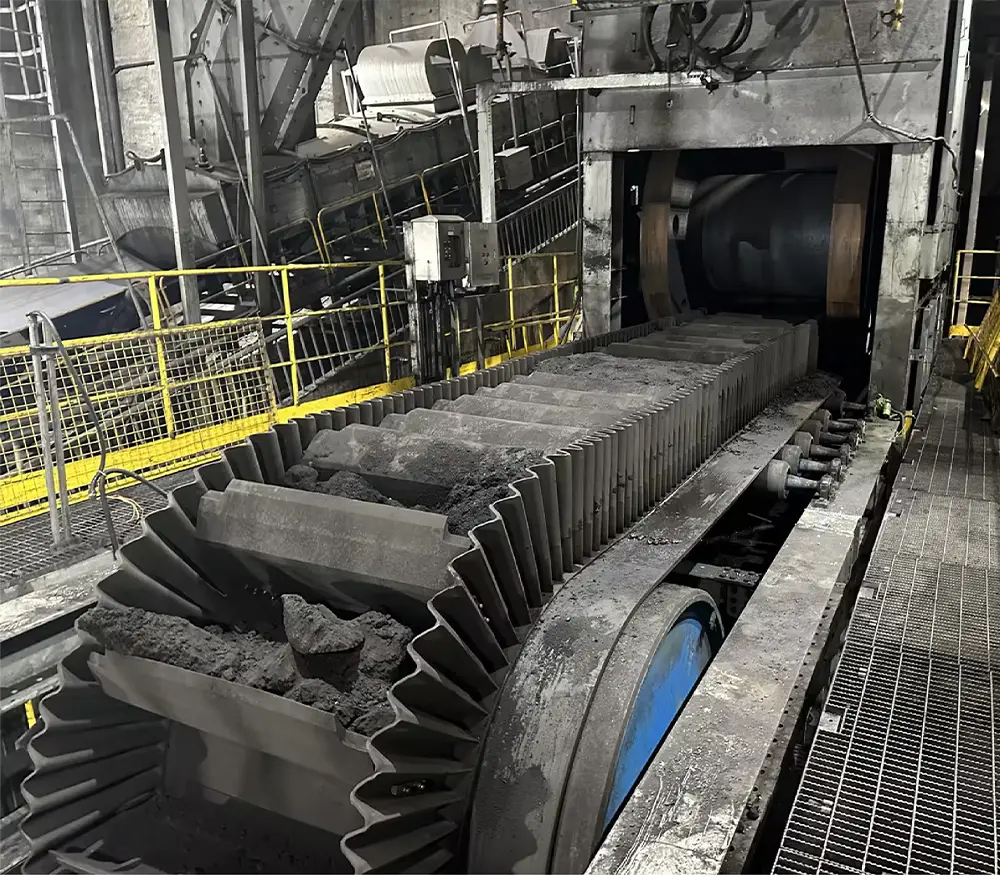
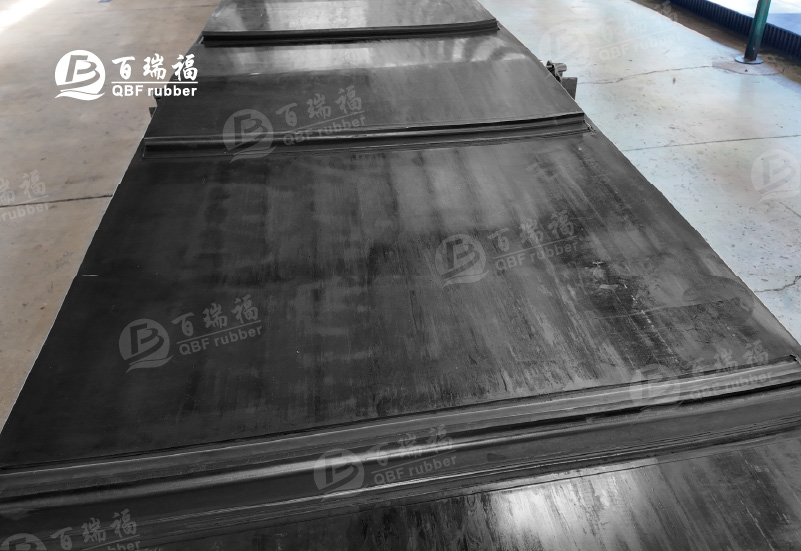
Cleated belts are our focus on this batch. But depending on the site layout, material and angle, we also select and design corrugated sidewall conveyor belts, truly endless sidewall conveyor belt as part of the same conveyor solution.
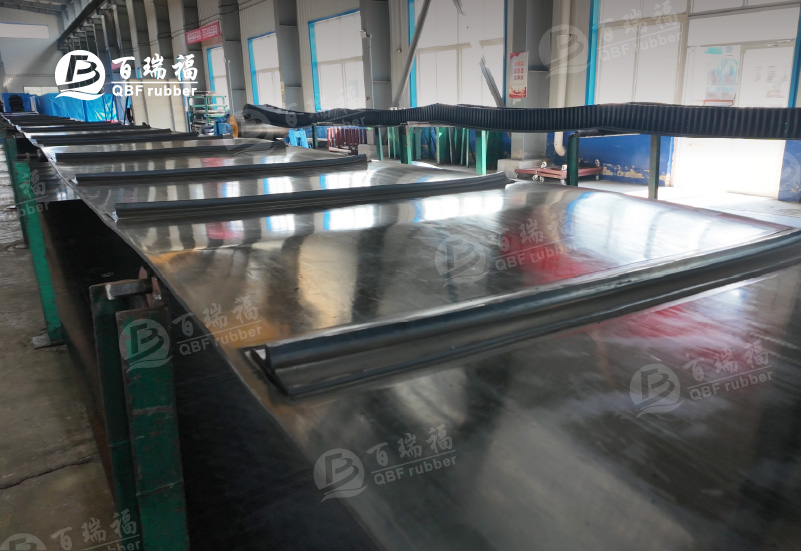
A short video of this batch running off the press is posted on our website and YouTube channel — you can see the cleats fused into the cover, not stuck on.
How to get a quote
Send the material, max lump size, belt width, belt speed, incline angle and required tonnage per hour. We will come back with a recommended spec, a profile drawing and a lead time.
About QBF rubber
QBF rubber is a conveyor belt and system components manufacturer based in Qingdao, China. The company supplies rubber conveyor belts, cleated belts, corrugated sidewall belts, pulley lagging, mechanical fasteners and cold vulcanizing materials to mining, port, steel, power and cement customers across Southeast Asia, the Middle East, Africa, South America and Australia.
Tags:
admin
No prev page
Previous Post