Pocket Type Conveyor Belt
It handles ultra high lift, high throughput tasks beyond conventional high angle sidewall belts, realizing stable continuous bulk material transportation.
-
Description
Overview
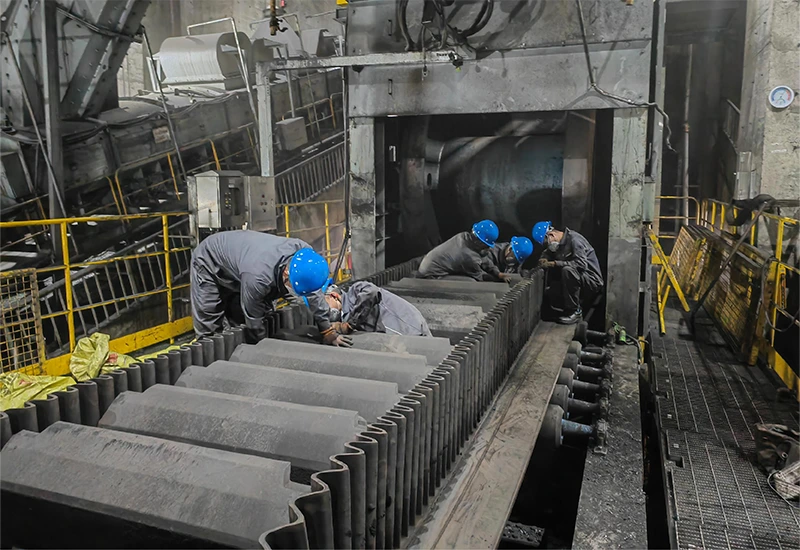
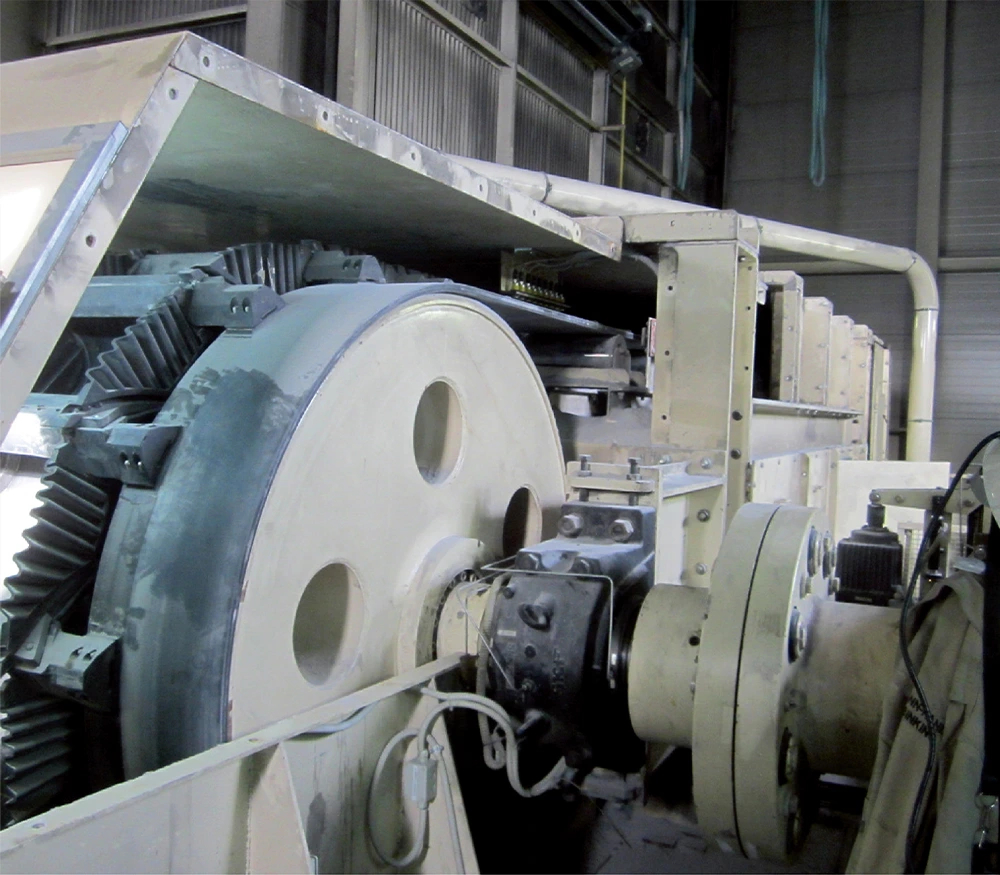
Built on the technology of high angle sidewall conveyor belts and high capacity bucket elevators, the Pocket Type Conveyor Belt serves core applications including underground mining, tunnel engineering, port loading unloading and large volume silo feeding. It reaches lifting heights up to 800 meters.
This vertical conveying system works for conditions that standard high angle sidewall belt conveyors cannot handle. While conventional high angle sidewall belts work well for moderate lift conditions, they struggle with ultra high vertical lifting combined with large throughput. The Pocketlift delivers stable continuous bulk material transport for these challenging working scenarios.
Key Benefits
Lower energy consumption
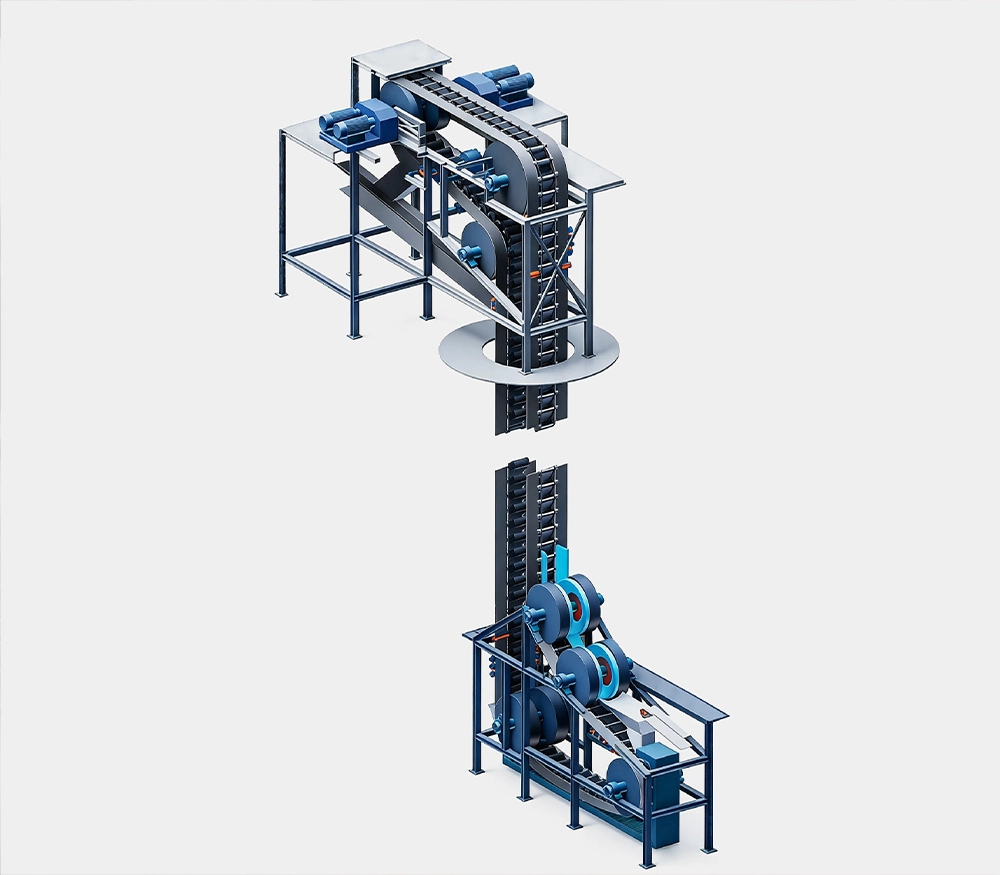
No moving mechanical parts sit inside the vertical shaft. This cuts power demand during continuous bulk material lifting. The design removes requirements for underground pit infrastructure, which further reduces total site energy use.
Compact shaft footprint
This pocket type conveyor belt works with small diameter mine shafts. Feeding sections and head frames use lightweight steel structures. It fits confined underground and tunnel zones where installation space is limited.
Fast on site installation
All major components can be assembled and taken apart separately. Field crews complete setup without heavy pre fabricated modules. This shortens project timelines for mine and tunnel job sites.Several of our underground projects cut field erection time by 30% compared with traditional bucket elevator installations.
Reduced maintenance cost
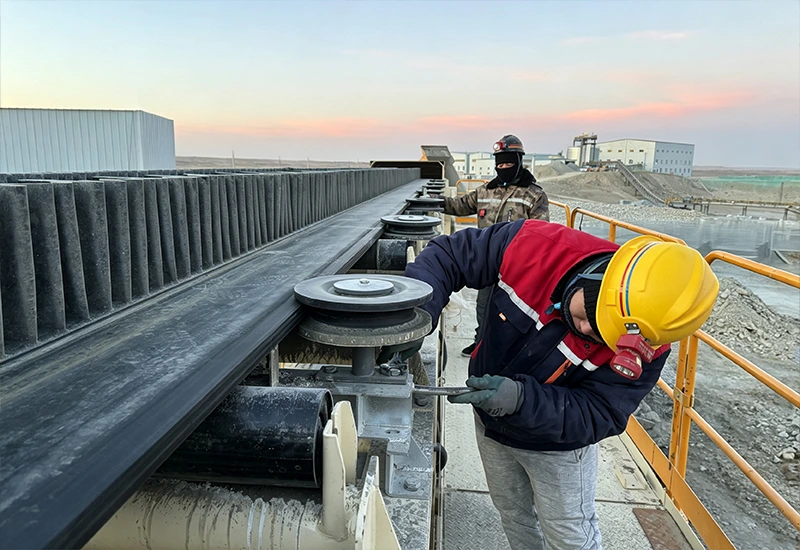
Fewer wearable mechanical parts run inside the vertical shaft. Operators inspect and replace components directly on site. Less unplanned downtime lowers long term service costs for your bulk handling system.
No underground pit system required
Many conventional vertical lifting solutions need expensive underground pit civil work. The Pocketlift pocket type conveyor belt removes this requirement. You save site preparation investment and simplify underground layout planning.
Environment friendly operation
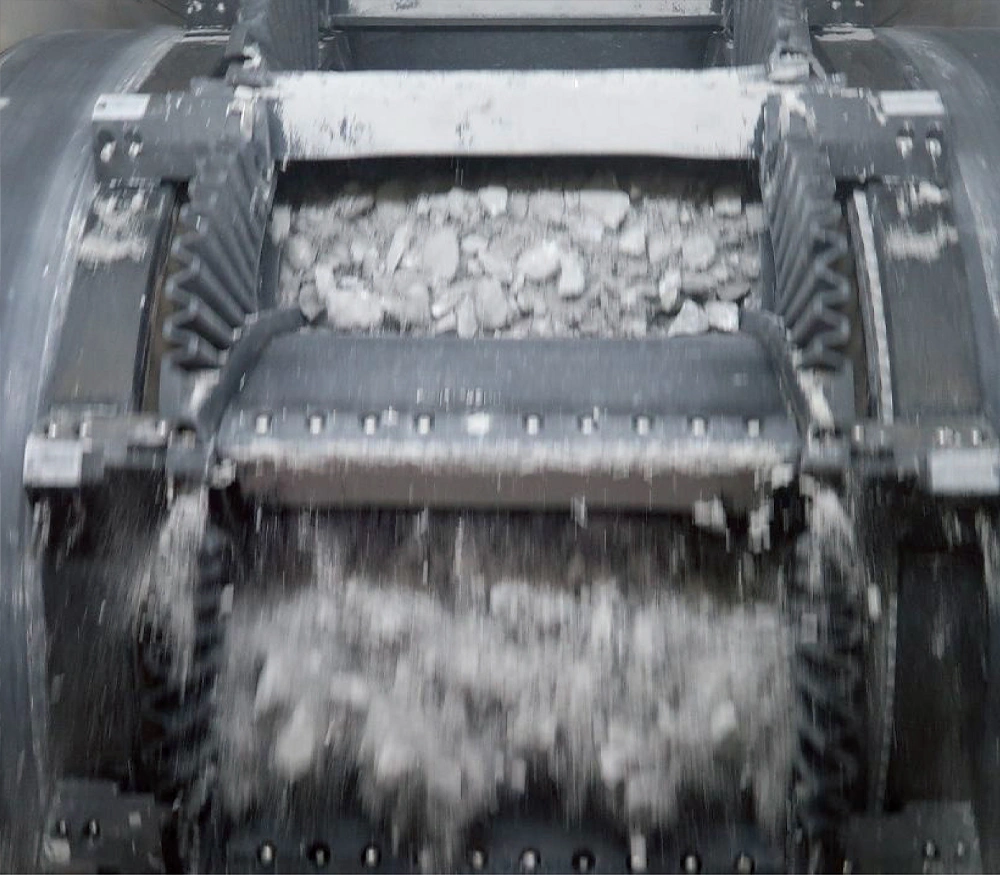
Enclosed rubber pockets reduce material spillage and dust release during vertical transport. It supports cleaner bulk material handling for mining, tunnel and silo feed applications.
Suitable Conveying Materials
The pocket type conveyor belt handles a wide range of bulk solids.
- Mine ore, rock muck, crushed stone
- Aggregates, cement clinker, cement raw meal
- Grain and other bulk food grade materials
- Other free flowing granular and lumpy bulk goods
Material limits: Sticky, wet, heavily cohesive materials are not ideal. Large sharp edged lumps may accelerate rubber pocket wear. Always run material testing before final project design.
(Field experience from our site engineers: even materials classified as free flowing can cause unexpected rubber pocket abrasion. We always advise clients to send representative material samples for lab assessment before quotation.)
Main Application Scenarios
Mining
- Intermediate material transfer within blind mine shafts
- Muck transport from waste pass shafts to ground surface
Tunnel Engineering
- Working scenarios with lifting height over 250 m and conveying capacity above 800 m³/h
- Sites where standard high angle sidewall belt conveyors reach their technical limits
Food & Cement Industry
- Large capacity silo feeding operations
Port Handling
- Bulk cargo loading and unloading
Our Differentiated Advantages
Premium Rubber Pocket Material
Our bolt on rubber pockets feature multiple custom rubber formulations for different operating conditions.
Modular Spare parts Delivery Advantage
Modular components enable ordering individual pockets, cross beams and fasteners without purchasing full belt assemblies. Regional stock of key wear parts supports fast global sea or air delivery, so clients only maintain small on site consumable inventories.
On site Service Capability
Our global team provides installation supervision, commissioning, inspection and troubleshooting. Engineers perform system tuning and operator training. Remote diagnosis and priority on site support reduce unplanned downtime for urgent failures.
When High Angle Sidewall Belts Cannot Work — Why Use Pocket Type Conveyor Belt
High angle sidewall conveyor belts perform well for medium incline and moderate lift heights. But they struggle for ultra high vertical lifting jobs.
Common bottlenecks of standard high angle sidewall belts:
- Maximum achievable vertical lift is capped
- Output drops when you combine big lift height with high volumetric capacity
- Belt routing needs extra space inside tight shafts or tunnels
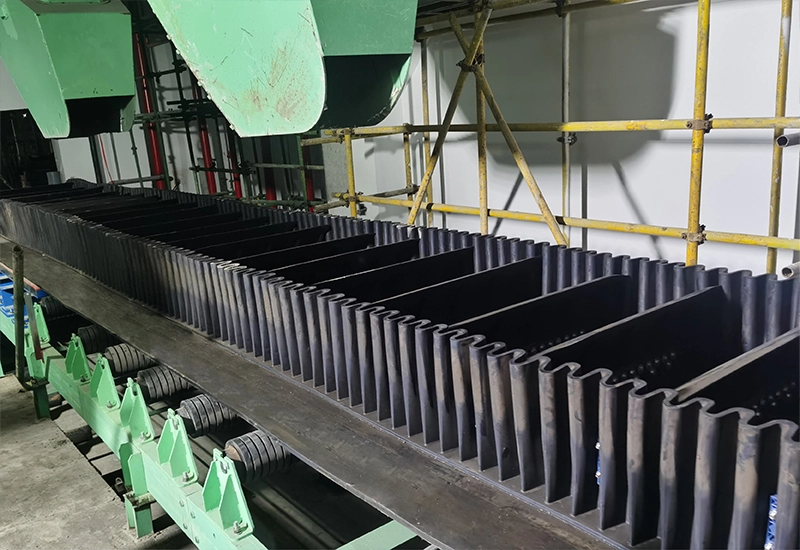
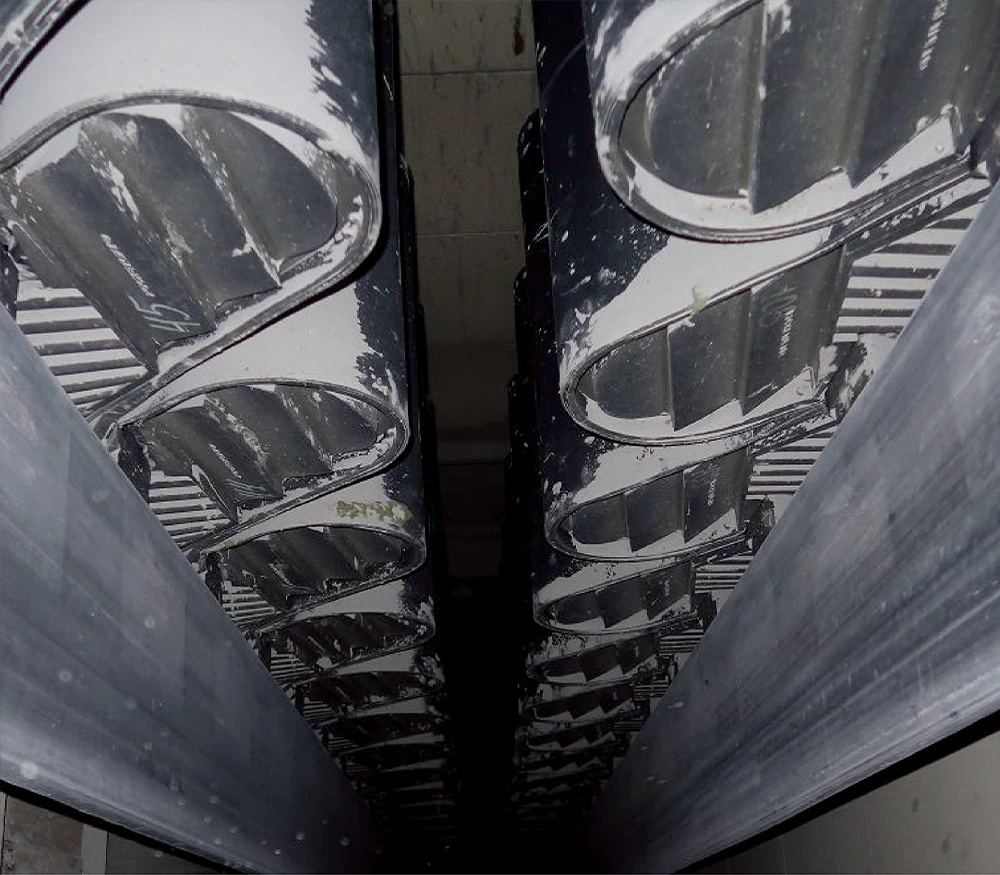
Field side pain points above can be solved by the pocket type conveyor belt. Its modular setup uses steel cord belts, cross beams and bolt on rubber pockets for pure vertical operation.
It reliably delivers both large lifting height and high conveying capacity. Typical sites include mine blind shafts, waste pass shafts and deep tunnel construction.
Equipment Comparison: Pocketlift vs Bucket Elevator vs High Angle Sidewall Belt
| Item | Pocketlift Pocket Type Conveyor Belt | Traditional Bucket Elevator | High Angle Sidewall Conveyor Belt |
| Max vertical lift | Up to 800 m | Typically <80 m | Usually <200 m |
| Installation space in shaft | Small shaft diameter | Large housing required | Requires long inclined routing |
| Underground pit requirement | Not needed | Often required | Not required |
| On site maintenance access | Individual component replacement | Whole casing & bucket overhaul | Belt full length replacement |
| Best fit | Deep mine blind shaft, deep tunnel | Medium height plant indoor lifting | Medium height inclined lifting |
System Limitations
Pocketlift pocket type conveyor belt is not the solution for every working condition.
- It works best for vertical transport; inclined long distance transport is not its strength.
- Heavy sticky, clay rich material may cause material sticking inside rubber pockets and reduce efficiency.
- Extremely sharp large lump material will shorten rubber pocket service life.
- System output will drop if material filling ratio inside pockets decreases.
Our engineers will confirm system feasibility based on your material test data.
FAQ
Q1: What is the maximum lift height of pocket type conveyor belt?
A1: Up to 800 m under proper system design.
Q2: Can it replace bucket elevator in mining shaft?
A2: Yes, especially for deep shafts over 80 m lift height. It removes underground pit construction work.
Q3: Do I need to stop the whole conveyor to change one damaged rubber pocket?
A3: No. Thanks to modular construction, crews can swap a single pocket on site without full system teardown.
Q4: Does this system support food grade material conveying?
A4: Yes. Select oil resistant special rubber compound for food grade silo feeding projects.
Q5: What after sales support can your company provide?
A5: We supply custom formula rubber pocket wear parts, split set modular spare part kits, remote technical support and global on site commissioning & maintenance service for the Pocketlift system.
Get Custom Technical Proposal
Submit your site parameters including lift height, capacity and material data. Our engineering team will provide custom technical proposal for you.
Products
Base belt
Sidewall
Pulley Lagging
Rubber Wear Lining
Sidewall Conveyor Belt
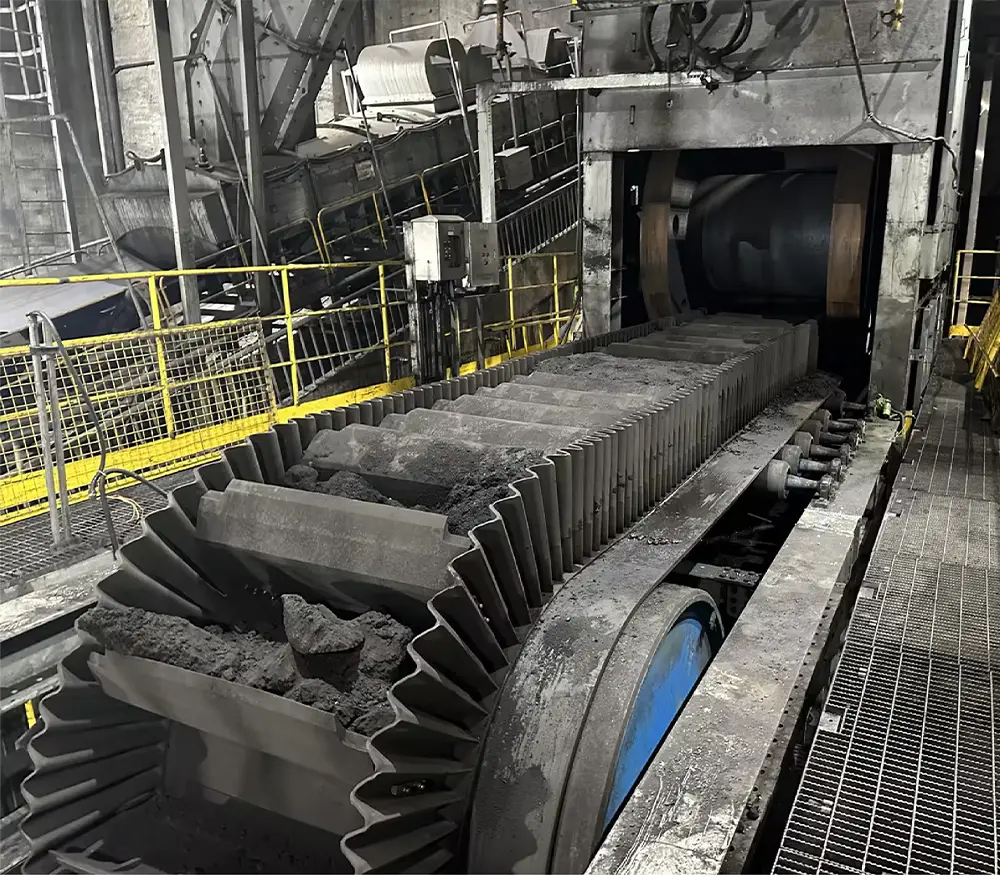
EPDM High Temperature Sidewall Conveyor Belt
Recent news
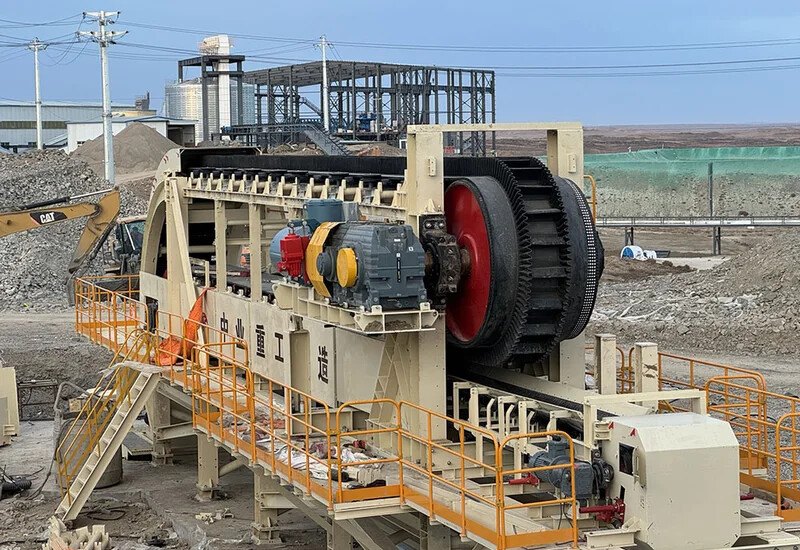
How Does a Sidewall Conveyor Belt Work?
Nov 19, 2026
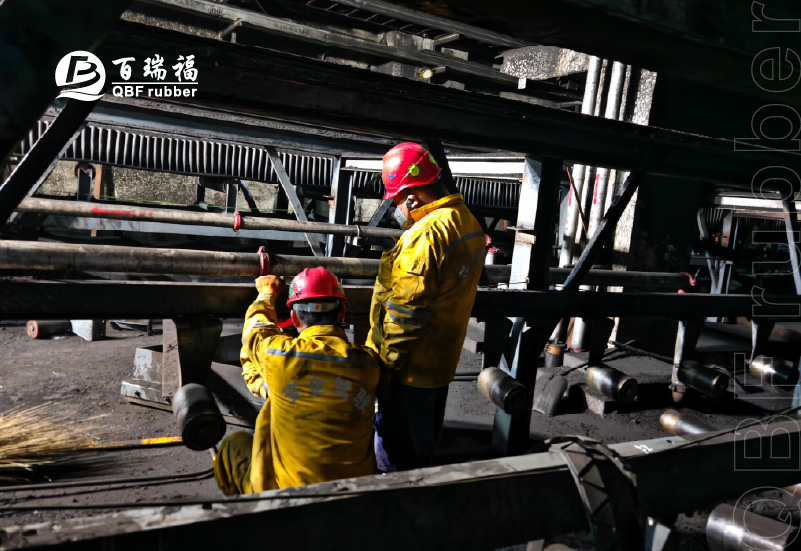
Sidewall Conveyor Belt Retrofit Enters Installation at Coal Chemical Plant
Nov 20, 2026
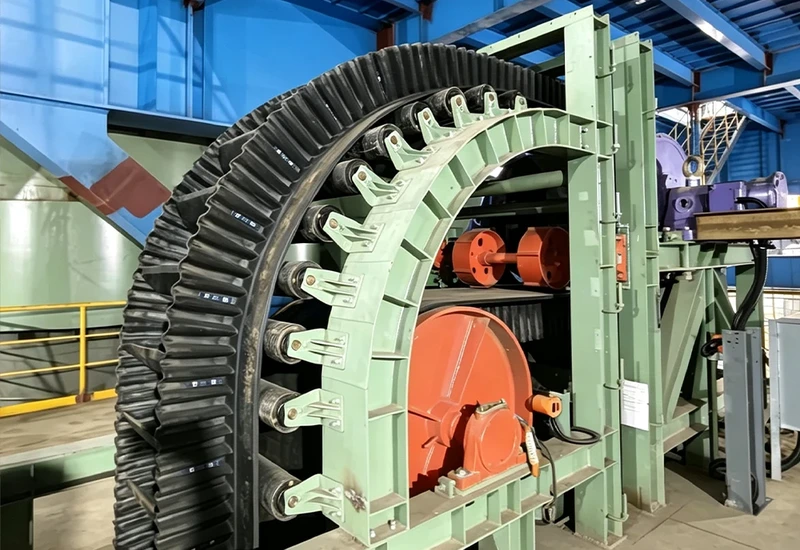
What Is a Sidewall Conveyor Belt and When Should You Use One?
Nov 12, 2026
See Latest Service