Filter Conveyor Belt
-
Description
Key Features
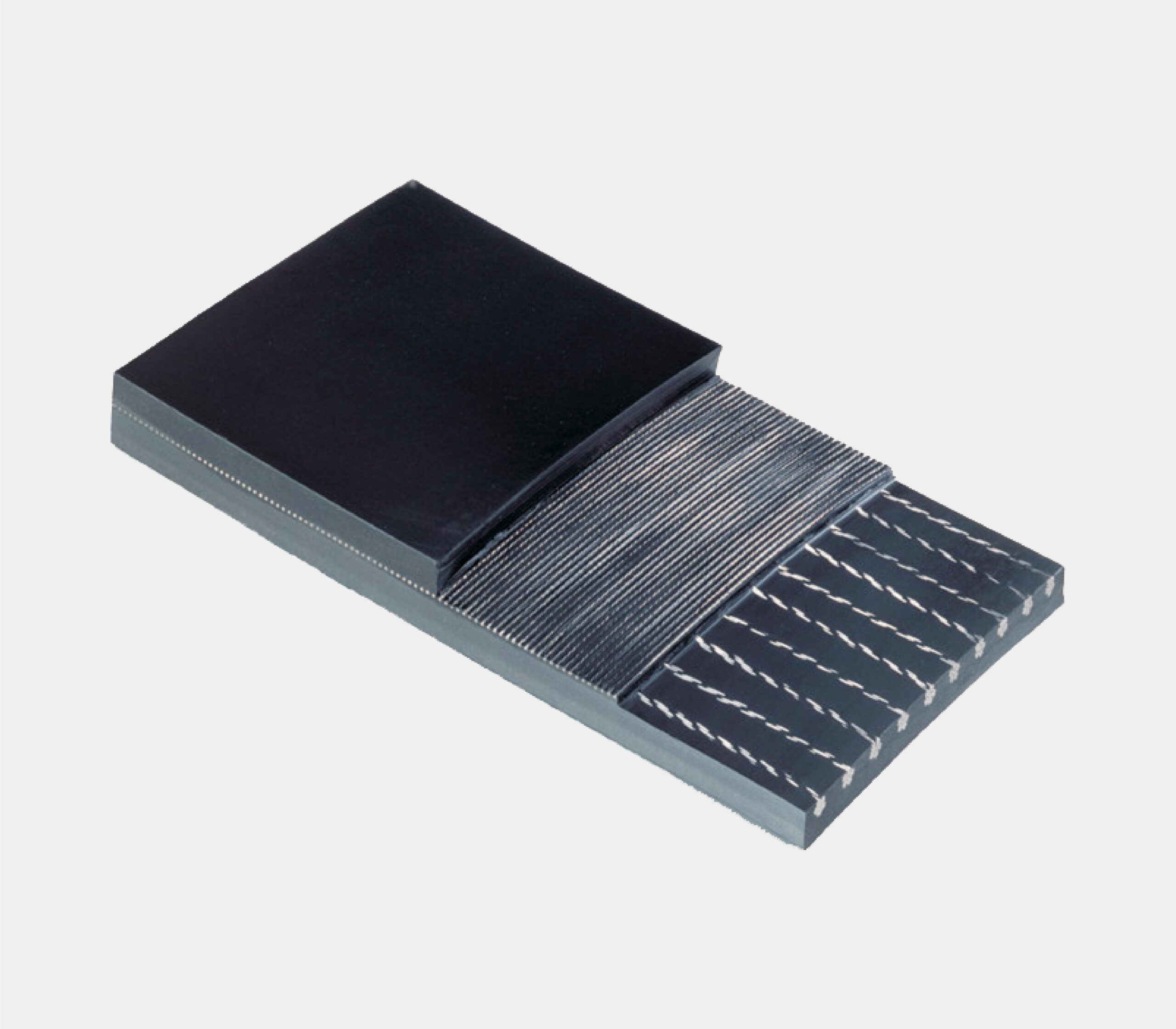
- High tensile EP fabric carcass as base reinforcement. We can build custom fabric free sections per project requirements.
- Broad chemical tolerance: stands acid, alkali, high heat and oily medium exposure for varied slurry conditions.
- Minimal elongation under sustained working load. Resists permanent deformation, keeps stable overall dimensions. You will not see unexpected stretch after long hour continuous running, delivering steady belt tracking and smooth equipment operation.
- Reliable high temperature performance, holds physical properties under repeated thermal impact.
- Strict straightness control during production. Keeps the belt running centered; cuts down side drift, edge wear and unplanned shutdowns.
Belt Construction Details
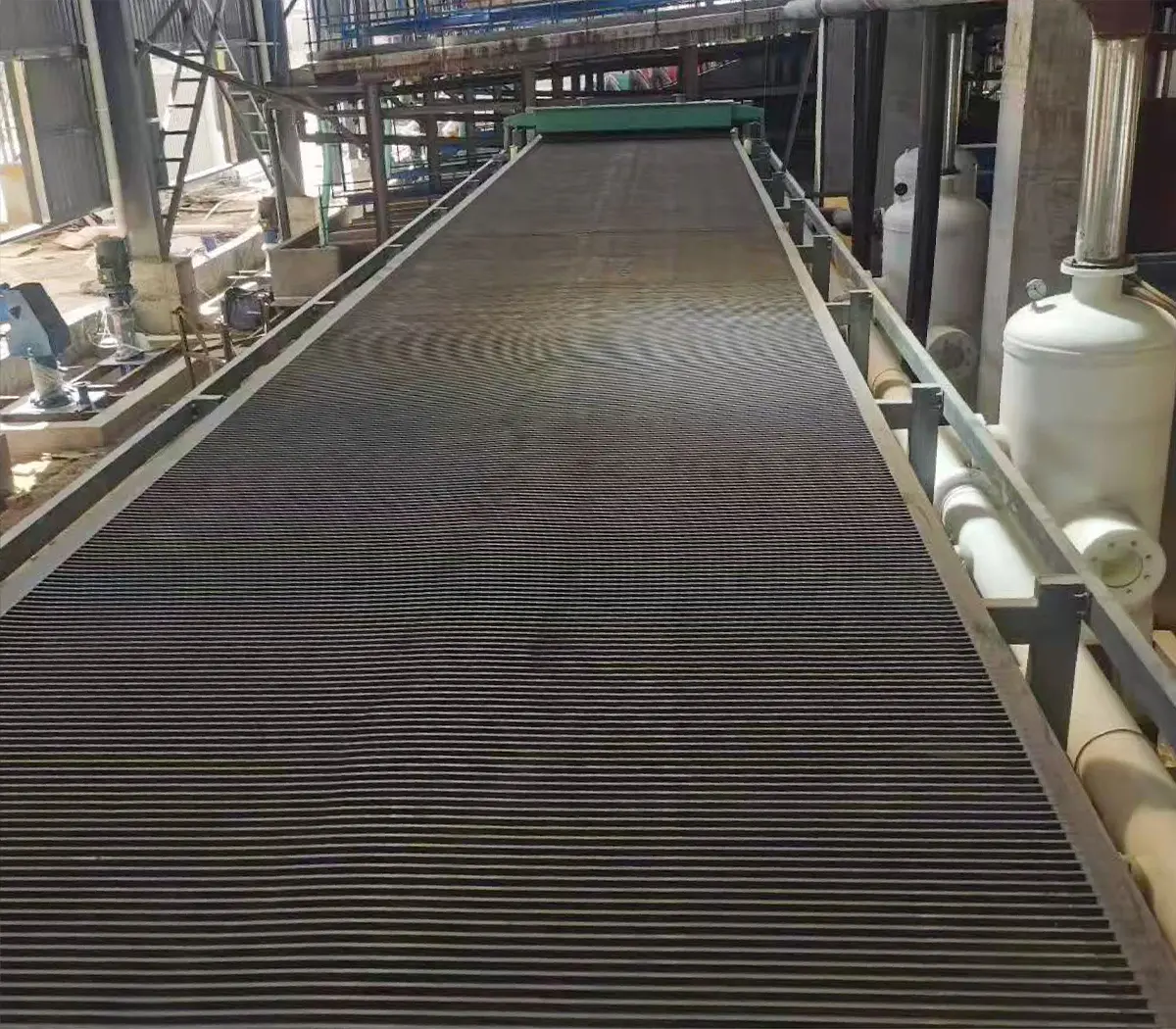
Filter conveyor belts work inside dedicated dewatering equipment to split solids and liquids out of slurry feed.
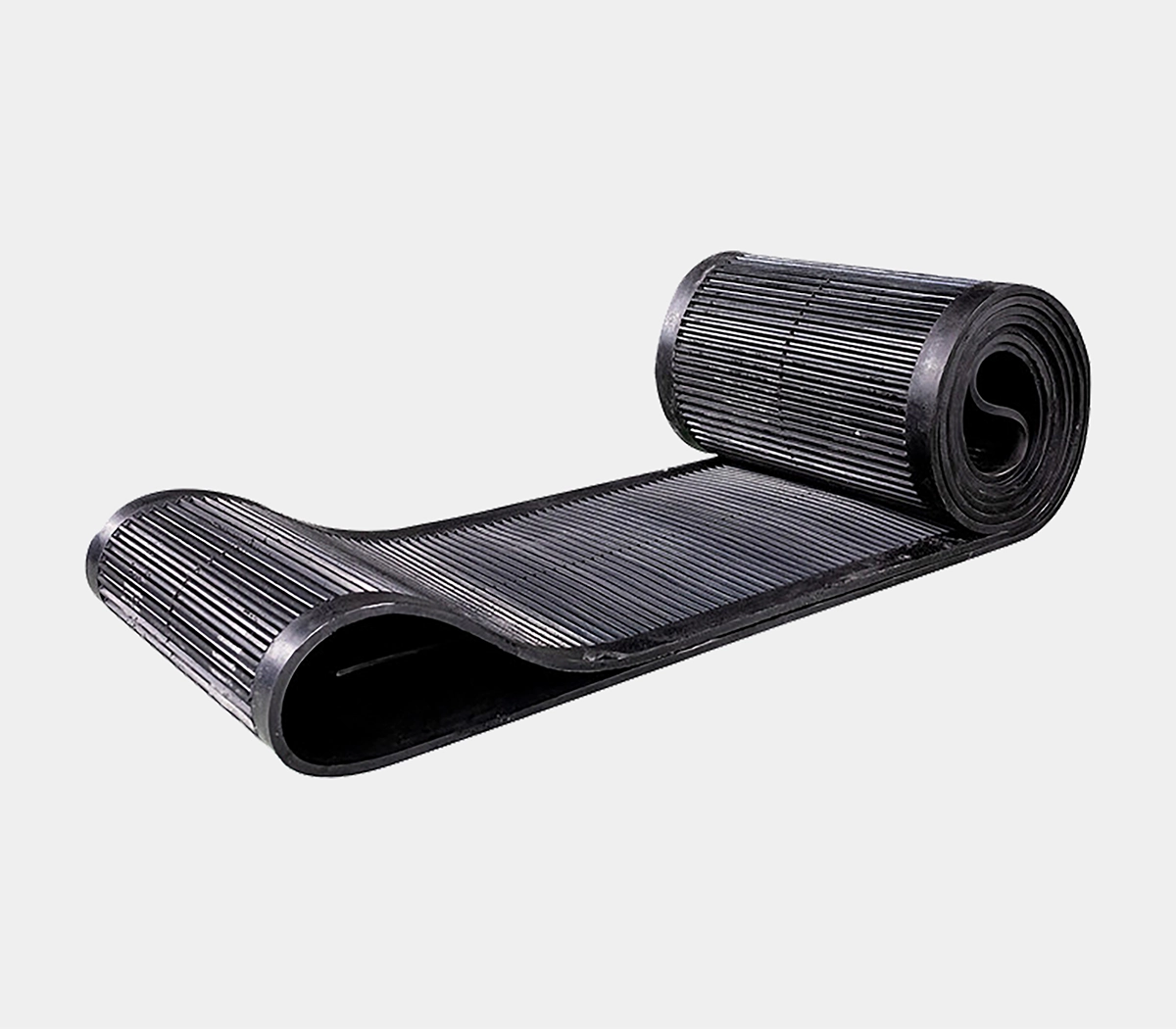
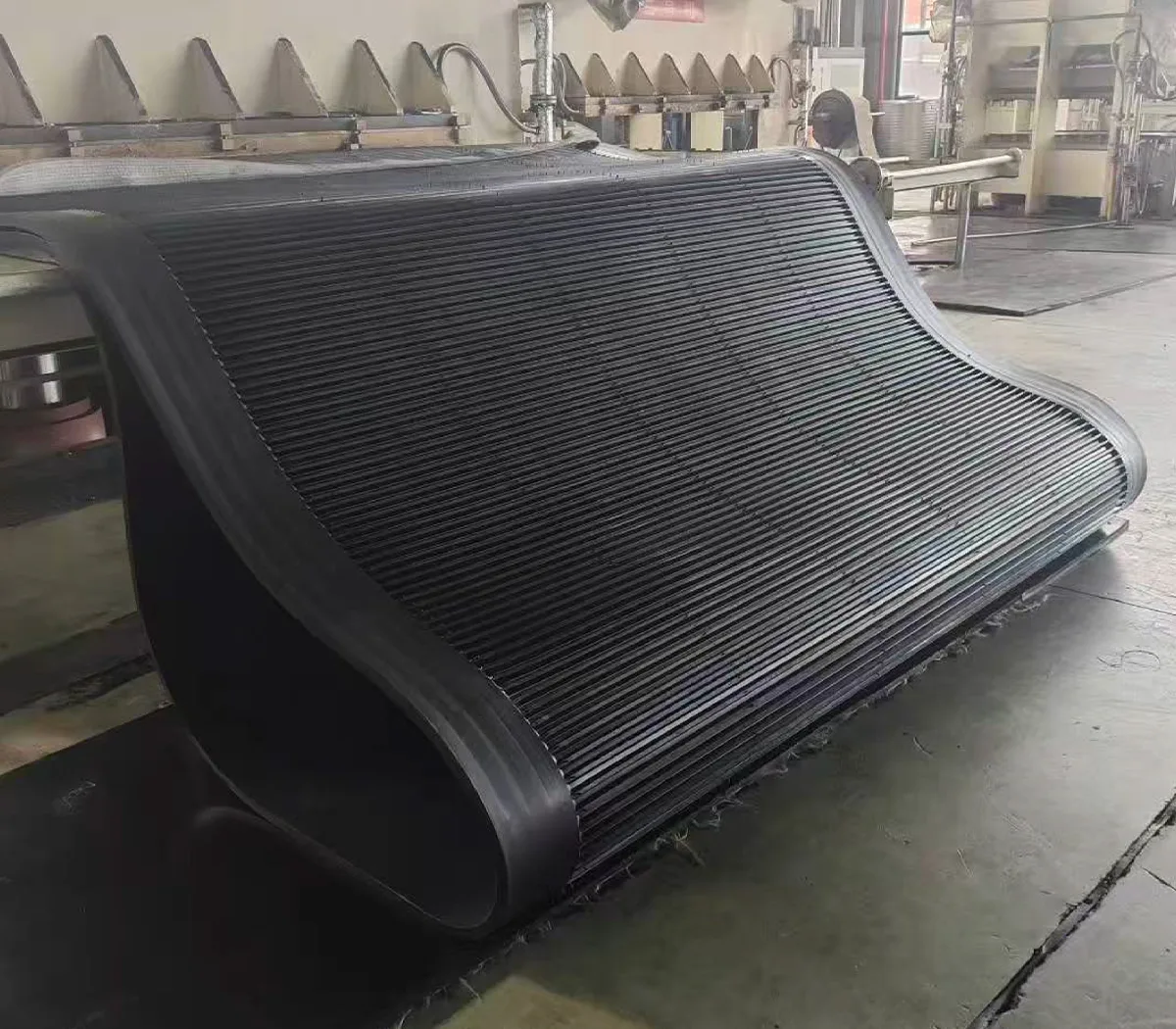
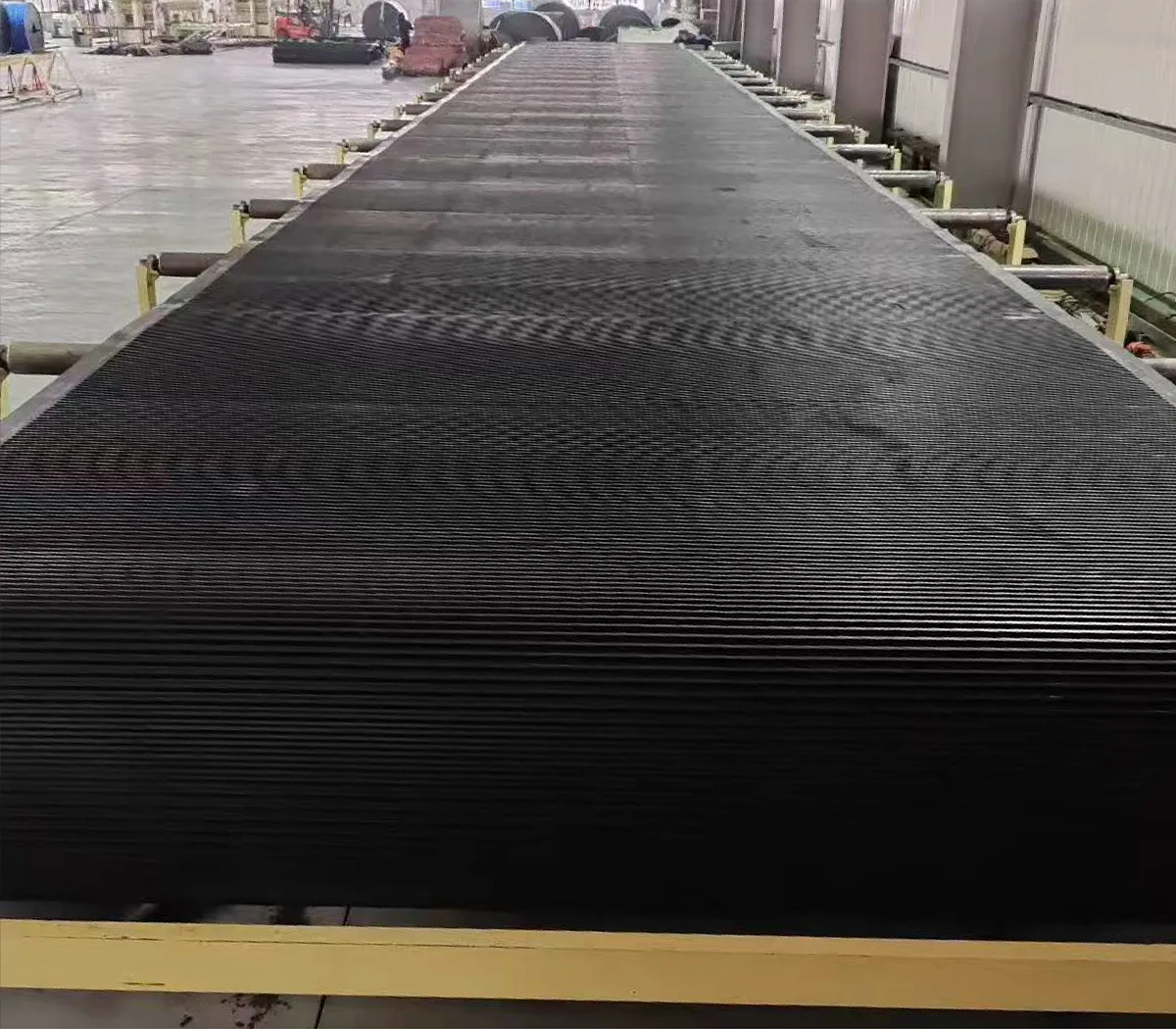
- The top rubber cover comes with orderly arranged grooved channels for fast liquid drainage. Centered within each groove is a set of through holes. These holes route filtrate down into the vacuum box underneath.
- Drain holes are formed via rubber covered fabric free zones. This setup stops corrosive process fluid from creeping along internal fabric plies, slows ply delamination and greatly lengthens total service life.
- Multiple belt grades exist to match different material transport and filtration conditions. End users need to pick suitable belt construction based on actual slurry PH, temperature, particle composition and abrasion level.
- Drain hole fabric free zones do not come as standard for every belt model; make this request clear when you place orders.
Technical Capability & Dimension Range
Our filter conveyor belts support custom sizing to fit diverse vacuum belt filter frames.
- Working width: 0 4500 mm
- Effective length: 20 200 m
- Overall belt thickness: 20 50 mm
- Top cover rubber thickness: 10 30 mm
- Bottom cover rubber thickness: 5 15 mm
Note: Above figures cover regular production scope. We can work out non standard sizes after our technical review. Send over your equipment drawing or old belt sample for exact matching.
Main Applications
Filter conveyor belts see heavy real world deployment for process filtration across heavy industry sectors:
- Thermal power plant: flue gas desulfurization gypsum dewatering
- Chemical processing, non ferrous smelting, mineral ore processing
- Petroleum refining related solid liquid separation
- Food industry slurry filtration
- Mining beneficiation tailings dewatering
- Alumina production slurry treatment
- Papermaking pulp and waste water filter treatment
Rubber Cover Compound Options
Pick rubber compound grade based on your onsite slurry environment:
- Gneral abrasion resistant grade: for common mineral slurry, moderate particle abrasion, normal temperature working condition
- Heat resistant grade: for filtrate and filter cake with sustained high temperature
- Acid & alkali resistant grade: for slurry with strong acidic or alkaline properties
- Oil resistant grade: for feed mixed with mineral oil, hydrocarbon and oily contaminants
Why Choose Our Filter Conveyor Belts
We make filter conveyor belts in house — we are the actual factory, not middleman traders. Every step, from EP fabric preparation, rubber mixing, vulcanization through final inspection, happens inside our own plant.
- We test every incoming EP fabric roll. Tensile strength and elongation get verified before we bond rubber onto fabric. Any fabric failing specs gets rejected right away, so you won’t face unexpected stretching once the belt runs on site.
- Full custom capability. We adjust groove depth, hole spacing, hole pattern and fabric free zone layout exactly against your machine parameters or old belt samples. We do not only offer off the shelf standard items.
- Finished belt full inspection. Every completed filter conveyor belt goes through dimension measurement, straightness check and surface visual inspection before packing. This cuts fitting failures and trial run risks for end users.
- Flexible rubber formula tuning. We tweak rubber compounds for acid, alkali, heat, oil or heavy abrasion conditions, instead of using one universal rubber mix for all working environments.
- Technical support through the whole project cycle. Our engineering team helps you pick the correct belt grade when you cannot confirm material selection from your side.
Common Failure Causes & Troubleshooting
| Problem | Possible Cause | Practical Suggestion |
| Belt runs off track / wandering | Uneven tension on two sides; dirty or worn support rollers; insufficient belt straightness | Readjust bilateral tension to keep balanced; clean or replace dirty rollers; specify strict straightness requirement for new replacement belts |
| Fast wear on top rubber cover | Sharp hard particles in slurry; long time dry running; high abrasion filter cake | Switch to higher grade abrasion resistant rubber; remove hard debris from incoming slurry; avoid running machine without slurry feed |
| Ply delamination around drain holes | Acidic or alkaline filtrate seeps into internal fabric layers through hole edges | Order belts with fabric free zone around drain holes for corrosive slurry working conditions |
| Filter cake keeps high moisture content | Grooves or drain holes clogged by fine particles; mismatched belt structure for slurry particle size | Carry out periodic belt washing to clear blockages; double check groove and hole dimension before new belt purchase |
| Early rubber cracking | Continuous high temperature impact; chemical erosion; long term storage under sunlight | Select heat resistant or chemical resistant rubber formula; store spare belts in cool, shaded warehouse |
FAQ
Q1: When should I choose fabric free zone design for my filter conveyor belt?
A1: Go for fabric free zones if your slurry carries acid, alkali or other corrosive chemicals. Holes cut directly through rubber fabric layers without fabric free treatment let liquid attack EP fabric plies, causing early layer separation and short service cycles. For neutral, low corrosion materials, standard hole punch design can work for cost control.
Q2: Why does my existing filter belt keep stretching and going off track?
A2: Two common reasons. First, poor quality inner fabric carcass with high elongation rate under load. Second, improper tension adjustment during equipment installation. Our EP reinforced filter belts keep low permanent stretch. Even so, follow equipment manual for correct tension setup at commissioning.
Q3: Can you produce replacement filter belts according to my worn old belt sample?
A3: Yes. Send us old belt pieces or dimension data (width, total length, top / bottom cover thickness, groove layout, hole spacing, working medium). Our technical team can confirm compound formula and structure from these details. It helps steer clear of fitting mistakes and shortens trial run time on site.
Buying & Custom Tips
Lots of field side issues stem from picking the wrong rubber formula, not manufacturing flaws. Send over your real world operating conditions before placing orders. If you are not certain which grade fits best, just tell us about your slurry. Our engineering staff will work out the most cost effective filter conveyor belt for your vacuum dewatering filter unit.
Products
Base belt
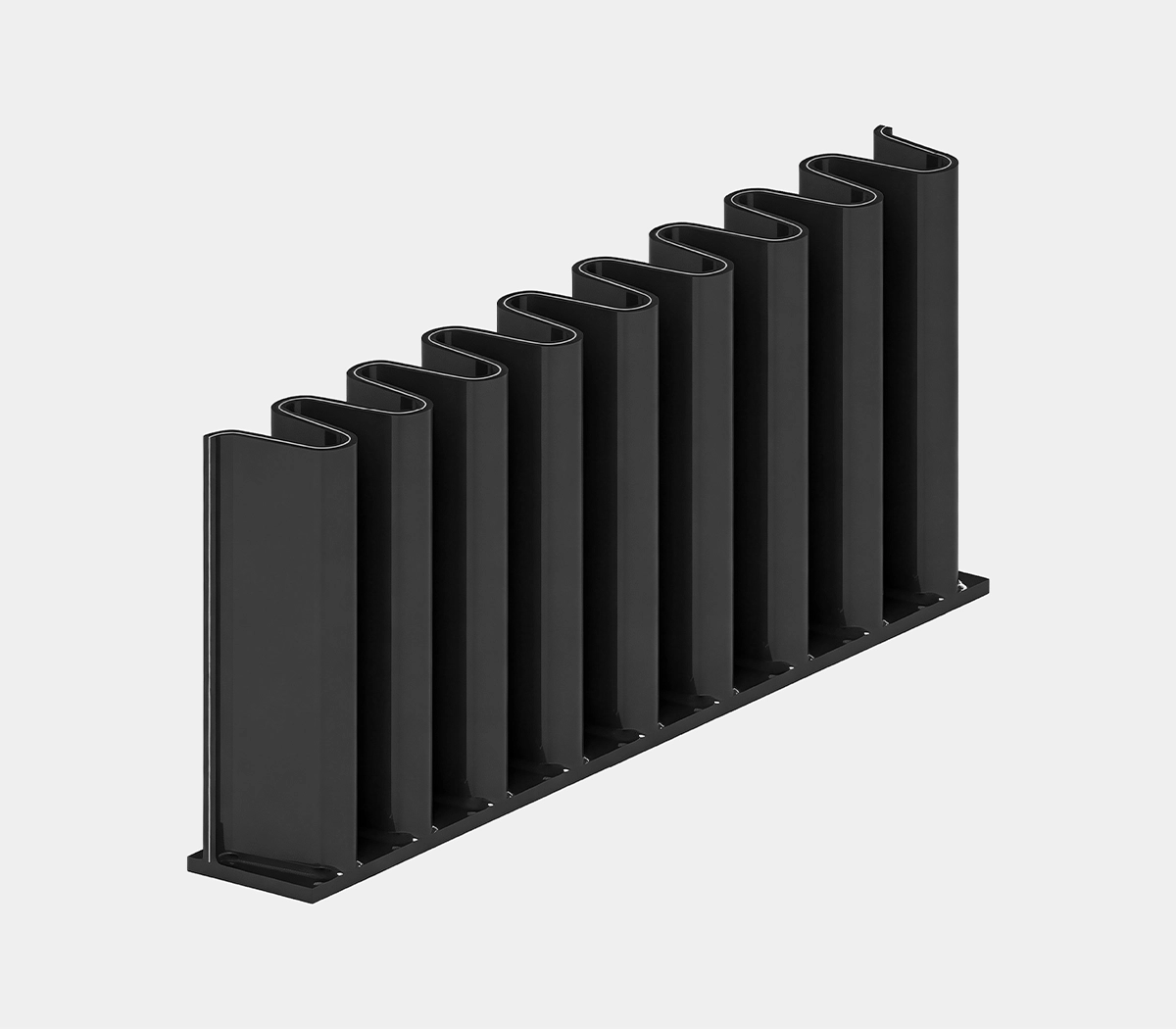
Sidewall
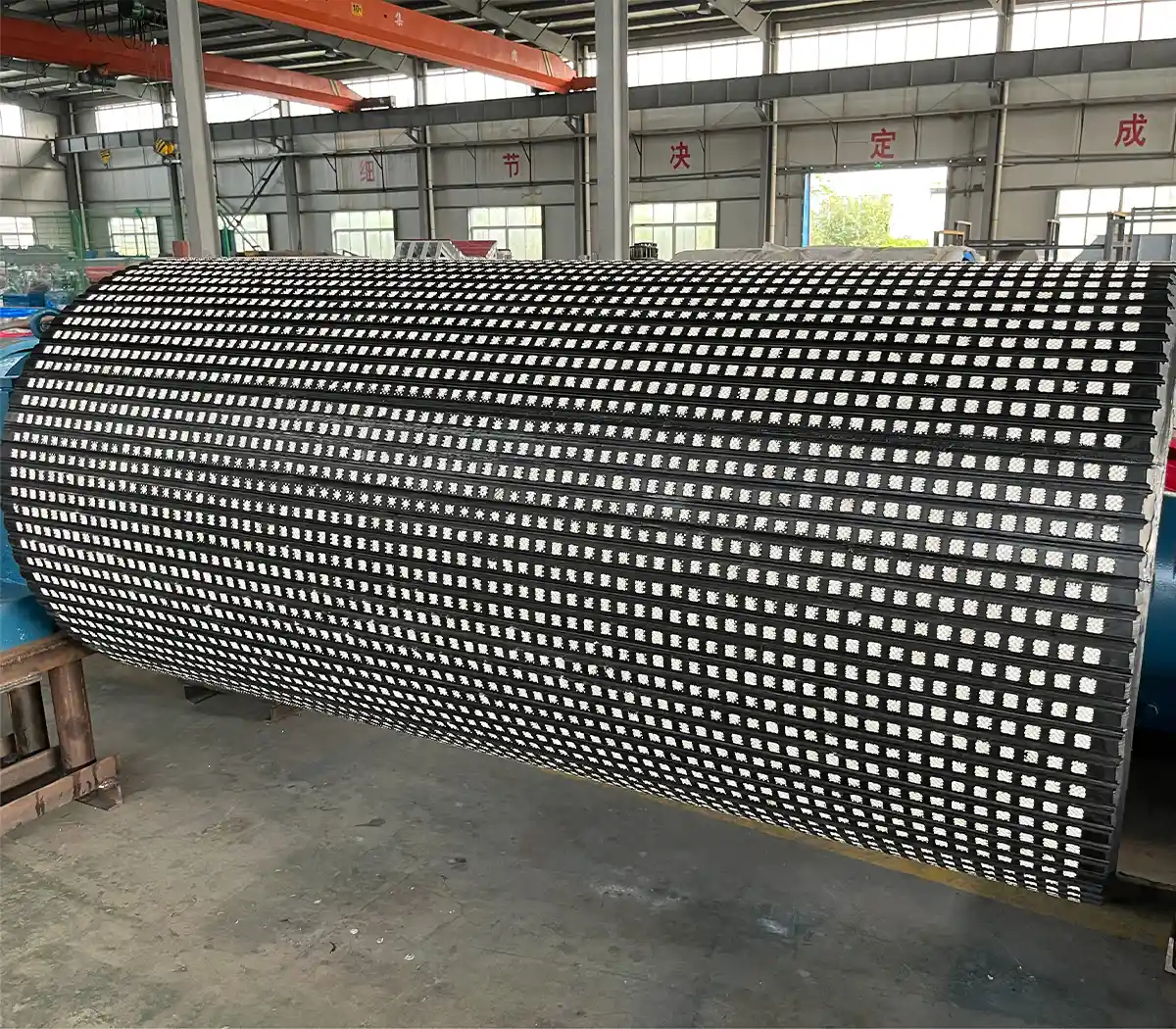
Pulley Lagging
Rubber Wear Lining
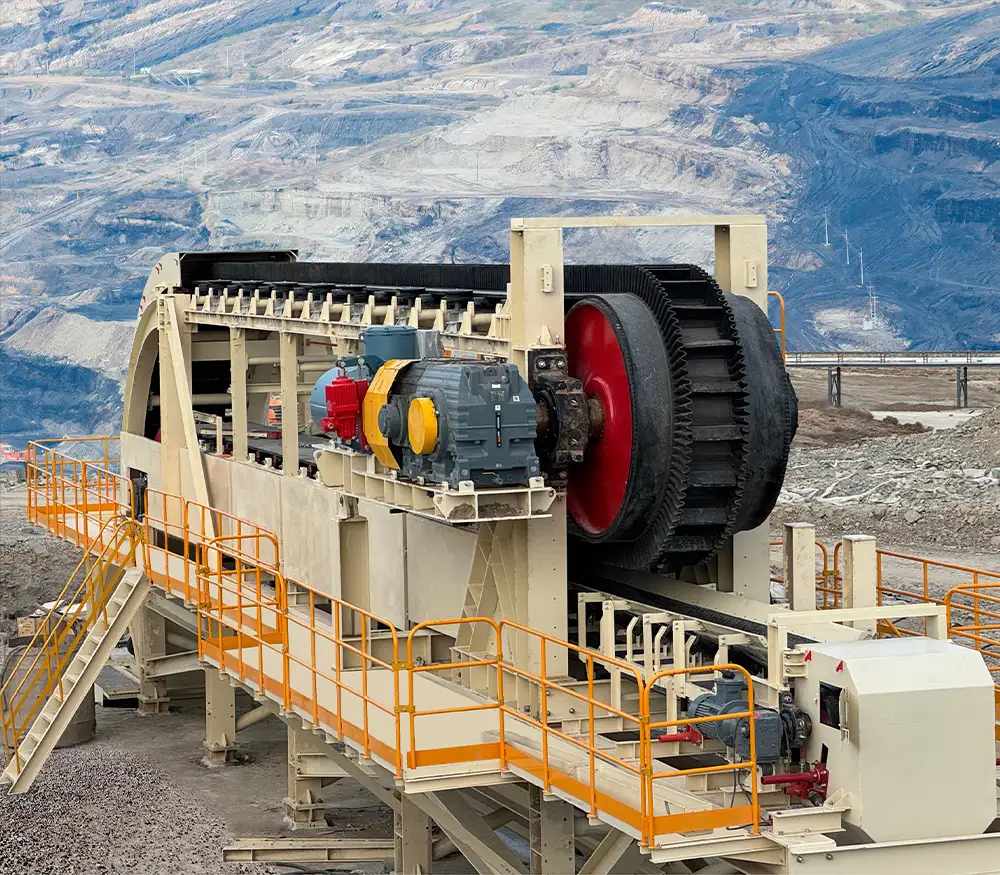
Sidewall Conveyor Belt
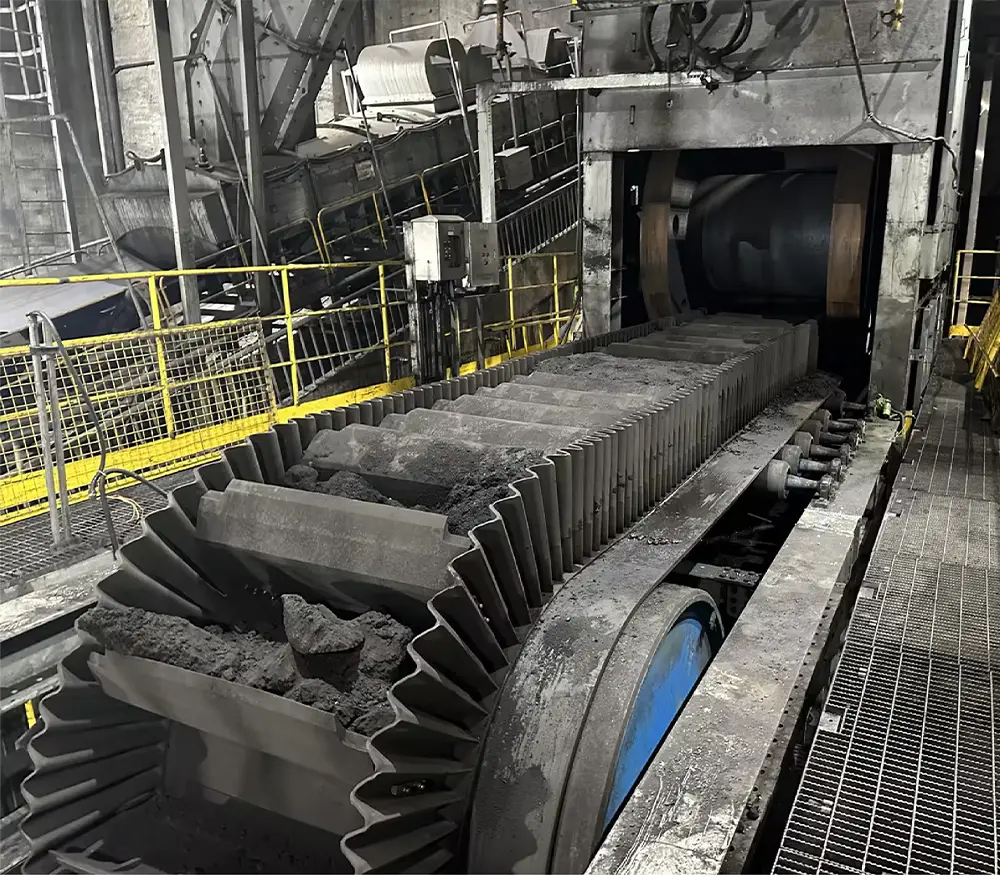
EPDM High Temperature Sidewall Conveyor Belt
Recent news
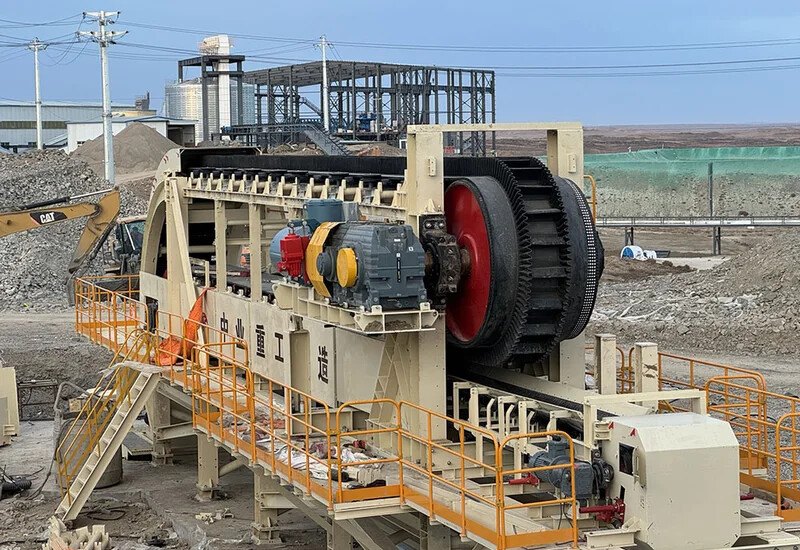
How Does a Sidewall Conveyor Belt Work?
Nov 19, 2026
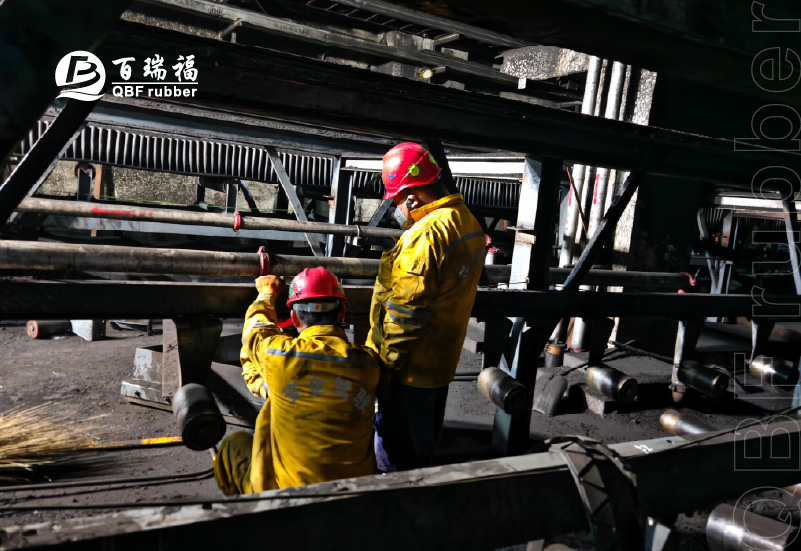
Sidewall Conveyor Belt Retrofit Enters Installation at Coal Chemical Plant
Nov 20, 2026
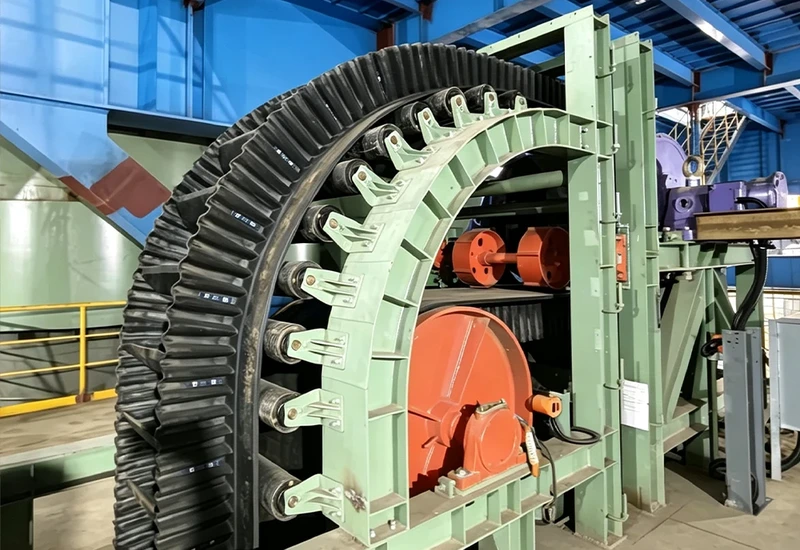
What Is a Sidewall Conveyor Belt and When Should You Use One?
Nov 12, 2026
See Latest Service