Sealing Conveyor Belt
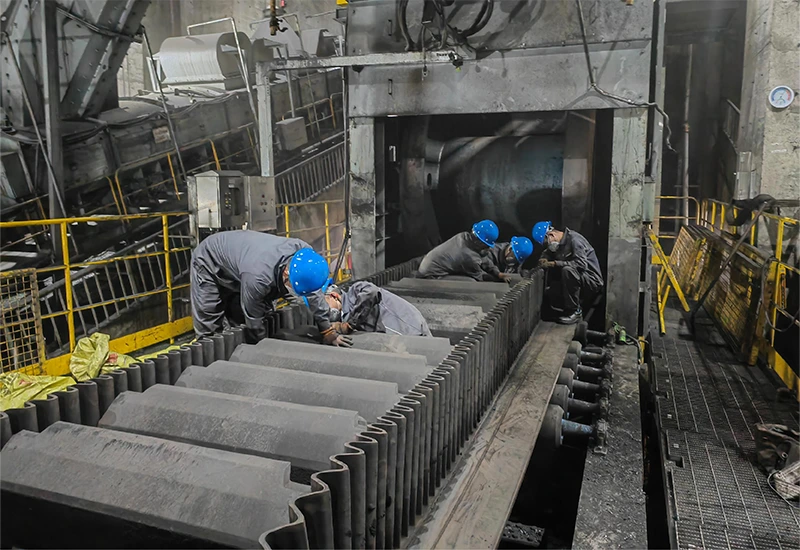
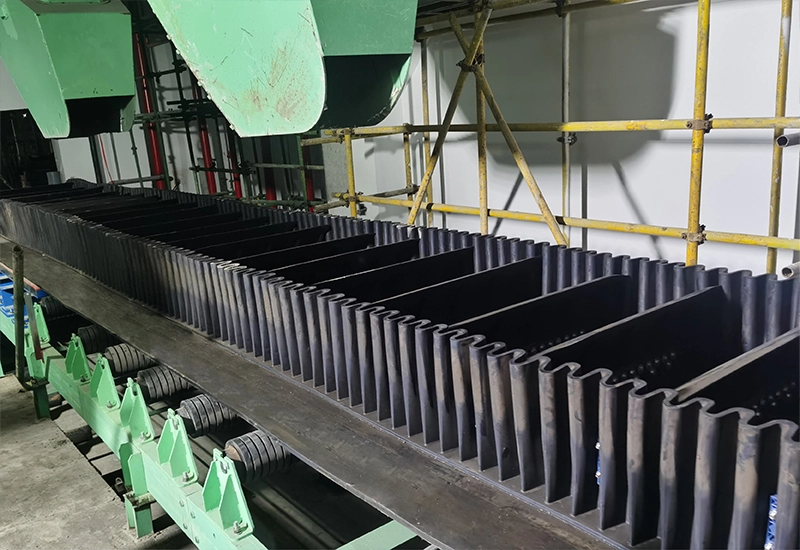
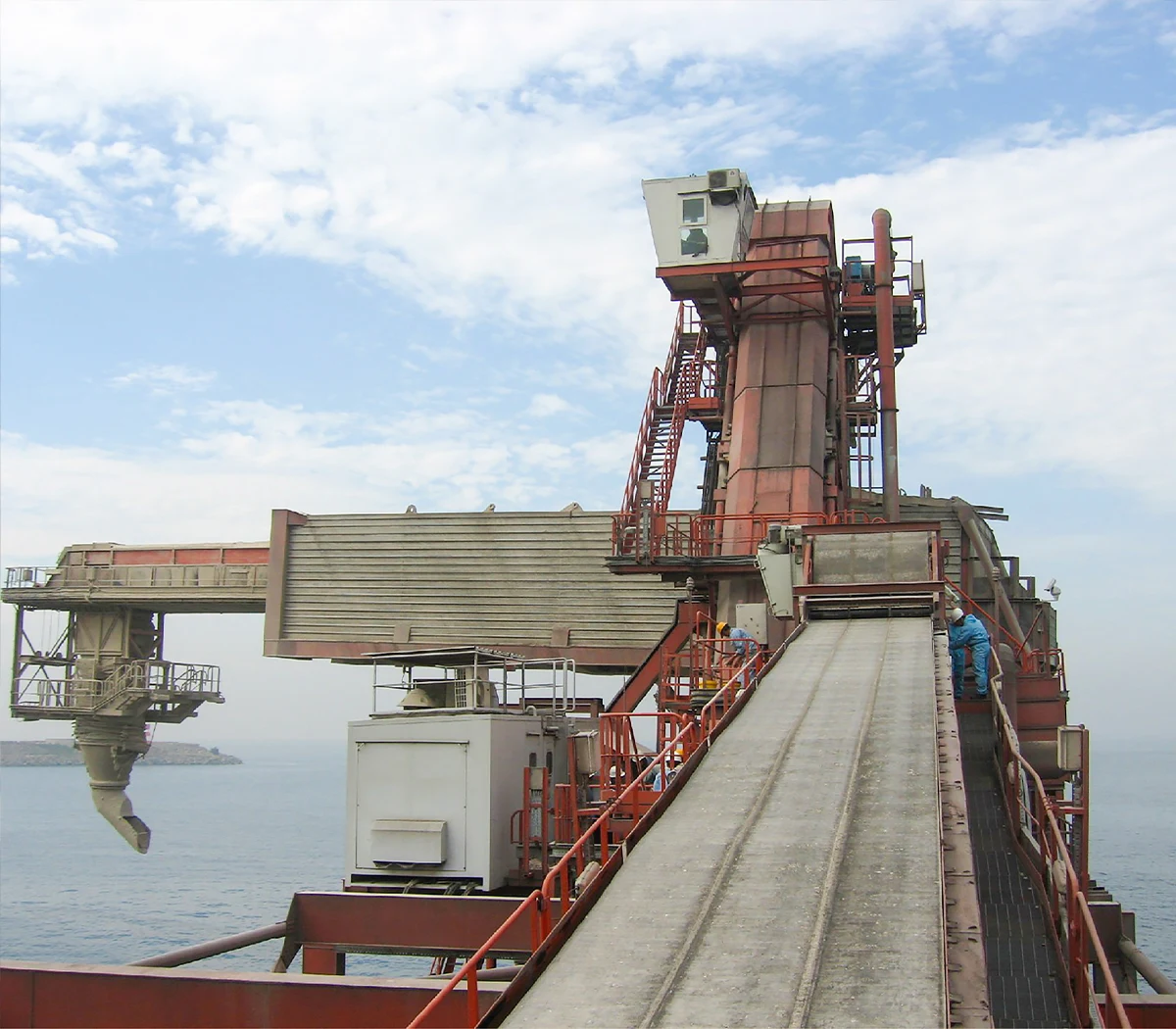
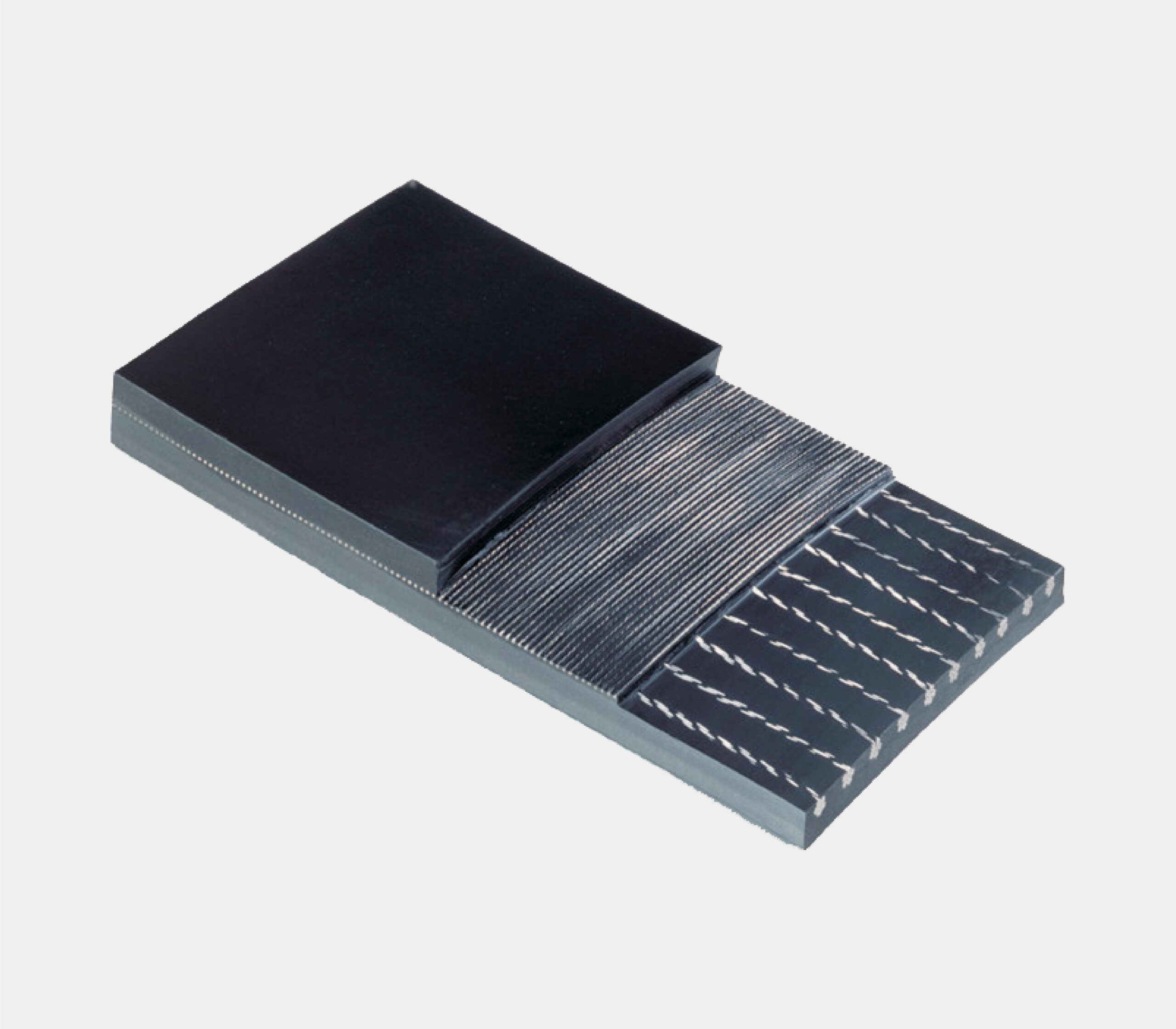
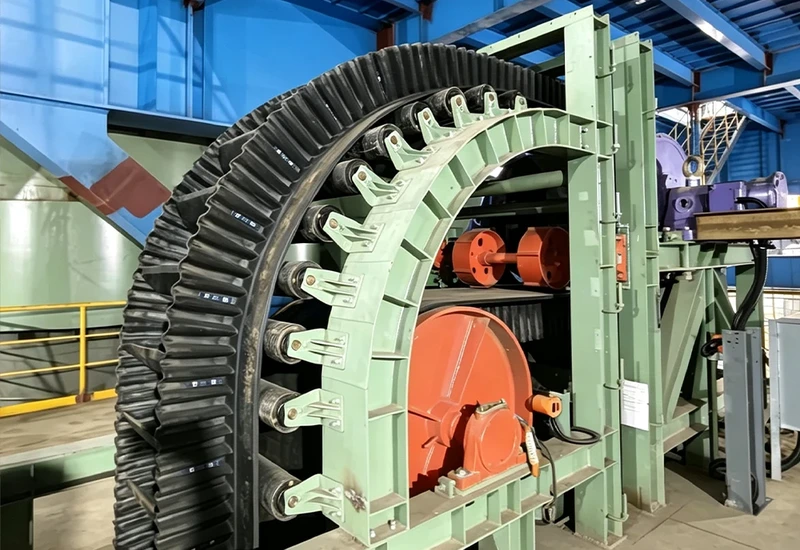
Reinforced by nylon fabric or steel cord, it combines firm transverse rigidity and longitudinal flexibility. Suitable for tripper cars and continuous handling equipment, it is widely used in ports, building material, chemical and grain plants to avoid weather impact and material dust pollution.
-
Description
Product Overview
Our sealing conveyor belt, also known as cover sealing belt, sits right above bulk material conveyor systems. It works as a flexible protective cover to block dust, rain, snow, wind and strong sunlight during material transportation.
The belt’s inner reinforcement layer is built with nylon fabric or steel cord layers. This build gives it two practical advantages: solid transverse rigidity to hold shape, and good longitudinal flexibility for free bending and movement. It fits well for tripper cars, material recovery units, automatic unloading conveyors and other continuous material handling machinery.
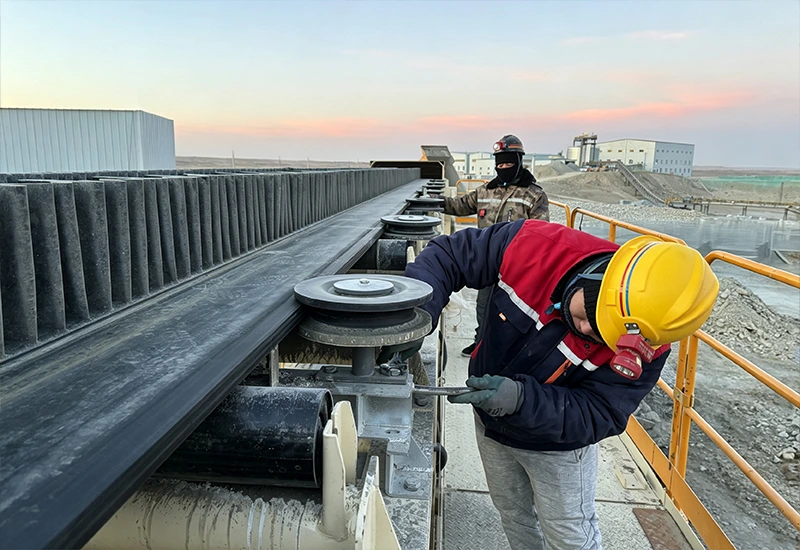
Widely deployed across ports, building material plants, chemical workshops and grain processing facilities, this sealing cover belt shields loose bulk goods from outdoor weather interference. Meanwhile, it stops scattered materials from blowing out and polluting the surrounding site.
Why Choose Our Sealing Conveyor Belt Over Traditional Cover Solutions
Many sites use tarpaulin cloth or fixed metal hoods for conveyor shielding. Each option has obvious pros and cons:
- Tarpaulin cloth: Low cost, but easy to tear, poor shape holding, cannot stand strong wind; frequent replacement increases total cost.
- Fixed metal hood: Good weather resistance, but heavy, cannot move. It blocks access when you need to inspect or maintain the lower conveyor.
- Our movable sealing conveyor belt: Balanced solution. Rigid sideways yet flexible lengthwise. It can move together with tripper unloading equipment. No need to remove whole hood for routine conveyor inspection.

Main Applications
Installed on top of bulk material conveying belts, the sealing cover belt is matched for material unloading conveyors and continuous production equipment.
- Grain industry: Protect grain stocks from rain, dust and sun exposure during transit
- Chemical sector: Keep bulk chemical materials free from external contamination
- Building material field: Cover cement, sand and other bulk building materials
- Port logistics: Fit for outdoor port unloading and material transfer equipment
Thanks to its reinforced structure, the belt holds shape sideways while staying soft lengthwise. Operators can shift or reposition the cover belt according to actual working requirements.

Key Features
- Reliable weather protection: Shields transported materials against dust, wind, rain and direct sunlight to preserve material quality.
- Even embedded transverse reinforcement: Reinforcement layers sit evenly embedded inside the belt. This stops early on excessive wear that could expose the inner layers.
- Flexible running performance: The belt body bends smoothly, compatible with smaller size drive rollers. No need to install extra large roller sets for operation.
- Dual sided benefit: Stabilizes material quality by isolating harsh outdoor conditions; cuts material loss and reduces site dust pollution.
- Easy on site adaption: Transverse rigidity maintains covering shape; longitudinal softness supports movable installation for different working cycles.
| Belt Width | 600 | 800 | 1000 | 1200 | 1400 | 1600 | 1800 | 2000 |
| Max. Support Spacing (mm) | 400–500 | 650–700 | 800 | 1000 | 1200 | 1400 | 1600 | 1800 |
| Embedded Metal Layer | Steel Mesh | |||||||
| Cover Rubber Material | Black, Anti-Aging Rubber (all widths) | |||||||
| Min. Pulley Diameter (mm) | 300 | 300 | 300 | 400 | 400 | 400 | 400 | 500 |
Material Options
We supply two main reinforcement constructions for sealing conveyor belts to match different site demands.
- Nylon fabric reinforcement: Light weight, good flex resistance. Perfect for general duty applications such as grain, regular building material and light load port conveying. Lower overall cost for long run projects.
- Steel cord layer reinforcement: Delivers higher transverse stiffness. Choose this option if your cover belt faces frequent large range movement, heavy wind load or tough outdoor working sites. Suitable for heavy duty tripper car and large unloading machinery.
The outer rubber cover compound can be adjusted upon request. We offer standard weather resistant grade for most outdoor environments. Special anti aging formula is available for sites under long term strong sunlight exposure.
FAQ
Q1: What is the difference between sealing conveyor cover belt and regular conveyor belt?
A: Ordinary conveyor belts carry materials from below. Our sealing cover belt acts as a top cover above the main conveyor. It does not bear material weight; its core job is weather and contamination shielding.
Q2: Can this sealing belt work with small drive rollers?
A: Yes. Long direction softness allows operation with relatively small drive rollers. It helps you avoid modifying your existing roller setup in most cases.
Q3: Will the inner reinforcement layer wear through quickly?
A: Transverse reinforcing layers are fully and evenly buried inside belt structure, not close to the surface. Under normal working conditions, over wear and early exposure rarely happen.
Q4: Which working scenarios are not suitable for this sealing belt?
A: It fits for general outdoor bulk material conveying. It is NOT recommended for scenarios with sharp high temperature chunks or strong corrosive liquid splashing directly onto the belt surface.
Q5: Is the sealing cover belt movable?
A: Sure. With soft longitudinal performance, the belt can be moved as needed. It is commonly used for tripper car and automatic unloading equipment that requires adjustable coverage.
Quick Note for Buyers
When ordering, please share your working conditions: operating environment, roller diameter, required belt width and length, and whether you need nylon fabric or steel cord reinforcement. These details help match the most suitable sealing conveyor belt solution for your site.
Products
Base belt
Sidewall
Pulley Lagging
Rubber Wear Lining
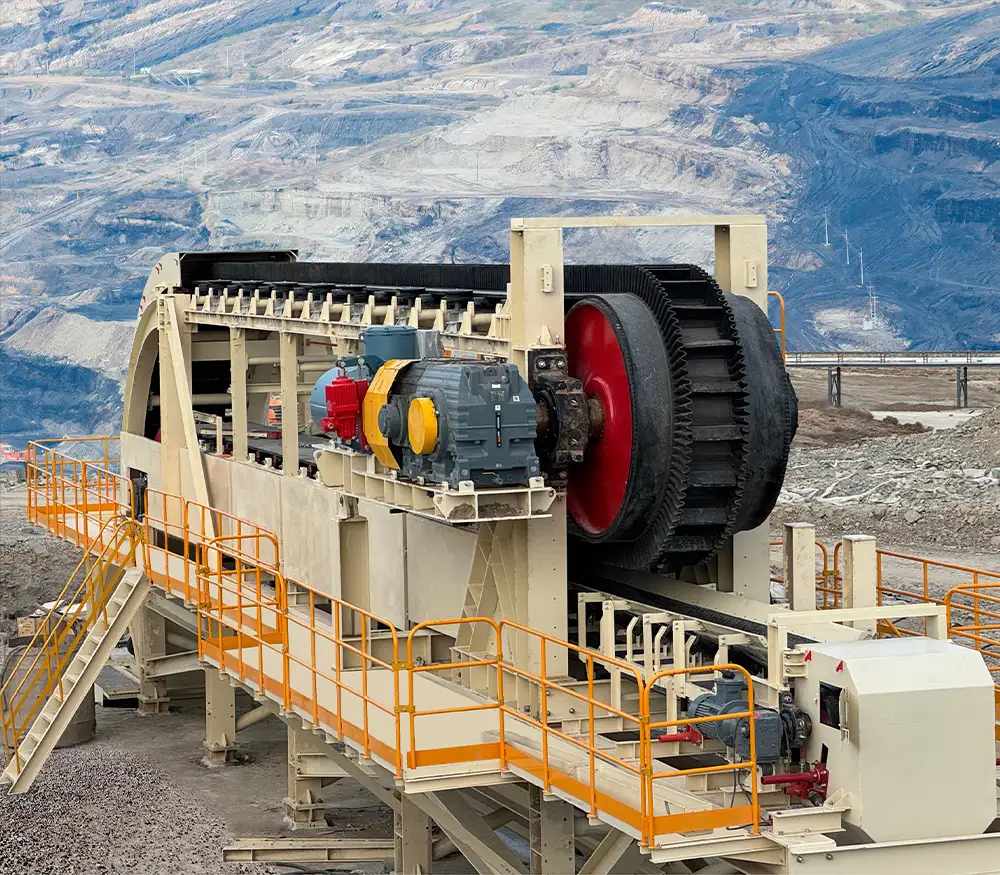
Sidewall Conveyor Belt
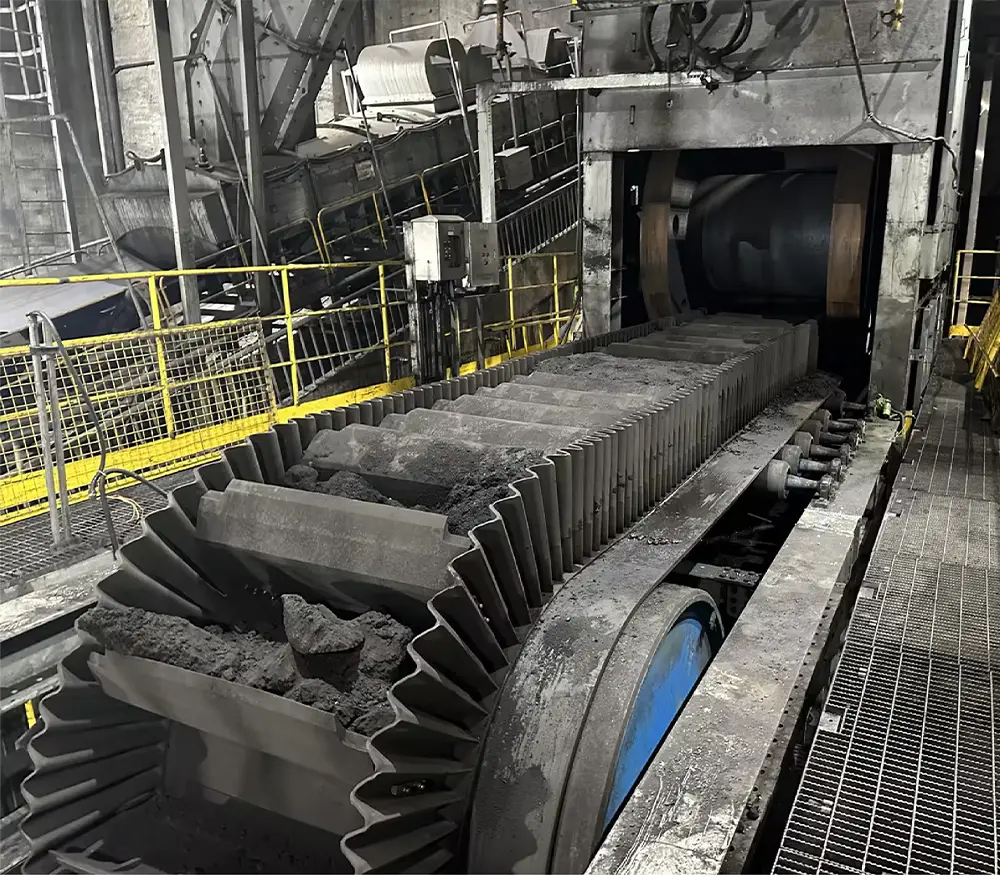
EPDM High Temperature Sidewall Conveyor Belt
Recent news
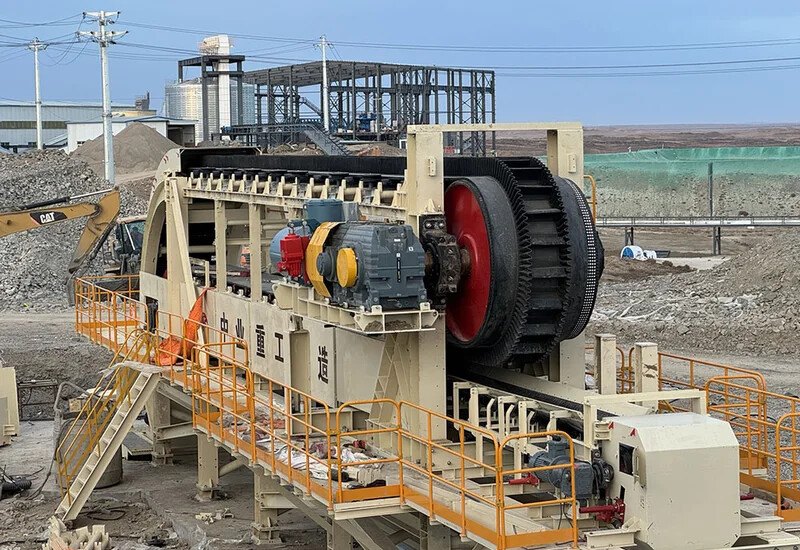
How Does a Sidewall Conveyor Belt Work?
Nov 19, 2026
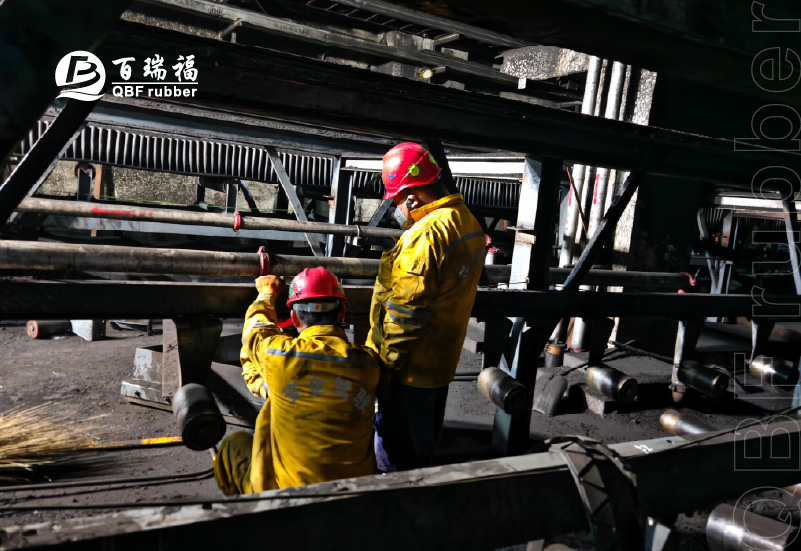
Sidewall Conveyor Belt Retrofit Enters Installation at Coal Chemical Plant
Nov 20, 2026
What Is a Sidewall Conveyor Belt and When Should You Use One?
Nov 12, 2026
See Latest Service