Skirt Rubber
Skirt Rubber2
Skirt Rubber3
Skirt Rubber5
Skirt Rubber4
Skirt Rubber6
Skirt Rubber7
Skirt Rubber
Skirt Rubber2
Skirt Rubber3
Skirt Rubber5
Skirt Rubber4
Skirt Rubber6
Skirt Rubber7

Skirt Rubber

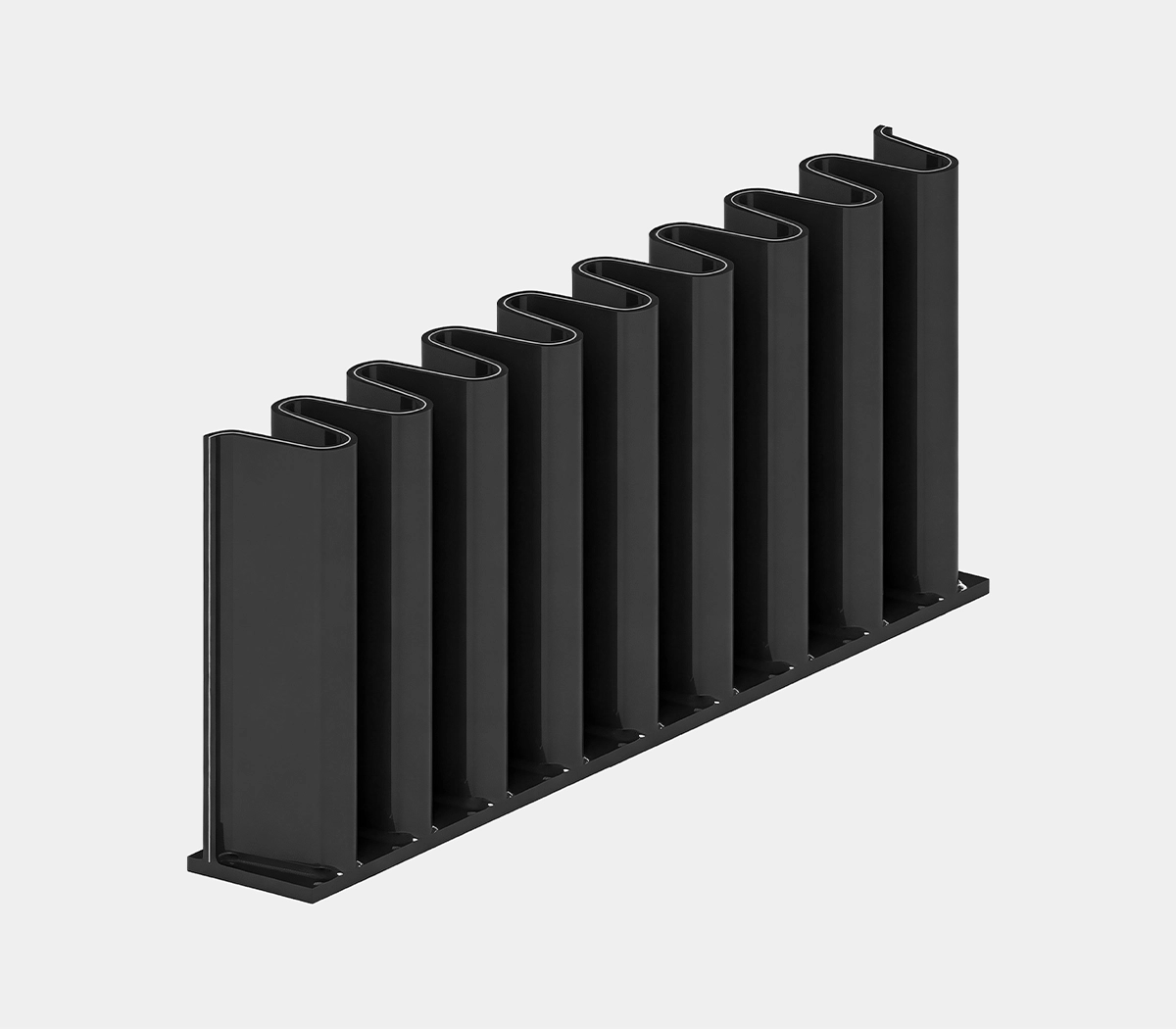
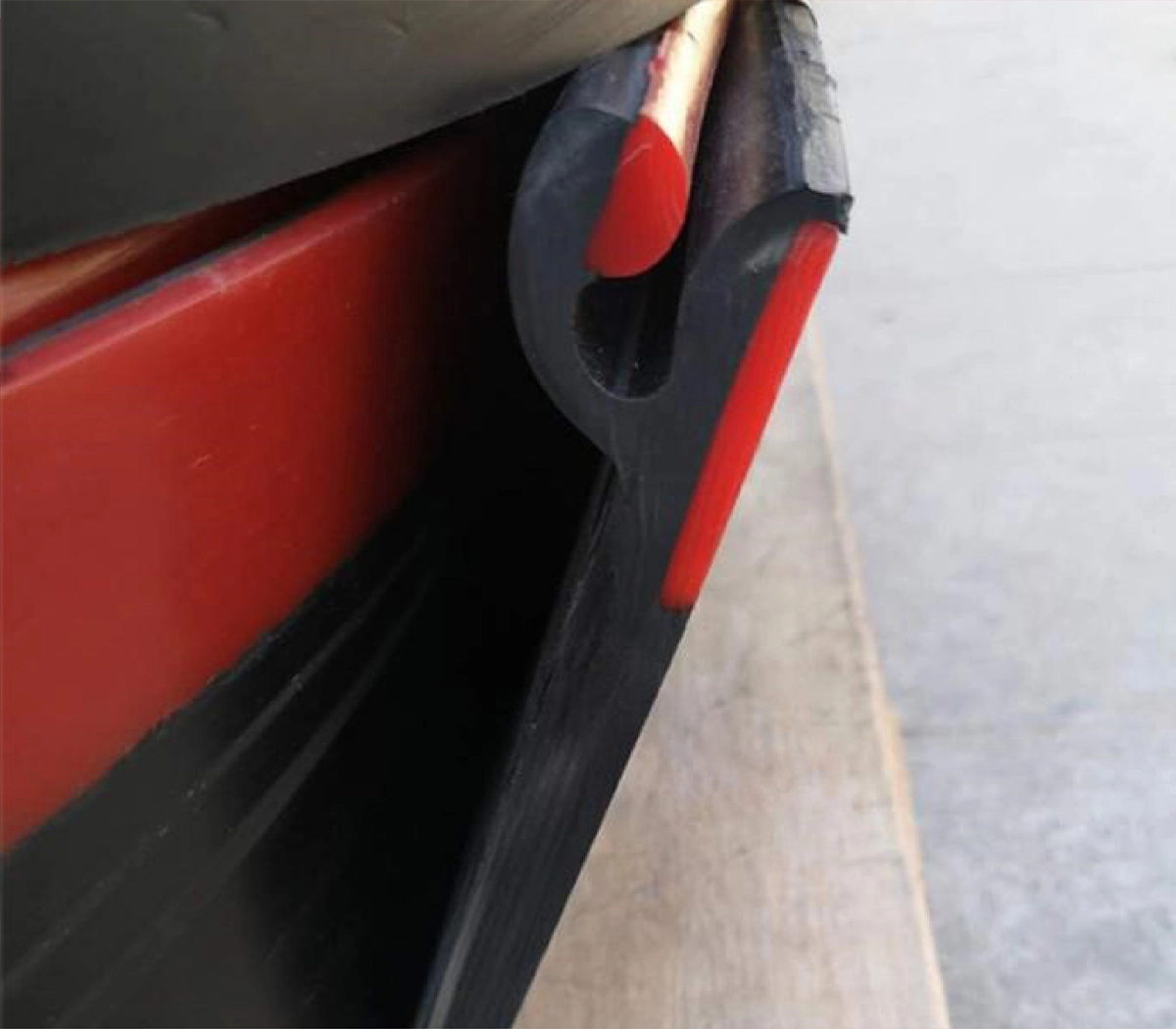
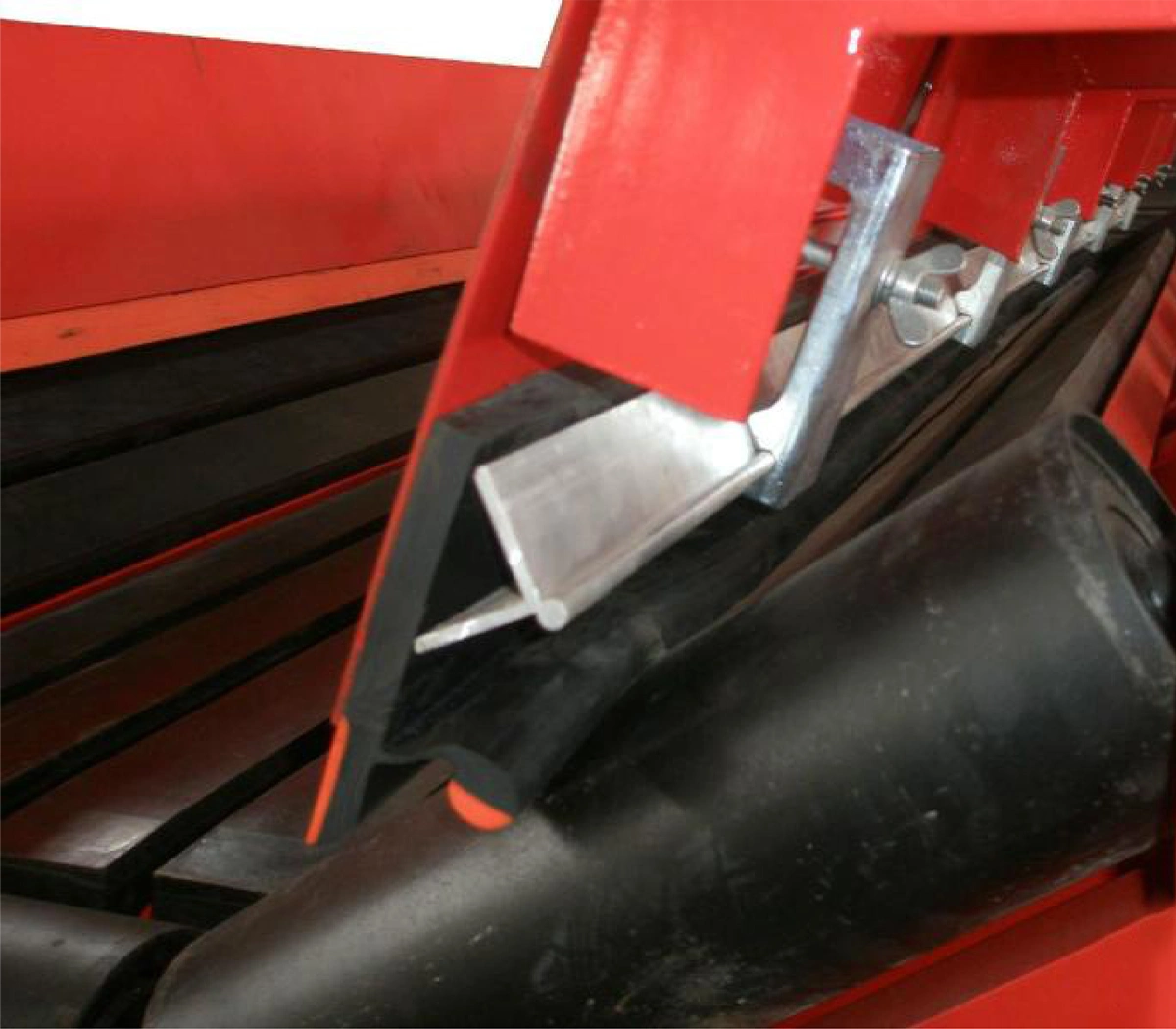
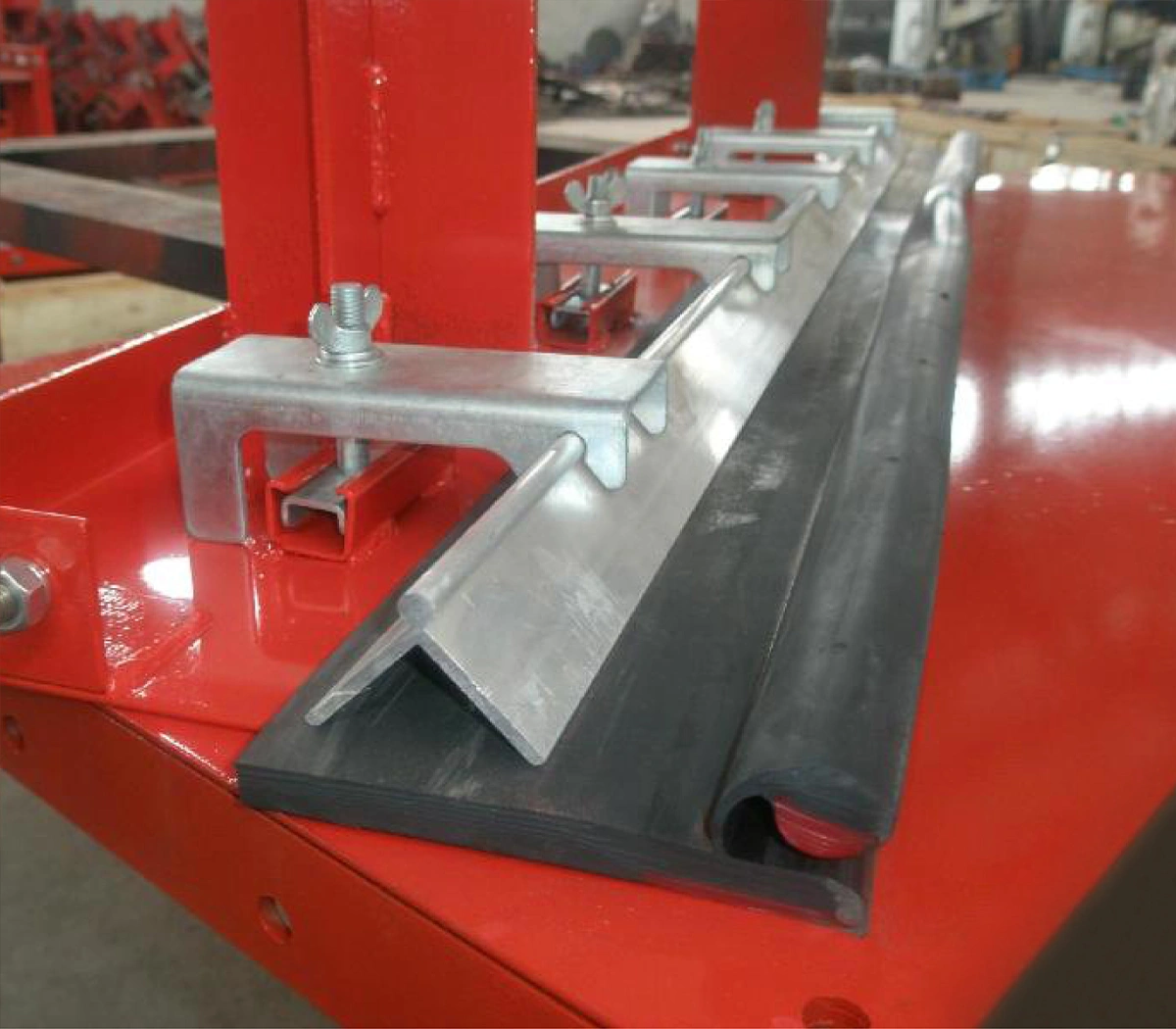
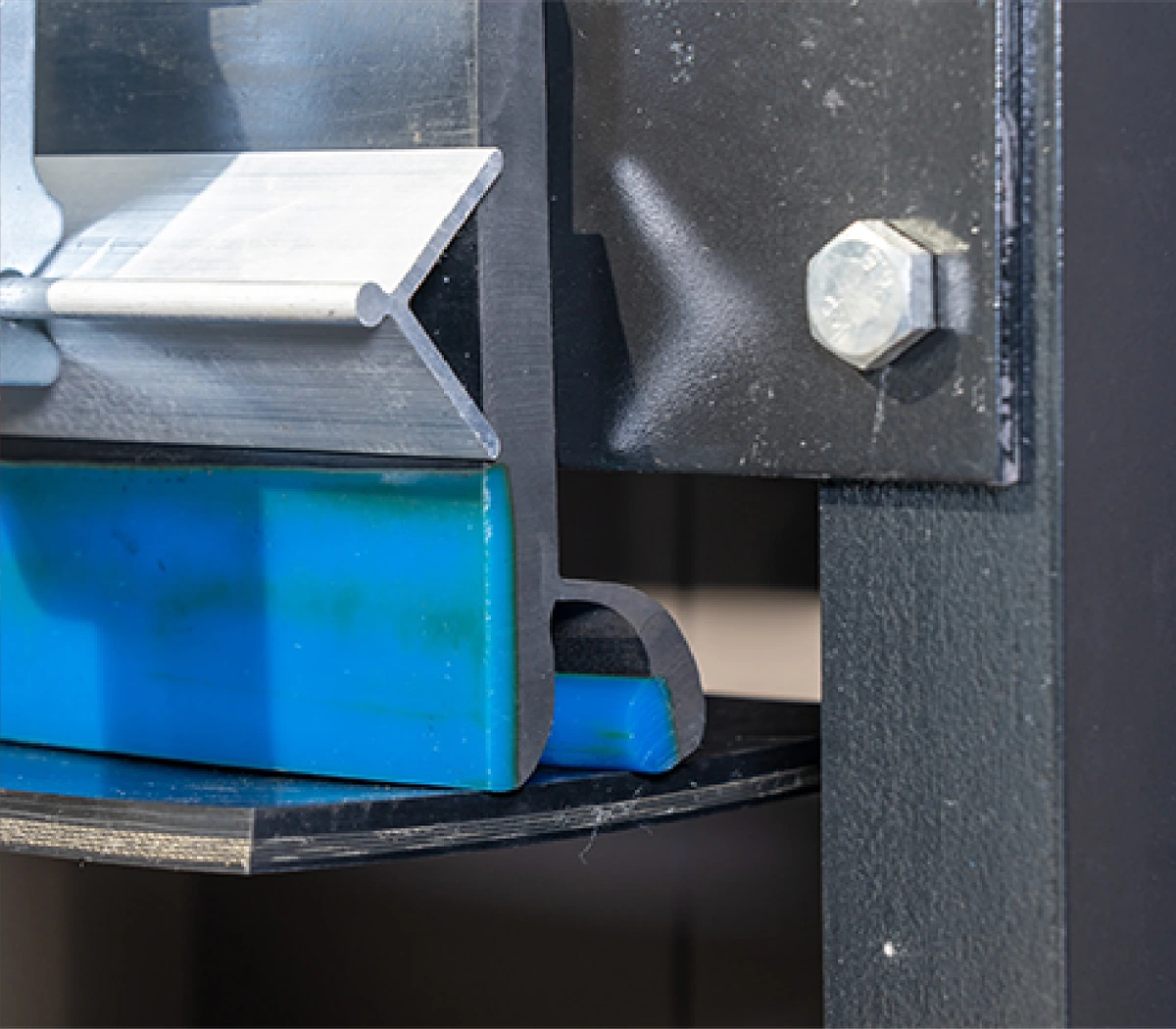
Y skirt rubber for belt conveyor chute, dual seal skirt rubber built with rubber base and polyurethane wear facing stops material spillage & dust. Custom length, low belt abrasion, easy install for mining, cement, port conveying systems.

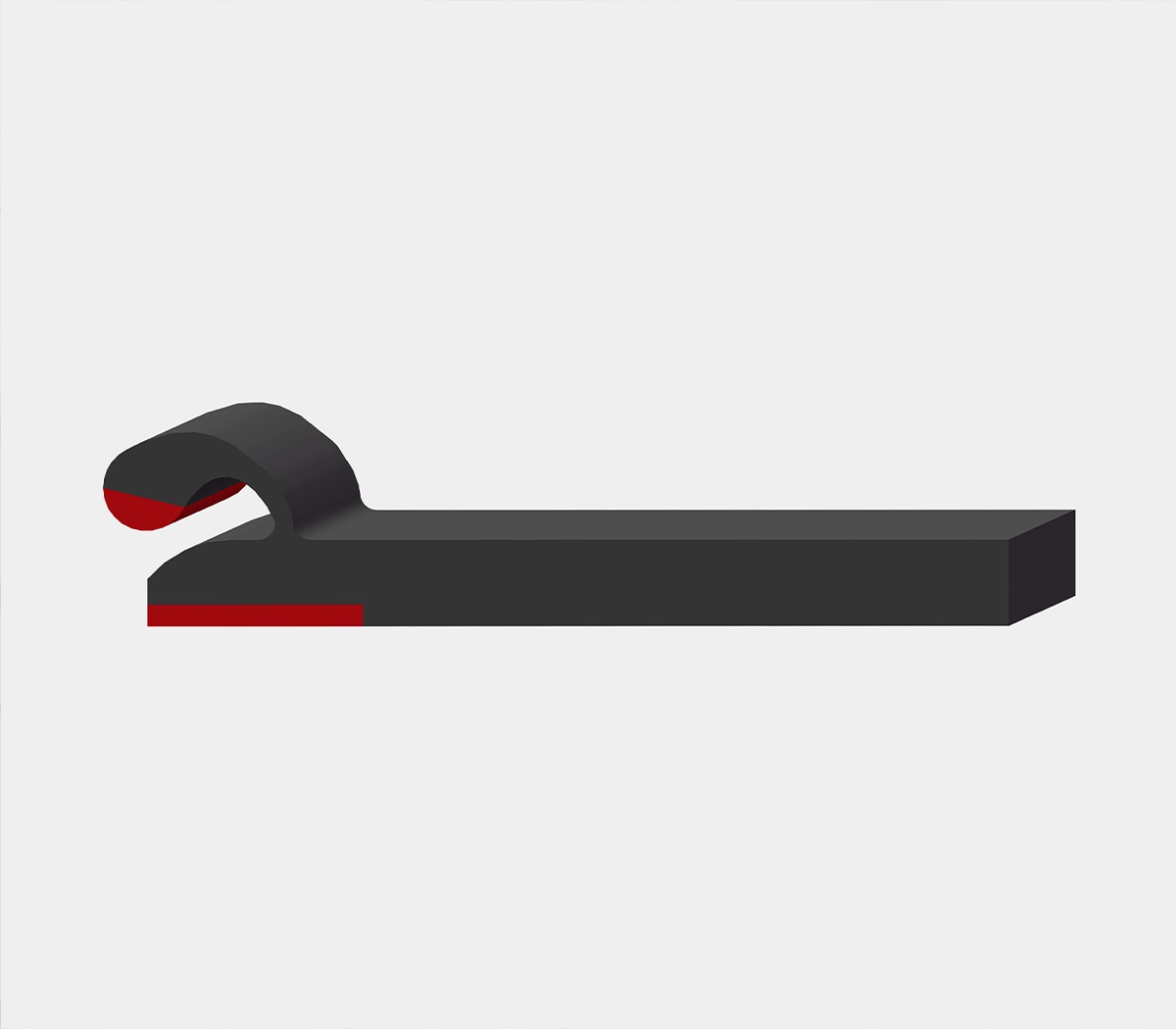
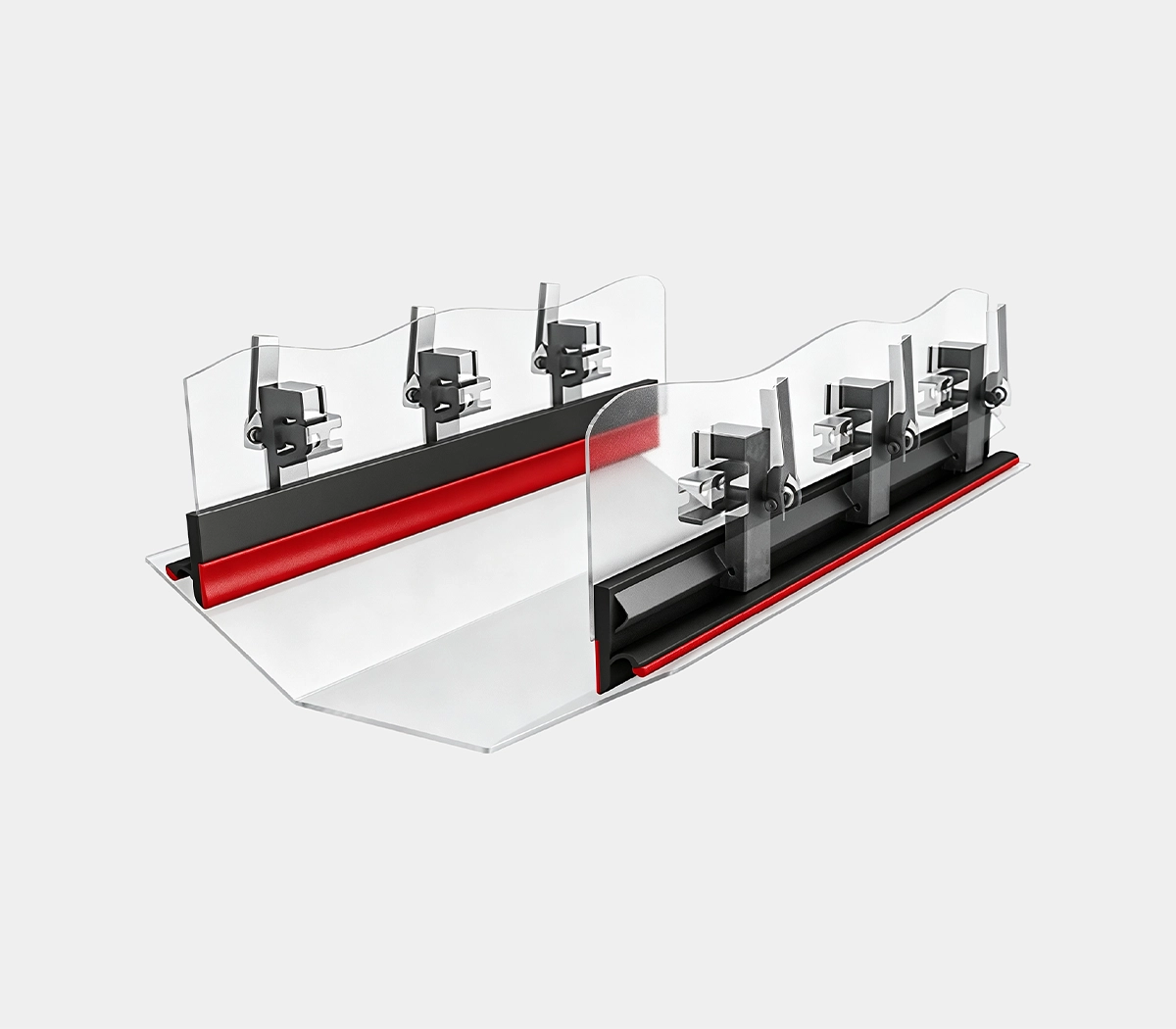
Y skirt rubber acts as a key sealing spare part fitted on belt conveyor transfer chutes. It uses a practical dual sealing structure, fixing many frequent headaches seen on bulk material conveying sites.

Plenty of conveyor lines struggle with material spilling along chute edges. Spilled product creates messy work zones, wastes usable raw material, and brings hidden safety hazards for site workers. Many maintenance crews spend lots of time cleaning up dropped material every shift. Our Y skirt rubber solves these real life pain points. It presses tight against belt surface and chute side plates, holds bulk material inside the chute, and cuts dust release during loading operations.


Real World Benefits of This Dual Seal Skirt

  • Dual sealing design stops spillage and flying dust
  • Makes daily site operation safer for workers
  • Cuts down material loss from chute gaps
  • Reduces unnecessary wear on your conveyor belt
  • Simple to fit, quick to adjust during maintenance

Dual Material Build for Conveyor Skirt Boards

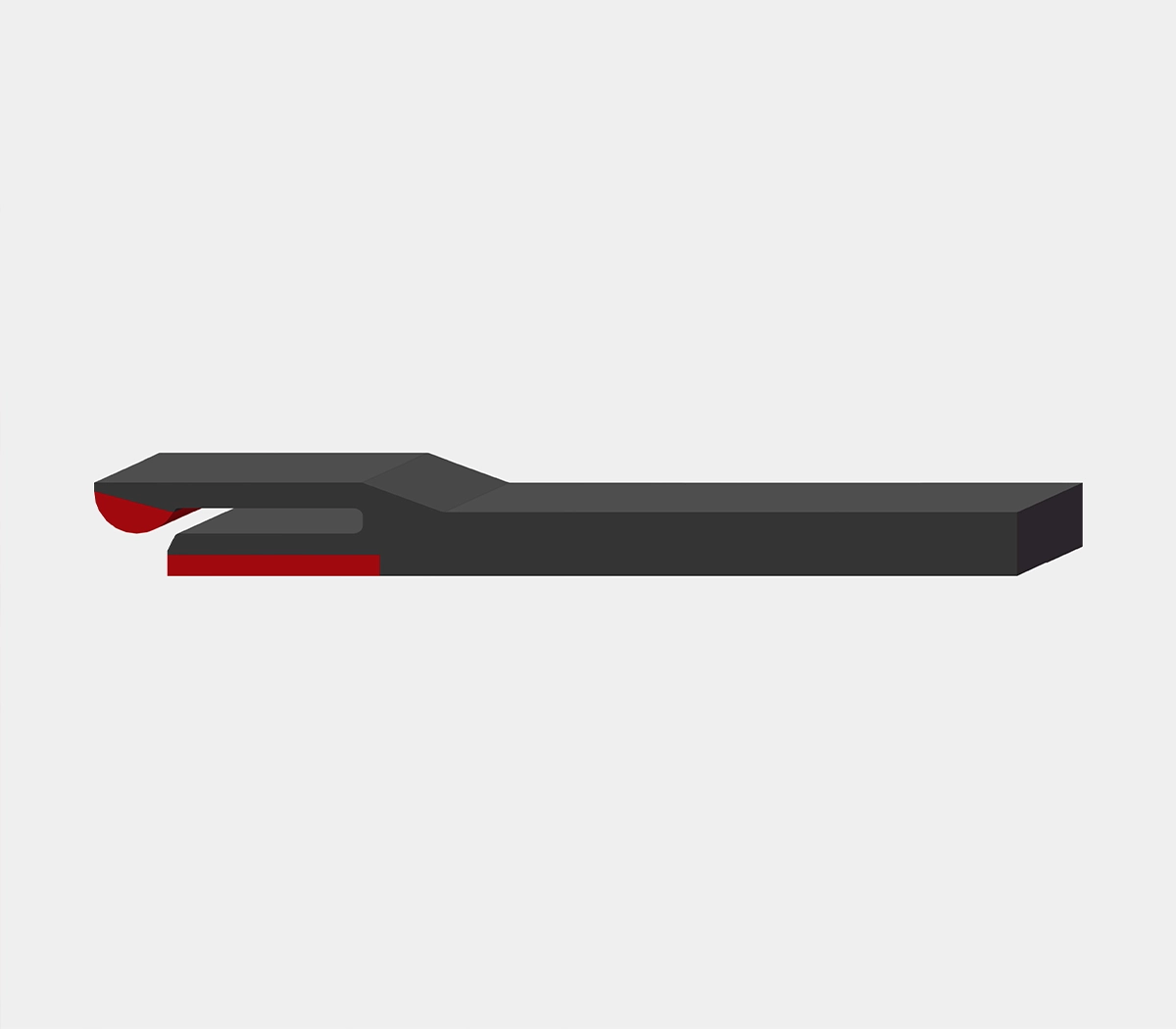
This skirt rubber is assembled from two distinct materials: a rubber base body paired with high grade polyurethane wear facing section.

The section making direct contact with the running belt is built from quality polyurethane stock. Polyurethane delivers strong wear resistance. It slides smoothly across belt covers, will not scratch or gouge conveyor belts, and lasts far longer than full rubber skirts you find on the market.

1.Polyurethane Wear Facing Section That Touches the Belt

This polyurethane layer takes all the friction from moving belts. Its formula focuses on wear resistance while keeping enough flexibility to avoid belt damage.

2.Rubber Base Gives Solid Structural Support

Thick rubber main body keeps overall shape stable. It absorbs impact from bulk material hitting the skirt, prevents tearing and deformation in tough working conditions.


How The Dual Sealing Setup Works On Site

Two sealing lips sit against chute side plates and moving conveyor belt. Contact seals block granular bulk goods leaking out of loading chutes. The outer lip can flip or get tweaked based on actual belt running conditions. On site staff can adjust compression without cutting or modifying the rubber itself.

Tunable Outer Seal Lip for Field Fine Tuning

Outer lip features rounded transition surface. No sharp hard edges to dig into belt rubber cover. This lowers friction abrasion and gives extra protection for your conveyor belt.

One Piece Inner Seal Lip Blocks Material Leaks

Inner seal is integrally molded for each side. Its full length matches the whole loading chute. It forms a continuous barrier, stopping fine dust and small sized bulk particles escaping through gaps.


Specifications

Length Customizable
Width 200mm
Thickness 20mm
Polyurethane width 55mm
Polyurethane thickness 5mm
Rubber Performance Parameters
Rubber hardness 70±5 Shore A
Tensile strength ≥6Mpa
Elongation at break ≥300%
Polyurethane Performance Parameters
Tensile strength ≥30Mpa
Elongation at break ≥600%
Hardness 85±5Shore A
Abrasion ≤120mm3


Where Use Y Skirt Rubber

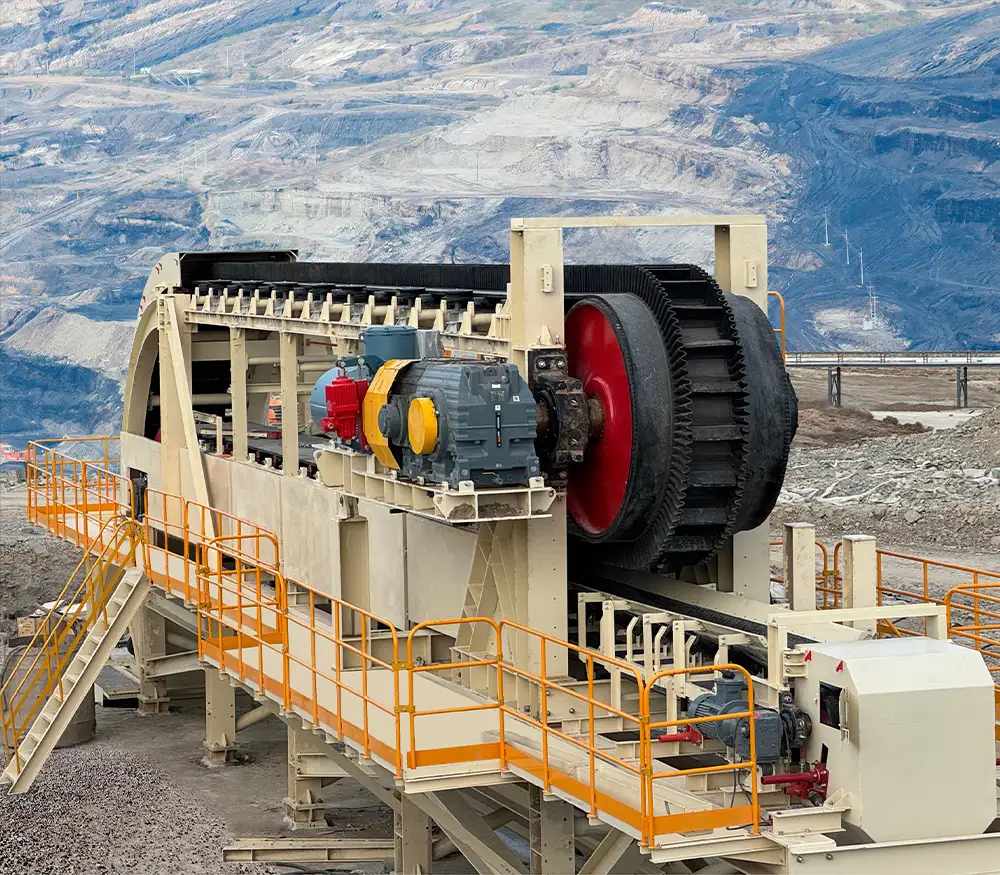
Suited for most bulk material belt conveyor transfer points.

Types of Bulk Materials It Handles

Works reliably with coal, ore, sand, gravel and other abrasive bulk materials.

Common Industries & Conveyor Sites

  • Coal mines and mineral processing conveyor lines
  • Cement plant transfer chutes
  • Aggregate crushing & screening conveying systems
  • Port bulk cargo handling equipment
  • Power plant raw coal feeding belts


Why Choose Our Y Skirt Rubber Over Standard Skirt Options

Lots of site operators pick our dual layer Y skirt rubber instead of cheap single lip alternatives. This two part build pairs the toughness of rubber base with high wear performance of polyurethane wear facing. You get fewer part replacements, less material waste and lower daily maintenance workload for conveyor transfer stations.


Practical Installation & Adjustment Advice

Things To Check Before You Start Mounting

Check your conveyor belt first. Heavy deformation or large surface damage on the belt will hurt sealing performance, no matter how good your skirt rubber is.

Hands On Tips For Fitting And Tuning

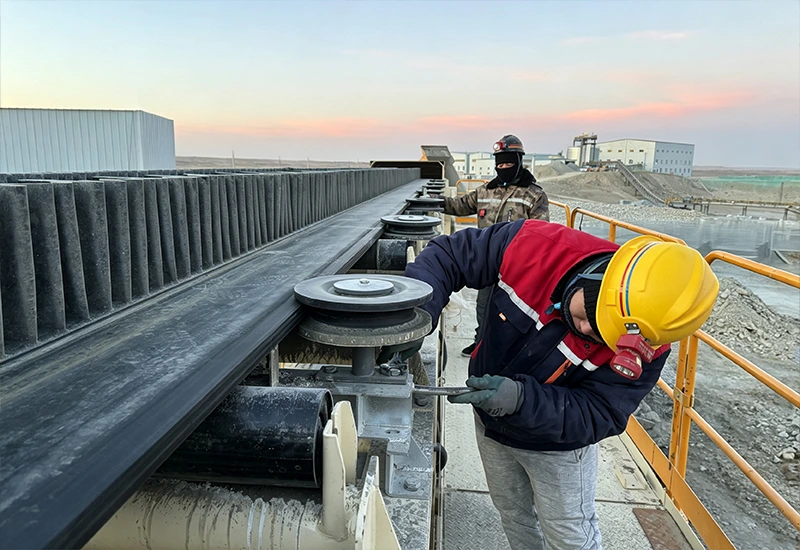
  1. Secure Y skirt rubber onto chute side mounting brackets. Do not crank bolts too tight. Excessive compression speeds up lip wear significantly.
  2. Tune outer lip position so it touches belt lightly. Light contact works best; heavy squeezing shortens service life.
  3. Carry out regular visual checks. Once sealing lip wears thin, adjust position or arrange replacement in good time.


Common Questions From Our Conveyor Clients

Q: Can I get Y skirt rubber made to my custom length?

A: Sure. Length is fully customisable. Just send over your real world chute dimension, our factory cuts to exact size for you.

Q: Will this skirt rubber leave scratches on my conveyor belt?

A: Contact surface uses high grade polyurethane with rounded lip profile. It will not damage belt cover under proper installation. Over tight bolt pressure is the top cause of belt wear. Please follow our fitting guidance.

Q: What real world service life can I expect?

A: Service life varies a lot. It depends on conveyed material abrasiveness, belt speed and how you set compression. Under normal working conditions with correct fitting, many sites run it for multiple months before replacement. Heavy abrasion applications will shorten service cycles.

Q: Minor dust still escapes after installation, what should I do?

A: Check two points first. Confirm sealing lip keeps steady contact along full chute length, and bolts are not too loose. Fine tune the adjustable outer lip to get better sealing tightness.

Q: Can I swap old single lip skirt rubber directly for Y skirt rubber?

A: It works for most existing chutes. Just double check mounting space and bracket dimensions. Snap a few photos of your site setup and send them across, our team can give quick fit feedback.


Products
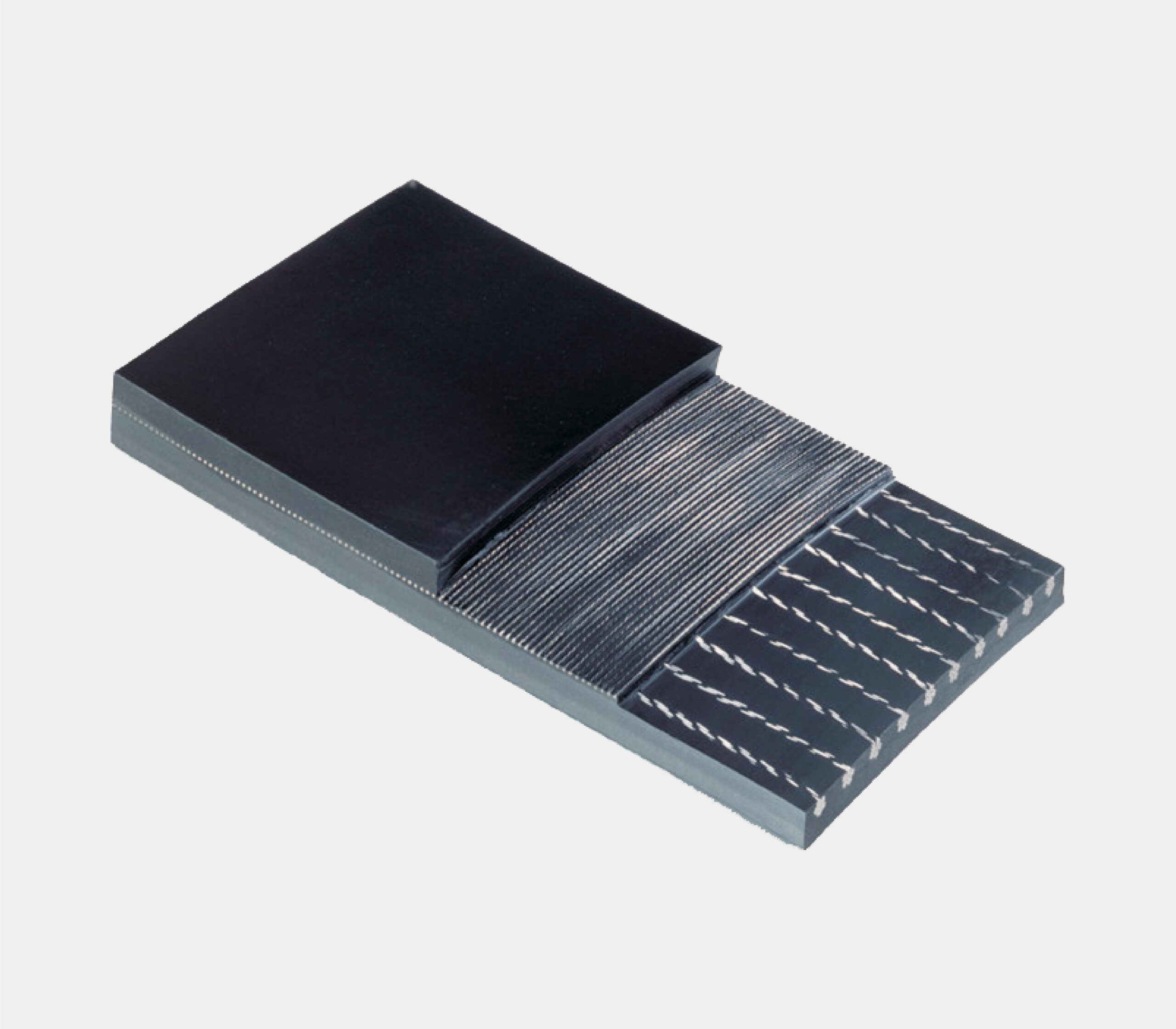
Steel Cord Base Belt

Base belt

Unlike standard belts, our base belts feature enhanced transverse stiffness to prevent deformation at deflection points, while maintaining longitudinal flexibility for smooth operation around pulleys. Manufactured strictly in accordance with international standards (DIN/ISO/EN), our base belts ensure long-term stability and reliable performance across demanding bulk handling applications.
Sidewall

Sidewall

This reinforced sidewall features premium rubber compound and integrated fabric reinforced structure to boost flexing fatigue resistance and prevent corrugation cracks. Validated by dynamic fatigue tests, it offers diverse rubber properties and multiple standard/custom sizes, delivering reliable long term performance under complex working conditions.
Ceramic Pulley Lagging

Pulley Lagging

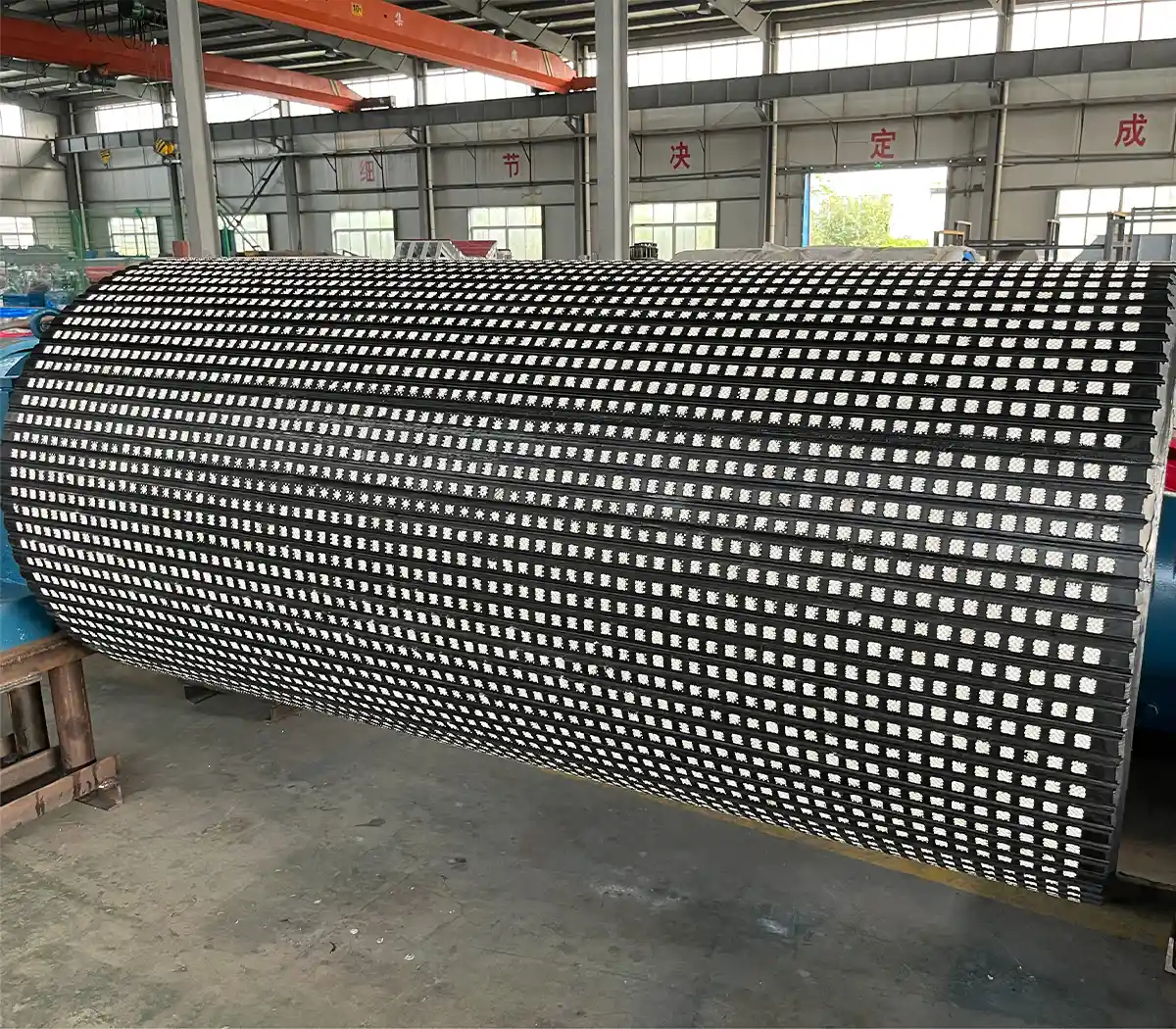
High-performance ceramic pulley lagging addresses belt slip, fast wear, material buildup and short pulley life. This cold-bond type allows on-site installation without factory hot vulcanization. Combining 92% alumina ceramic tiles and rubber backing, it offers superior friction even under wet, muddy conditions for mining, quarry and port bulk-handling applications.
Rubber Wear Lining 05

Rubber Wear Lining

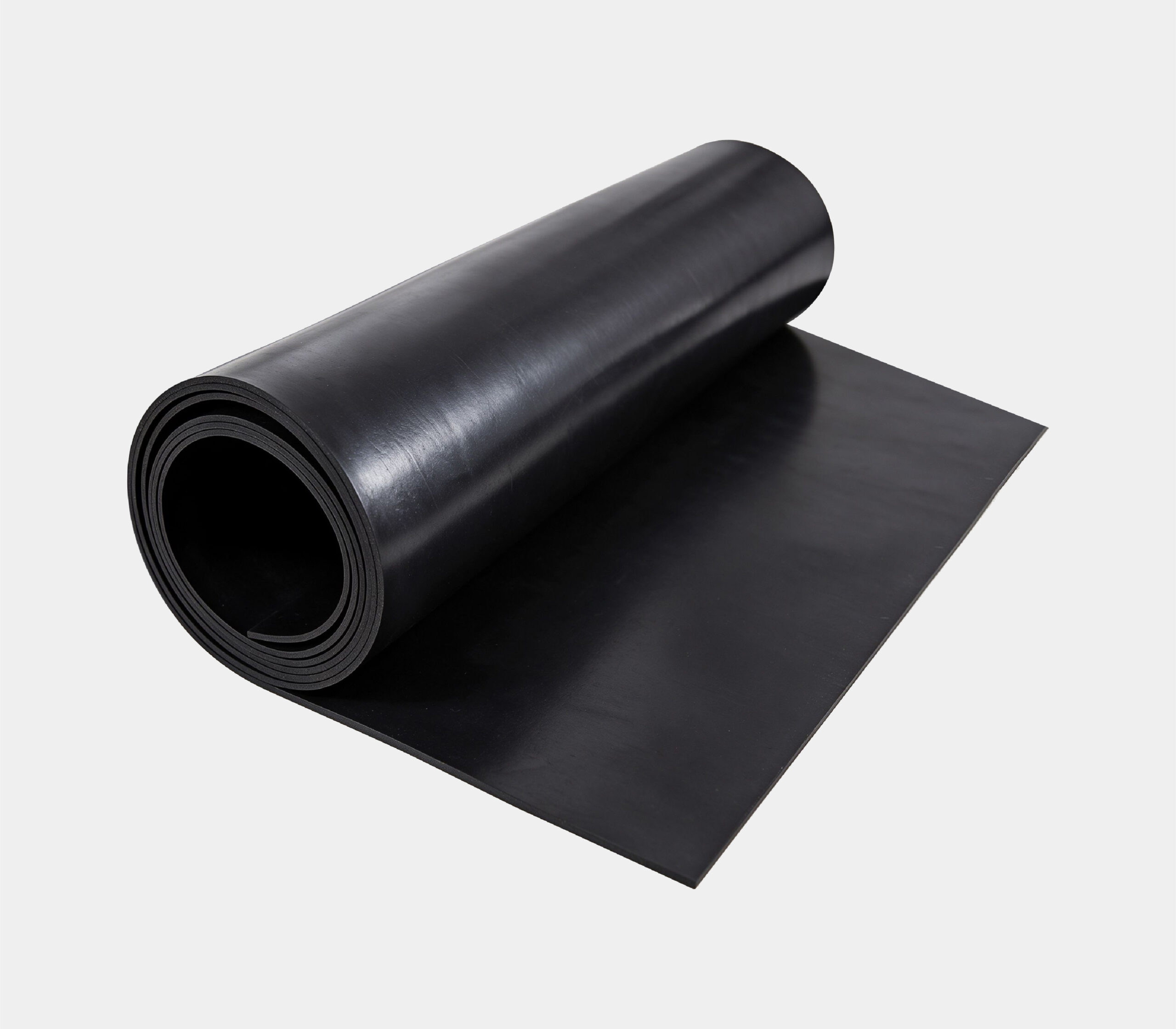
Our rubber wear lining is a high-toughness protective rubber layer engineered for industrial equipment interiors. Featuring outstanding abrasion, impact and corrosion resistance, it effectively safeguards mills, chutes and hoppers from long-term material scouring. Lightweight, durable and fully customizable, it cuts maintenance costs and reduces noise, ideal for mining, cement and chemical industrial applications.
Sidewall Conveyor Belt

Sidewall Conveyor Belt

QBF rubber specializes in designing and manufacturing high-quality steep incline conveyor belts for bulk material lifting across industries such as harbors, metallurgy, tunneling, power plants, chemicals, cement, and metro. As the only Chinese manufacturer using full European molds and standards, QBF rubber provides complete solutions covering belt selection, production, installation, commissioning, and trouble shooting.
EPDM High Temperature Sidewall Conveyor Belt

EPDM High Temperature Sidewall Conveyor Belt

Custom EPDM high temperature sidewall conveyor belt resists 300℃ instant thermal shock. Ideal for cement, metallurgy, power plant hot bulk material conveying.

Recent news

How Does a Sidewall Conveyor Belt Work

How Does a Sidewall Conveyor Belt Work?

Nov 19, 2026
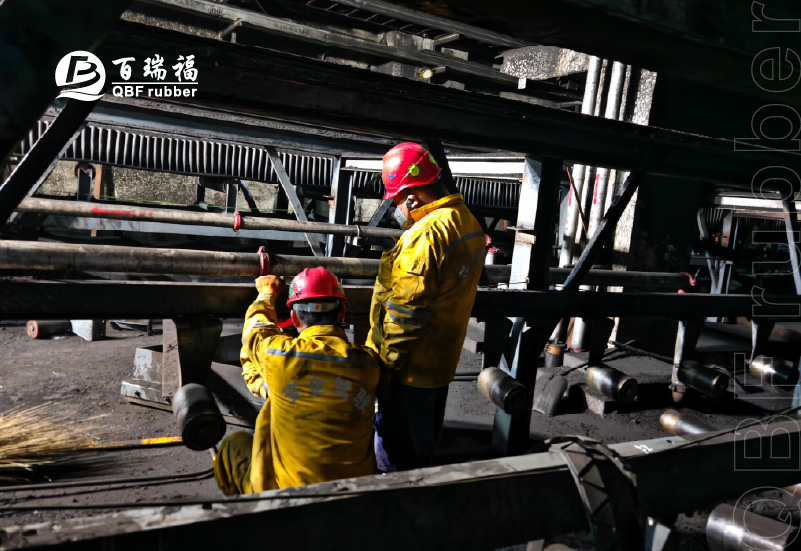
See how a sidewall conveyor belt moves bulk material from loading to steep lifting and discharge, and learn how corrugated sidewalls and cleats work.
READ MORE
Chemical Sidewall Conveyor Belt

Sidewall Conveyor Belt Retrofit Enters Installation at Coal Chemical Plant

Nov 20, 2026
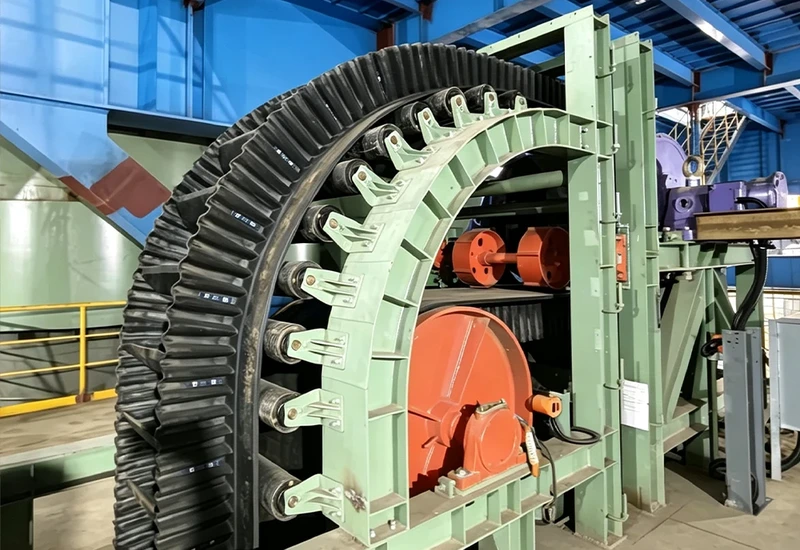
QBF rubber is on site at a coal chemical plant, installing a corrugated sidewall conveyor belt as part of a retrofit. The belt it replaces had worn unevenly and run off-centre for most of its service life. The new specification was not picked from a catalogue. It came out of a survey of the conveyor that carries it. Where the problem actually sat Before a belt was quoted, QBF rubber engineers walked the line end to end. They looked at the material and how it behaves in the trough, at the belt path and the transitions, at skirt clearance. Idlers and pulleys were checked too, along with the shape they were in. The picture that came back was consistent. The belt was worn, yes. It was also the wrong belt for the duty. A belt that does not match its line will run off-centre, and once it runs off-centre, wear concentrates in a few places and speeds up there. Correct the tracking alone and the wear comes back. The new specification: B1400 S300 TC280, flame-retardant K3 The replacement belt is specified as B1400 S300 TC280, flame-retardant K3. The figures were set during the survey, not taken off a stock list, and they match the duty this line actually runs. Width, wall height and base stiffness follow the material, the incline and the geometry of the conveyor. On this line they were set during the survey, then checked against the duty the belt actually runs.   Splices made on site, then commissioning The belt is joined on site by hot vulcanization, not with mechanical fasteners. The splice is pressed and cured under heat on the line itself. On a sidewall belt the wall and cleats are cured with the splice, so the wall runs continuous through the joint instead of breaking at every connection. Commissioning follows the splicing. Tracking is corrected, tension is set, and the belt is run before material goes on it. Belt changes are shutdown work at a coal chemical plant. What this project is after is a line that tracks straight, wears evenly, and a next change that can be scheduled rather than forced.
READ MORE
QBF corrugated sidewall conveyor belt with cross cleats passing around a curved conveyor section

What Is a Sidewall Conveyor Belt and When Should You Use One?

Nov 12, 2026

Learn how corrugated sidewall conveyor belts use raised edges and cleats to move bulk materials on steep inclines, and what buyers should check before specifying one.
READ MORE

See Latest Service

Hot‑vulcanized Splice

Our team provides professional 24/7 hot vulcanized splicing for sidewall, steel cord, fabric and pipe conveyor belts. Staffed with fully trained, experienced technicians and equipped with advanced mobile and stationary vulcanizing presses, we deliver seamless, long-lasting belt joints that optimize both technical performance and overall operational costs.
LEARN MORE

Selection Guide

QBF rubber provides professional customized sidewall belt selection services for all types of industrial inclined conveying scenarios. Supported by our independent self-developed selection system and senior German technical experts, we deliver accurate, application-oriented belt solutions tailored to actual site conditions, avoiding specification mismatches and unnecessary performance waste for optimal system operation.
LEARN MORE

Maintenance Service

We deliver reliable, plant-focused conveyor belt and system maintenance services designed to prevent unplanned downtime. Our certified on-site teams provide round-the-clock support for routine inspections, belt realignment, wear repairs, component replacements and system tuning. We help industrial facilities maintain stable throughput while lowering long-term operational and maintenance overhead.
LEARN MORE
contact us

Contact us

    Products
    Contacts
    WhatsApp
    Email