Fabric Conveyor Belt

Fabric Conveyor Belt

Multi ply fabric conveyor belt for long distance, high speed bulk material transport. Low elongation EP or high impact PP carcass. Resist abrasion, heat, oil, chemical corrosion. Meets global conveyor belt standards for mining, grain, chemical and building material industries.

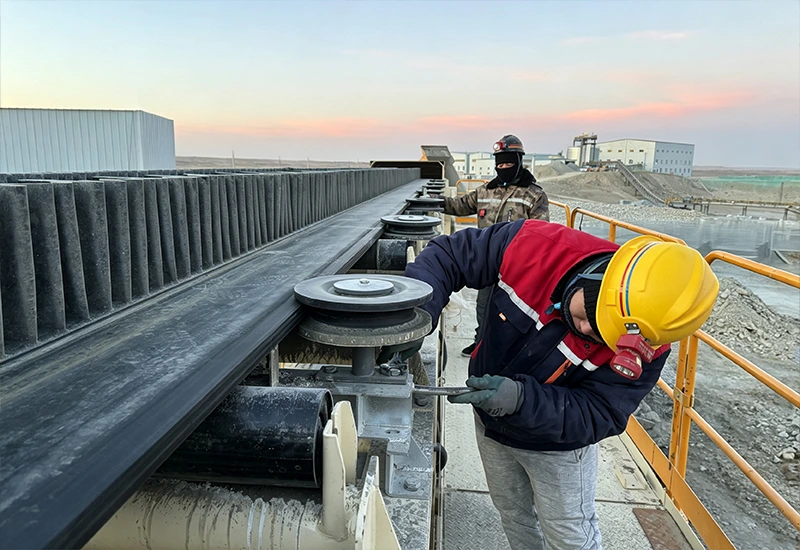
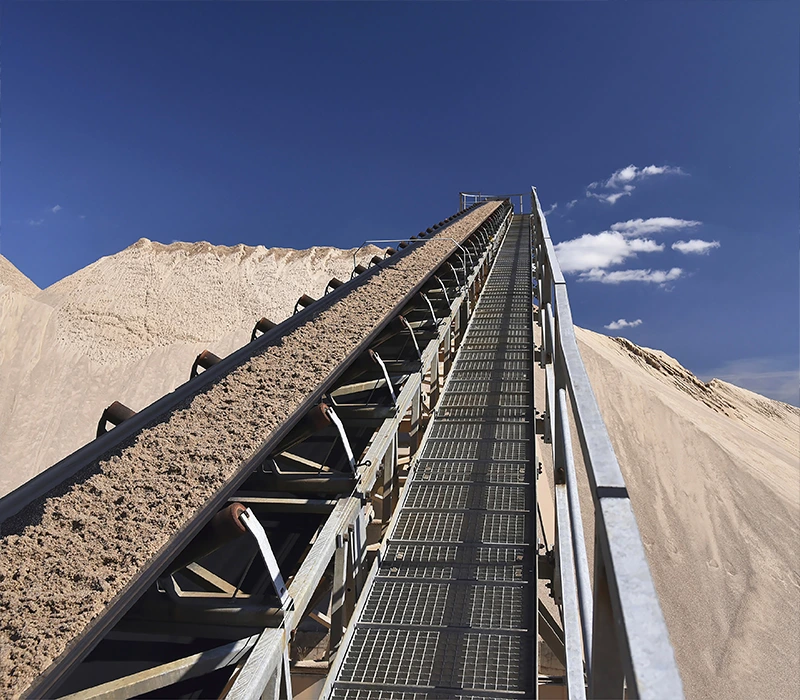
Fabric conveyor belts are the practical workhorse for bulk material handling. You will find them widely used in mining, mineral processing, quarry work, construction sites and farm based agriculture.

Site crews rely on these textile reinforced belts to move all sorts of bulk goods: aggregates, sand, cement clinker, mined ore, industrial chemicals, coke, grain and building materials. They handle fine powdery feeds just as well as sharp, heavy lumps. Pick the right spec, and your material transfer runs steadily through every production shift.

Our Multitrans line uses multi ply textile carcass as its core. Belt bodies consist of 2 6 fabric layers, either EP or PP grade.

  • EP fabric: polyester warp threads paired with polyamide weft
  • PP fabric: polyamide for both warp and weft


You get two edge options to match real world site conditions: cut edge or moulded edge.

We supply Multitrans across many standard strength grades. It delivers strong break strength in both longitudinal and transverse directions. Good cross way flexibility helps the belt sit properly on trough idlers. Solid bonding between fabric plies stops layer separation under continuous running loads.

One practical advantage with Multitrans is the flexibility in rubber cover selection. Mix and match rubber compounds to suit your actual working environment. These belts process fine dust, large sharp lumps, dry stock or sticky oily feeds. They hold up under freezing cold and high heat operating conditions.

This product line complies with most key local and international conveyor belt specifications. That makes procurement simpler for overseas project roll outs.


Key Features

  • Consistent elasticity, high tensile strength and good impact resistance against falling lumpy material
  • Reliable flex performance, works smoothly with standard roller trough sets
  • Low operational elongation, so you spend less time adjusting take up units
  • Well suited for medium long haul routes, heavy payloads and high speed operation
  • Custom rubber covers deliver protection against oil, acid, alkali, abrasion, heat and flame risk


Belt Construction

Fabric conveyor belts are built from impregnated NN / EP / EE fabric plies. Different rubber cover sheets bond onto the textile core via calendering, laminating and hot vulcanization. Fabric layers take most of the pulling tension. Rubber outer layers shield inner textiles from wear, chemical corrosion and heat damage.


EP Fabric Belts (Polyester warp / Polyamide weft)

  • Minimal stretch under working tension
  • Needs shorter take up travel for your conveyor frame
  • Stands up to mildew, moisture and rotting even in damp work zones
  • Flexible structure maintains stable trough shape

PP Fabric Belts (Polyamide warp / Polyamide weft)

  • Great elasticity to soak up heavy impact force
  • Perfect for sites where large chunks drop from considerable height
  • Fully resistant to mildew, moisture and fabric rot
  • Flexible carcass keeps steady trough performance


Rubber Cover Compounds

Select rubber grades based on your conveyed material and site environment:

  • Oil resistant
  • High Abrasion resistant
  • Acid & Alkali resistant
  • Cold resistant
  • Heat resistant
  • Normal Abrasion resistant
  • Flame retardant


Belt Types & Practical Applications

Belt Type Features & Real world Uses
Conventional Power stations, grain transport, general block form bulk goods
Oil/Fat resistant For processing oily and greasy raw feedstock
Acid/Alkali resistant Handles materials within pH 4 10, fit for chemical processing plants
Heat resistant T1 ≤100℃, T2 ≤125℃, T3 ≤150℃, T4 ≤175℃
High temperature resistant Continuous service up to 200℃, ideal for hot clinker and calcined products
Flame resistant Self extinguishing; flame stops spreading once ignition source is gone
Low temperature resistant Stable performance down to 40℃ for open air sites in cold regions
Abrasion resistant Absorbs shock from angular, sharp edged bulk materials


FAQ

Q: Should I go with an EP or PP fabric conveyor belt?

A: Choose EP if you want little stretch and have limited take up space. It fits most long distance fixed conveyor lines. Pick PP when your facility regularly sees heavy impact from big falling lumps. PP absorbs shock far better for these tough scenarios.

Q: Will fabric belts hold up outdoors through wet, rainy weather?

A: Yes. Both EP and PP carcasses resist mildew, moisture and rot. That said, if you move acid, alkali or oily goods, you must pick the matching rubber cover to prevent surface damage.

Q: What does troughability mean for conveyor operation?

A: Troughability describes how well a belt curves into a trough shape when resting on idler rollers. Good troughing keeps bulk material contained on the belt. It cuts spillage and reduces material loss down the conveyor run. Multi ply textile carcasses deliver this key performance.

Q: Can Multitrans belts satisfy global industry standards?

A: Our Multitrans range meets most widely accepted national and international conveyor belt requirements. Tell us which standard your project needs, and we can provide relevant test documentation for your project review.


Why Buy Our Fabric Conveyor Belt

We build Multitrans fabric conveyor belts for real world industrial wear, not just lab test outcomes. We adjust carcass layouts, rubber cover compounds and edge finishes to fit customer requirements. These belts serve mines, quarries, grain processing facilities, chemical plants and building material factories.

We often fine tune belt specs referencing customer site photos and material feedback. Whether you need standard duty units or special purpose variants including oil proof, heat resistant or flame retardant fabric conveyor belts, we can work out suitable options for your operation.

  • Questionnaire List of EP·ST Conveyor Belt Download

Products
Steel Cord Base Belt

Base belt

Unlike standard belts, our base belts feature enhanced transverse stiffness to prevent deformation at deflection points, while maintaining longitudinal flexibility for smooth operation around pulleys. Manufactured strictly in accordance with international standards (DIN/ISO/EN), our base belts ensure long-term stability and reliable performance across demanding bulk handling applications.
Sidewall

Sidewall

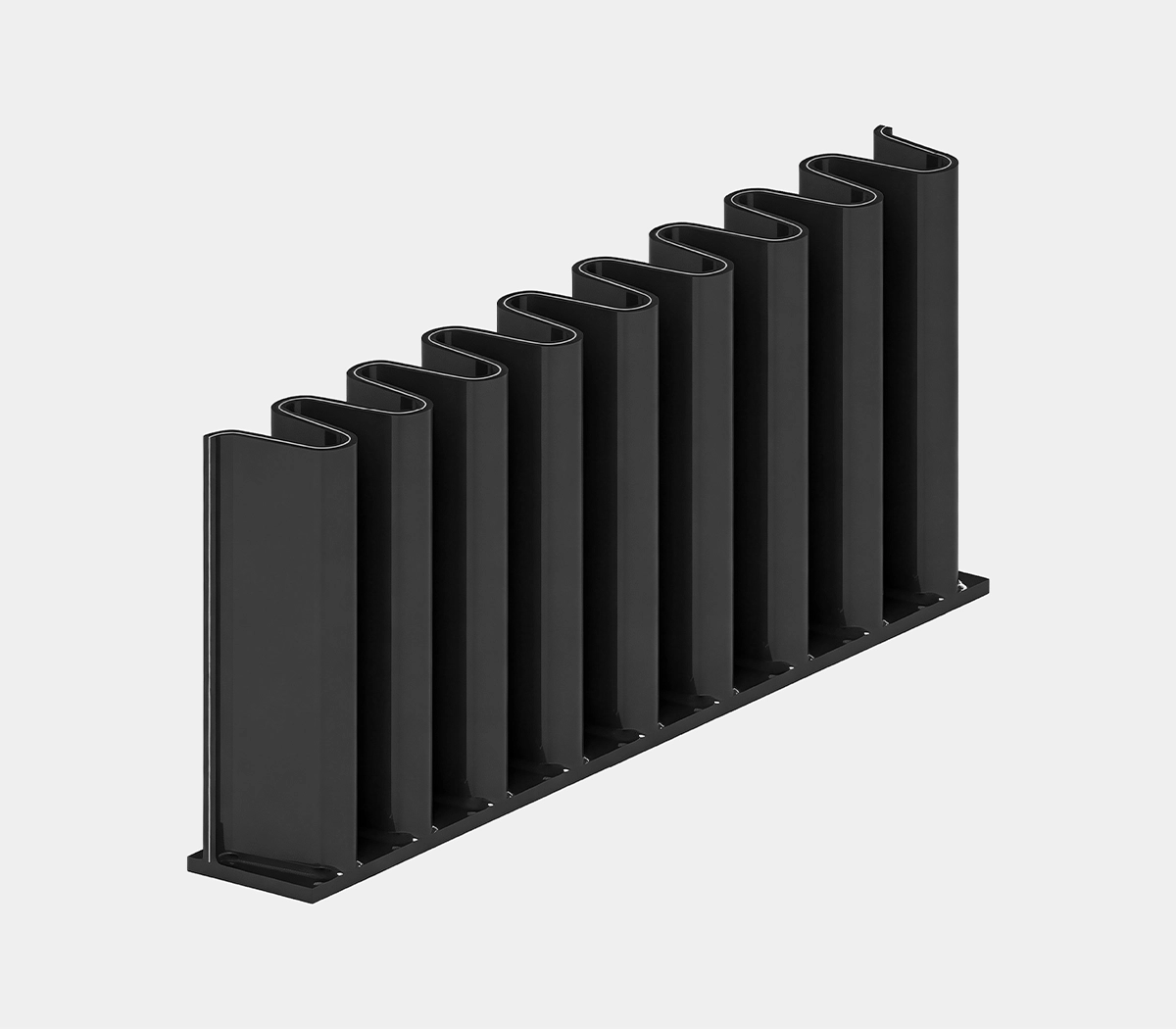
This reinforced sidewall features premium rubber compound and integrated fabric reinforced structure to boost flexing fatigue resistance and prevent corrugation cracks. Validated by dynamic fatigue tests, it offers diverse rubber properties and multiple standard/custom sizes, delivering reliable long term performance under complex working conditions.
Ceramic Pulley Lagging

Pulley Lagging

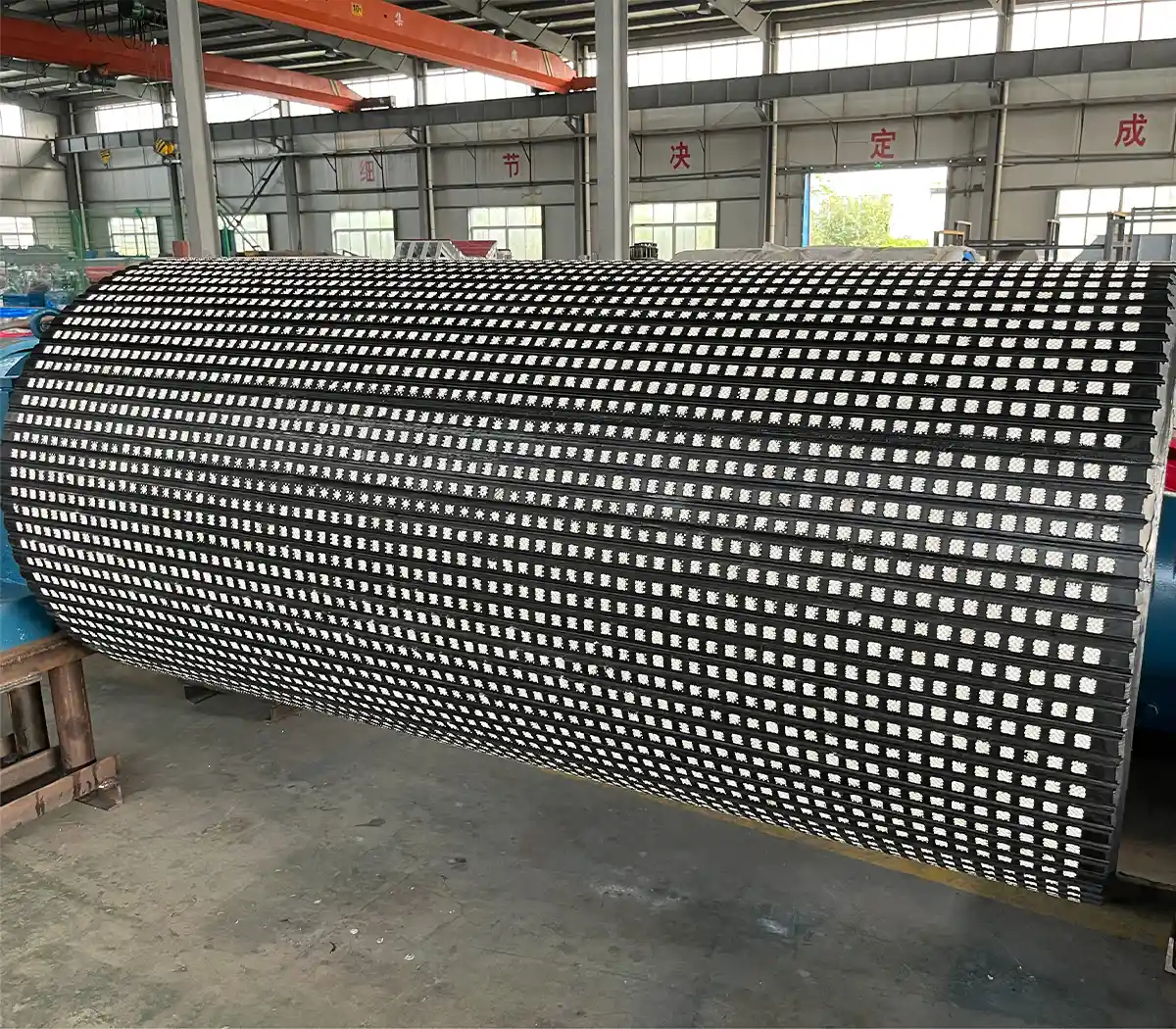
High-performance ceramic pulley lagging addresses belt slip, fast wear, material buildup and short pulley life. This cold-bond type allows on-site installation without factory hot vulcanization. Combining 92% alumina ceramic tiles and rubber backing, it offers superior friction even under wet, muddy conditions for mining, quarry and port bulk-handling applications.
Rubber Wear Lining 05

Rubber Wear Lining

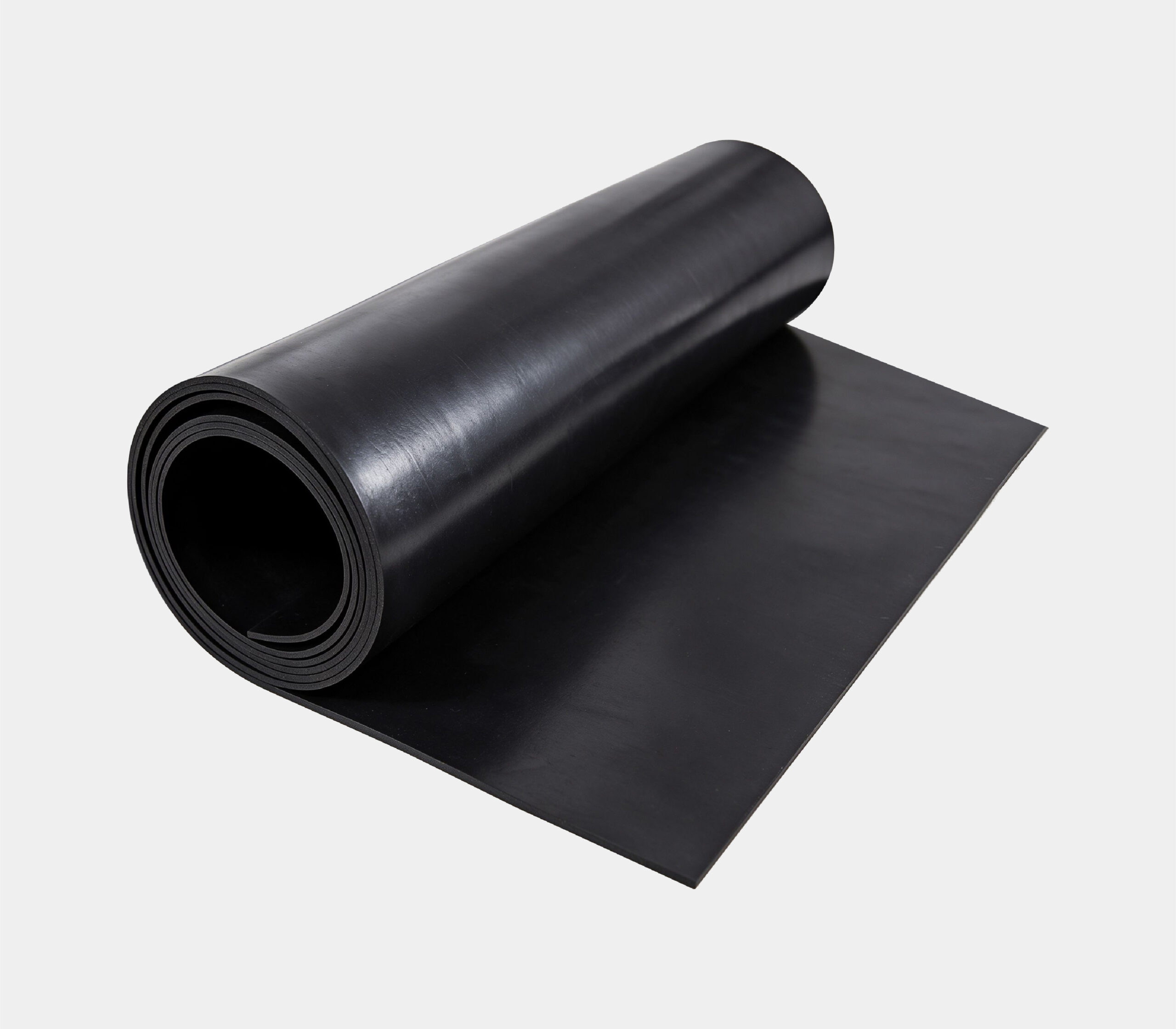
Our rubber wear lining is a high-toughness protective rubber layer engineered for industrial equipment interiors. Featuring outstanding abrasion, impact and corrosion resistance, it effectively safeguards mills, chutes and hoppers from long-term material scouring. Lightweight, durable and fully customizable, it cuts maintenance costs and reduces noise, ideal for mining, cement and chemical industrial applications.
Sidewall Conveyor Belt

Sidewall Conveyor Belt

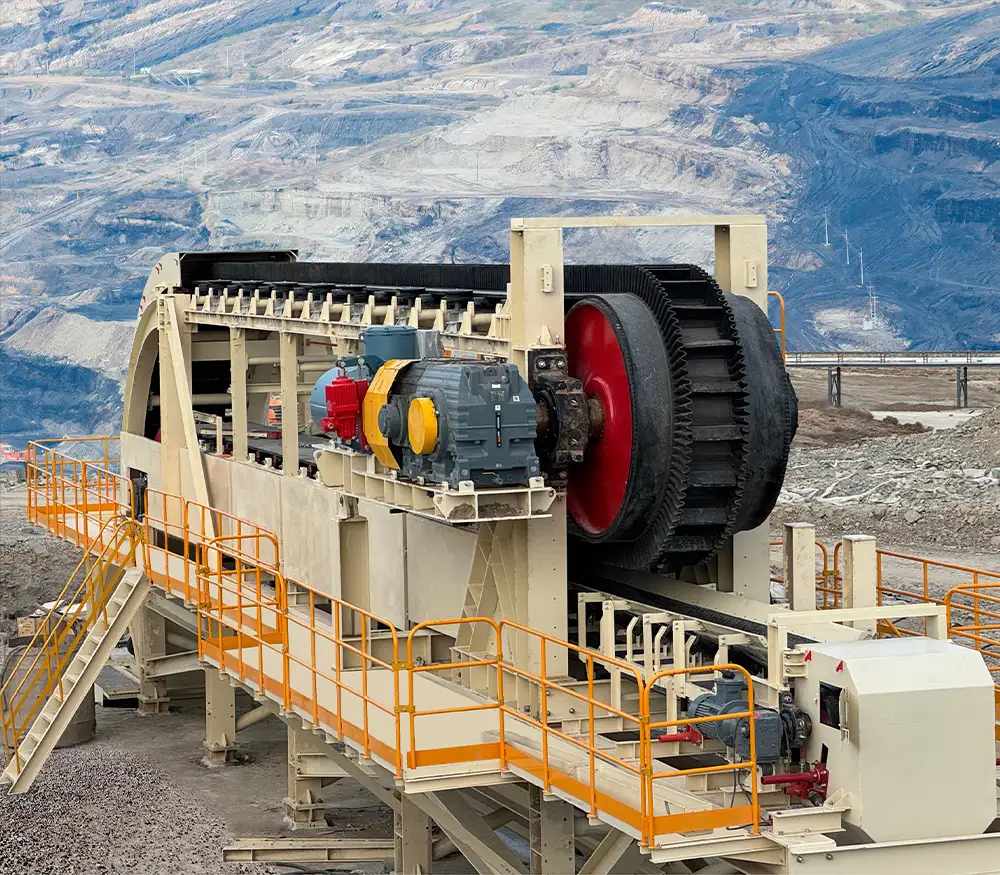
QBF rubber specializes in designing and manufacturing high-quality steep incline conveyor belts for bulk material lifting across industries such as harbors, metallurgy, tunneling, power plants, chemicals, cement, and metro. As the only Chinese manufacturer using full European molds and standards, QBF rubber provides complete solutions covering belt selection, production, installation, commissioning, and trouble shooting.
EPDM High Temperature Sidewall Conveyor Belt

EPDM High Temperature Sidewall Conveyor Belt

Custom EPDM high temperature sidewall conveyor belt resists 300℃ instant thermal shock. Ideal for cement, metallurgy, power plant hot bulk material conveying.

Recent news

How Does a Sidewall Conveyor Belt Work

How Does a Sidewall Conveyor Belt Work?

Nov 19, 2026
See how a sidewall conveyor belt moves bulk material from loading to steep lifting and discharge, and learn how corrugated sidewalls and cleats work.
READ MORE
Chemical Sidewall Conveyor Belt

Sidewall Conveyor Belt Retrofit Enters Installation at Coal Chemical Plant

Nov 20, 2026
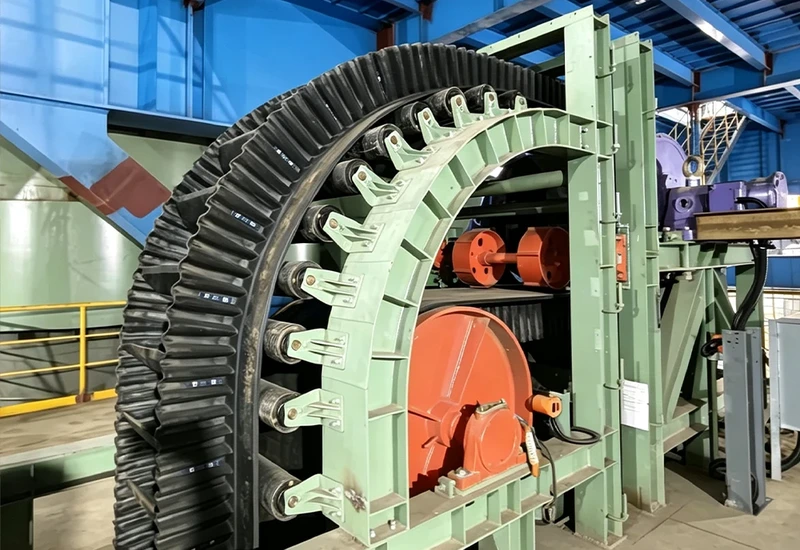
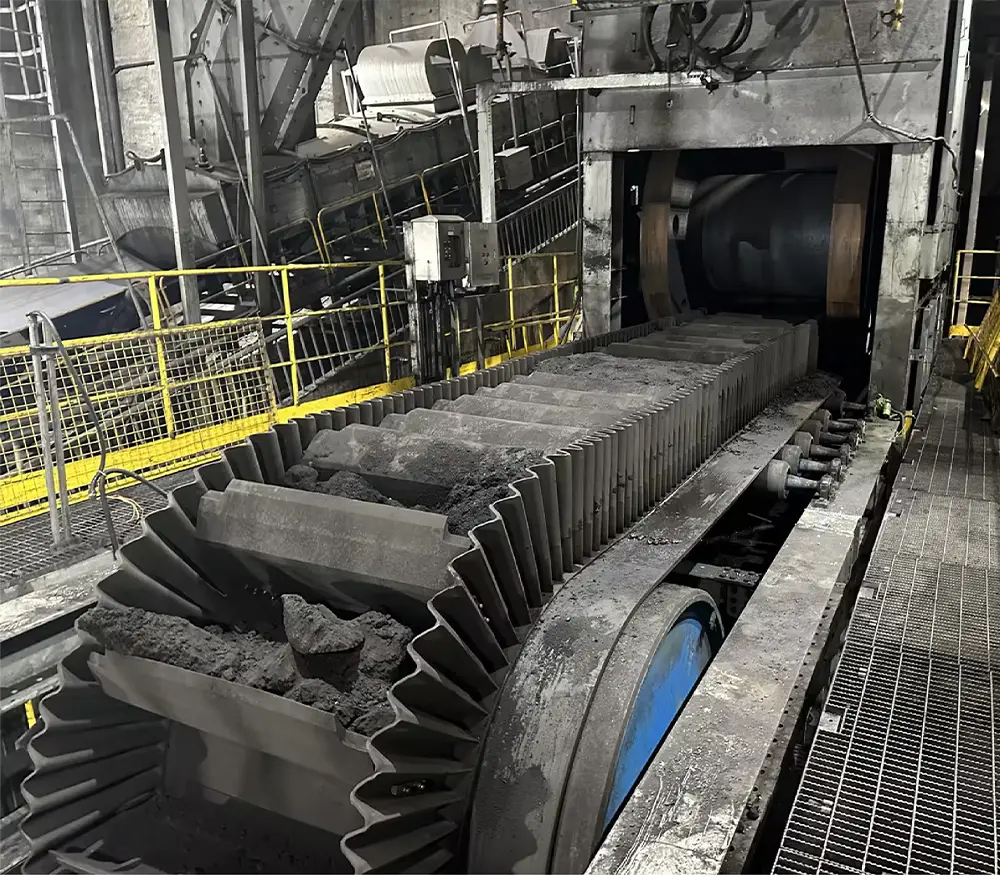
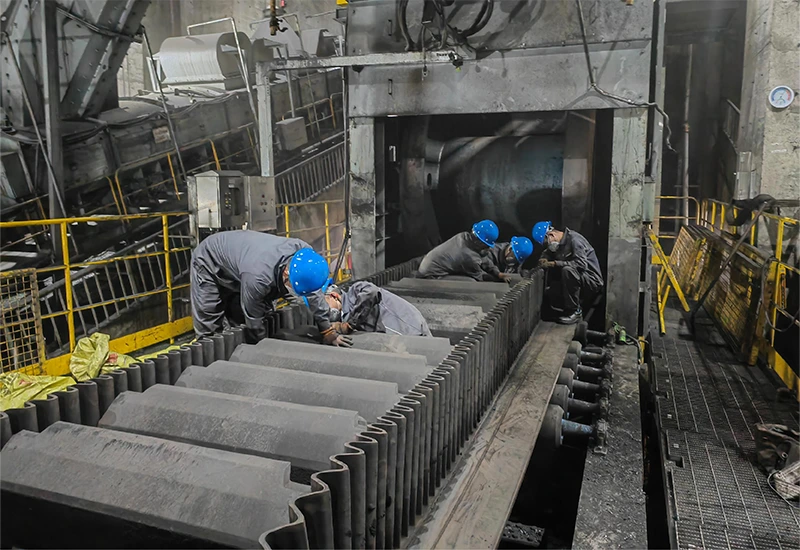
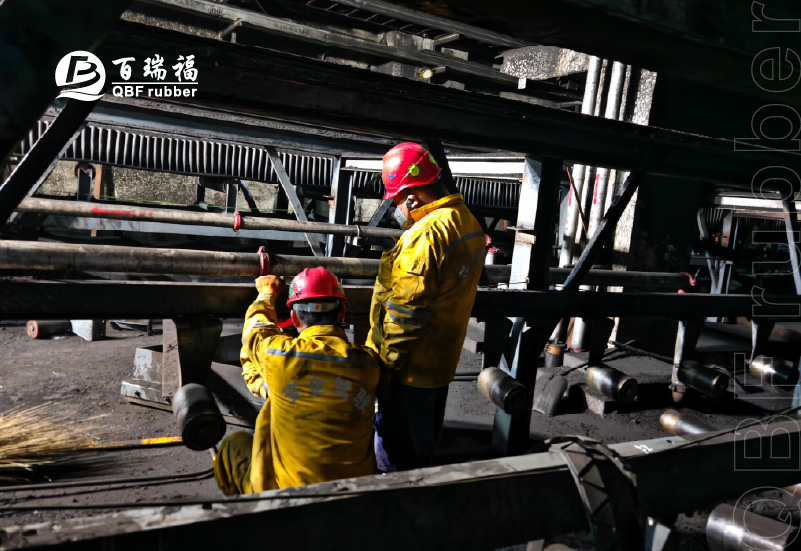
QBF rubber is on site at a coal chemical plant, installing a corrugated sidewall conveyor belt as part of a retrofit. The belt it replaces had worn unevenly and run off-centre for most of its service life. The new specification was not picked from a catalogue. It came out of a survey of the conveyor that carries it. Where the problem actually sat Before a belt was quoted, QBF rubber engineers walked the line end to end. They looked at the material and how it behaves in the trough, at the belt path and the transitions, at skirt clearance. Idlers and pulleys were checked too, along with the shape they were in. The picture that came back was consistent. The belt was worn, yes. It was also the wrong belt for the duty. A belt that does not match its line will run off-centre, and once it runs off-centre, wear concentrates in a few places and speeds up there. Correct the tracking alone and the wear comes back. The new specification: B1400 S300 TC280, flame-retardant K3 The replacement belt is specified as B1400 S300 TC280, flame-retardant K3. The figures were set during the survey, not taken off a stock list, and they match the duty this line actually runs. Width, wall height and base stiffness follow the material, the incline and the geometry of the conveyor. On this line they were set during the survey, then checked against the duty the belt actually runs.   Splices made on site, then commissioning The belt is joined on site by hot vulcanization, not with mechanical fasteners. The splice is pressed and cured under heat on the line itself. On a sidewall belt the wall and cleats are cured with the splice, so the wall runs continuous through the joint instead of breaking at every connection. Commissioning follows the splicing. Tracking is corrected, tension is set, and the belt is run before material goes on it. Belt changes are shutdown work at a coal chemical plant. What this project is after is a line that tracks straight, wears evenly, and a next change that can be scheduled rather than forced.
READ MORE
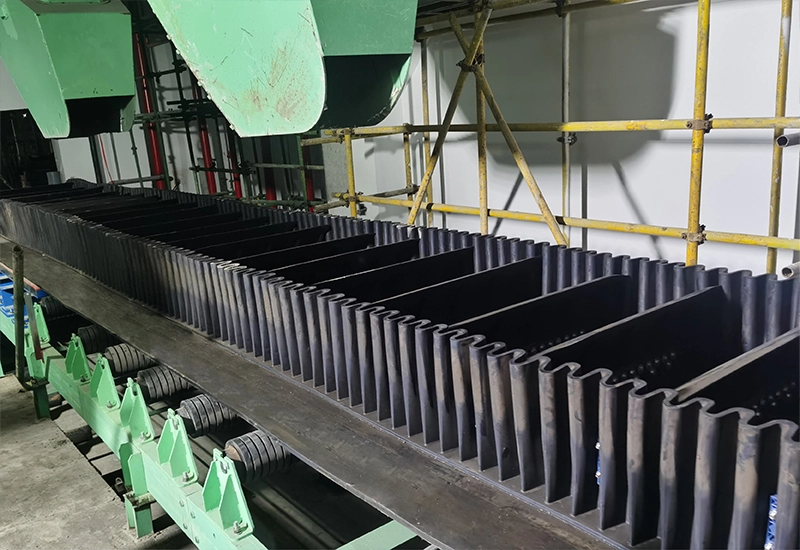
QBF corrugated sidewall conveyor belt with cross cleats passing around a curved conveyor section

What Is a Sidewall Conveyor Belt and When Should You Use One?

Nov 12, 2026

Learn how corrugated sidewall conveyor belts use raised edges and cleats to move bulk materials on steep inclines, and what buyers should check before specifying one.
READ MORE

See Latest Service

Hot‑vulcanized Splice

Our team provides professional 24/7 hot vulcanized splicing for sidewall, steel cord, fabric and pipe conveyor belts. Staffed with fully trained, experienced technicians and equipped with advanced mobile and stationary vulcanizing presses, we deliver seamless, long-lasting belt joints that optimize both technical performance and overall operational costs.
LEARN MORE

Selection Guide

QBF rubber provides professional customized sidewall belt selection services for all types of industrial inclined conveying scenarios. Supported by our independent self-developed selection system and senior German technical experts, we deliver accurate, application-oriented belt solutions tailored to actual site conditions, avoiding specification mismatches and unnecessary performance waste for optimal system operation.
LEARN MORE

Maintenance Service

We deliver reliable, plant-focused conveyor belt and system maintenance services designed to prevent unplanned downtime. Our certified on-site teams provide round-the-clock support for routine inspections, belt realignment, wear repairs, component replacements and system tuning. We help industrial facilities maintain stable throughput while lowering long-term operational and maintenance overhead.
LEARN MORE
contact us

Contact us

    Products
    Contacts
    WhatsApp
    Email