Deflection Wheel
Deflection Wheel

Deflection Wheel

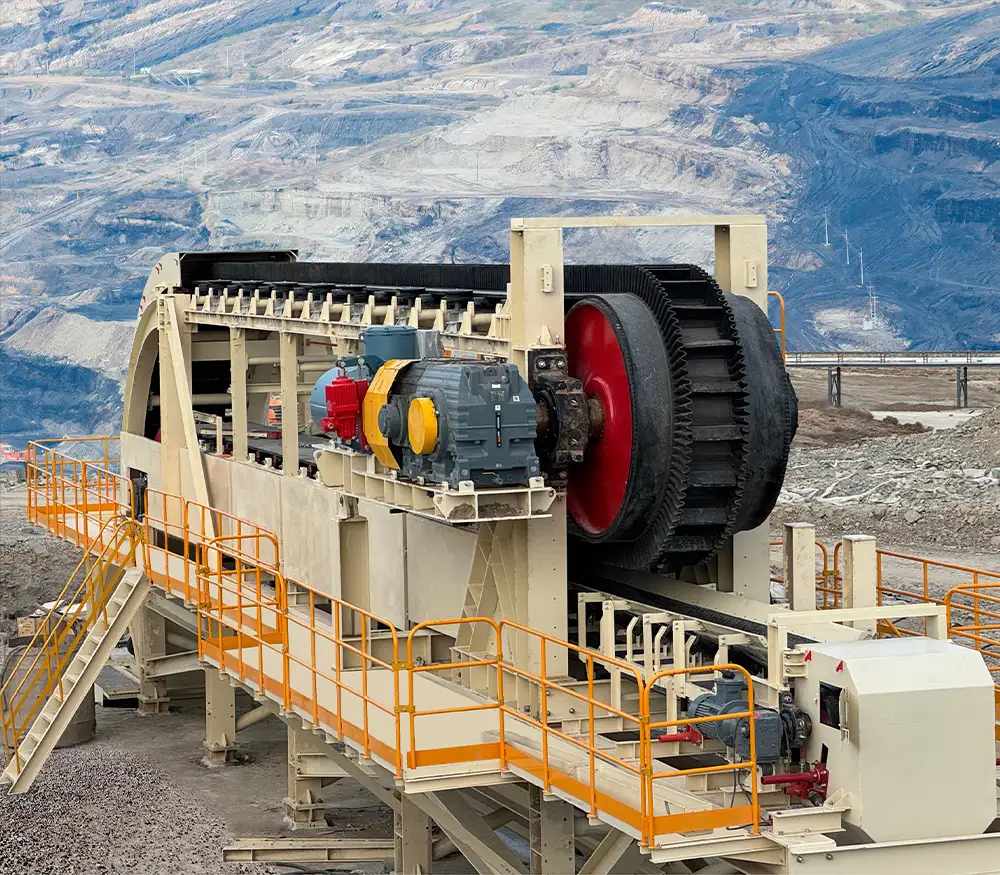
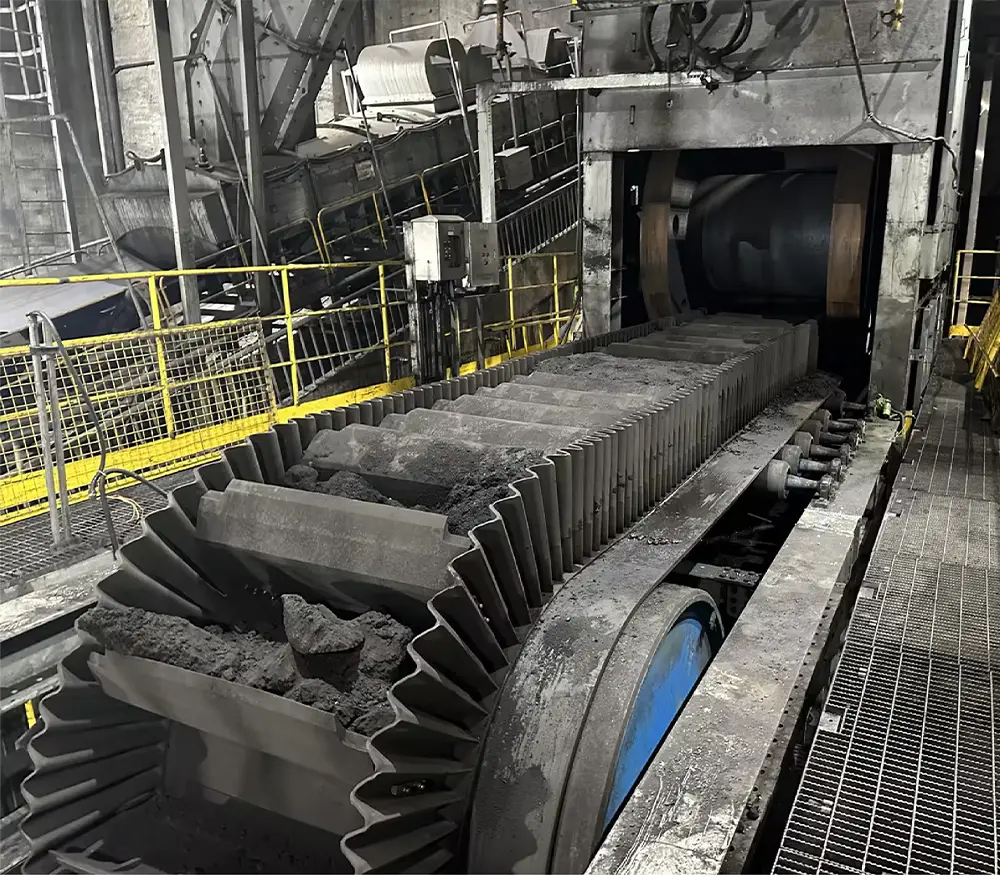
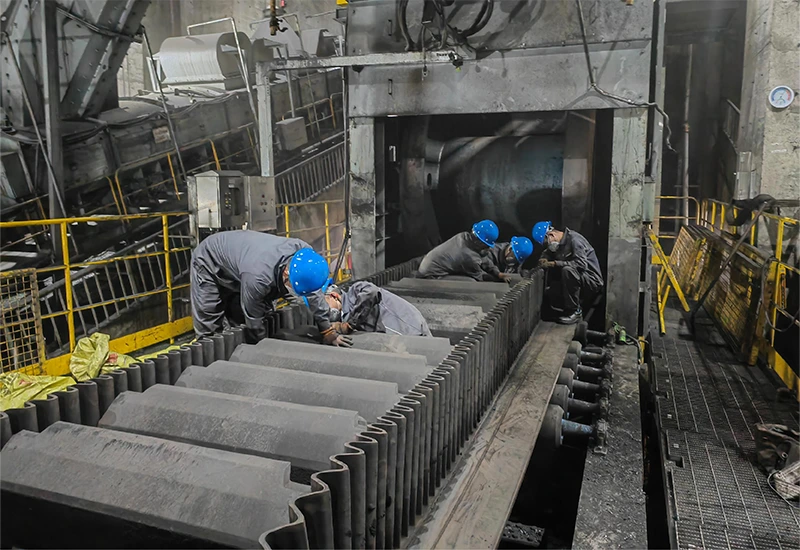
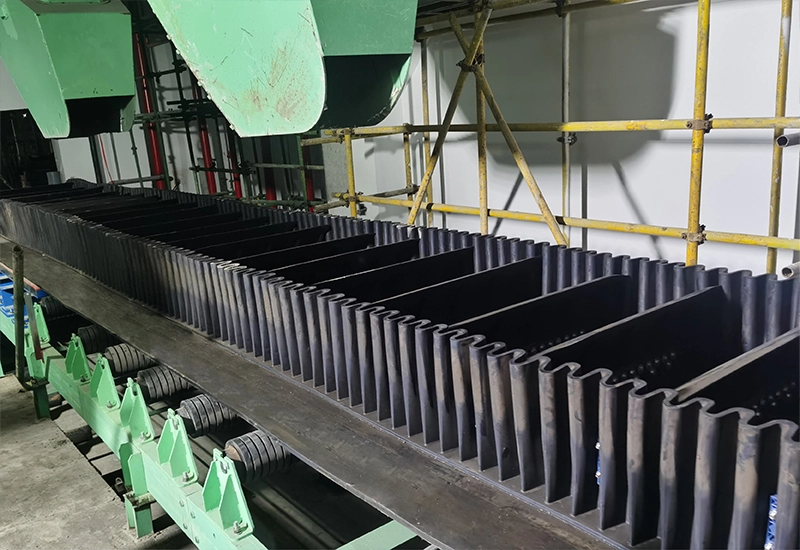
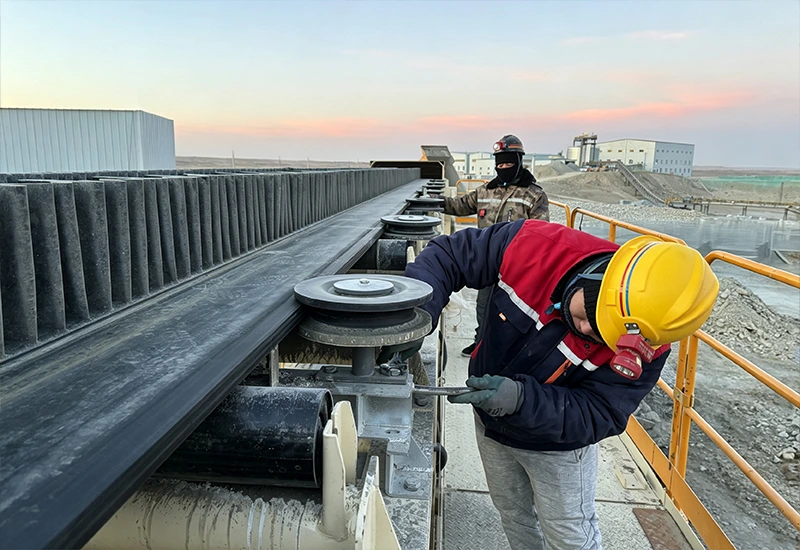
Also known as hold down or pressure pulley, the deflection wheel is a key component for large angle corrugated sidewall belt conveyors. Installed in convex arc transition zones, it suppresses belt floating and drifting by pressing the base belt’s empty edges. It enables smooth direction transition, reduces drag, tear and wear risks, and allows sidewalls and cleats to pass without pinching or scraping.

Product Overview

The deflection wheel, also referred to as hold down wheel or pressure pulley, is a critical spare part built for large angle corrugated sidewall belt conveyors. It sits within the conveyor’s convex arc transition zone.

When the conveyor shifts from horizontal run to steep inclined lifting, sidewall belts commonly float, drift, or lift off support rollers. This part addresses those field issues. It presses against the empty edge sections of the base belt to deliver smooth direction change, cutting operating drag and lowering risks of belt tearing and wear. Every unit is purpose built to fit corrugated sidewalls and cross cleats, ensuring these belt profiles pass through central clearance without pinching or scraping rubber surfaces.

Core Design Features

  • R radius transition on wheel rim Curved rim surface removes sharp welded edges. It converts damaging line cutting contact into gentle surface to surface contact. This simple design upgrade prevents longitudinal cracking on the base belt — one of the top failure points for sidewall belts in bulk material work.
  • Removed inner rigid wheel structure Matches the natural transverse rigidity of the base belt. Eliminates harsh rigid on rubber friction and extends usable belt life out in the field.
  • Application oriented custom fabrication Wheel diameter, face width and inner clearance width get sized to match real world conveyor parameters: belt width, trough angle, sidewall height and cleat dimensions. Each set fits the running belt exactly. No forced squeezing against sidewalls or cleats.

Practical tip: Do not reuse deflection wheels pulled from other conveyor models. Mismatched clearance will quickly chew through expensive sidewall rubber.


Main Functions

  • Hold down belt & stop belt floating: Acts directly on belt empty edges. Stops floating, slipping and roller lift off at convex arc sections.
  • Smooth redirection: Creates a gentle path shift for belt travel. Cuts excess running drag and stabilizes overall conveyor performance.
  • Belt protection against crack & wear: R corner geometry eliminates sharp cutting points. Reduces longitudinal splits on base belt, limits sidewall chipping and surface abrasion.
  • Bypass clearance for sidewall & cleats: Central gap lets corrugated sidewalls and cross cleats move through freely, no impact collisions.


Structure Composition

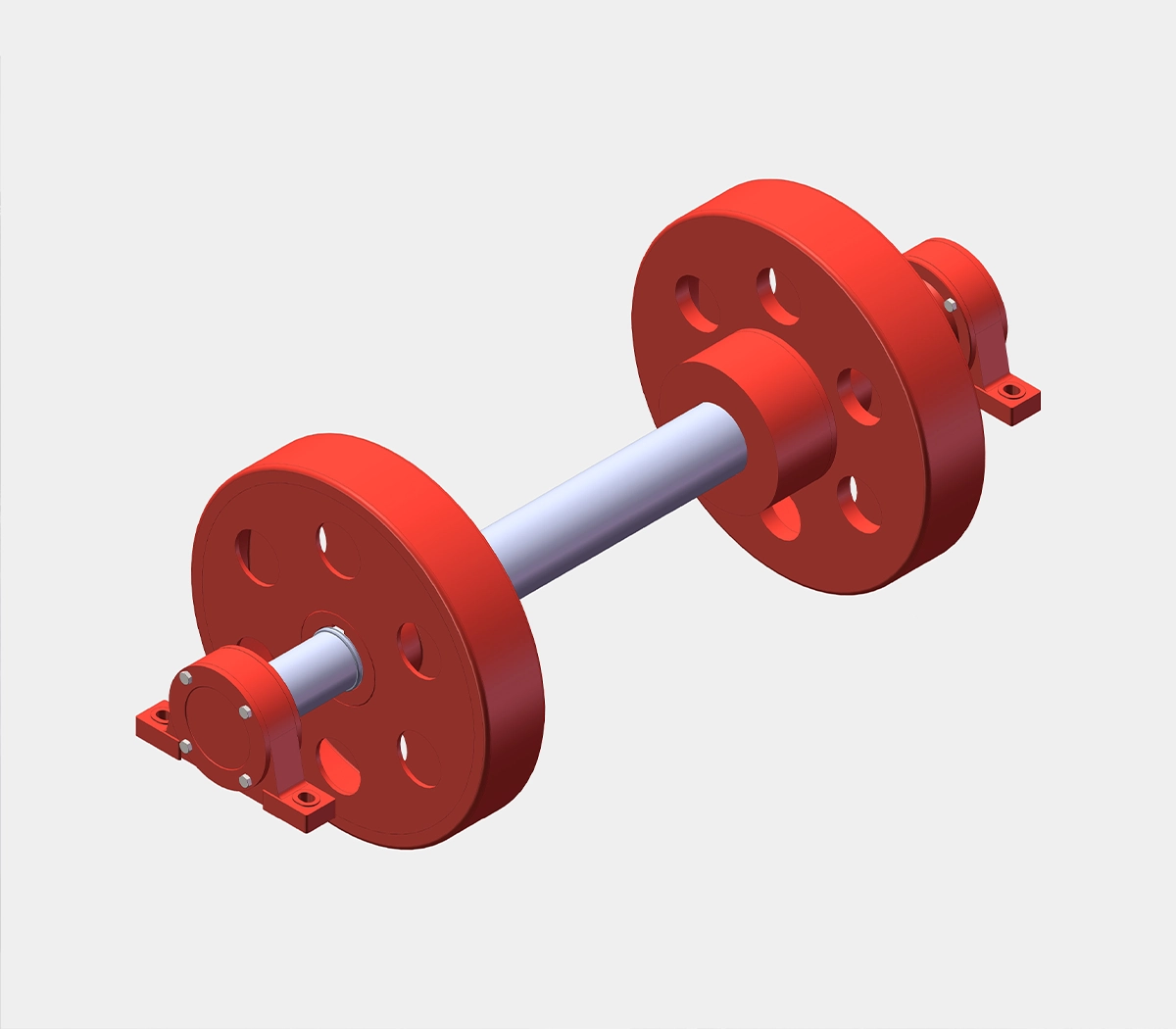
Press wheel assemblies come in several layouts: paired large small wheel sets, single wheel or dual wheel builds. Larger wheels handle belt pressing duties; inner small wheels provide lateral guidance.

Each press wheel uses standalone bearing units. Inner guide wheels in particular run on separate bearings for free independent rotation. This avoids forced friction caused by speed mismatch between wheel and rubber sidewall.

Wheels mount to main shaft, bearing housings and support brackets. Field technicians can fine tune positioning during installation. Wheel faces are supplied flat or angled with chamfer / R radius finishing, reducing wear on belt empty edge and corrugated sidewall.

Practical tip: Spin each wheel by hand after installation. Any stiff rotation means bearings need inspection before startup.


Common On site Problems & Practical Optimization Tips

Lots of premature belt damage traces back to poor deflection wheel selection or incorrect setup, not original belt quality.

Sidewall heavy wear & rubber deformation

Root cause: Insufficient clearance between wheel inner side and corrugated sidewall; sidewall stays under constant squeeze. Fix: Adjust clearance to near contact status with no hard squeezing. Leave room for sidewall movement under loaded operating conditions.

Sidewall cracking and chipping

Root cause: Large wheel and inner small guide wheel welded as a single assembly. Different linear speeds during operation scrape rubber sidewall continuously. Fix: Install split type wheel construction. Fit independent bearings so inner guide wheels rotate on their own.

Base belt longitudinal cracking along empty edge

Root cause: Sharp square rim edges creating line cutting friction against belt margins. Fix: Machine full R radius transitions on all wheel edges. Swap sharp edged bevel wheels for flat wheels with rounded corners.

Aggravated friction when belt drifts

Root cause: Poor alignment between wheel mounting position and existing belt tension. Fix: Tweak deflection wheel position alongside conveyor belt tension calibration. Minimize extra friction triggered by belt mis tracking.

Practical tip: Watch belt edges for fresh rubber dust. Heavy dust build up signals excessive contact pressure that needs immediate adjustment.


Application Scope

Deflection wheels operate on large angle corrugated sidewall belt conveyors across multiple bulk material industries: coal mining, chemical processing, metallurgy, building materials, grain handling and sludge treatment.

They suit steep incline or vertical lifting work for ore, coal, grain pellet, sludge, crushed stone and other granular or lumpy bulk goods.


Why Our Deflection Wheel Works For Your Conveyor

Every deflection wheel we supply gets dimensioned around your actual conveyor setup. We match belt width, trough angle, sidewall and cleat dimensions for each order. Full R radius rim transition is standard to help guard against costly base belt longitudinal cracking out on site. Split construction with independent guide wheel bearings removes forced scraping against rubber sidewalls. Heavy duty support structures keep steady operation and lower ongoing maintenance work. These units hold up well under punishing mining, metallurgy and other heavy bulk material operating environments.


FAQ

Q1: Where should deflection wheels be mounted on sidewall conveyor?

A: Install these wheels primarily on the convex arc transition segment where horizontal sections feed into steep inclined lifting zones. They are not meant for straight run conveyor sections. Wrong placement introduces unnecessary belt wear.

Q2: Shall deflection wheel tightly press against belt edge?

A: Tight hard pressing accelerates rubber fatigue. Target near touch contact without heavy compression. The wheel only activates as the belt starts floating upward.

Q3: Can one size fits all deflection wheel work for different sidewall belts?

A: We advise against generic off the shelf units. Wheel diameter and inner gap width must align with your belt width, sidewall height and cleat size. Poor fit will scratch sidewalls or remove anti float performance. Custom sizing delivers better long term results.

Q4: What are the early warning signs that deflection wheels need inspection or replacement?

A: Keep an eye on these field indicators: visible scratch marks on belt empty edge or sidewall; wheels that cannot spin freely by hand; abnormal bearing noise; frequent sidewall rubber chipping. Schedule checks within your standard maintenance cycle.

Q5: Can I keep using welded integrated large small wheel assembly?

A: Not recommended. Speed differences create persistent scraping damage on sidewall rubber. Split type assemblies with independent bearings extend service life for both deflection wheel and conveyor belt.


Products
Steel Cord Base Belt

Base belt

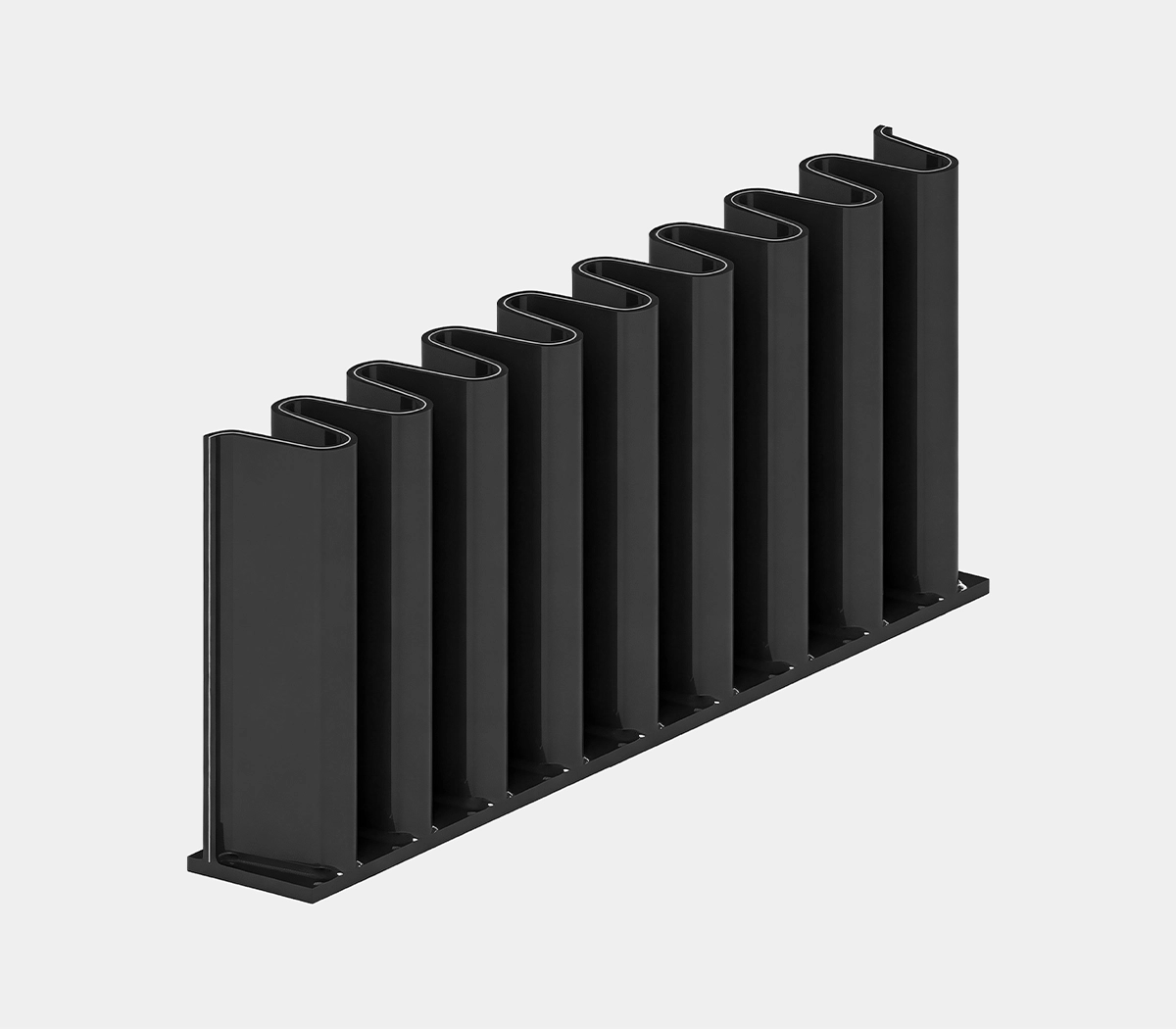
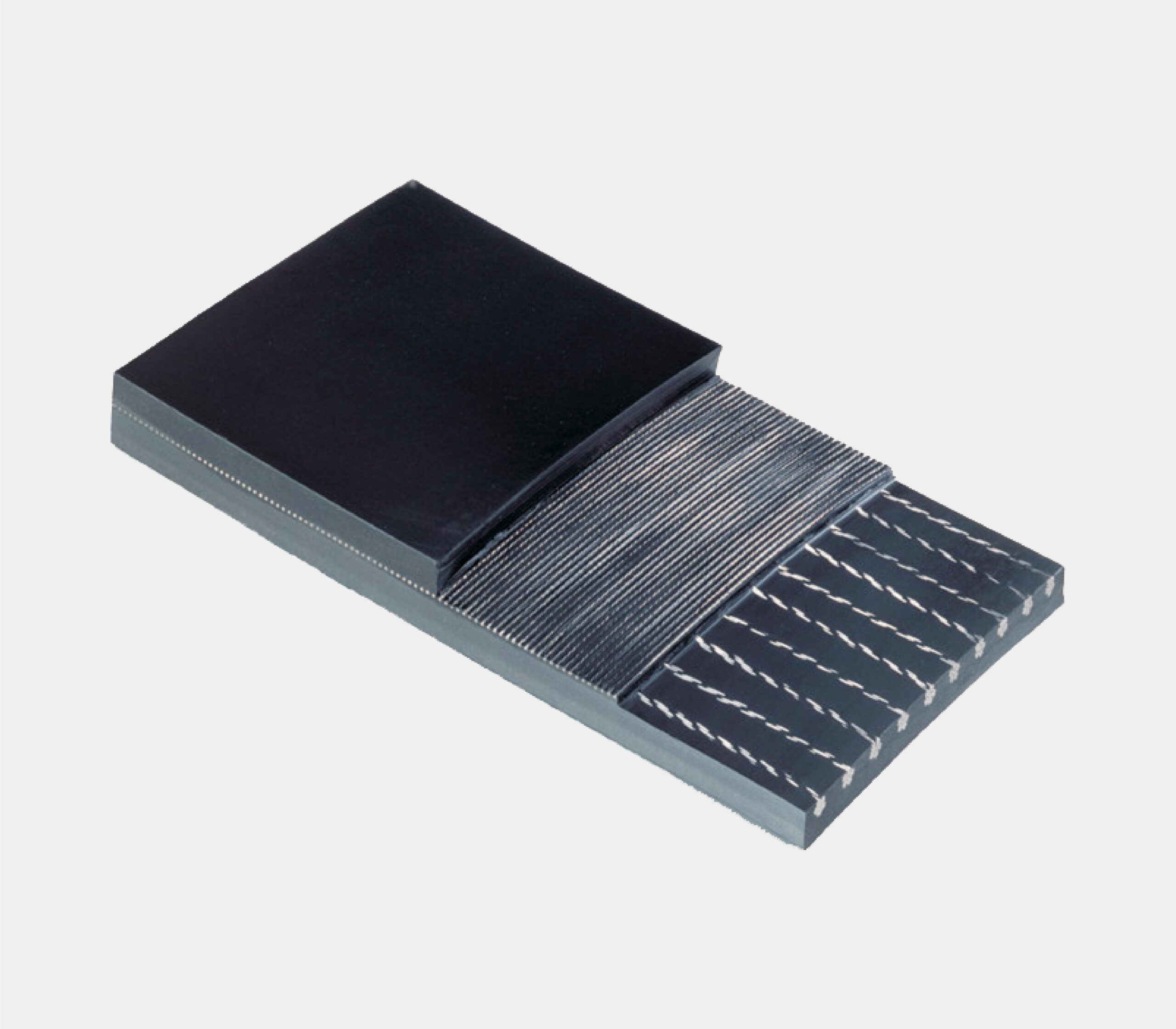
Unlike standard belts, our base belts feature enhanced transverse stiffness to prevent deformation at deflection points, while maintaining longitudinal flexibility for smooth operation around pulleys. Manufactured strictly in accordance with international standards (DIN/ISO/EN), our base belts ensure long-term stability and reliable performance across demanding bulk handling applications.
Sidewall

Sidewall

This reinforced sidewall features premium rubber compound and integrated fabric reinforced structure to boost flexing fatigue resistance and prevent corrugation cracks. Validated by dynamic fatigue tests, it offers diverse rubber properties and multiple standard/custom sizes, delivering reliable long term performance under complex working conditions.
Ceramic Pulley Lagging

Pulley Lagging

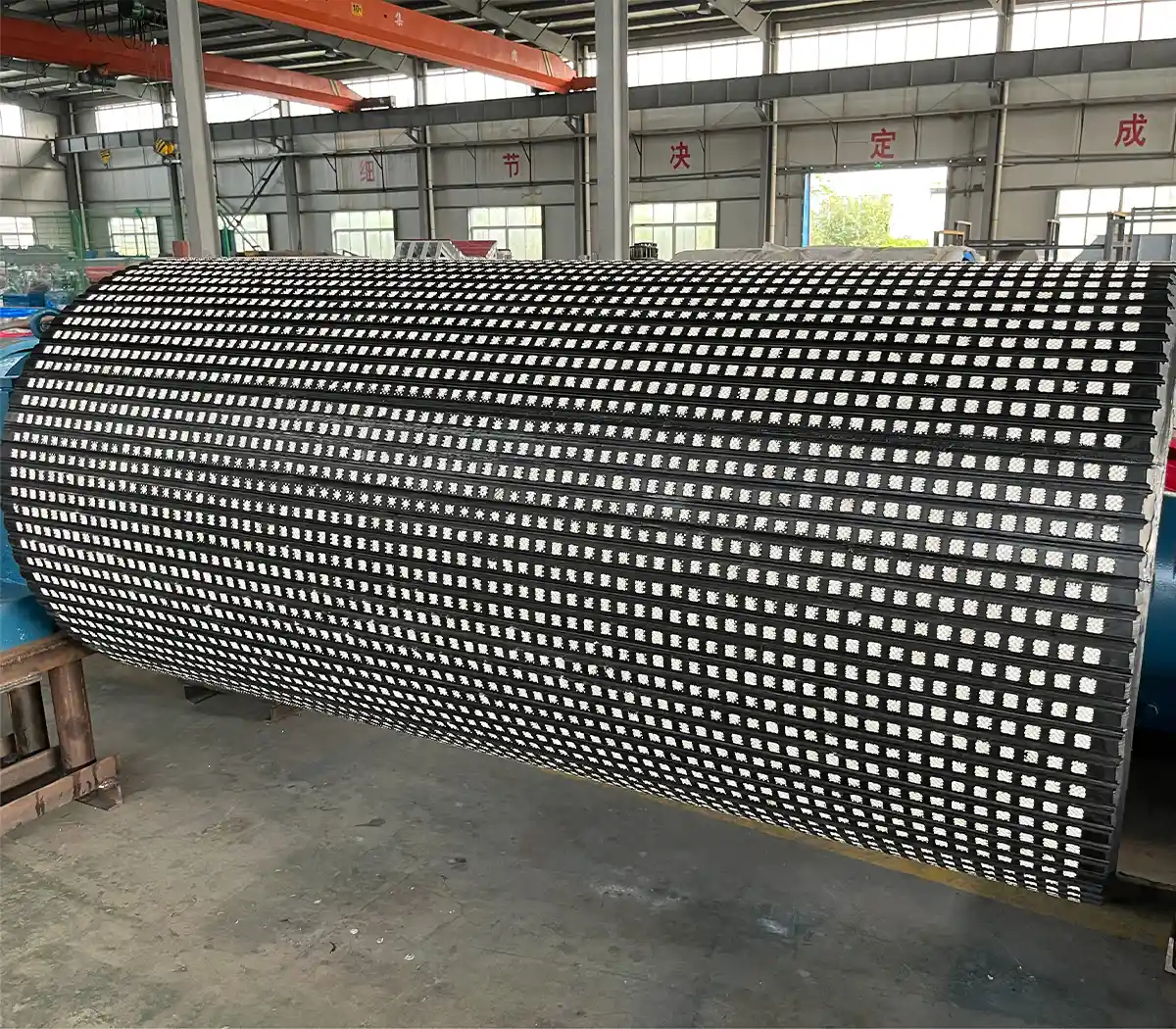
High-performance ceramic pulley lagging addresses belt slip, fast wear, material buildup and short pulley life. This cold-bond type allows on-site installation without factory hot vulcanization. Combining 92% alumina ceramic tiles and rubber backing, it offers superior friction even under wet, muddy conditions for mining, quarry and port bulk-handling applications.
Rubber Wear Lining 05

Rubber Wear Lining

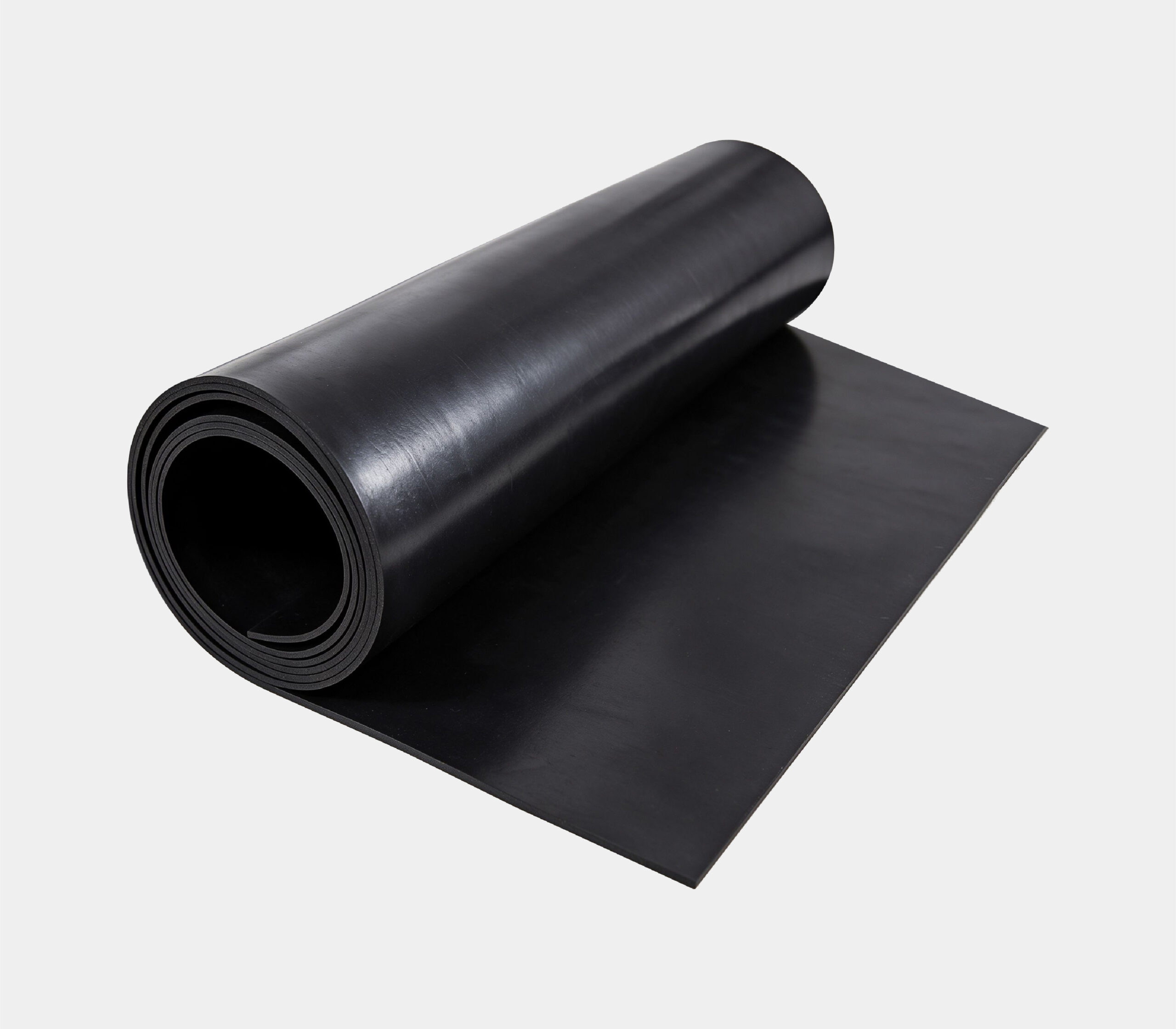
Our rubber wear lining is a high-toughness protective rubber layer engineered for industrial equipment interiors. Featuring outstanding abrasion, impact and corrosion resistance, it effectively safeguards mills, chutes and hoppers from long-term material scouring. Lightweight, durable and fully customizable, it cuts maintenance costs and reduces noise, ideal for mining, cement and chemical industrial applications.
Sidewall Conveyor Belt

Sidewall Conveyor Belt

QBF rubber specializes in designing and manufacturing high-quality steep incline conveyor belts for bulk material lifting across industries such as harbors, metallurgy, tunneling, power plants, chemicals, cement, and metro. As the only Chinese manufacturer using full European molds and standards, QBF rubber provides complete solutions covering belt selection, production, installation, commissioning, and trouble shooting.
EPDM High Temperature Sidewall Conveyor Belt

EPDM High Temperature Sidewall Conveyor Belt

Custom EPDM high temperature sidewall conveyor belt resists 300℃ instant thermal shock. Ideal for cement, metallurgy, power plant hot bulk material conveying.

Recent news

China ASEAN Mining Forum 2026

QBF rubber&MONSHTECH at China-ASEAN Mining Forum 2026 | Booth B052, Nanning

out 30, 2026

See you in Nanning. The 14th China-ASEAN Mining Cooperation Forum kicks off November 6–8 at the Nanning International Convention and Exhibition Center. We’re taking booth B052. MONSHTECH — the bulk-handling brand we run under QBF rubber — will have our core conveyor lineup on the stand. Why this forum, why now. Southeast Asian miners keep coming back to Nanning because it’s the one event where Chinese conveyor builders, EPC houses and the operators themselves end up in the same room. So we’re not flying out just for banners. We want to talk through actual projects. What we usually end up fixing on site. Walk onto a mine and the same three problems show up. Routes that snake across hills and ravines — trucking that ore gets expensive fast, and one rainy season wrecks the budget. Vertical lifts. Open-pit benches and underground shafts don’t play nice with a flat belt; you need something that holds material on a 40–60° incline. And dust. Coarse, abrasive rock leaking at every transfer point — environmental teams aren’t forgiving about that anymore. Our product line answers those three directly. Ropetrackand overland conveyors take the load off trucks across broken ground. Sidewallconveyor belts, sandwich belts and internal pocket belts handle the lift. Pipe conveyors and continuous ship loaders close the loop from concentrator to port, with far less spillage. What’s on the stand at B052. ROPE-TRACK sidewall conveyor belt. Pipe conveyor belt. Open-pit and underground steep-angle belts. Underground internal bucket lift. Concentrator steep-angle belts. Sandwich belts. Continuous ship-loader sidewall units. Stackers and reclaimers for mine and port yards. We scope single machines, system integration, and full EPC. Front-end survey up front, then supply, install, commission — and we don’t disappear after handover. Maintenance and upgrades are part of the deal.   If you’ve got a layout on your laptop, a site brief on your phone, or just a rough tonnage and a lift number — come find us. The engineers on stand will run through it with you: tonnage, material size, lift angle, route profile, power budget. Most of the mines we chat with leave with a haulage option that costs less than the truck-plus-standard-belt default they walked in with. Event quick facts 14th China-ASEAN Mining Cooperation Forum & Exhibition (co-located with Guangxi International Mining Exhibition 2026) November 6–8, 2026 Nanning International Convention and Exhibition Center Booth B052 MONSHTECH is the bulk material handling brand of QBF rubber. We build conveyor systems, engineered products, EPC delivery and lifecycle service for mines, ports and stockyards.
READ MORE
Cleated Conveyor Belt

QBF rubber Custom Hot-vulcanized Cleated Belt

out 29, 2026
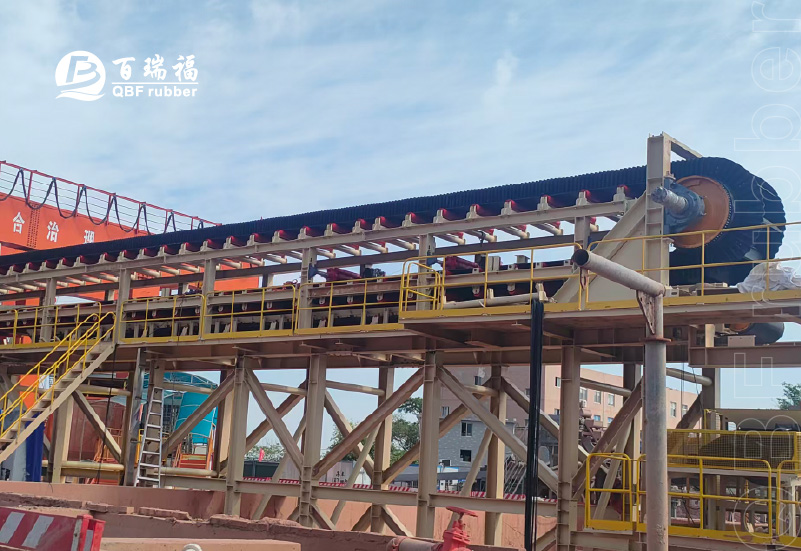
QBF rubber has shipped a new batch of custom cleated conveyor belts out of its plant this month. Built on hot-vulcanized construction, custom cleat design and special rubber compounds matched to each application, the belts are made for inclines where a flat belt loses its grip.
READ MORE
Easy Clean Sidewall Conveyor Belt

Tunnel Shield Project | QBF rubber Anti-stick Sidewall Conveyor Belt Installation Service Delivered

out 20, 2026

Recently, the engineering service team from QBF rubber was dispatched to a tunnel project site and successfully completed on-site installation guidance for the sidewall conveyor belt. Supported by one-stop full-process technical services, the project’s conveying equipment achieved stable commissioning and high-efficiency operation. Tunnel construction presents tough site conditions, featuring steep conveying angles and considerable risks of material back-sliding and spillage. Breaking away from the traditional product-only supply model, QBF rubber provides a full-chain custom service package for this project. The service scope includes preliminary site survey, working-condition analysis, custom belt selection and design, bespoke belt manufacturing, on-site hot-splicing joint execution and full-cycle installation technical guidance. This complete set of services fully meets the operational demands of steep-angle material handling for tunnel construction. Shield tunnel jobs have tight working spaces, limited on-site manoeuvring, high muck volumes and wet excavated spoil. These conditions commonly cause spoil and fines to stick and pile up on conveyor belts. For this project, QBF rubber Anti-stick Sidewall Conveyor Belt was selected to tackle such field-proven issues. The belt’s special surface treatment resists sticking and enables good self-cleaning capability. It keeps damp tunnel muck and fine sand from clinging to the belt surface, helping avoid common problems triggered by material build-up: belt mis-tracking, slippage, faster-than-normal wear and reduced conveying capacity. Built with heavy-duty sidewalls and cleats, the belt is robust in structure, offers high tensile properties and holds up well against abrasion. It runs reliably for both vertical and steep inclined conveying work, cutting down significantly on material fallback, spillage and leakage. This brings tangible savings in on-site cleaning work and lowers the frequency of equipment maintenance. Having expanded from standalone product supply to end-to-end technical services, QBF rubber keeps addressing practical tunnel conveying challenges through professional, custom-built solutions. Moving ahead, QBF rubber will keep focusing on shield-tunnel muck transport and steep-angle material handling applications. Continuous upgrades to product performance and service frameworks will deliver reliable support for the efficient, eco-friendly and safe running of more engineering projects.
READ MORE

See Latest Service

Hot‑vulcanized Splice

Our team provides professional 24/7 hot vulcanized splicing for sidewall, steel cord, fabric and pipe conveyor belts. Staffed with fully trained, experienced technicians and equipped with advanced mobile and stationary vulcanizing presses, we deliver seamless, long-lasting belt joints that optimize both technical performance and overall operational costs.
LEARN MORE

Selection Guide

QBF rubber provides professional customized sidewall belt selection services for all types of industrial inclined conveying scenarios. Supported by our independent self-developed selection system and senior German technical experts, we deliver accurate, application-oriented belt solutions tailored to actual site conditions, avoiding specification mismatches and unnecessary performance waste for optimal system operation.
LEARN MORE

Maintenance Service

We deliver reliable, plant-focused conveyor belt and system maintenance services designed to prevent unplanned downtime. Our certified on-site teams provide round-the-clock support for routine inspections, belt realignment, wear repairs, component replacements and system tuning. We help industrial facilities maintain stable throughput while lowering long-term operational and maintenance overhead.
LEARN MORE
contact us

Contact us

    Products
    Contacts
    WhatsApp
    Email