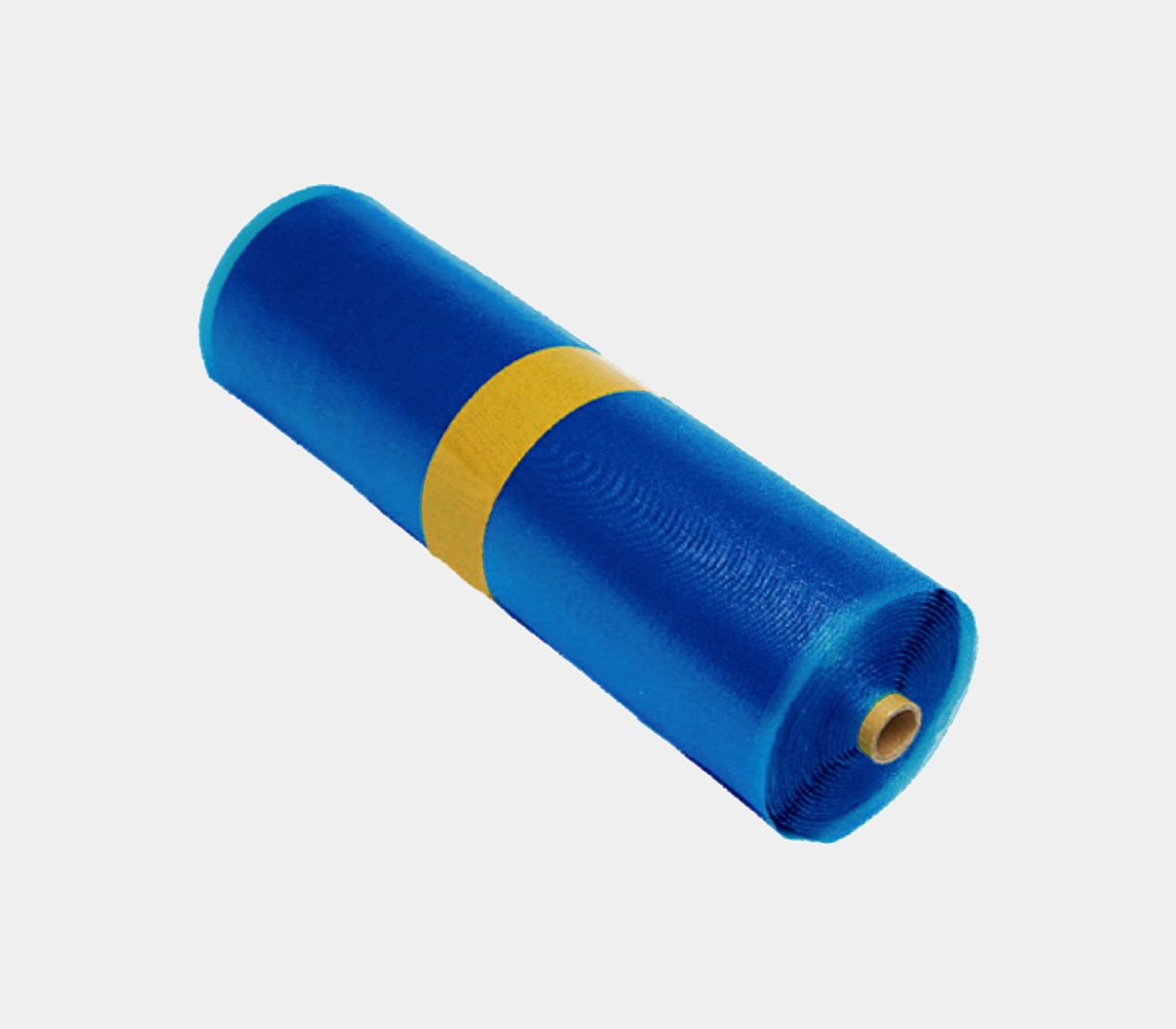
Conveyor Belt Cover Rubber
-
Description
Product Overview
Conveyor belt cover rubber serves as critical splicing material for fabric reinforced and steel cord conveyor belts across bulk material handling sites. It delivers balanced tensile performance and solid abrasion resistance for daily belt operation.
During hot vulcanization splicing of fabric conveyor belts, laying cover rubber over the splice area forms a sealed protective layer. This extra rubber layer boosts surface wear performance at the joint section and keeps the whole conveyor belt structure stable under continuous running load. Poor splice sealing often causes early joint failure; quality cover rubber helps avoid this common field issue.
Key Features
- Splice joints finished with this cover rubber resist high temperature working conditions
- Works compatibly with steel cord conveyor belts and fabric conveyor belts
- Fits conveyor belts produced by most mainstream belt brands, no strict brand only limitation
- Nice rubber fluidity when matched with rubber flow defoaming agents; reduces trapped bubbles during vulcanization work
- Vulcanization process can resume after unexpected power cuts, as long as working pressure stays maintained onsite
- Shelf life: 24 months when stored under proper warehouse conditions
Main Applications
Use this cover rubber for hot vulcanized splice work and on site repair jobs on steel cord and fabric conveyor belts.
Completed splices tolerate short term peak temperature hitting roughly 180 °C. This property makes it a practical pick for conveyor systems transporting high temperature bulk materials, such as mine ore, clinker and thermal processed bulk goods.
Note: It handles instantaneous high heat; it is not designed for permanent continuous exposure to 180°C ambient environment.
Product Specifications
Available dimension options:
- 3 × 500 mm
- 4 × 500 mm
- 5 × 500 mm
FAQ
Q1: Can this cover rubber replace core rubber for full thickness belt repair?
No. This is cover rubber, mainly for outer splice sealing and surface repair. For deep full thickness damage, you still need matching core rubber material.
Q2: What storage rules should I follow to hit the 24 month shelf life?
Keep it cool, dry and away from direct sunlight, heat sources and chemical solvents. Seal original packaging when not in use. High heat open air storage will shorten usable time.
Q3: Does it work for cold splice repair?
This cover rubber is built for hot vulcanized splicing. It cannot get ideal bonding strength for cold glue based splice solutions. Stick to hot vulcanization workflow.
Q4: Why keep pressure if power cuts mid vulcanization?
Holding pressure keeps rubber material well compacted. Even with temporary power loss halting heating, you can restart heating and finish full vulcanization once power returns. Releasing pressure during outage will produce defective splices.
Products

Sidewall Conveyor Belt

Pocket Type Conveyor Belt
It handles ultra high lift, high throughput tasks beyond conventional high angle sidewall belts, realizing stable continuous bulk material transportation.

Rope-track Sidewall Conveyor Belt

Bucket Elevator Conveyor Belt
They deliver low elongation, high throughput and stable operation with easy maintenance, helping operators reduce downtime from belt failures and frequent replacements.

Pipe Conveyor Belt
Supporting sharp horizontal and vertical bends, it meets strict environmental requirements and helps plants remove redundant transfer points, favored by operators troubled by on site dust and leakage issues.

Chevron Conveyor Belt
Various chevron patterns are available for different slope demands. Widely used in mining, farming, construction and recycling, it maintains stable performance under harsh on site working conditions.
Recent news

Sidewall Conveyor Belt Sagging Solutions: QBF rubber Free Zone Base Belt Design Extends Service Life by 30%
Sep 18, 2026

QBF Rubber Anti-stick Sidewall Belting Helps Shenzhen Tunnel Construction
Sep 18, 2026

Mining Vertical Lifting System Solution: Tackling Continuous Conveying Challenges for Deep-Mine Operations
Sep 17, 2026
See Latest Service





