Bucket Elevator Conveyor Belt
They deliver low elongation, high throughput and stable operation with easy maintenance, helping operators reduce downtime from belt failures and frequent replacements.
-
Description
-
Download
Product Overview
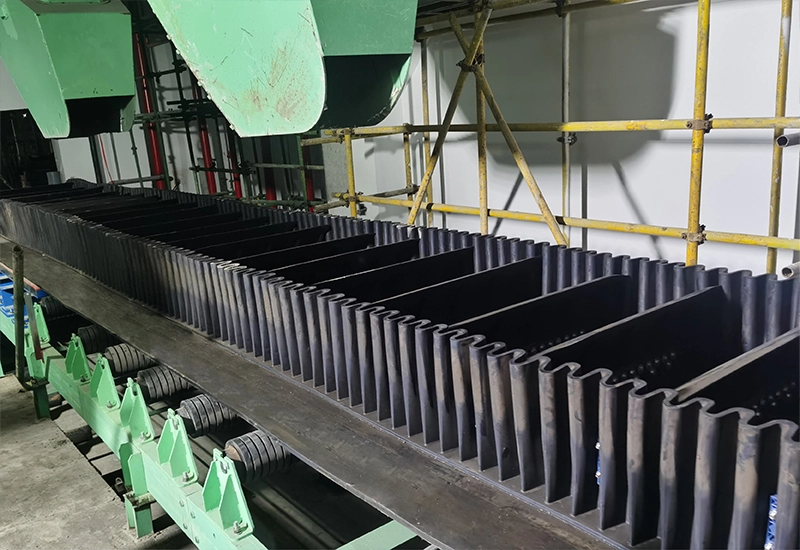
Bucket elevator conveyor belts serve as a cost effective core part for vertical bulk material handling. They handle lifting heights reaching 100 meters and above for different industrial production lines. As the critical working component inside bucket elevators, these belts adopt high grade tear resistant polyester canvas reinforcement. For heavy duty scenarios, steel cord structure combined with anti tear protective layers is also available.
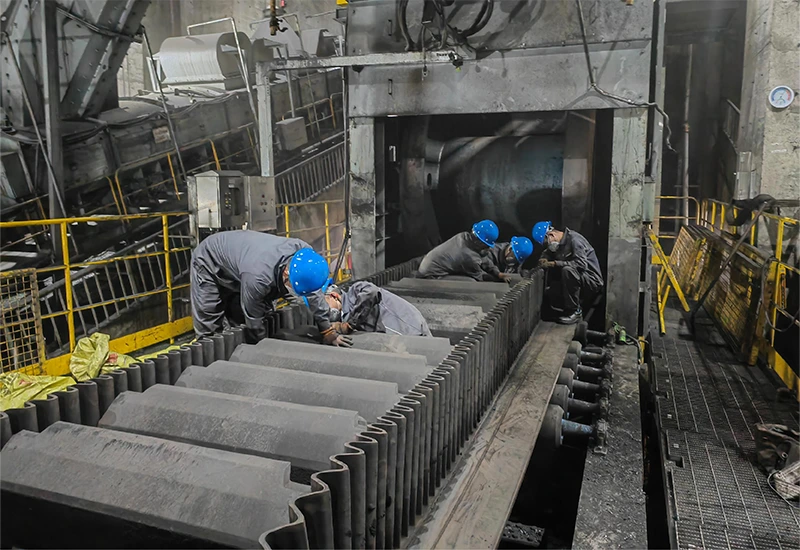
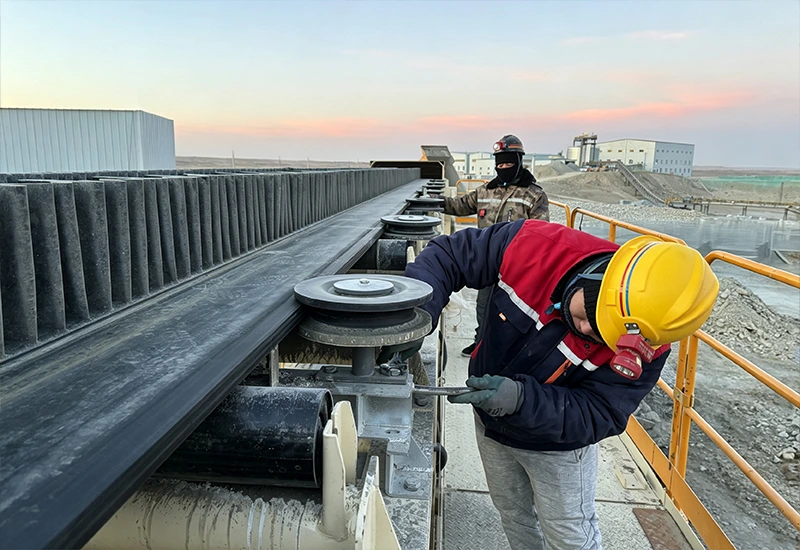
Real world site feedback shows our bucket elevator belts feature low stretch, high throughput, steady running status and simple on site upkeep. Operators can cut down much downtime caused by belt failures and frequent part replacement.
Key Features
Structural & Mechanical Performance
- Compact installation footprint, well suited for workshop layouts with limited space
- Low permanent elongation, maintains stable tension during long hour vertical lifting
- High tensile strength, low stretch and good flex resistance
- Reliable tear resistant reinforcement for heavy load vertical elevation
Conveying Capacity & Material Adaptability
- Large material conveying capacity, maximum throughput over 1500 m³ per hour
- Available belt width up to 1600 mm
- Smooth, stable operation with minimal vibration
- Great compatibility with fine powder, granular and small lump bulk materials
- Low dust leakage to minimize on site environmental pollution
Operation & Maintenance Advantages
- Simple daily inspection and maintenance procedures
- Lower overall maintenance expenditure
- Long service life even under continuous run working conditions
Custom Rubber Cover Options
- Multiple rubber cover grade selections to fit diverse working conditions
- Supports oil resistant, flame retardant and multi grade heat resistant rubber compounds
Rubber Cover & Construction Types
We supply two mainstream bucket elevator belt constructions for your selection:
- Fabric reinforced Bucket Elevator Conveyor Belt
- Steel Cord Bucket Elevator Conveyor Belt
Available rubber cover grades: DINY, DINW, DINX
Special functional rubber compounds are optional:
- Oil resistant
- Flame retardant
- Heat resistant (100℃, 120℃, 150℃, 180℃ working temperature grades)
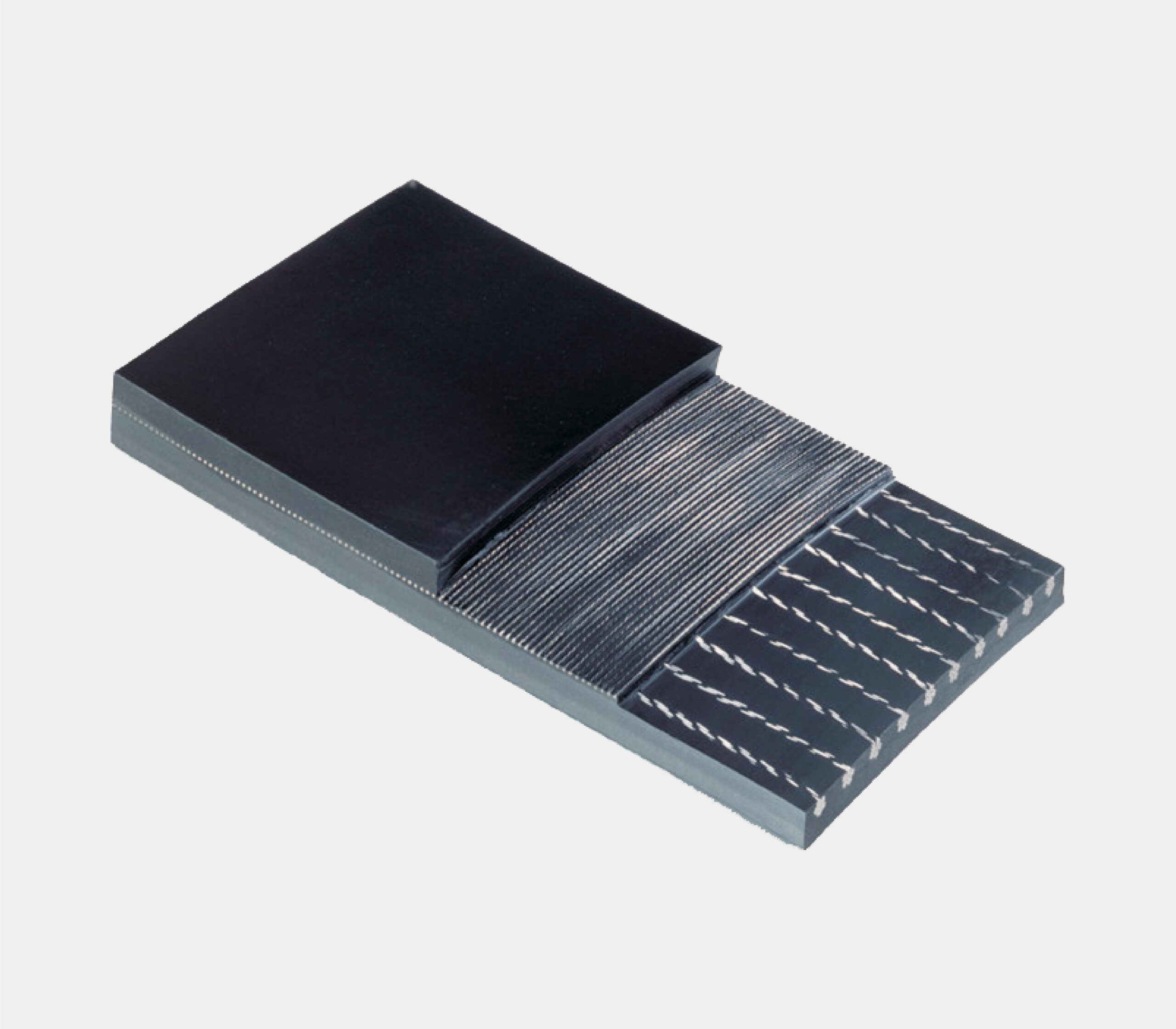
Cross section for steel cord elevator

Technical Data Table
| Item | Specification |
| Belt Type | Fabric bucket elevator belt / Steel cord bucket elevator belt |
| Max Working Width | Up to 1600 mm |
| Max Lifting Height | 100 m+ |
| Max Conveying Capacity | >1500 m³/h |
| Rubber Cover Standards | DINY / DINW / DINX |
| Optional Special Property | Oil resistant, Flame retardant, Heat resistant(100℃ /120℃ /150℃ /180℃) |
| Reinforcement | Tear resistant polyester canvas / Steel cord + anti tear layer |
The Importance of Accuracy
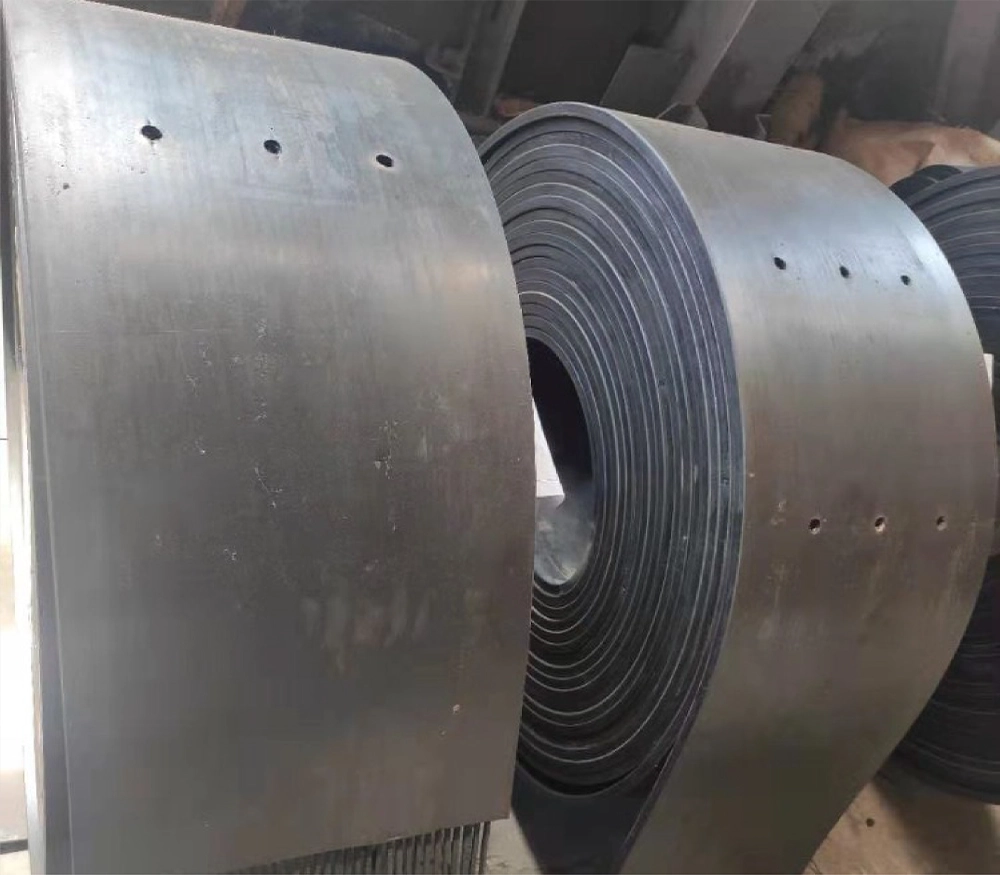
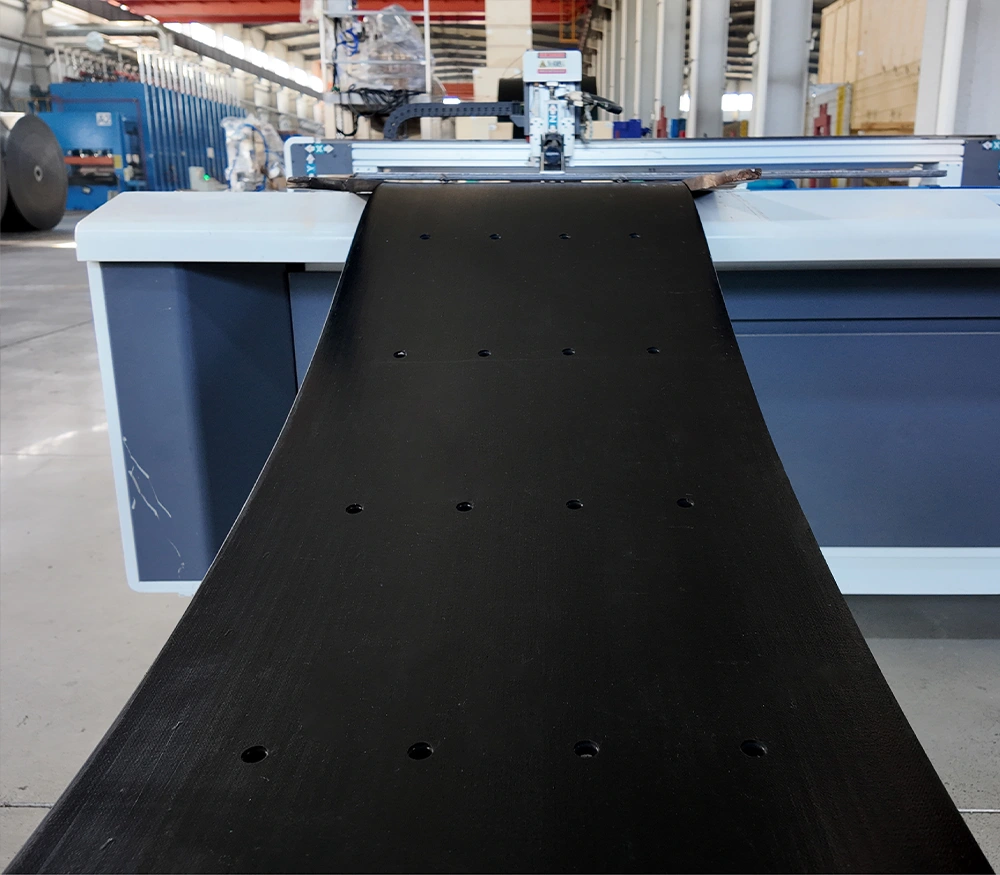
Precise hole perforation is essential in manufacturing
steel reinforced elevator belts.
These belts face extreme conditions and precise hole design ensures that each bucket is perfectly aligned and anchored, preventing vibration and
guaranteeing efficiency and safety when transporting heavy and abrasive materials in industrial environments like cement plants and other industries.
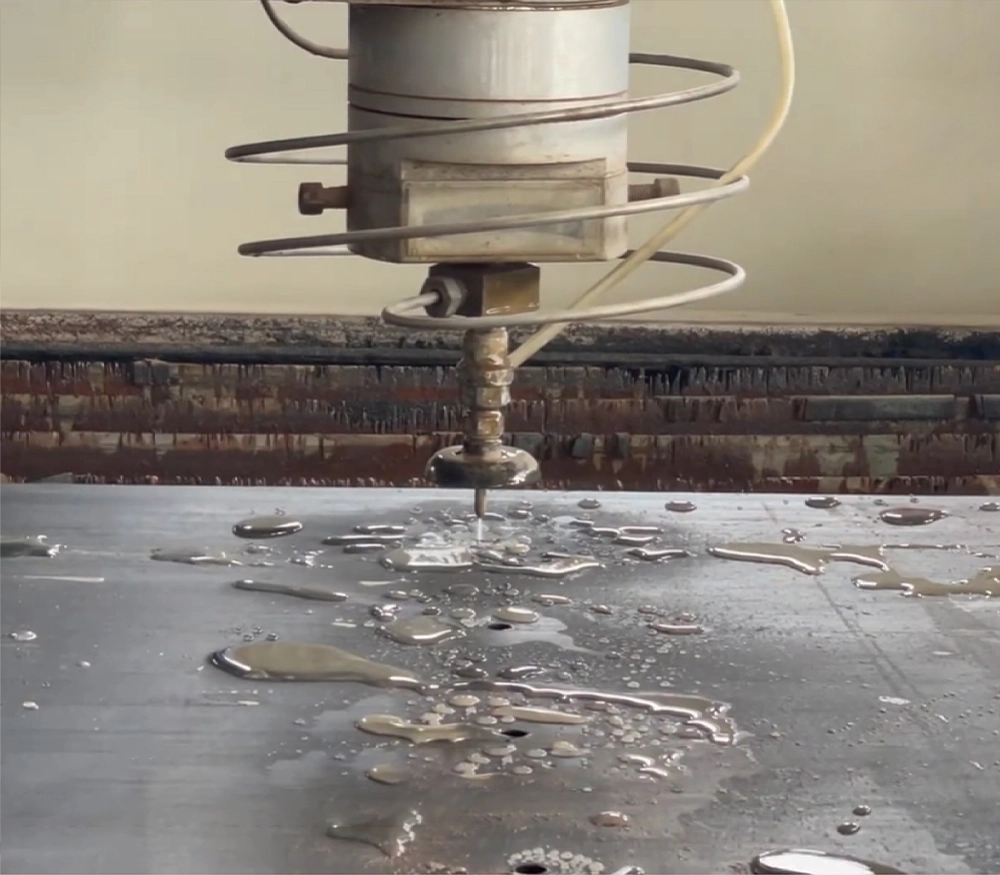
At QBF rubber, we ensure maximum accuracy in the formation of holes, using a water jet cutting machine and precise numerical control.
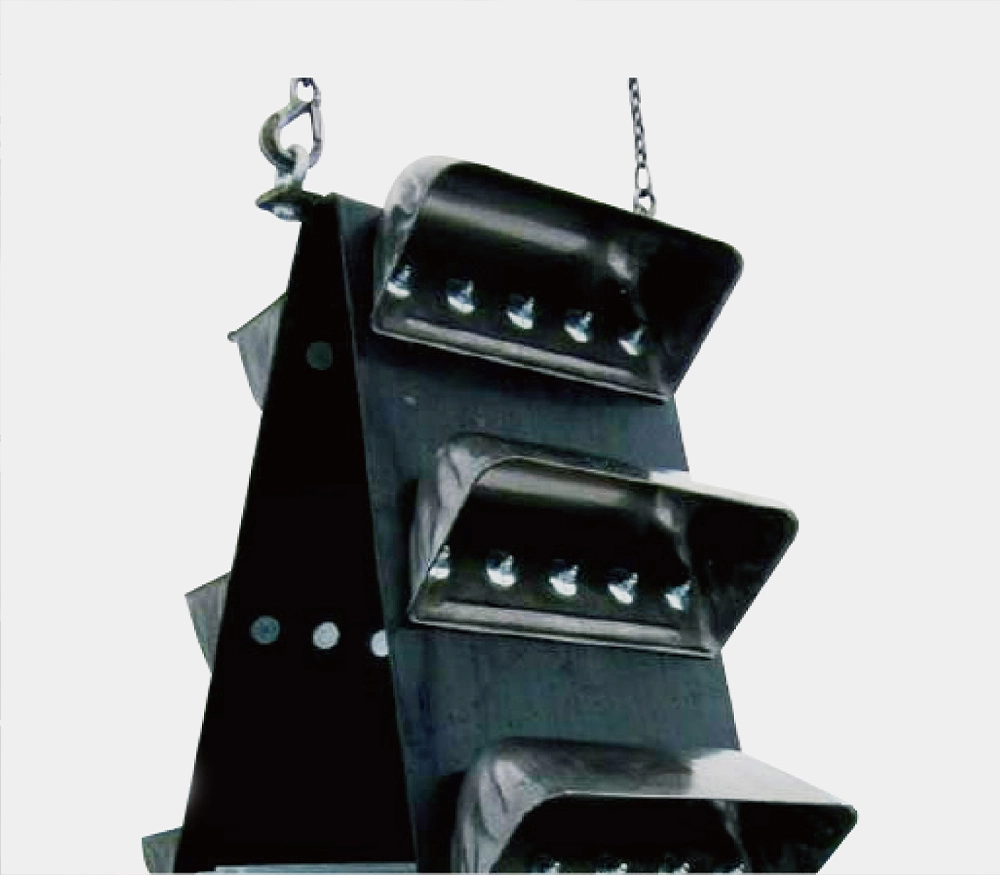
Clamping System for Steel Reinforced Belts
Durable, robust, safe andeasy to install.
Resistant to high tensions,with flexibility that ensuresthe continuous flow ofmaterials.
Material Compatibility
Our bucket elevator conveyor belts handle a wide scope of bulk solids.
Good for:
- Powders: cement powder, lime powder, mineral powder, flour
- Granular materials: grain, feed pellets, sand, chemical particles
- Small size lump materials: crushed ore, small stone clinker, coal fragments
⚠️ Notes: Abrasive, sharp edged lumps will accelerate rubber cover wear. Pick thicker cover rubber or steel cord reinforced belts for heavily abrasive materials. For sticky, highly oily or corrosive bulk materials, please send us sample material information so we can recommend proper rubber compounds.
Application Scenarios
Bucket elevator conveyor belts are purpose built for vertical bulk material elevation. They work well for powder, granule and lump form material transportation.
Common use industries include:
- Building materials
- Mining
- Chemical processing
- General machinery manufacturing
- Power plants
- Grain processing & storage
These belts pair perfectly with bucket elevator equipment to lift raw materials, finished granules and mixed bulk goods in continuous production workflows.
Installation & Daily Operation Tips
Correct fitting and running habits greatly prolong your bucket elevator belt service life.
- Control belt tension properly. Too tight will speed up fatigue; too loose causes belt slipping and bucket misalignment.
- Check bucket bolts regularly. Loose buckets will scratch and damage the rubber belt surface during operation.
- Avoid overloading the elevator. Over feeding materials leads to heavy impact stress on belt surface.
- Keep foreign hard objects out of material feeding inlet; metal scraps and sharp stones may cut or tear belt covers.
- Do regular visual inspections: watch for rubber cover chipping, edge crack and abnormal belt deviation. Replace belt once obvious damage appears.
Customization Service
We support custom made bucket elevator conveyor belts for non standard elevator projects. What we can adjust for your project:
- Custom belt width & thickness
- Custom rubber cover thickness for heavy abrasion working conditions
- Custom reinforcement design for extra high lifting height or heavy load
- Special compound formula for special corrosive / sticky bulk materials
Please provide these key project data for quotation: lifting height, conveying capacity, material type & temperature, elevator model, working environment.
FAQ
Q1: How can I extend bucket elevator belt service life?
A: Keep proper belt tension, avoid over loading the elevator, prevent sharp lump material impact damage, and carry out regular visual checks for cracks or cover wear. Correct installation and bucket fastening also matter a lot.
Q2: What causes bucket elevator belt deviation?
A: Common reasons include uneven tension, misaligned drive rollers, loose buckets or uneven material feeding. Adjust tension and check roller alignment first when deviation occurs.
Q3: Is sample available for bucket elevator conveyor belt?
A: Small rubber strip samples of different rubber grades can be provided for your lab performance testing. Full size finished belts are made to order and not available as samples.
Q4: What lead time can I expect?
A: Standard grade bucket elevator belts normally take 7 15 working days. Custom non standard items will need longer production cycles, we will confirm exact lead time upon receiving your technical requirements.
Q5: Can your belt work in outdoor open air bucket elevator installations?
A: Yes. For outdoor exposed working conditions, mention it in your inquiry. We will select weather resistant rubber cover to resist ozone and UV aging.
-
Questionnaire List of Bucket Elevator Conveyor Belt Download
Products
Base belt
Sidewall
Pulley Lagging
Rubber Wear Lining
Sidewall Conveyor Belt
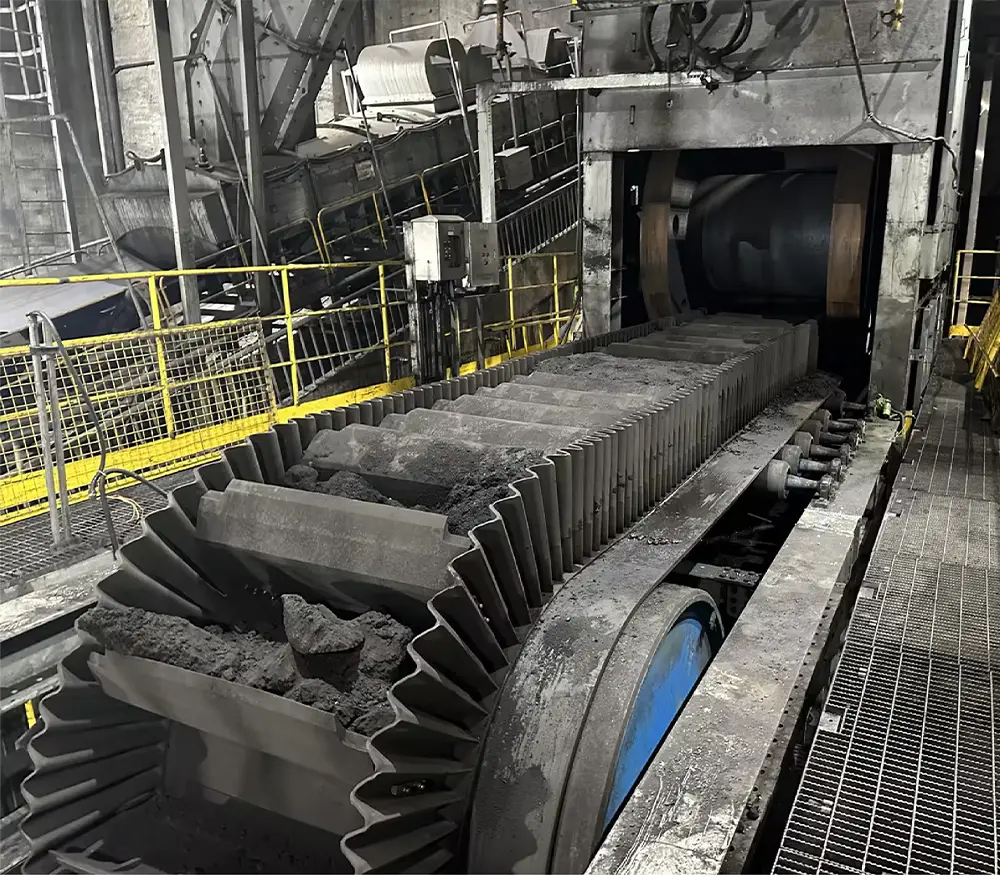
EPDM High Temperature Sidewall Conveyor Belt
Recent news
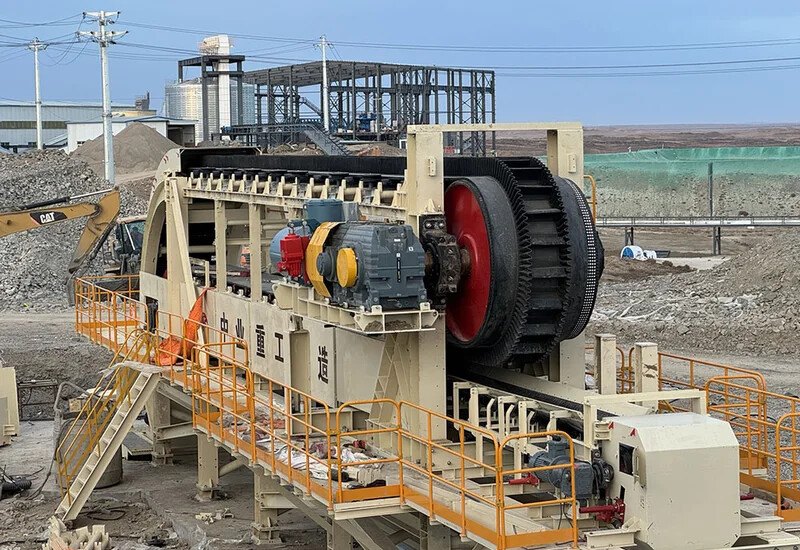
How Does a Sidewall Conveyor Belt Work?
Nov 19, 2026
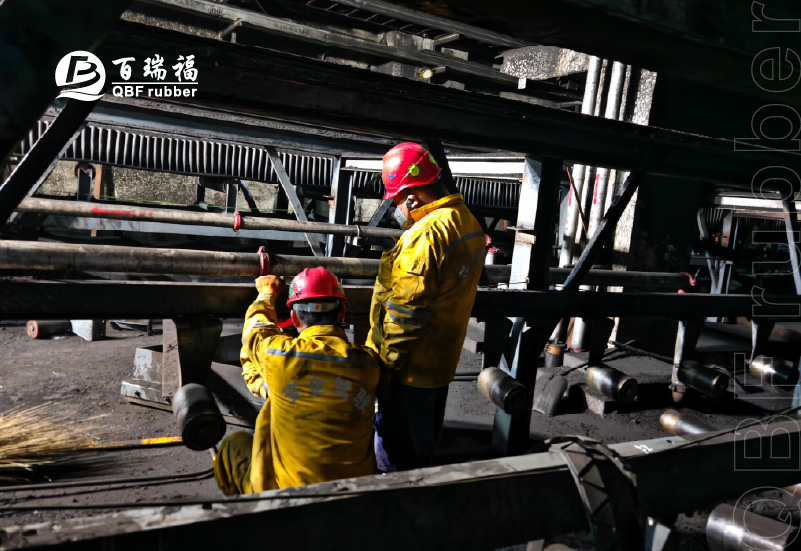
Sidewall Conveyor Belt Retrofit Enters Installation at Coal Chemical Plant
Nov 20, 2026
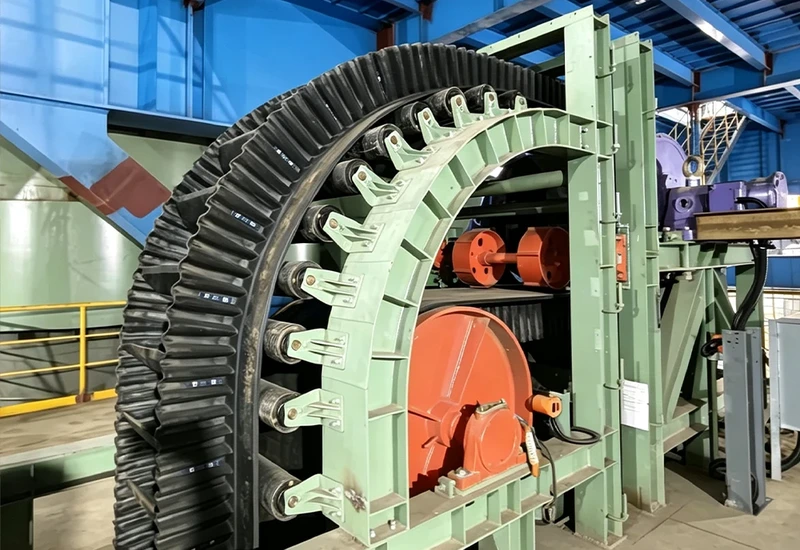
What Is a Sidewall Conveyor Belt and When Should You Use One?
Nov 12, 2026
See Latest Service